Woodworking Tool Hire in Reading, Berkshire
Woodworking tool hire in Reading for routing, planing, sanding, floor renovation and timber joinery. Coppard supplies routers, sanders, power planes, floor sanders, floor edgers and a chain morticer across Berkshire. Call 0118 979 2828 with the timber and the operation you need.
Ask for woodworking kit by the finished result, not a general machine. On Reading work that spans a floor sander bringing back the boards in a period terrace to a router forming a rebate on site joinery. The timber, the dimensions, the access and the finish all shape which tool, cutter or abrasive is right for what looks like one carpentry job.
Start From What the Fleet Holds and What the Job Needs

Through the Coppard woodworking tool range you have a router, belt and orbital sanders, power planes, a floor sander, a floor edger and a chain morticer, spanning profiling, stock removal, general sanding, floor work and morticing. The woodcutting jigsaw and circular saw live under saws, not here, so any related cutting can be a separate hire.
Kit such as thicknessers, table saws, band saws and biscuit joiners is a check-with-the-depot matter rather than a given, so it is only named once a current model and its availability are confirmed. Sticking to the confirmed range means what you read is what can actually be booked for a Reading job, not a wish list.
The Cutter, Blade or Abrasive Sets the Finish
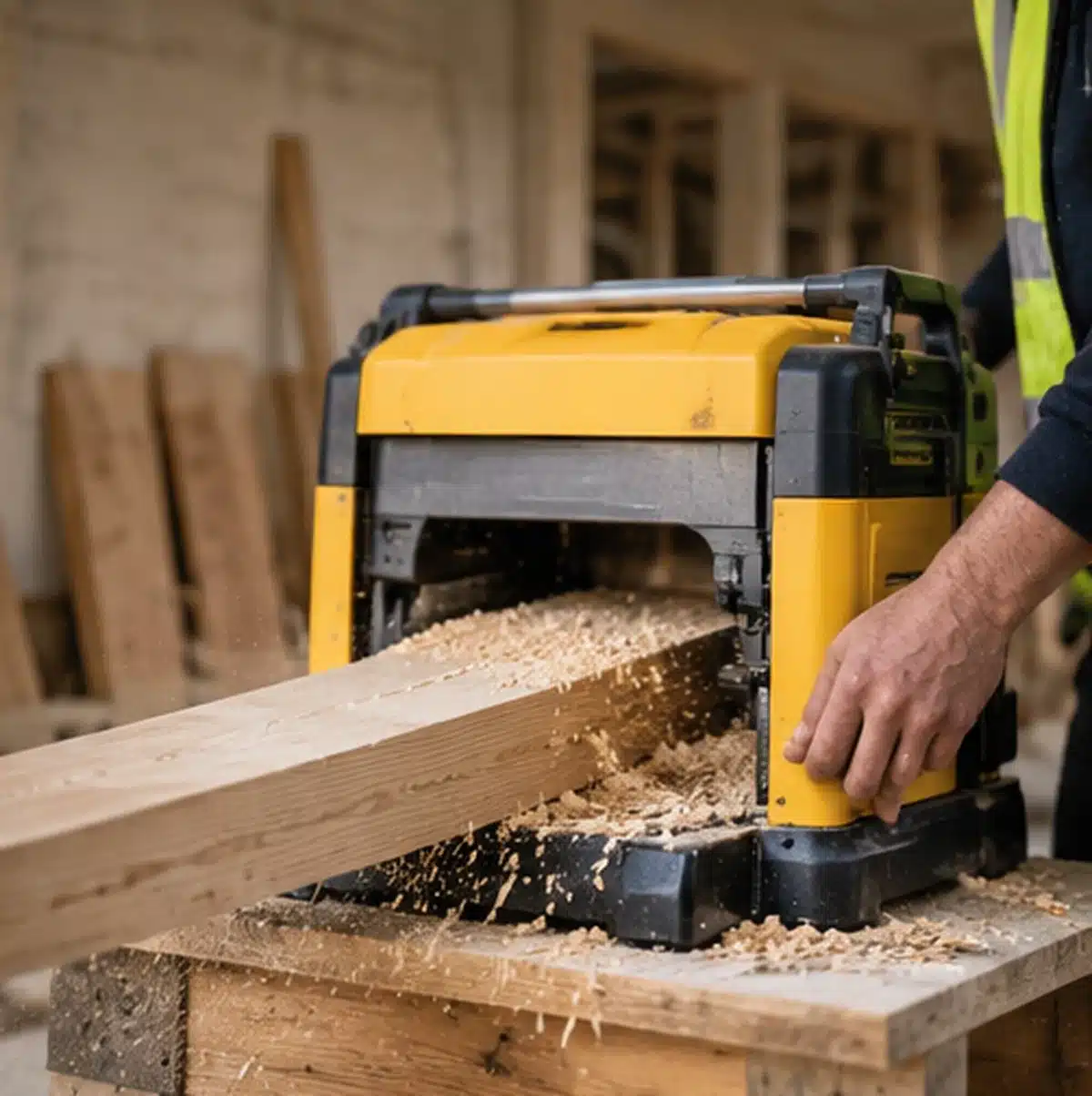
The machine only gets you halfway; what meets the timber is the consumable. A coarse belt takes old finish off quickly but leaves scratches that finer grades then have to lift, a router cutter has to suit the profile and depth you are cutting, and a plane wants sharp irons and steady passes if the edge is to come out clean rather than merely fast.
On a floor the drum sander and the edger tackle different parts of the room and normally work through a sequence of grades, not one aggressive pass. Before you collect, check whether consumables are included, bought separately or charged for wear, and being clear on the finish you want stops a good machine going out with the wrong grade or cutter.
In-Situ Work in Reading Homes Needs Support and Dust Control
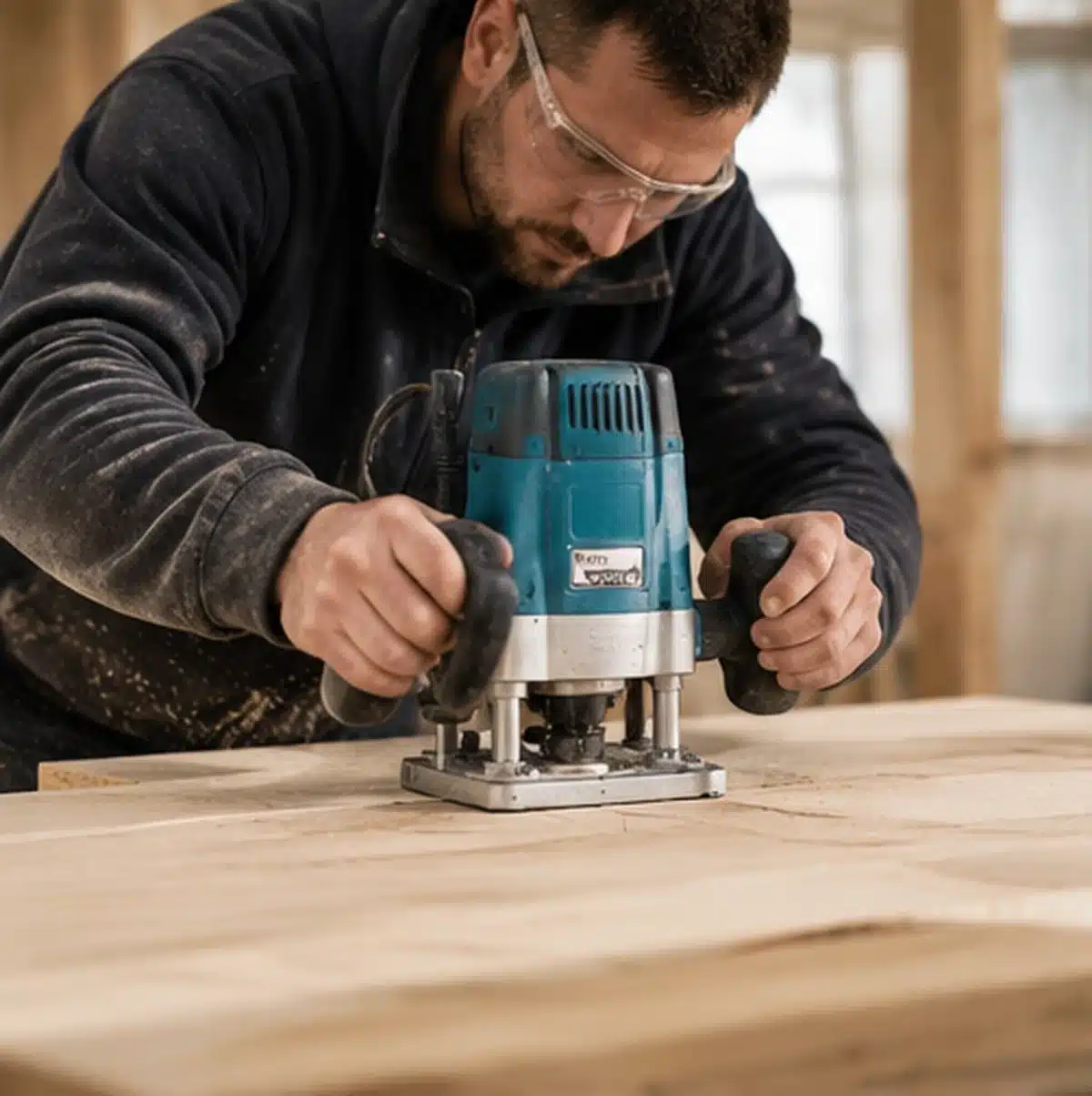
A lot of Reading woodworking happens in lived-in houses and flats: bringing back a floor in a period terrace, easing a hung door, routing fitted joinery in place. Timber that is already fixed is a different proposition from a piece on the bench, so make sure the tool stays under control right through the cut and the component does not move, and watch the corners, walls, skirting and cable runs that hem you in.
Sanding, routing and planing all raise a lot of dust inside, so work out how it is caught and whether extraction fits the actual machine before you begin, all the more so with the household still living around the job. Booking through the Reading Tool Rental Service, set out the timber, the dimensions and whether the work is in place or on a bench.
Match the Machine to the Operation, Not Habit
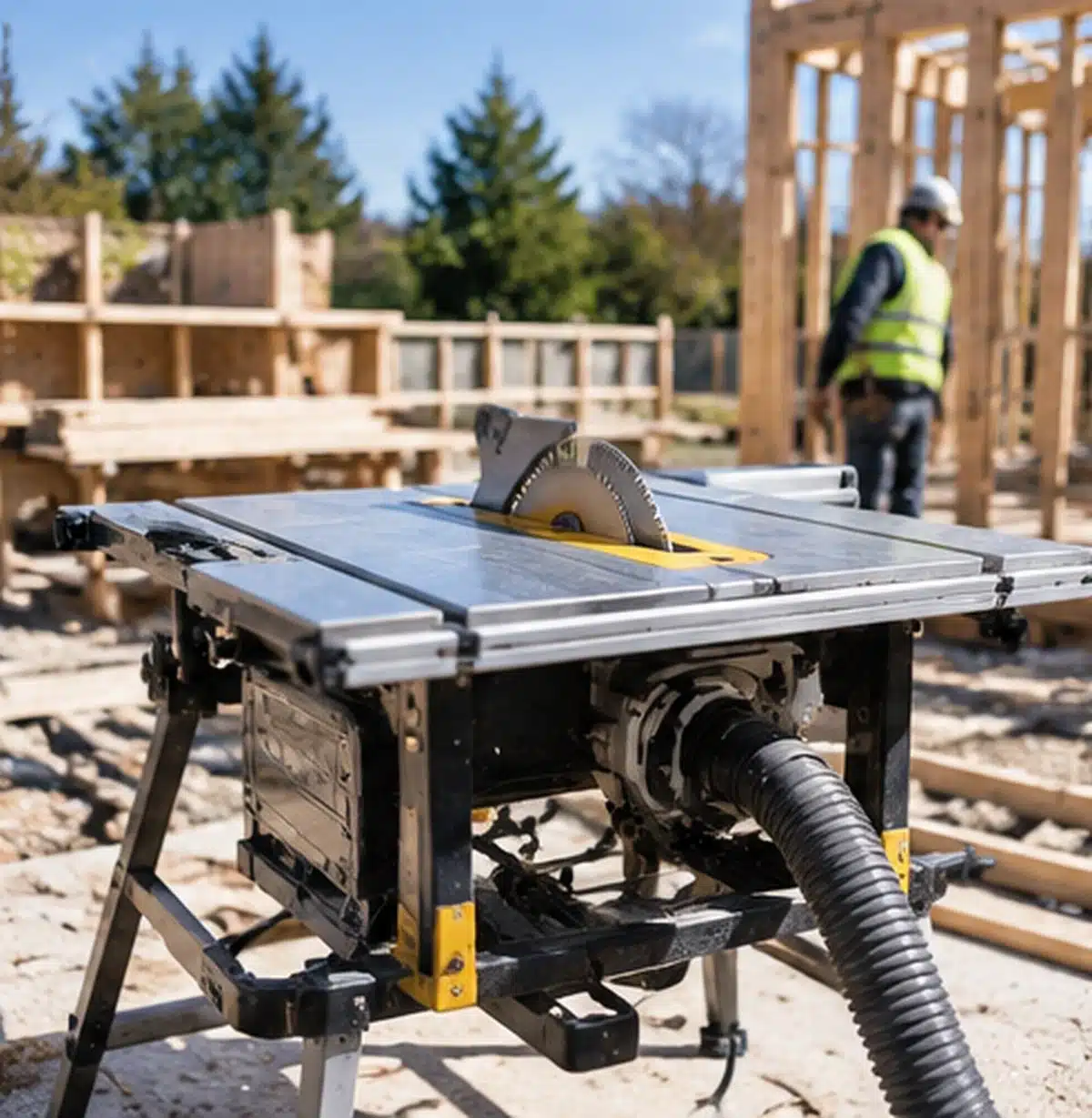
One piece of timber can pass through several jobs: a rebate routed, an edge planed down, a floor sanded, a mortice cut. Each holds and controls the work differently, so begin with the material, the dimensions and the result you want rather than grabbing the machine you know best.
Weigh up whether the piece can be clamped, whether it is worked in place, and how near the cut or finish comes to walls, corners or fittings already there. That tells apart a portable hand job from floor work or heavier joinery and points at the cutter, abrasive or accessory before you start.






Tell the Reading Depot the Timber, Dimensions and Finish
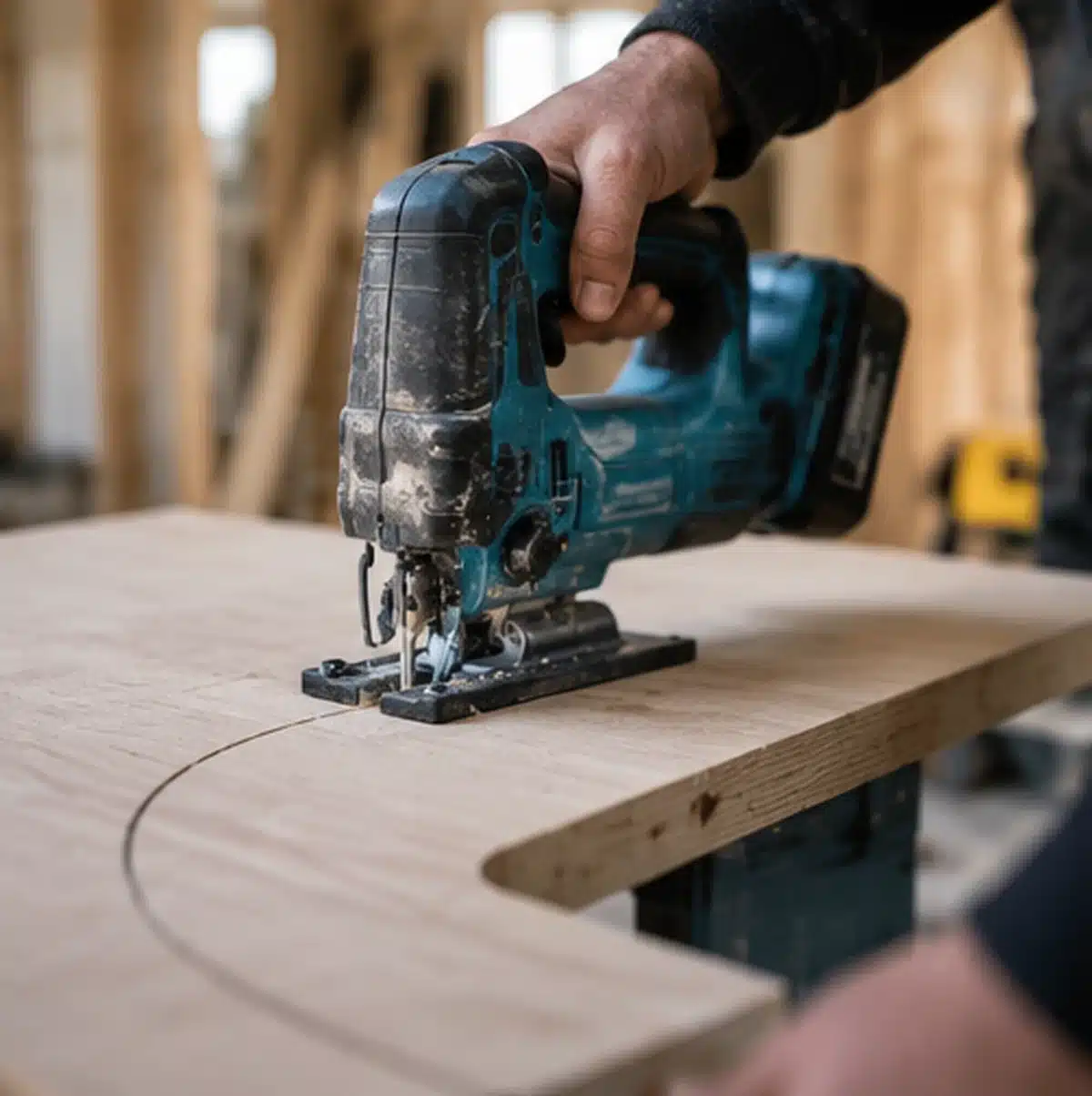
Say what the timber is if you know, its rough size and the operation, and whether the work is free components, joinery already fitted, or a floor in place, plus whether the way in limits the machine size. Where sanding or routing is in it, describe the finish or the profile, not only the area.
That points to the right one among the confirmed router, planer, sanding and morticing options and flags any saw or consumable that goes with it. Call 0118 979 2828 before you collect, for work across Reading and the Thames Valley, so the stock and accessories are checked against the real job and not a vague carpentry request.
Frequently Asked Questions - Woodworking Tool Hire in Reading, Berkshire
What do I need to bring back a timber floor in a period house?
A drum floor sander for the open floor and an edger to get in tight to the walls and skirting the big machine misses. A floor comes back through several grades, working from stripping down to the final finish. Give the depot the floor type, its state and the rough area so the machines and the grade sequence are set before you collect, which counts for a lot in a lived-in Reading terrace where the dust and upheaval also need handling.
Are cutters, blades and abrasives supplied with the tool?
It depends on the machine and the consumable. Cutters, blades and sanding belts or sheets may be in the hire, sold on the side, or charged for wear rather than thrown in. Check which when you book, and say what timber and finish you are after, so the right type or grade is picked rather than sized by eye, which otherwise leaves you with a poor finish or slow going.
Can I rout or plane timber that is already fitted in place?
You can, but the access, the support and the finishes around it make working in place very different from the bench. Make sure the tool stays controlled all the way through the cut and the fixed piece will not shift, and mind the corners, walls, ironmongery and cabling that box you in. In a lived-in Reading home, allow for the dust as well. Hand the depot the sizes and where exactly you are working, so it can weigh up suitability before collection.
Can Coppard supply a thicknesser, table saw or band saw?
The confirmed range is a router, sanders, power planes, floor sanders and edgers and a chain morticer, with the woodcutting jigsaw and circular saw filed under saws. Thicknessers, table saws, band saws and biscuit joiners are not confirmed, so treat them as an enquiry. Need one? Ring the depot and they will say whether a suitable machine is free before you build the job around it.
What UK rules apply to powered woodworking machines?
The Provision and Use of Work Equipment Regulations 1998, known as PUWER, require work equipment to be suitable, maintained and used with the right information, instruction and training. You can read the official regulations at Provision and Use of Work Equipment Regulations 1998 on legislation.gov.uk. For woodworking machines that means the tool, its guards, the accessories and the method should suit the task, rather than relying on being familiar with a different machine.
Need woodworking tool hire in Reading?
Tell us the timber, the dimensions, the operation and the finish. Call Coppard on 0118 979 2828 to confirm the machine and accessories.