Monitor, Detector and Locator Hire in Reading, Berkshire
Monitor, detector and locator hire in Reading for tracing buried services, site surveys and monitoring during intrusive work. Coppard supplies CAT cable locators, Genny signal generators and related detection equipment across Berkshire. Call 0118 979 2828 with the survey task, the area and the planned excavation.
Before a machine opens the ground on a Reading site, the crew wants a better idea of what lies beneath, and old, built-up ground can hide plenty. Detection pays off as planning, not a hurried scan as the digger arrives. Go through the drawings and what is visible, mark out the area to survey, and decide where hand digging or trial holes lead.
CAT and Genny Do Related but Different Jobs
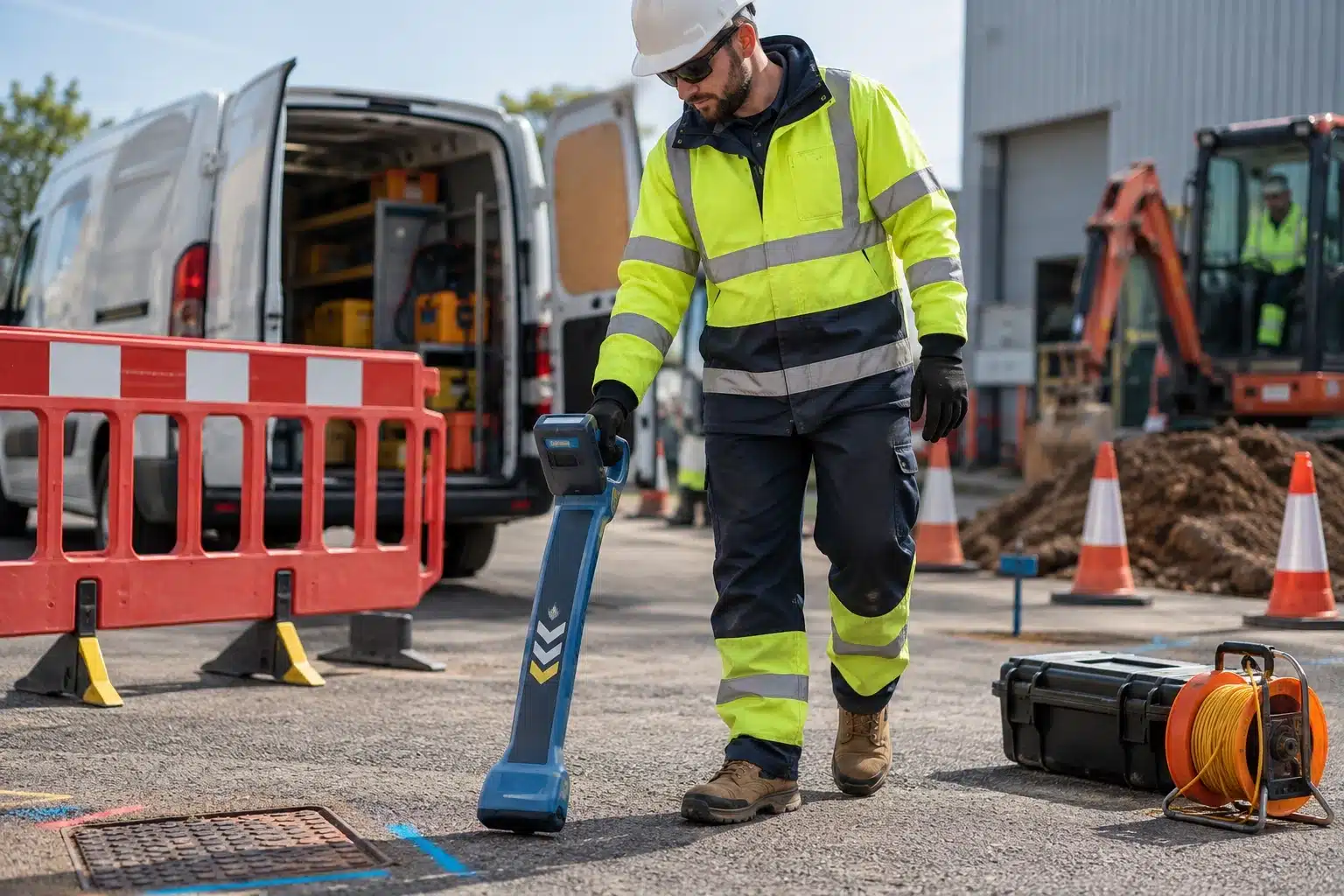
A CAT and Genny pull in different directions on the same job. The Coppard CAT cable locator listens for the electromagnetic signals coming off buried conductive services; the Genny puts a signal onto a service, or induces one, so it can be traced where simply listening does not cut through. Run as a pair on a crowded Reading street, they lift a route out of the noise that would otherwise be hard to pin down.
Whoever holds the wand needs to know the mode they are in and the reason for it, since none of this proves the ground is clear. How strong the signal is, how deep it runs, what else is buried alongside and where you simply cannot reach to connect all bend the answer, so on a route that matters, write down what you find and set it against the drawings, the surface clues and a careful dig before committing.
Match the Locator to the Question You Are Asking
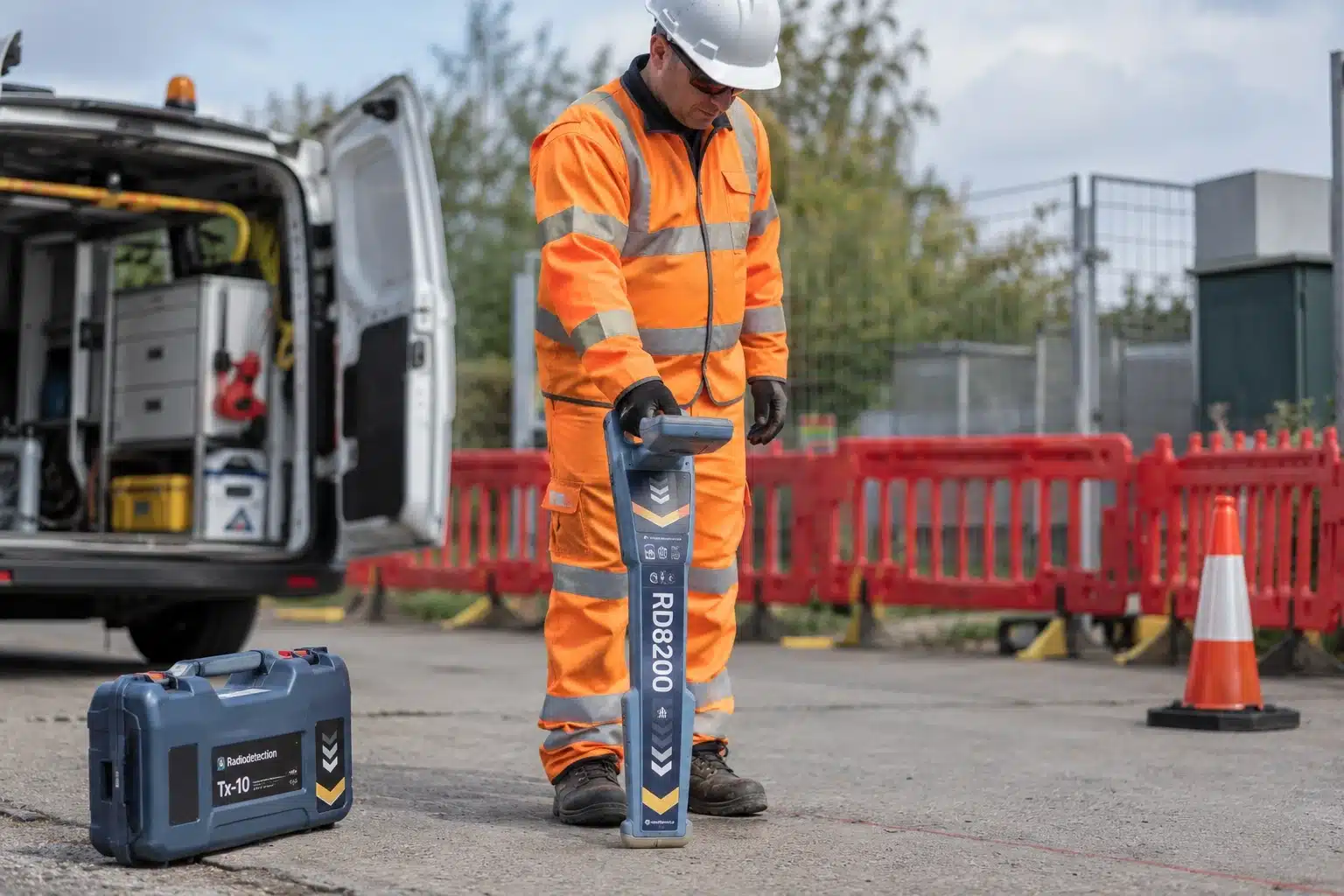
The rest of the locators handle tighter questions. A mouse tracks a matching sonde or transmitter along a pipe or drain; a cover detector turns up buried chambers rather than plotting cables. That split matters, because the wrong instrument hands you a confident-looking answer to a question you never asked.
Ground radar can bring another layer of survey detail on some Reading sites, but check it is available rather than take it as read. Reach for the detector that answers the question in front of you, is there a live cable here, where does this drain go, where is the cover, instead of grabbing the nearest tool.
Keep Environmental Monitoring in the Same Enquiry
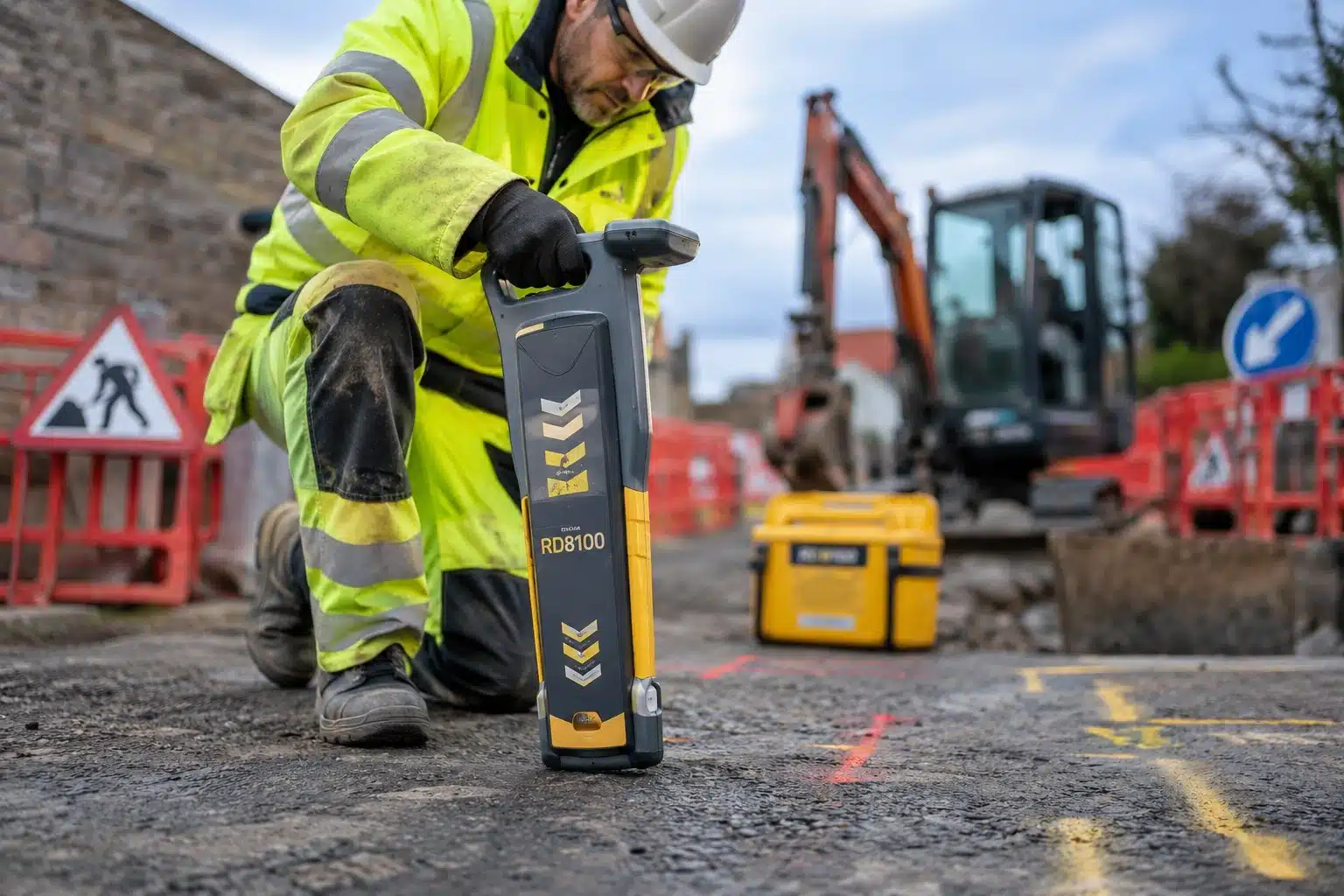
Noise, vibration and dust monitoring often go on beside detection during intrusive work, so it is worth raising the two in one call. What it asks for differs from locating: a logged record of exposure or environmental performance over a set period, which weighs more where occupied Reading premises and boundaries sit close.
Ahead of hiring, settle what is being measured, where the unit stands, the length of the recording, and whether you need a data download or a written report. The Reading Tool Rental Service team can then say whether the right monitoring instrument is free, so the measurement side is planned in rather than cobbled together once the work has started.
Turn the Survey Into an Excavation Method
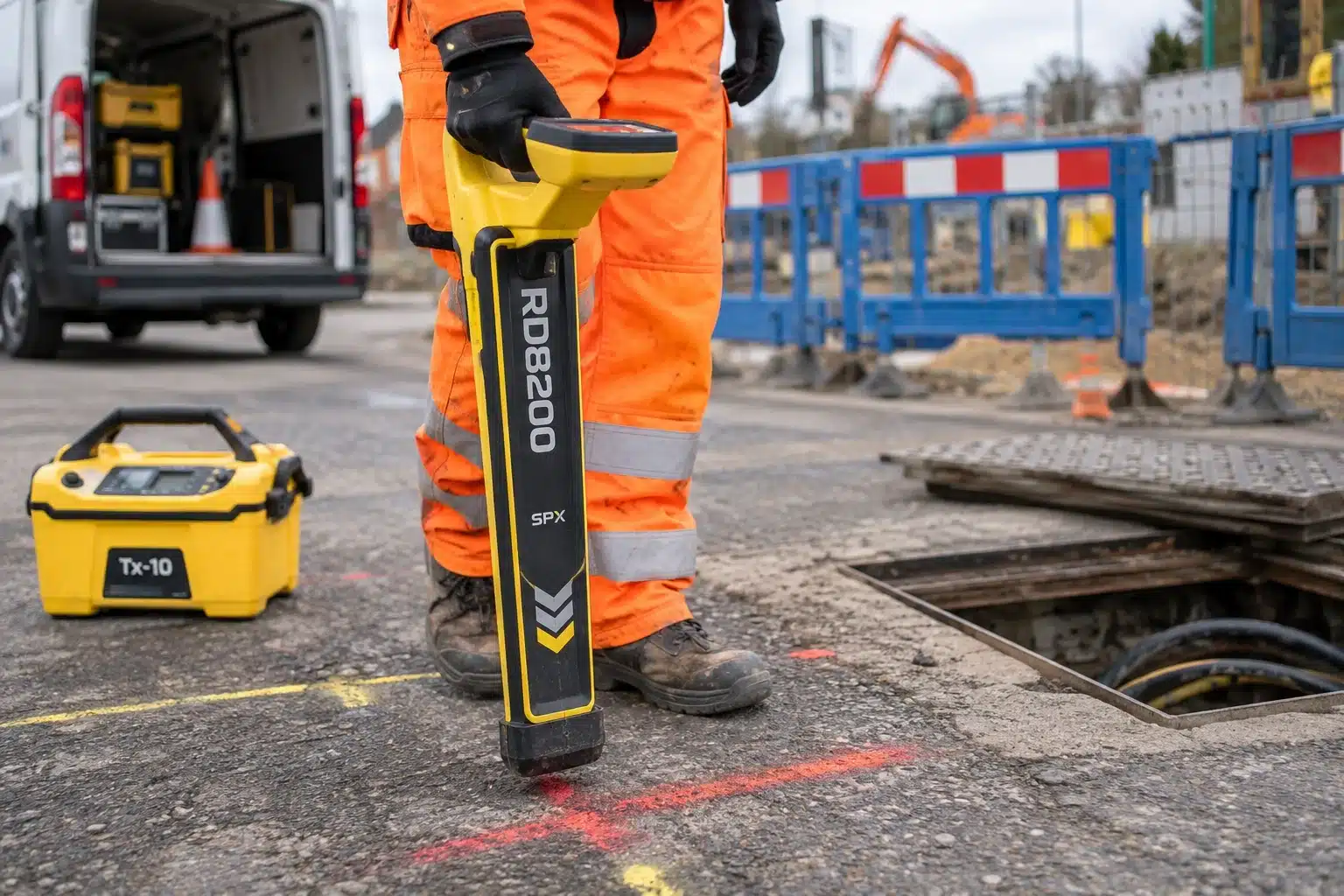
The survey only pays off when it changes how the ground is opened. Chalk the likely routes clearly, tell the people doing the digging, and hold the drawings or survey records where the site procedure wants them. Where signals disagree, drop away or point to several services crossing the work, stop and look rather than bending one reading to suit.
The machine may have to hold off while trial holes or another cautious method confirm what is down there, which happens a lot on older Reading ground where the records are thin. A clean scan does not license the digger; it is one input into a method that still respects what nobody has proven.






Tell the Reading Depot the Survey and the Work That Follows

Hand over the kind of service you are chasing, how big the survey area is and what work follows, so the conversation starts from the real problem rather than ‘a locator’. Note whether monitoring is wanted too, and for how long.
From there the team can confirm what is available for work across Reading and the Thames Valley. Call 0118 979 2828 before the dig is pegged out, so the detection, and any monitoring, is built into the job instead of tacked on once the machine has arrived.
Frequently Asked Questions - Monitor, Detector and Locator Hire in Reading, Berkshire
What is the practical difference between a CAT and a Genny?
The CAT is the receiver, picking up electromagnetic signals given off by buried conductive services. The Genny is the transmitter, putting or inducing a signal onto a chosen service so it stands out where passive listening alone falls short, which earns its place on a cluttered Reading street. Get the most from them by knowing which mode you are in, cross-reading the result against plans and what you can see on the surface, and never taking a single trace as gospel for exactly where a service lies before a spade goes in.
Does a clear scan mean it is safe to dig?
No. A locator can only do so much, and it will never prove ground is empty. Plastic pipes, faint signals, crowded services and connection points you cannot reach all trip it up, and old Reading ground often hides services that appear on no drawing. Read the traces alongside the plans, a good look at the surface, the site marks, and a dig method that allows for what you still do not know, and where a line is uncertain, sink a trial hole or work carefully by hand before any machine touches it.
Which locator do I actually need?
That turns on what you are after. The CAT and Genny follow buried conductive cables and services; a mouse pushes a sonde through a pipe or drain and is tracked from the surface; a cover detector picks out hidden chambers rather than drawing cable routes. Ground radar can layer on more survey detail at some sites, but treat it as a separate thing to confirm. Say what you need to locate and the depot can pair the tool to it instead of sending out a vague ‘locator’.
Can I hire noise, vibration or dust monitoring here too?
Yes, and it is worth bundling into the one enquiry, because monitoring frequently sits beside detection on intrusive jobs. It asks something different, though: a logged record of exposure or how the site performs over a fixed spell, sometimes with a data download or a written report, which counts where occupied Reading premises are close by. Set out what needs measuring, where the unit goes and for how long, and the depot can say whether the right instrument is free for your dates.
What UK rules apply before excavating near buried services?
The Construction (Design and Management) Regulations 2015 place duties on those planning and managing construction work, including the risks from underground services. You can read the official regulations at Construction (Design and Management) Regulations 2015 on legislation.gov.uk. Locator equipment supports that planning, but it should be used with drawings, competent assessment and an excavation method suited to the remaining risk, not relied on as proof the ground is clear.
Need monitor, detector or locator hire in Reading?
Explain what you need to identify, the survey area and the work that follows. Call Coppard on 0118 979 2828.