Lighting Hire in Reading, Berkshire
Lighting hire in Reading for work areas, access routes and larger sites. Coppard supplies 110V floodlights, festoon lighting and a towable light tower across Berkshire. Call 0118 979 2828 with the area, the hours the light is needed and the power on site.
Good temporary lighting covers the work and the way people reach it. On Reading refurbishment and fit-out jobs the trap is lighting the task brightly while stairwells, corridors and the route in stay dark. Start from where people will stand, walk and drive, and build the lighting and its supply around that instead of counting lamps.
Light the Routes as Well as the Work
On a Reading fit-out or refurbishment it is easy to light the immediate task and forget everything around it. A bright floodlight on the workface does nothing for the stairwell, the corridor or the entrance people use to get there, and those routes are where trips and falls happen after dark. Map where people move, work and park before choosing anything.
With the paths and the work zones marked out, the Reading Tool Rental Service can be fitted to them. The point is visibility across the whole area a person uses, not the single brightest pool at one spot, so plan the lighting around movement first and fittings second.
Floodlights, Festoon and a Tower Solve Different Problems
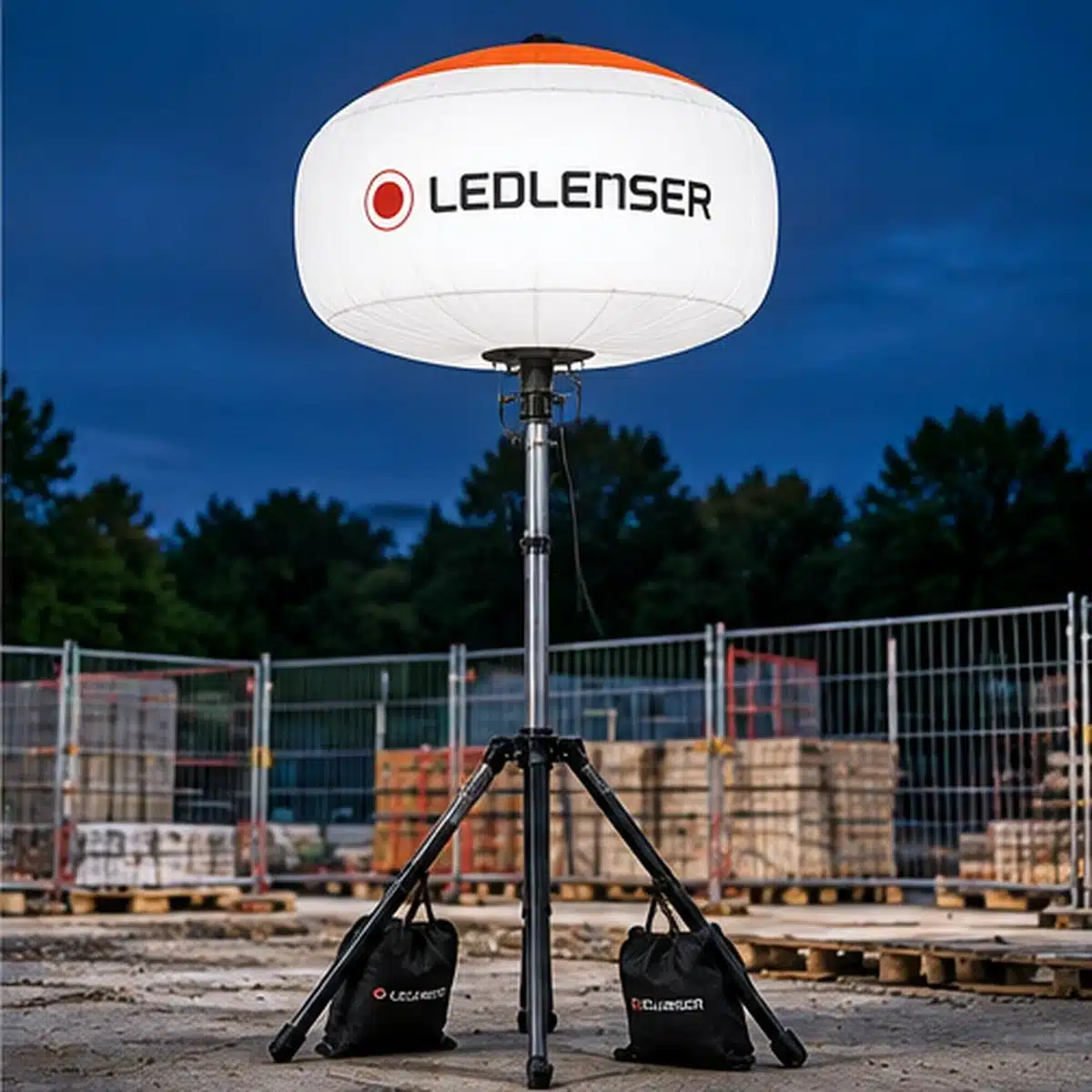
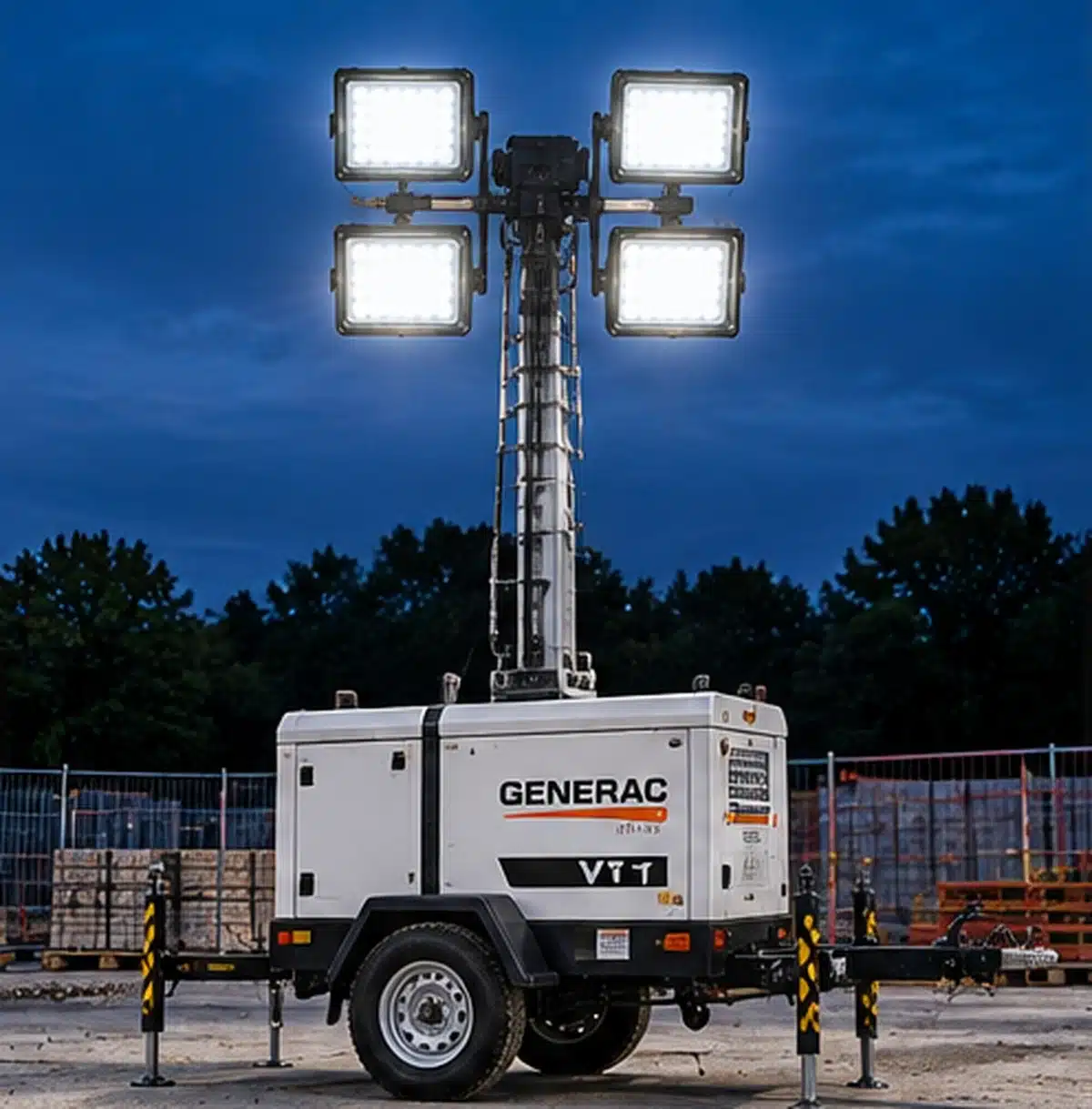
The range covers 110V single- and twin-head floodlights, festoon lighting and a towable four-head light tower, and each does a distinct job. A floodlight concentrates light on a task or a small area; festoon runs a line of light along a corridor, a row of rooms or a temporary walkway, which suits the linear layout of many Reading interiors; and the tower spreads light over a large outdoor footprint.
A mix usually beats one powerful source, because a single lamp leaves dark pockets behind partitions and plant. For a big open outdoor area lit from a mast, the towable light tower is the right route and this page links across to it; here the focus is the task and route lighting around a building or site.
Plan the 110V Supply With the Lamp Positions
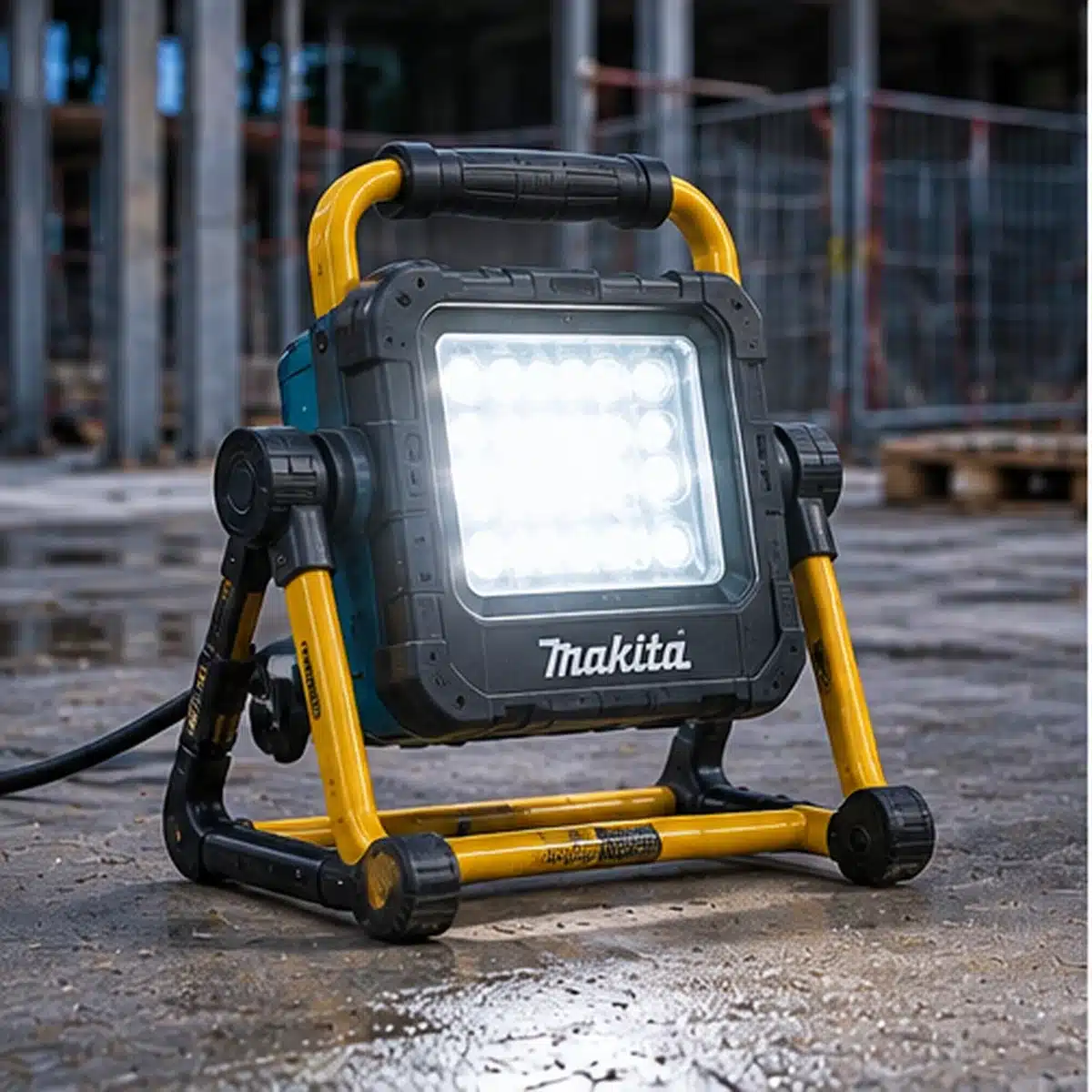
The floodlights run at 110V, so where they can go depends on the transformer, the available outlets and the lead routes. Put the lamps where they light the work and the routes, then check each cable reaches a supply without crossing a doorway, a wet patch or a busy walkway.
On a bigger Reading job it is usually neater to shift the supply point than trail long leads from one end, and worth totting up the load where tools draw off the same temporary feed. Planning the light and the power as one thing saves shifting cables around after the lamps are set.
Check for Glare, Shadow and What Happens if the Light Fails
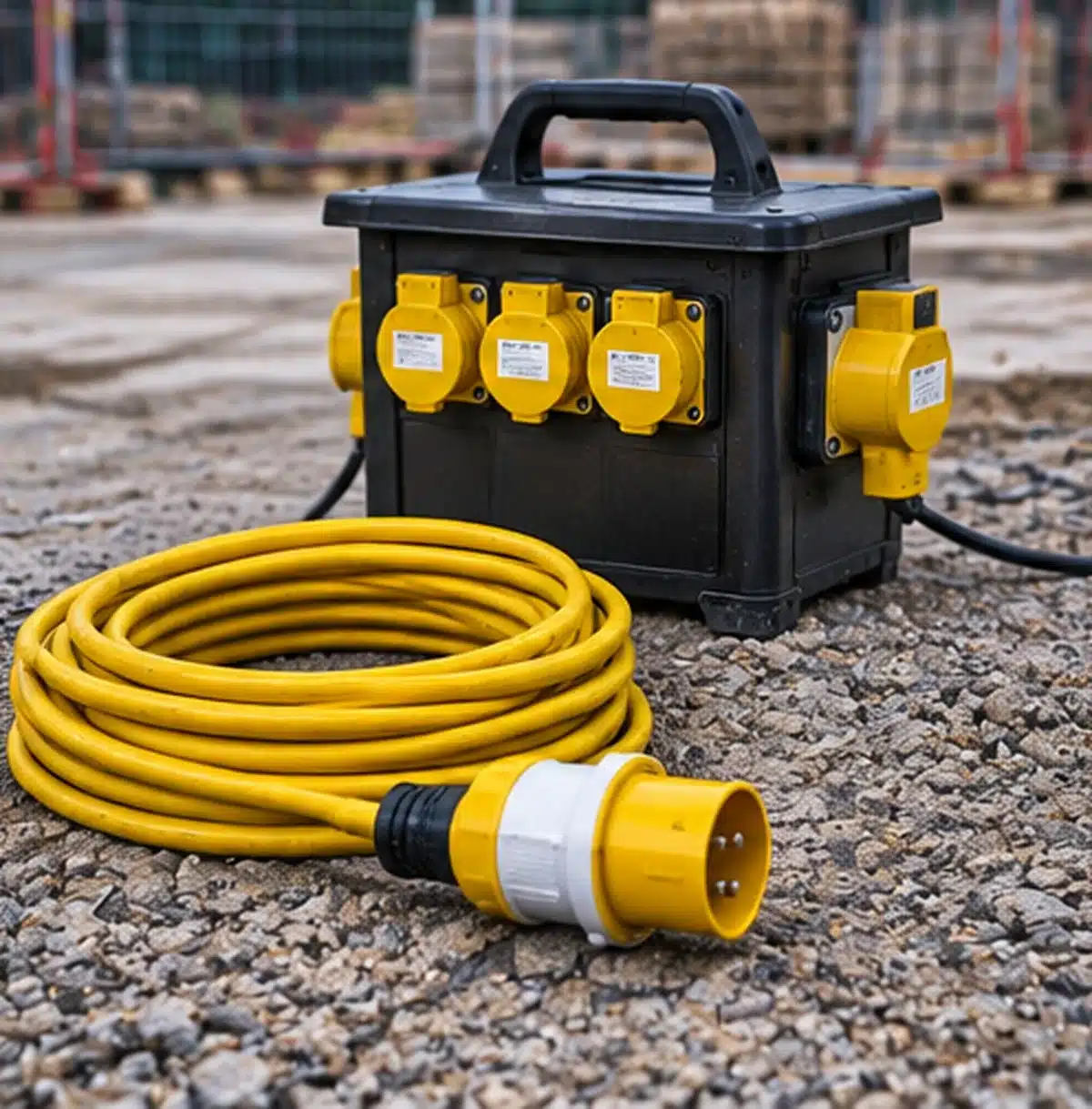
Brighter is not always clearer: a lamp shining into someone’s eyes or throwing a hard shadow behind a partition can make an area harder to use. Angle the fittings so that faces, steps, edges and any plant on the move can be seen from the way people come at them, and judge it after dark instead of trusting how it looked by day.
On a construction area, think too about what happens if the temporary lighting fails and darkness would leave people unable to get out or spot a hazard. Not every job needs a formal emergency system, but the plan should recognise where a failure would matter and reflect the hours and the work.






Tell the Reading Depot the Area, the Hours and the Power
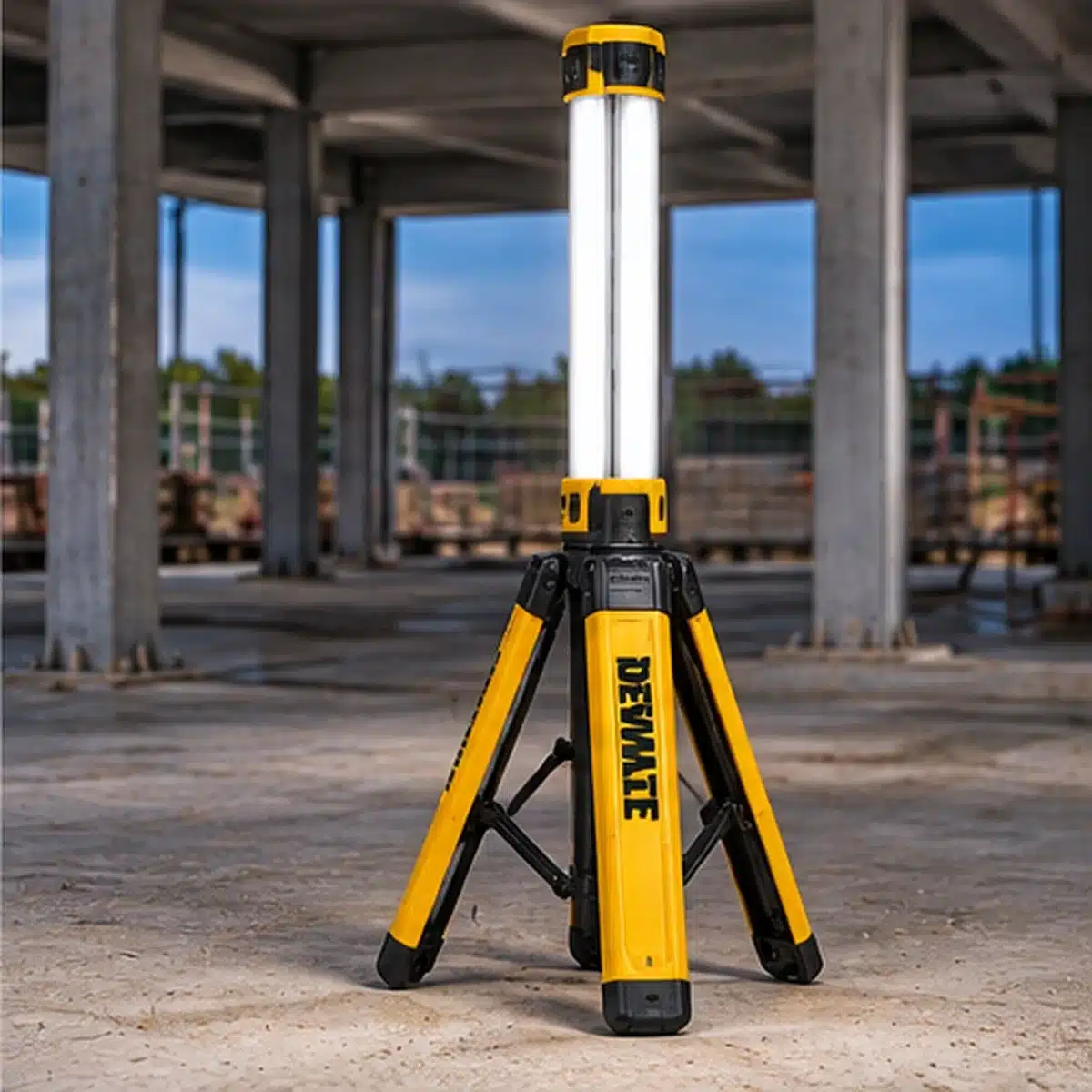
Give the rough footprint and layout, whether it is inside or out, how long into the dark the work runs, and what power is already on site. Flag vehicle routes, anything tall that blocks a beam, and any separate work areas that change where lamps can go.
That tells the team whether you want a couple of portable lamps or a wider run using festoon or a tower, and lets them confirm what is available across Reading and the Thames Valley. Call 0118 979 2828 when you know the zones and where the power sits, instead of ordering lamps by the dozen.
Frequently Asked Questions - Lighting Hire in Reading, Berkshire
Why light the access routes, not just the work?
The falls happen on the way to the job, not at it. Put all the light on the workface and the stairs, the corridor and the entrance stay black, which on a Reading refurb is precisely where someone goes over. Once you have marked every path people take, light those too. A single bright pool can actually make the route worse, since eyes set for the glare read the surrounding dark even less well.
When is festoon lighting the better choice?
When you need a line of light rather than a pool: down a corridor, through a run of rooms, along a temporary walkway. That strung-out shape fits a lot of Reading interiors, whereas a floodlight is for pinning light on one task or corner. Plenty of jobs use both. Decide from how people move through the space, because the brightest task lamp still leaves the walk to it in the dark.
Do the floodlights need a transformer?
Yes, they are 110V, so they want a 110V feed, normally off a transformer, which pulls the transformer spot, the outlets and the lead runs into the lighting plan. Set the lamps for coverage first and you can find the cable will not reach without crossing a doorway or a wet patch. Work out the fittings, the supply and the runs as one, particularly when tools are drawing off the same temporary feed.
Why check the lighting again after dark?
Because a fitting that seemed fine at noon can blind someone or throw a hard shadow once it is doing all the work. The only real check is walking the routes and standpoints people use at night with the lights on. Look at the steps, the edges, where vehicles come in and the way out, then shift any lamp whose glare or shadow is hiding a hazard instead of showing it. Set brightness without that walk and you can make a site harder to work.
What UK rule covers lighting on construction sites?
Regulation 35 of the Construction (Design and Management) Regulations 2015 requires sites, approaches and traffic routes to have suitable and sufficient lighting, with emergency lighting where a failure of artificial lighting would create a risk. You can read the official regulation at CDM 2015 Regulation 35 on legislation.gov.uk. A temporary hire should therefore cover the access routes and a foreseeable failure, not just the brightness at the task.
Need lighting hire in Reading?
Tell us the area, the hours light is needed, indoor or outdoor, and the power available. Call Coppard on 0118 979 2828.