Heating Equipment Hire in Reading, Berkshire
Heating equipment hire in Reading to warm welfare cabins, hold frost off refurbishment work, run drying programmes and keep sites working in the cold. Coppard’s range across Berkshire covers propane space heaters and radiant heaters. Call 0118 979 2828 with the space, the ventilation, what the heat is for and the fuel or power on hand.
The right heater starts from the space and the reason for it, not the kilowatts. Taking the chill off a welfare cabin, holding frost away from a bare refurbishment and running a measured drying programme are three separate demands, and the fuel or power at the point can rule choices out before size matters at all. Work out first whether you are warming people, air or materials.
Are You Heating People, Air or Materials?
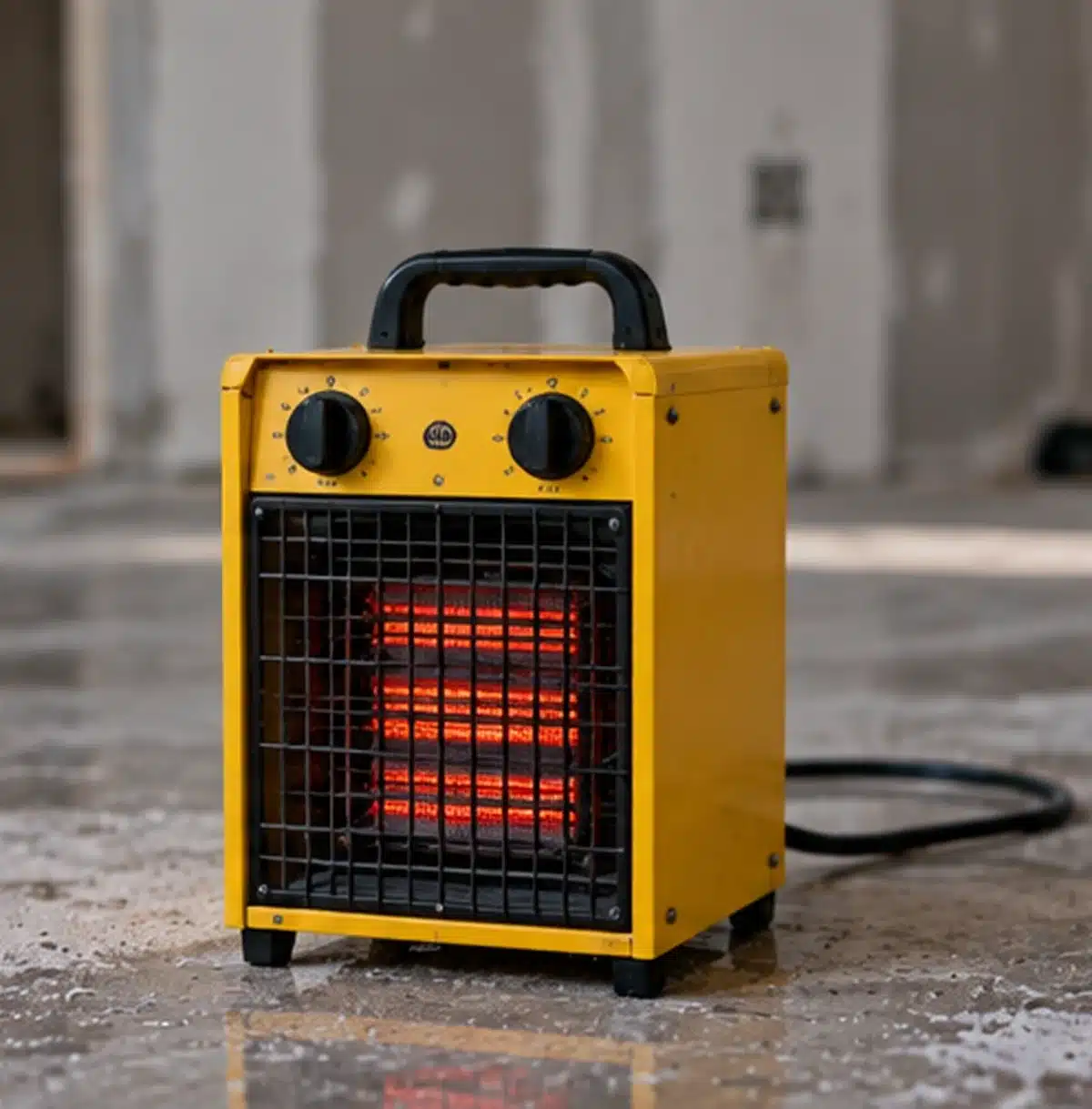
Pick the heating for the result, not the room. A welfare cabin usually just wants to feel comfortable to work in; a stripped-out refurbishment wants broad background warmth; a drying job wants steady, controlled heat held for longer. Radiant heaters are a case apart, aiming warmth straight at people or surfaces instead of warming every cubic metre of air.
Those distinctions fix where the unit goes, how long it runs and which fuel or supply makes sense. Instead of naming a size, set out the space, open or enclosed, and what the heat is for. On a Reading job with people about, that is what keeps the choice proportionate rather than reaching straight for the highest output on offer.
Fuel Type Changes the Whole Site Plan
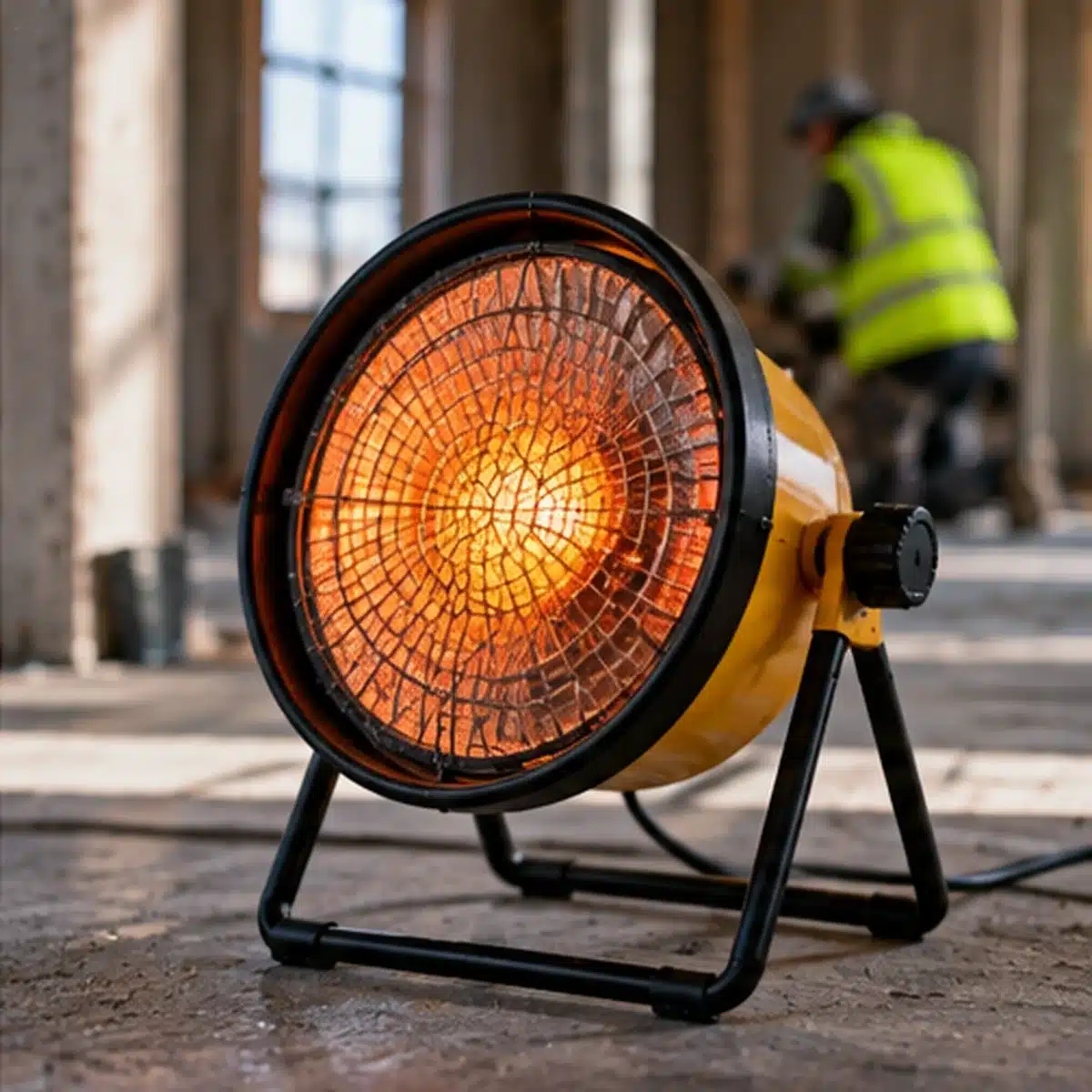
How you plan the area depends on the type of heater. The Coppard heating equipment range covers propane space heaters and radiant heaters, and anything fuel-fired raises what a plug-in unit does not: air changes, where the cylinder or fuel sits, distances to anything that can burn, and where the exhaust goes. An electric unit avoids all that but has to be fed and distributed instead.
What works in a big, airy Reading construction space can be entirely wrong in a small occupied room, and a radiant heater comes into its own where only one defined area needs the warmth. Check the actual heater supplied and work to its own operating instructions, rather than assuming every temporary heater behaves the same in the same conditions.
Drying Is Temperature and Moisture Together
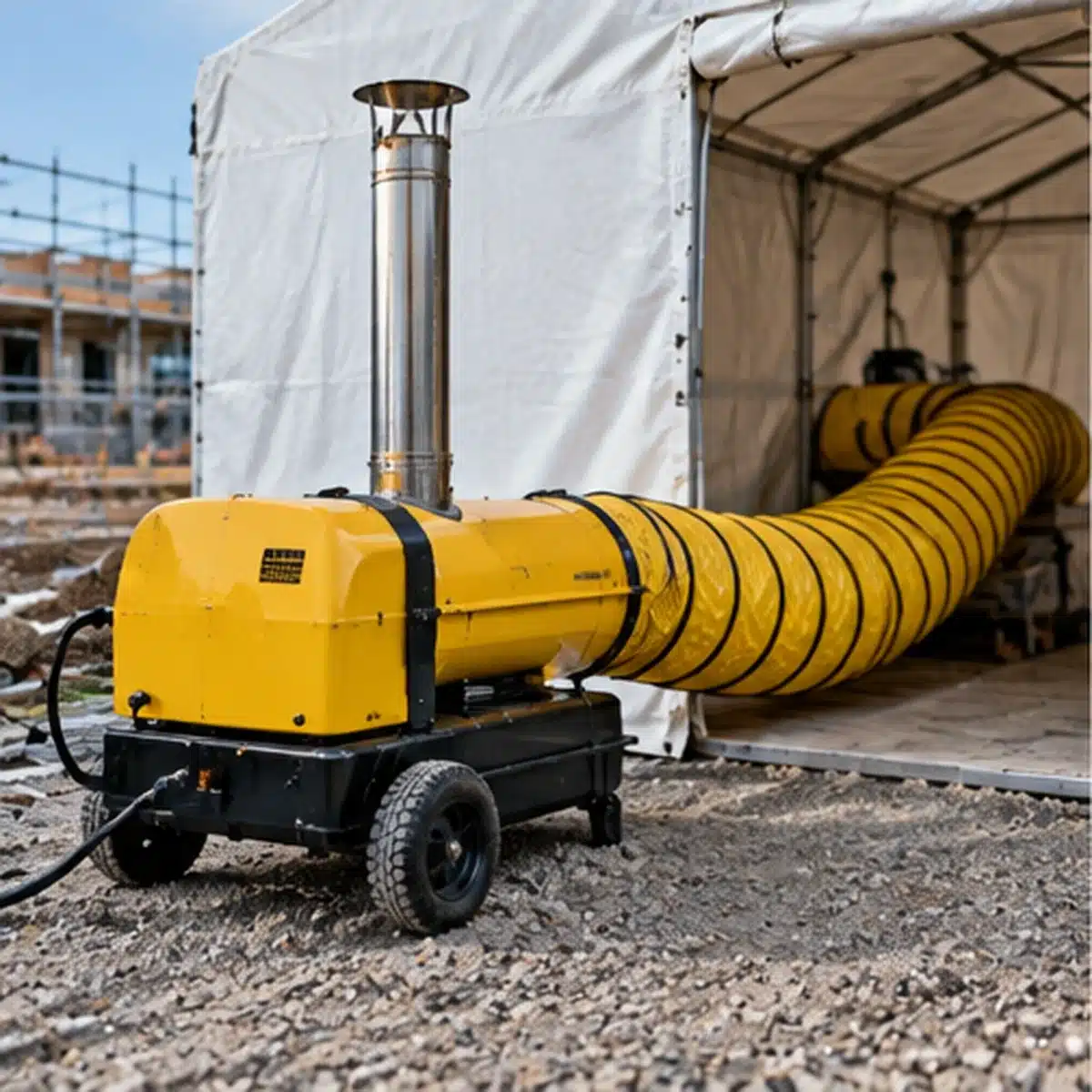
Heat can push a drying job forward, but warming a room is not the same as taking water out of it. Warm air draws moisture out of plaster, screed or fabric, yet that moisture then has to leave the space or be captured, so ventilation or a dehumidifier is often as important as the heater itself. The materials set their own limits, since screeds, coatings, plaster and concrete each cure and release water in their own way, and piling on excessive or patchy heat tends to spoil the result.
Set the temperature together with the air movement and the humidity, not in isolation. Where a maker specifies curing or drying conditions for the finish going on next, work to those. Hired through the Reading Tool Rental Service, the heater is one element of a Reading drying plan rather than the whole of it, and what you want is steady progress, not simply a warmer room.
Site the Heater to Warm the Work, Not Block It
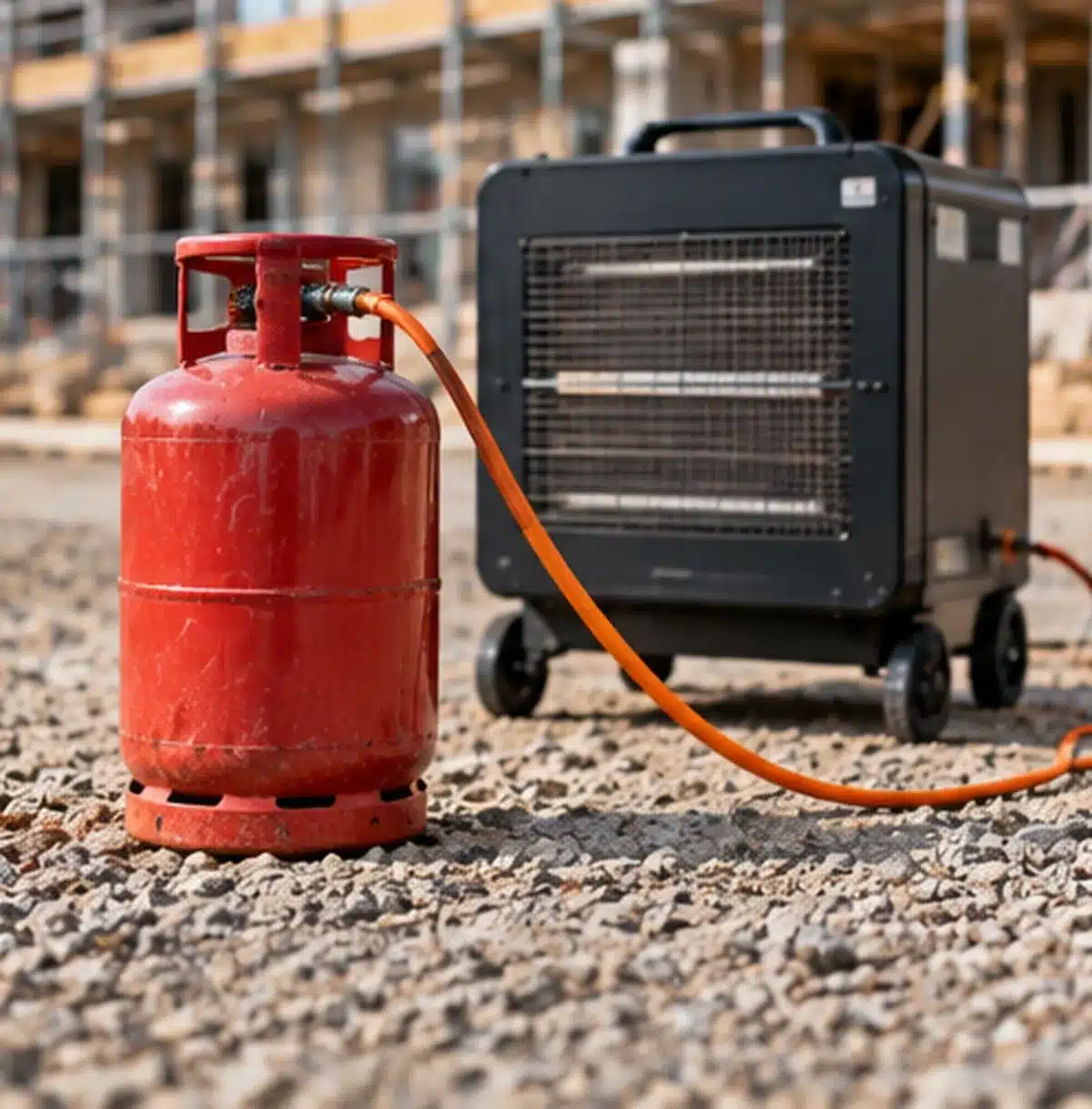
Where the heater stands is worth deciding before it is lit. It needs a sound surface and clear space around it, and the hoses, leads and hot-air outlet must not become fresh trip or access hazards for people or plant. Do not set it somewhere materials will be stacked around it as the shift goes on, and do not let the nearest socket dictate a poor position.
It should warm the working area without sitting across routes, exits or access to other kit. Where the heat is meant for one part of a bigger Reading building, mind the doors, the openings and the air movement so the warmth is not just bled off into space nobody is using. A quick plan for the position, the supply run and the hours it runs makes temporary heating both safer and more effective.






Arrange Temporary Heating from the Reading Depot
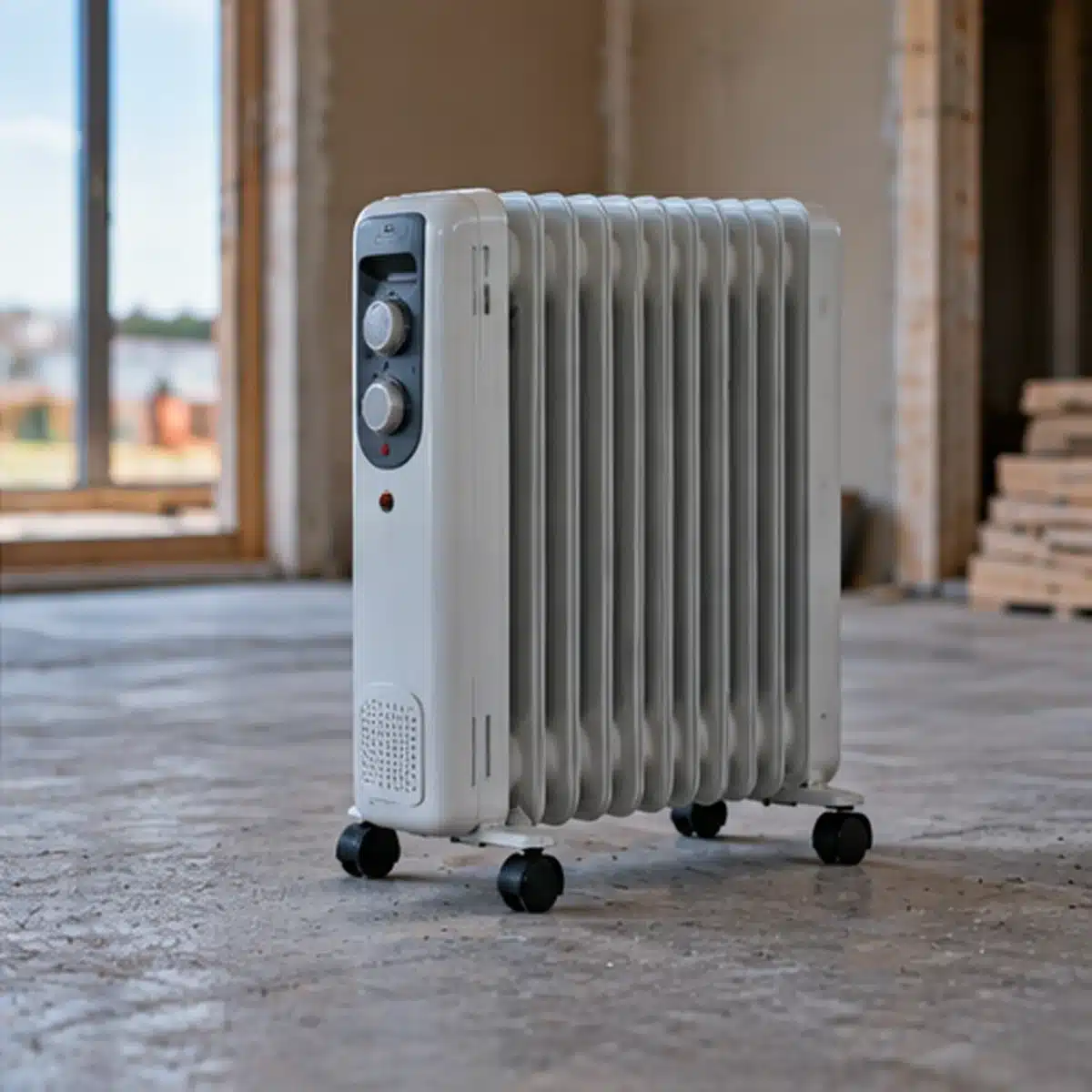
When you arrange heating, give the size and state of the space, not just a target temperature. Say whether it is occupied, how well ventilated it is, what power or fuel is on hand, and whether the point is comfort, frost protection or drying. Those details narrow the current options and flag anything that still needs confirming against stock.
For work across Reading and the Thames Valley, call 0118 979 2828 with the hire period and any access limits before the equipment is booked in. A clearly defined requirement beats asking for the largest heater, because the output, the environment and the way it is run all have to fit together.
Frequently Asked Questions - Heating Equipment Hire in Reading, Berkshire
What should I tell you before hiring a heater?
Set out the space rather than a bare figure: how large, open or enclosed, occupied or not, how well it ventilates, and what fuel or power is on hand. Then the purpose, comfort, frost protection or drying. From that the Reading depot fits the current options to the job and flags anything to confirm against stock, instead of reaching for the biggest output on the shelf.
Can temporary heaters dry out screed or plaster?
They can help drive drying, but warming the room does not remove the water. Warm air speeds evaporation, yet that moisture still has to get out of the space or be captured, so ventilation or a dehumidifier frequently counts as much as the heat. Materials limit it too: screeds, plaster, coatings and concrete each cure and release moisture their own way, and heavy or patchy heat can cause trouble rather than safely shortening a Reading drying job.
Should heating and dehumidification be used together?
On plenty of drying jobs, yes. Heat coaxes moisture out of the material while the dehumidifier takes it out of the air, so the pair work well planned together. The right mix depends on the building, how wet it is and what the next finish needs. Handle temperature, air movement and humidity as one programme rather than leaning on the heater alone, which is what keeps a Reading drying job even rather than forced.
Does the fuel type change how the heater can be used?
Yes, considerably. A gas or fuel-fired heater brings questions of ventilation, fuel storage, clearances and where the exhaust goes; an electric one instead needs its own supply and distribution. A unit that suits a big, airy Reading construction area can be wrong in a small occupied room, and a radiant heater helps where only a set zone wants warmth. Confirm the actual heater and work to the operating instructions that come with it.
What UK rules apply to gas-fired heating equipment at work?
Where the heater burns gas, the Gas Safety (Installation and Use) Regulations 1998 apply, placing duties on the safe installation, upkeep and use of gas appliances. The text is at Gas Safety (Installation and Use) Regulations 1998 on legislation.gov.uk. On top of that, keep the heater well away from anything that can catch, hold to the clearances the maker states, and make sure a fuel-burning unit has the ventilation it needs to burn safely.
Need heating equipment hire in Reading?
Give us the space you are warming, whether the aim is comfort, frost protection or drying, and the fuel or power on hand. Call Coppard on 0118 979 2828.