Grinder Hire in Reading, Berkshire
Grinder hire in Reading for metalwork, masonry and concrete floor preparation. Coppard supplies handheld grinders, a petrol floor grinder and a floor multiplaner across Berkshire. Call 0118 979 2828 with the surface, the size of the area and the finish you are after.
It is easier to choose a grinder by the surface and the outcome than by the tool. Trimming steel in a Reading fabrication job, dressing a stone edge, and taking an old coating off a warehouse floor are three different tasks that happen to share the word grinding, and each pairs a particular machine with a particular disc or head.
Three Surfaces, Three Set-Ups
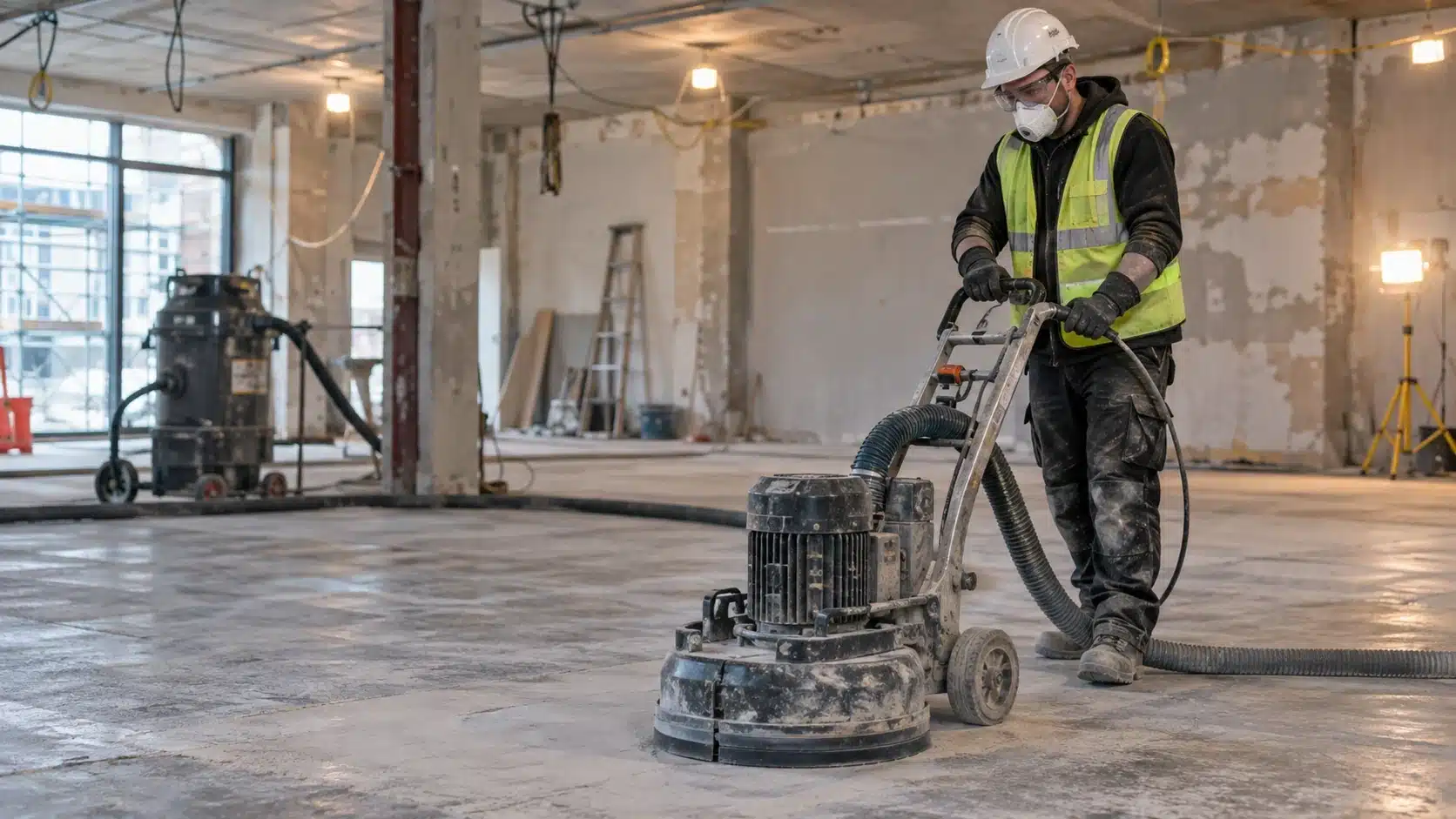
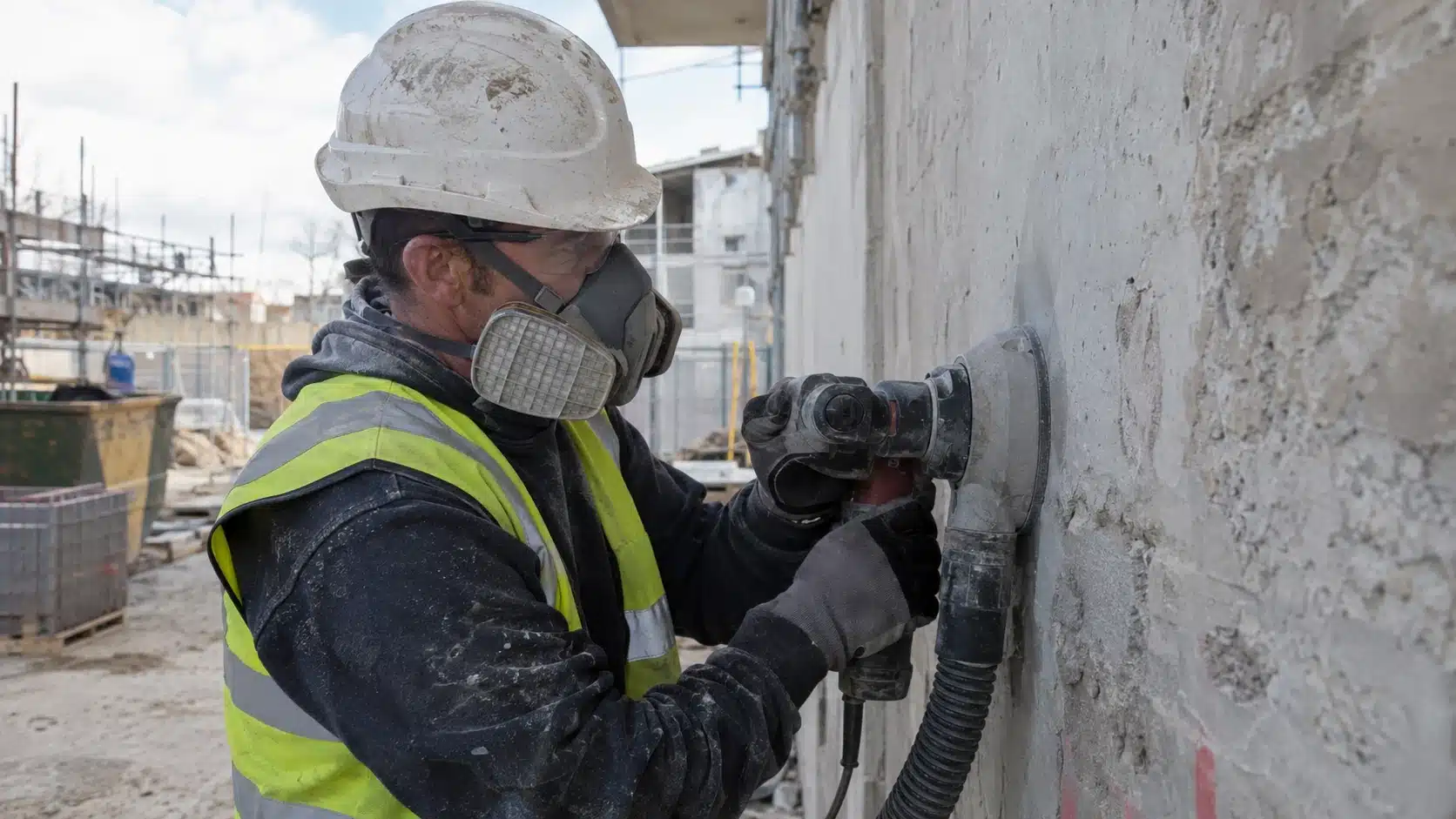
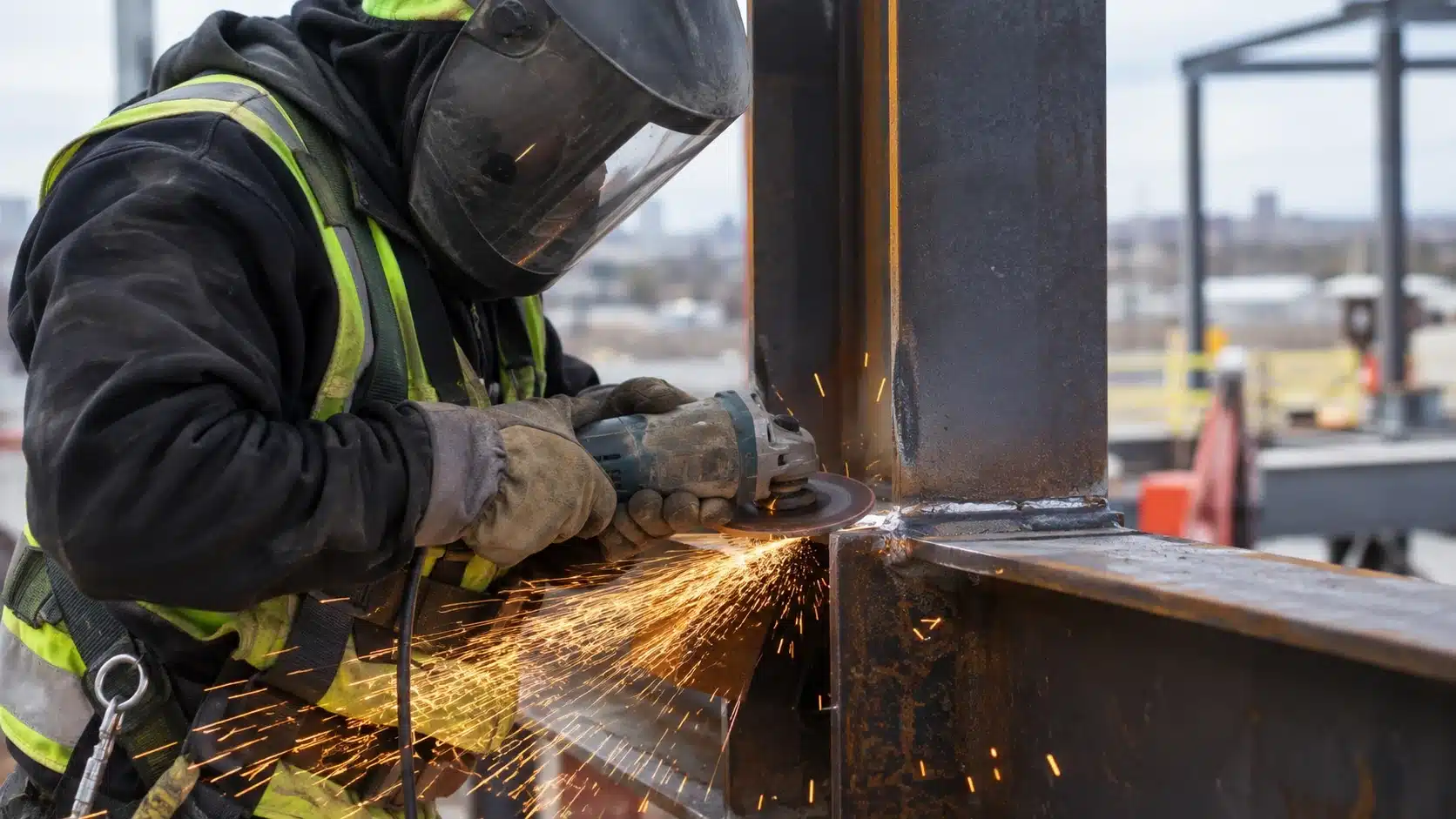
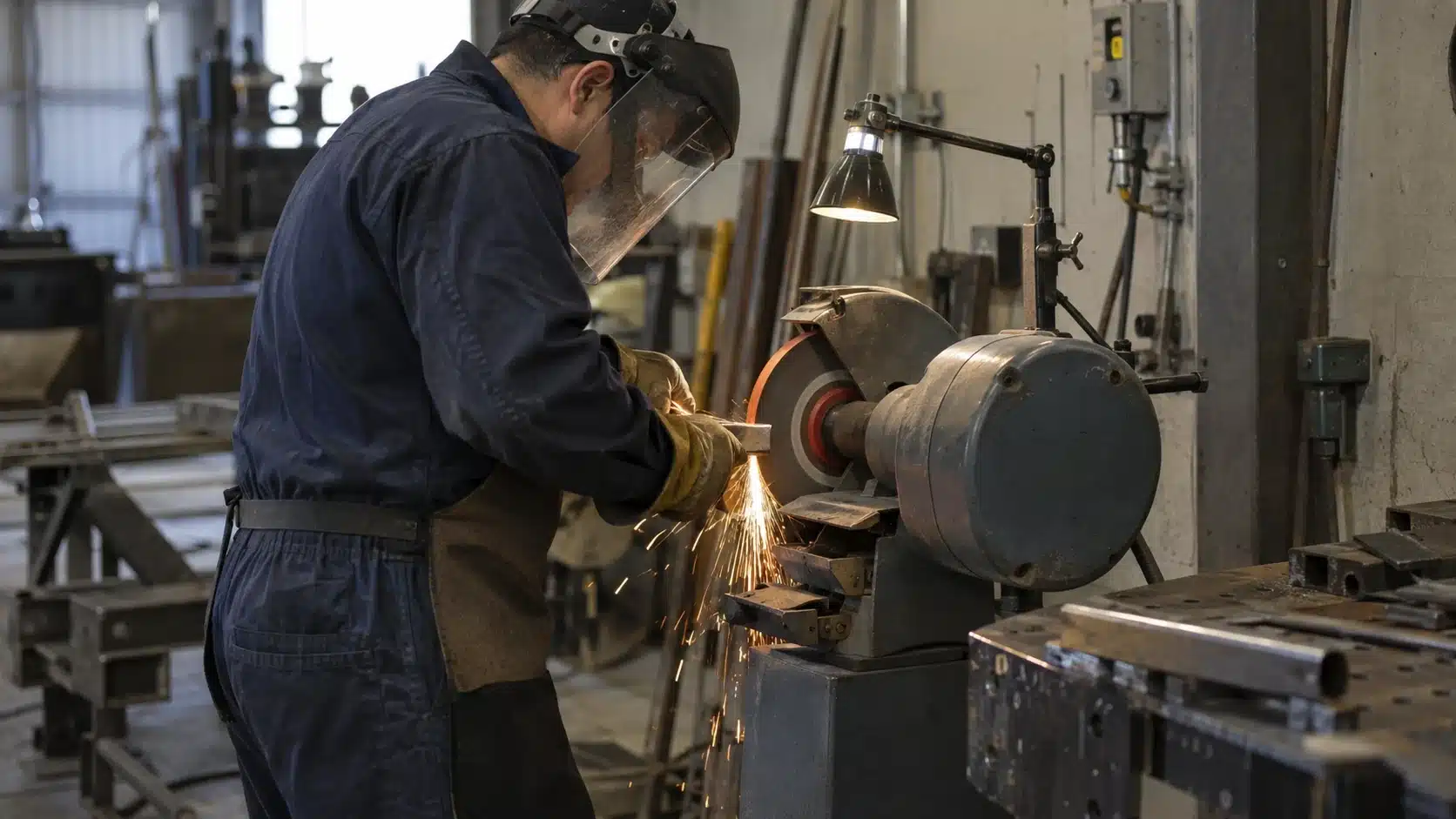
Think of grinding as three broad tasks. On metal it is usually a handheld machine cutting, trimming or dressing a weld with a disc chosen for steel. On masonry or stone it is again handheld, but with a different abrasive and a lot of dust to manage. On a concrete floor it is a walk-behind machine covering a large area evenly, which is a different job altogether.
The Coppard grinders collection carries handheld grinders for the first two and a petrol floor grinder plus a floor multiplaner for the third. Naming the surface and the outcome, rather than a disc size, is what points you to the right one of those and away from trying to prep a whole floor with a 9-inch angle grinder.
Floor Work Wants a Floor Machine
For anything more than a patch of concrete, the walk-behind machines earn their keep, and the Reading Tool Rental Service lists a petrol floor grinder and a floor multiplaner. They hold the head flat and consistent across the slab, which is what you need for taking off laitance, keying a surface before a coating, grinding down joints or lifting an old finish in a Reading unit.
A handheld grinder can do a corner or an edge a floor machine cannot reach, but running a whole floor off one is slow, uneven and hard on the operator. Match the machine to the area: floor machine for the field, handheld for the perimeter and the detail, rather than forcing one to do both.
The Disc or Head Decides the Result
The body of the grinder matters less than what turns on it. A cutting disc, a grinding disc, a diamond blade and a dedicated floor head are each made for a material, an operation and a speed range, and swapping one for another changes the cut depth, how fast it removes material and the finish you end up with.
So tell the depot the surface, steel, masonry, stone, bare or coated concrete, and whether you are cutting, profiling, cleaning or preparing for a new finish, and check how consumables and wear are charged. A capable machine with the wrong disc is slow, wears fast and can leave a surface the next coating will not take.
Sparks on Metal, Dust on Stone and Concrete
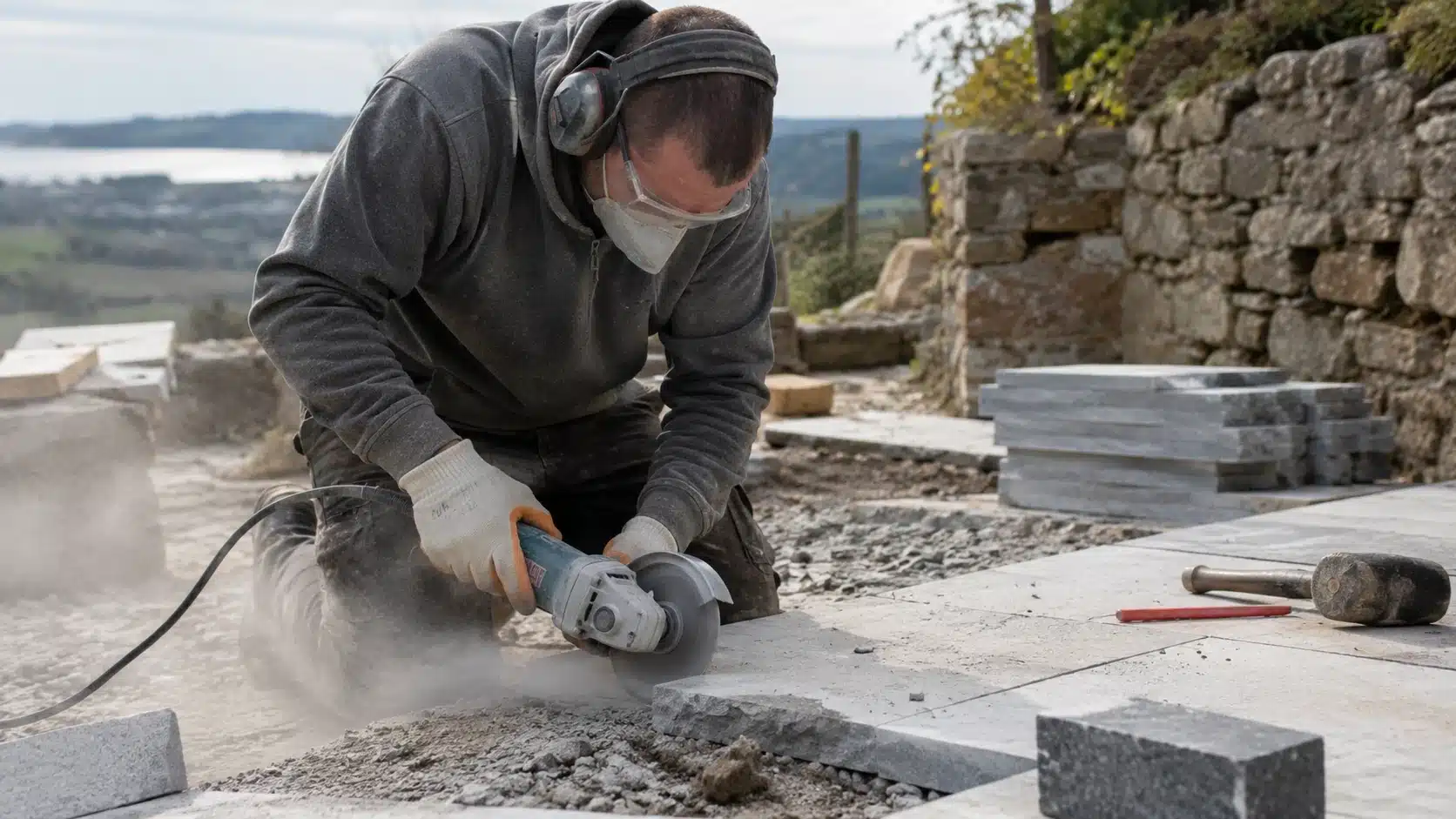
The by-products shape where you can work. Metal grinding throws sparks and hot fragments, so combustibles, other trades and finishes nearby have to be cleared or screened, which needs thought on a shared Reading site. Masonry and concrete grinding makes fine dust that has to be controlled at source, and a floor grinder is far easier to run with extraction than a handheld machine kicking dust up across an occupied unit.
For detail work watch the guard position, the lead route and whether the operator keeps full control through the cut, since awkward overhead grinding makes the machine’s weight matter more than its disc size. Sort the exclusion and the dust or spark control before starting, not once it has spread.






Tell the Reading Depot the Surface, Area and Finish
Give the material, the size of the area and the state you need it in when the job is done. Keying a slab before resin is a different request from cutting steel sections or dressing a stone edge, so say whether the work is flat floor, vertical or edge, and whether you need extraction or a particular disc or head.
Coppard can then confirm the handheld or floor machine and the accessories for work across Reading and the Thames Valley. Call 0118 979 2828 before collection, especially where a specific disc size or floor head is central, so it is checked against current stock rather than assumed.
Frequently Asked Questions - Grinder Hire in Reading, Berkshire
Do I want a handheld or a floor grinder?
Match it to the surface and the area. Metalwork and masonry or stone edges are handheld jobs; preparing more than a patch of concrete floor is a walk-behind job, because a floor machine holds the head flat and even across the slab. A handheld grinder still does the corners and edges a floor machine misses. So on a floor you often want both, the floor machine for the field and a handheld for the perimeter, rather than running the whole thing off one tool.
Can I use the same disc on steel and on concrete?
No, not safely or well. Cutting discs, grinding discs, diamond blades and floor heads are each made for a material, an operation and a speed range, and the accessory sets the cut depth, the removal rate and the finish. Tell the depot the surface, steel, masonry, stone, bare or coated concrete, and whether you are cutting, profiling, cleaning or preparing for a finish, and only fit an accessory approved for that grinder and that job rather than choosing by diameter.
What does the floor grinder actually do?
It walks across a concrete floor holding an abrasive or diamond head flat, so it takes off laitance, keys a surface before a coating, grinds down joints or lifts an old finish evenly across a large area. That consistency is the point, and it is far easier to run with dust extraction than a handheld machine. For a whole Reading floor it beats an angle grinder on speed, evenness and dust, though you will still want a handheld tool for the edges.
What should I plan before grinding a coated floor?
Work out what the coating is and the finish you need afterwards, because full removal, keying or local repair each point to a different head and number of passes on the floor grinder or multiplaner. Plan the dust extraction and the waste from the start, particularly in an occupied Reading unit. If nobody is sure what the existing coating is, it may need checking before you grind it, rather than assuming every finish comes off the same way.
What UK rules cover vibration from handheld grinders?
The Control of Vibration at Work Regulations 2005 require employers to assess and control hand-arm vibration, which is significant with handheld grinding. The official text is at Control of Vibration at Work Regulations 2005 on legislation.gov.uk. The machine chosen, the accessory’s condition, the time on the tool and whether a floor machine could cover the larger areas all affect exposure, so plan the method before the work starts rather than dealing with it afterwards.
Need grinder hire in Reading?
Tell us the surface, whether you are cutting or preparing a floor, the area and the finish. Call Coppard on 0118 979 2828.