Extension Lead Hire in Reading, Berkshire
Extension lead hire in Reading for temporary power to tools, task lighting and site equipment. Coppard supplies 110V and 240V leads up to 25 metres across Berkshire and the Thames Valley. Call 0118 979 2828 with the load, the run and the voltage, so the cable suits what it has to feed.
Most extension-lead problems start with the load, not the length. A cable can reach the work perfectly and still be wrong if it feeds the wrong voltage, carries more current than it should, or runs across ground that damages it. On damp riverside plots or busy Reading fit-outs, where the cable goes matters as much as how far it reaches. Work out what is being powered first.
Start With the Load the Cable Has to Carry
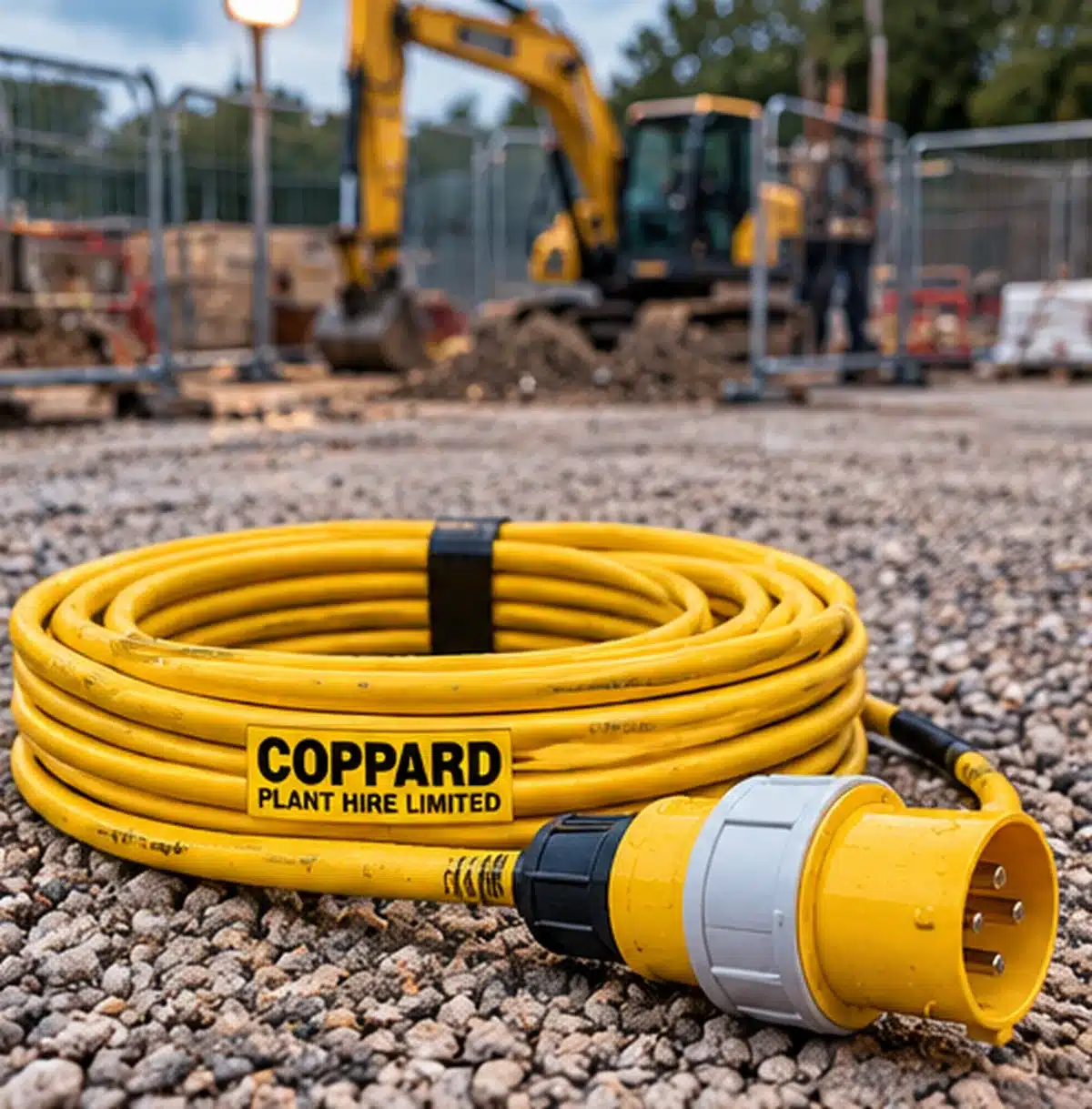
Before length comes the load. Work out what the lead will feed, its voltage and how much current it draws, because those decide whether a cable is suitable at all. A single hand tool is undemanding; a heater, a pump, a compressor or several tools on one supply pull far more, and a cable chosen only for reach can be working harder than it should. Note the voltage of each item, since 110V and 240V equipment need the right cable and connector, not an adaptor bodged in.
If more than one tool shares the supply, work out what runs at the same time rather than treating each lead alone. A Reading fit-out where drills, task lights and a vacuum all run off one temporary point is a different sum from a single tool on a quiet plot. Give the depot the equipment list and the cable can be matched to the real demand, not guessed from the distance.
Route the Cable Before You Commit to a Length
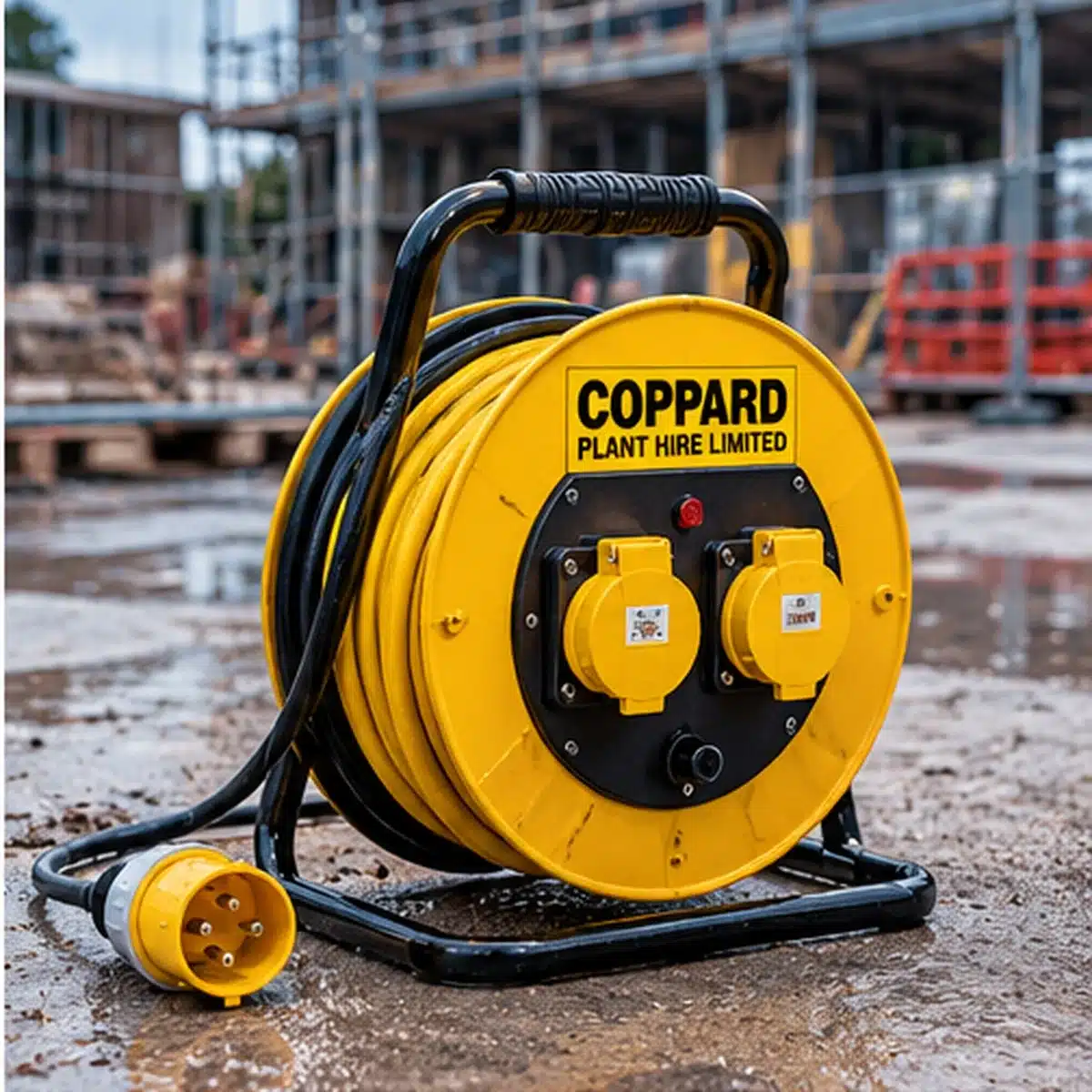
The Coppard extension lead listing covers 110V and 240V cables up to 25 metres. More length looks convenient, but every extra metre is more cable to route, protect and coil away, so plan the run before choosing it. Walk the line from socket to tool and look for the things that damage cables: vehicle crossings, doorways that trap them, sharp steel edges on a fit-out, and standing or running water.
Reading’s low-lying riverside and Thames-corridor sites can leave ground wet long after rain, and a lead lying in a puddle or across a flooded trench is a hazard a longer cable does not solve. Where a run has to cross traffic or a wet area, cable protection or a nearer supply point beats laying more cable unprotected. Fit the length to a safe route, not the route to a convenient length.
Choose Distribution Over a Chain of Leads
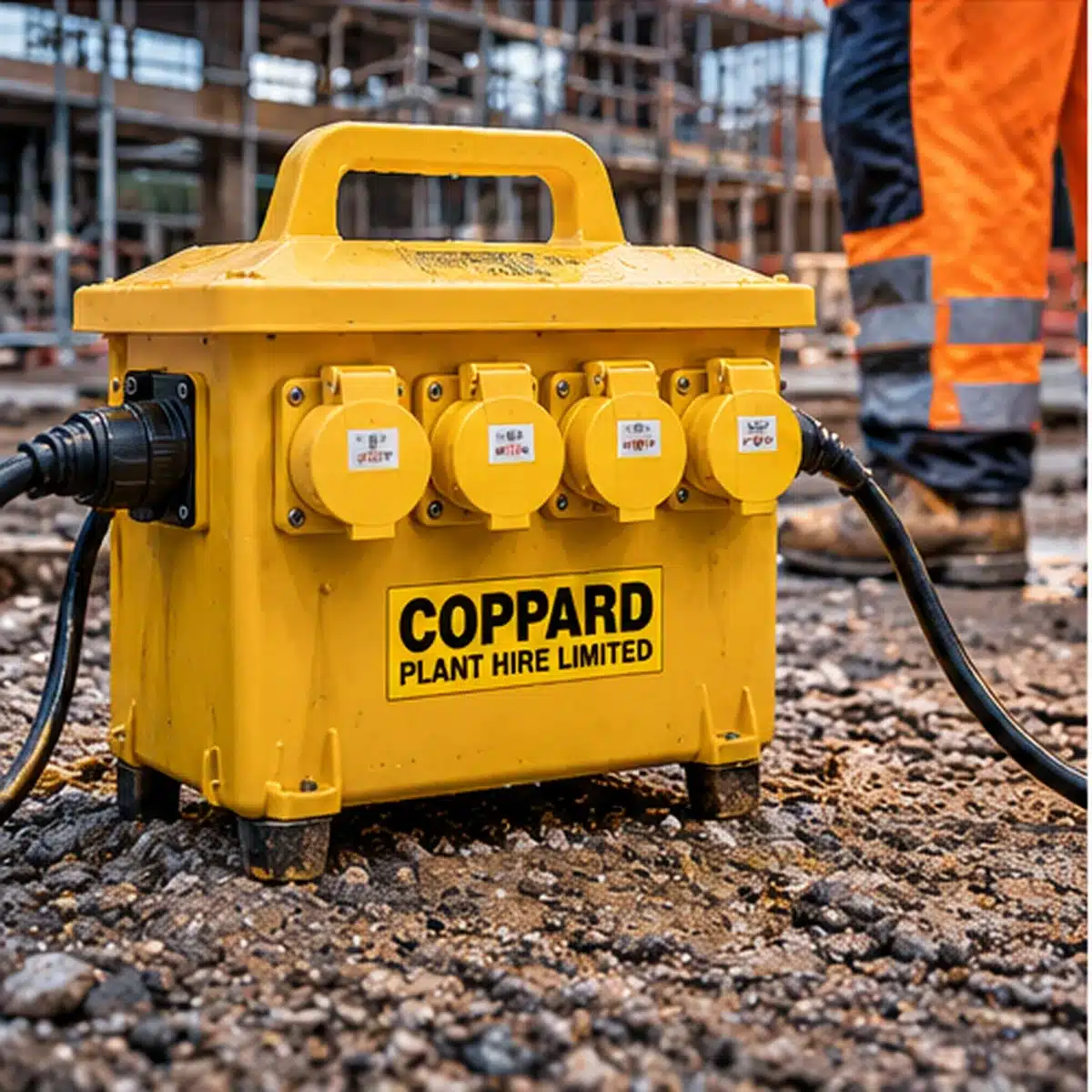
When one lead will not reach, the instinct is to join another, and another. Each junction is a new point that can pull apart, get wet or be damaged, and a long daisy-chain is harder to inspect and more likely to trip someone. On a bigger Reading job with several trades in one area, a temporary distribution point or a transformer moved closer to the work is usually cleaner than cables branching from a single socket.
Think about how the supply follows the work, too. As a fit-out moves between floors of a Reading office or units on an estate, it is often better to relocate the supply position than to keep extending from the original point. Fewer, shorter, well-routed leads beat a sprawling chain every time, for safety and for keeping the job moving.
Damp Ground and Occupied Buildings Change the Set-Up
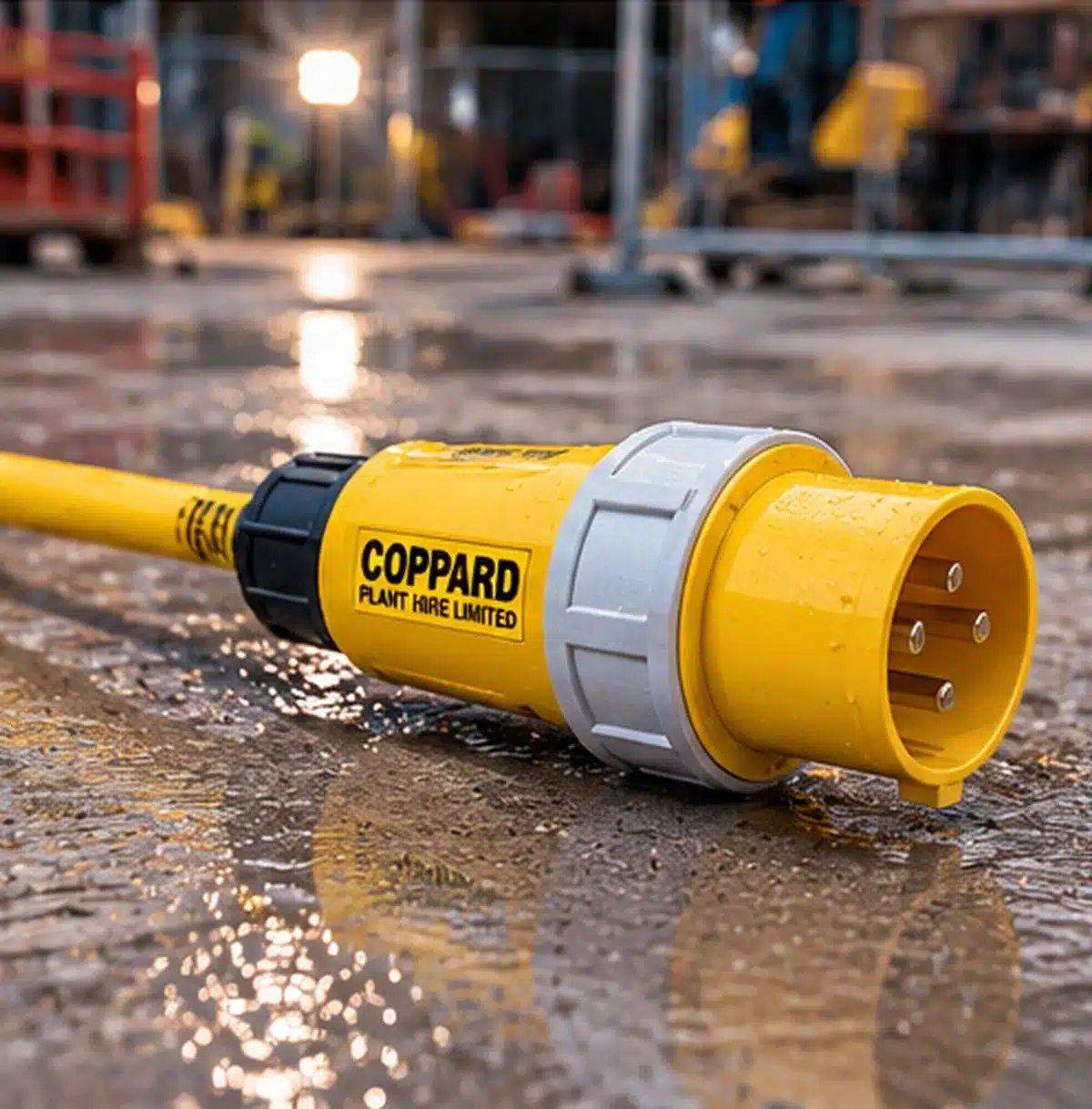
Two conditions are common around Reading and worth planning for. The first is water: riverside plots, sites near the Thames and Kennet, and ground that drains slowly all raise the chance of a lead sitting in the wet, so keep runs up off saturated ground and route them clear of ponding. The second is occupied premises: much of Reading’s work is refurbishment and fit-out in buildings still in use, where a trailing lead across a corridor or fire route is both a trip hazard and an obstruction for the people using the space.
In an occupied building, plan the route so cables do not cross walkways, doorways or escape routes used by others, and keep them tidy at the end of each day rather than left sprawled. The correct cable is only half the job; a run that suits a wet plot or a live building is the other half.






Give the Reading Depot the Load and the Route
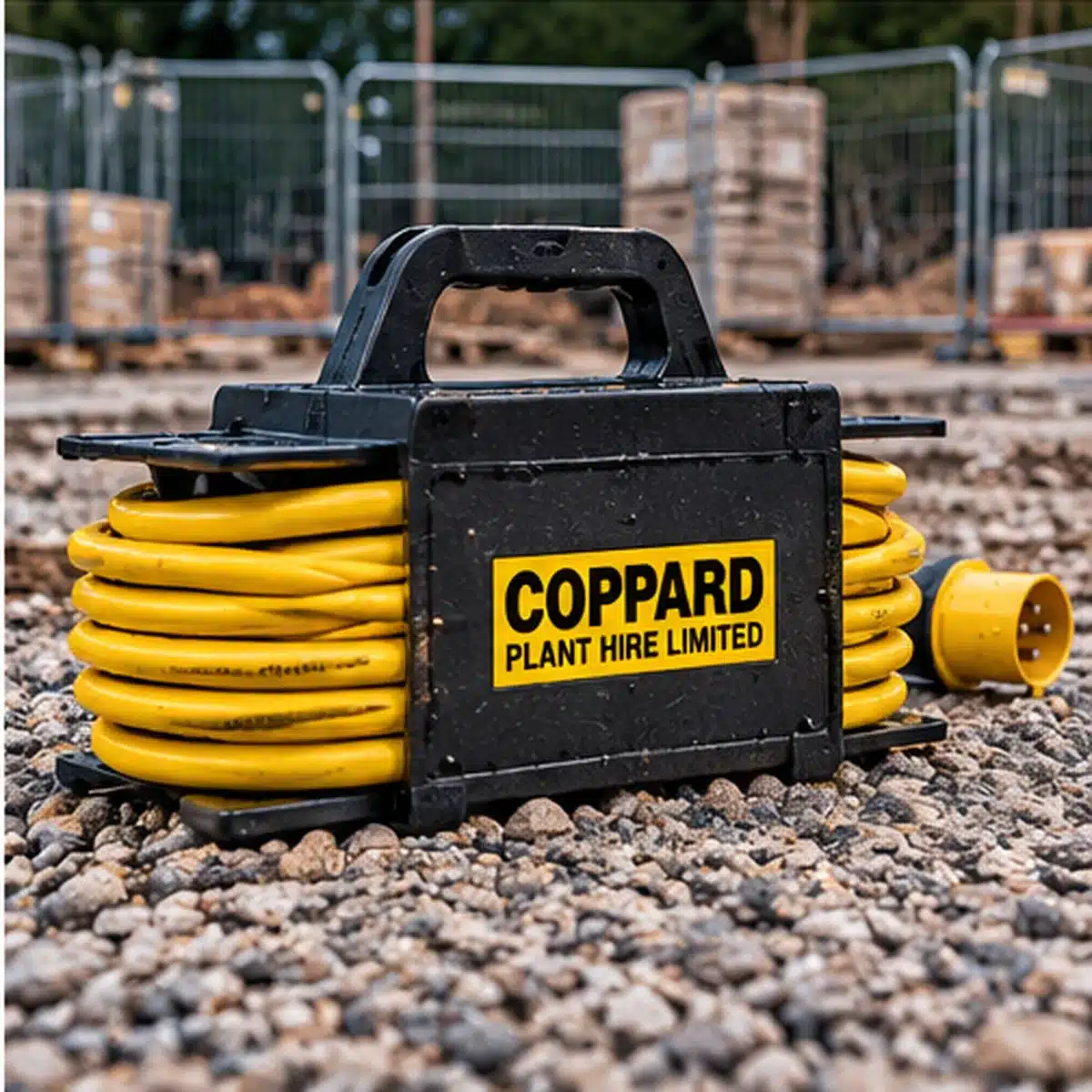
When you book through the Reading Tool Rental Service, give the voltage, the equipment being powered, the rough run and anything on the route that changes the plan: a vehicle crossing, a wet area, a doorway or a busy access point. If several items need power together, give the full list so the whole temporary supply is planned, not one cable at a time.
The team can then confirm current 110V and 240V lengths, connector types and any transformer or distribution equipment that suits the job, for work across Reading and the wider Thames Valley. Call 0118 979 2828 once the load and the route are settled, so the supply is planned before work starts rather than extended piecemeal on site.
Frequently Asked Questions - Extension Lead Hire in Reading, Berkshire
Can an extension lead be overloaded?
Yes. A cable and its connectors have a current rating, and running heaters, pumps, compressors or several tools through a lead not suited to the load can cause it to overheat, especially if the cable is left tightly coiled. Work out what the lead will feed and how much runs at once, and match the cable and any distribution to that demand rather than the distance. If in doubt about the load, tell the depot the equipment and let them confirm a suitable arrangement.
Can I use an extension lead in wet or outdoor conditions?
Only with equipment and connectors suited to it and a route that keeps the cable out of standing water. Around Reading’s riverside and low-lying sites, ground stays wet long after rain, and a lead lying in a puddle or across a flooded trench is a real hazard. Keep runs up off saturated ground, use suitable protection where a cable must cross a wet area, and check the connectors are appropriate for outdoor use rather than assuming any lead will do.
Is a distribution board better than joining several leads?
Usually, yes, where several tools or trades need power in one area. A temporary distribution point, or a transformer moved closer to the work, gives fewer connections to fail than a long chain of joined leads, and it is easier to inspect and keep tidy. Joining leads adds a junction each time that can pull apart or get wet. Describe the layout and the loads to the depot and the cleaner arrangement can be planned rather than assembled ad hoc on site.
What is the difference between a 110V and a 240V lead on site?
They are not interchangeable. Construction sites commonly run reduced-voltage 110V equipment fed through a transformer, using yellow leads and connectors, while 240V equipment uses the standard mains arrangement. The lead, plug and connector must match the tool’s voltage; an adaptor between the two is not a fix. Check the voltage of each item before hiring, and if a job mixes both, say so, so the correct leads and any transformer are supplied together rather than sorted out on the day.
What UK rules cover extension leads used at work?
Extension leads are portable work equipment, so the Provision and Use of Work Equipment Regulations 1998, known as PUWER, apply: equipment must be suitable, kept in good order and used correctly. You can read the official regulations at Provision and Use of Work Equipment Regulations 1998 on legislation.gov.uk. In practice that means choosing a lead rated for the load, routing it safely, keeping joints to a minimum and taking any damaged lead out of use rather than relying on a test label alone.
Need extension lead hire in Reading?
Tell us the voltage, the load, the run and anything on the route that could damage a cable. Call Coppard on 0118 979 2828.