Electric Breaker Hire in Reading, Berkshire
Electric breaker hire in Reading for breaking out concrete and masonry indoors, chasing, and refurbishment where fumes rule out a petrol machine. Coppard supplies medium and heavy 110V electrical breakers across Berkshire. Call 0118 979 2828 with the material, where you are working, and the power on site.
People hire an electric breaker for one main reason: the tool itself gives off no exhaust, so it can run inside an occupied Reading office, shop or flat where a petrol machine cannot. That answers the fumes question, but not the dust, the noise, the vibration, or the harder one of getting a clean 110V feed to the exact spot the breaking happens.
Why the Job Calls for Electric Rather Than Petrol
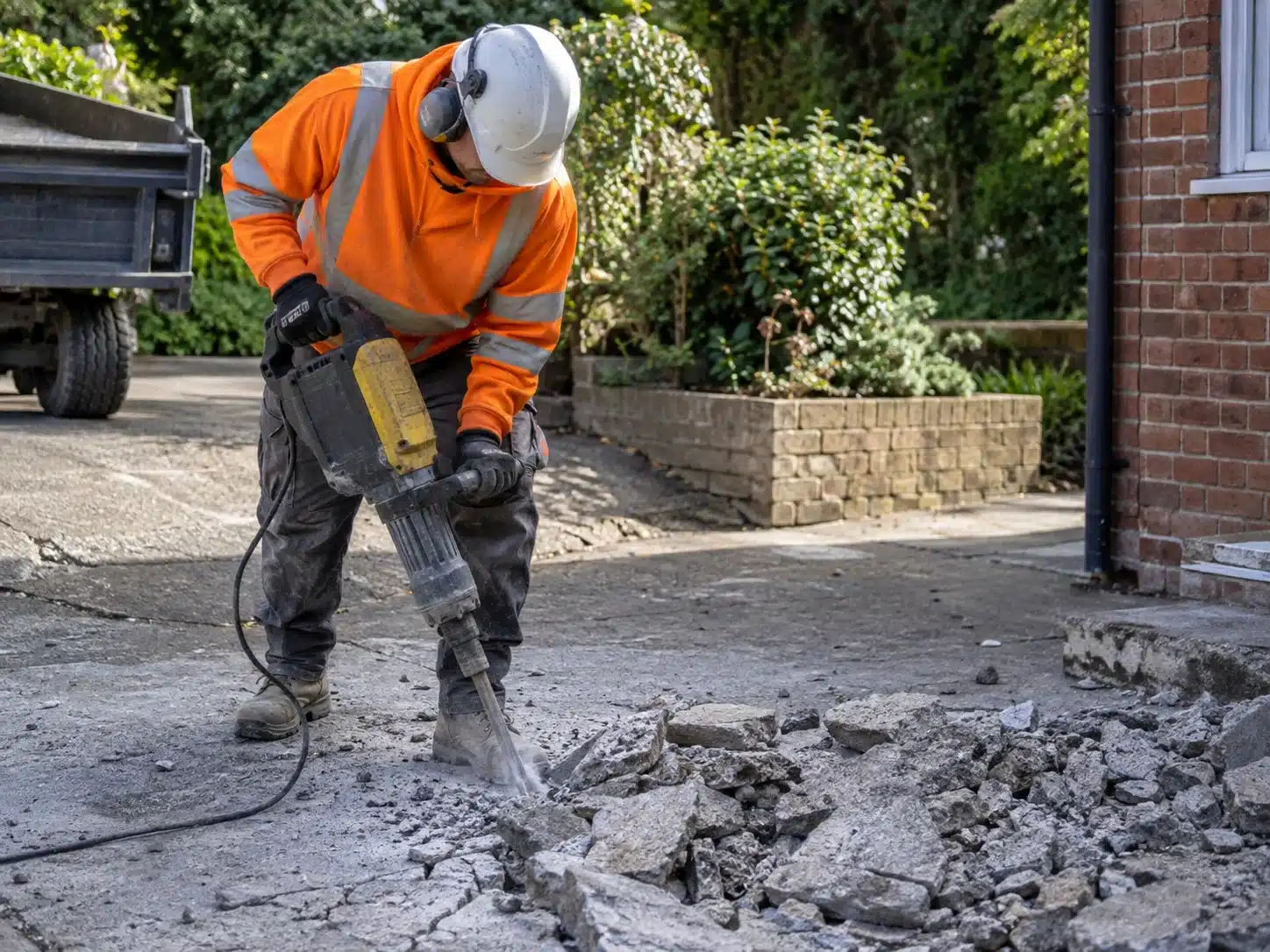
The deciding factor is almost always the setting, not the concrete. Inside a building still in use, in a basement, or anywhere fumes cannot be vented, a petrol breaker is off the table and an electric one is the answer. The Coppard electric breakers collection holds a medium and a heavy 110V machine for exactly this indoor and refurbishment work.
So lead with where the work is. A chasing run in a fitted-out Reading office, a slab section coming up in a basement, an opening formed in a wall of an occupied building, these point to electric because of the environment first and the material second. Once the setting is clear, the thickness and the working direction sort out which of the two machines fits.
The Feed to the Tool Is the Part People Underestimate
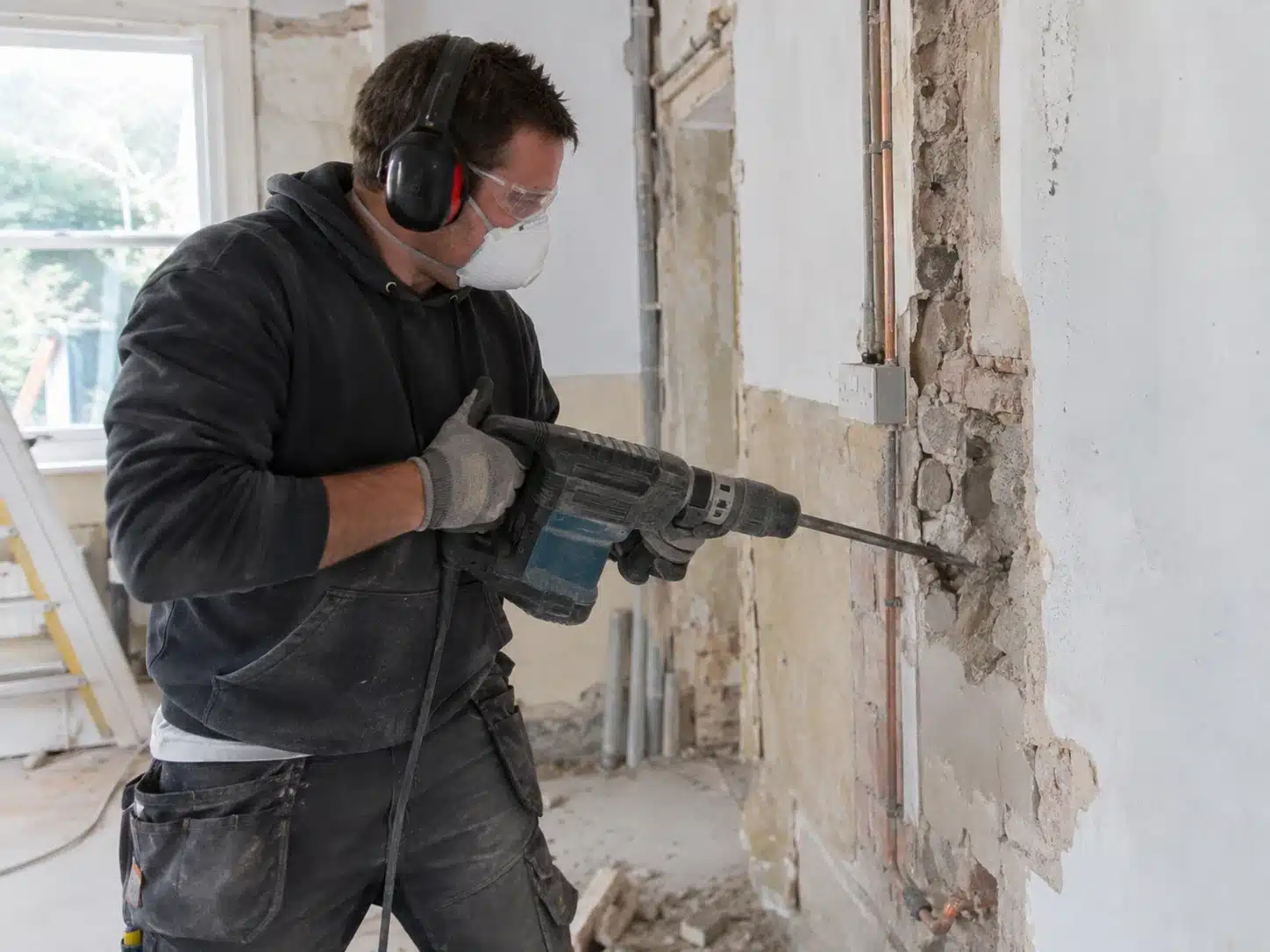
Both machines run at 110V, which makes the electrical supply a first-order question, not a detail. The breaker needs a compatible 110V feed at the very point it is used, and on a temporary Reading site that usually means a transformer of the right rating, sited sensibly, with a lead route that does not cross doorways, wet patches or the path other trades walk.
Sort that before the machine arrives through the Reading Tool Rental Service. Check the transformer capacity, where it stands, and whether one lead reaches or the supply has to move with the work as it goes room to room. A breaker that suits the concrete is useless for the shift if the feed to it was an afterthought.
What Electric Does Not Fix
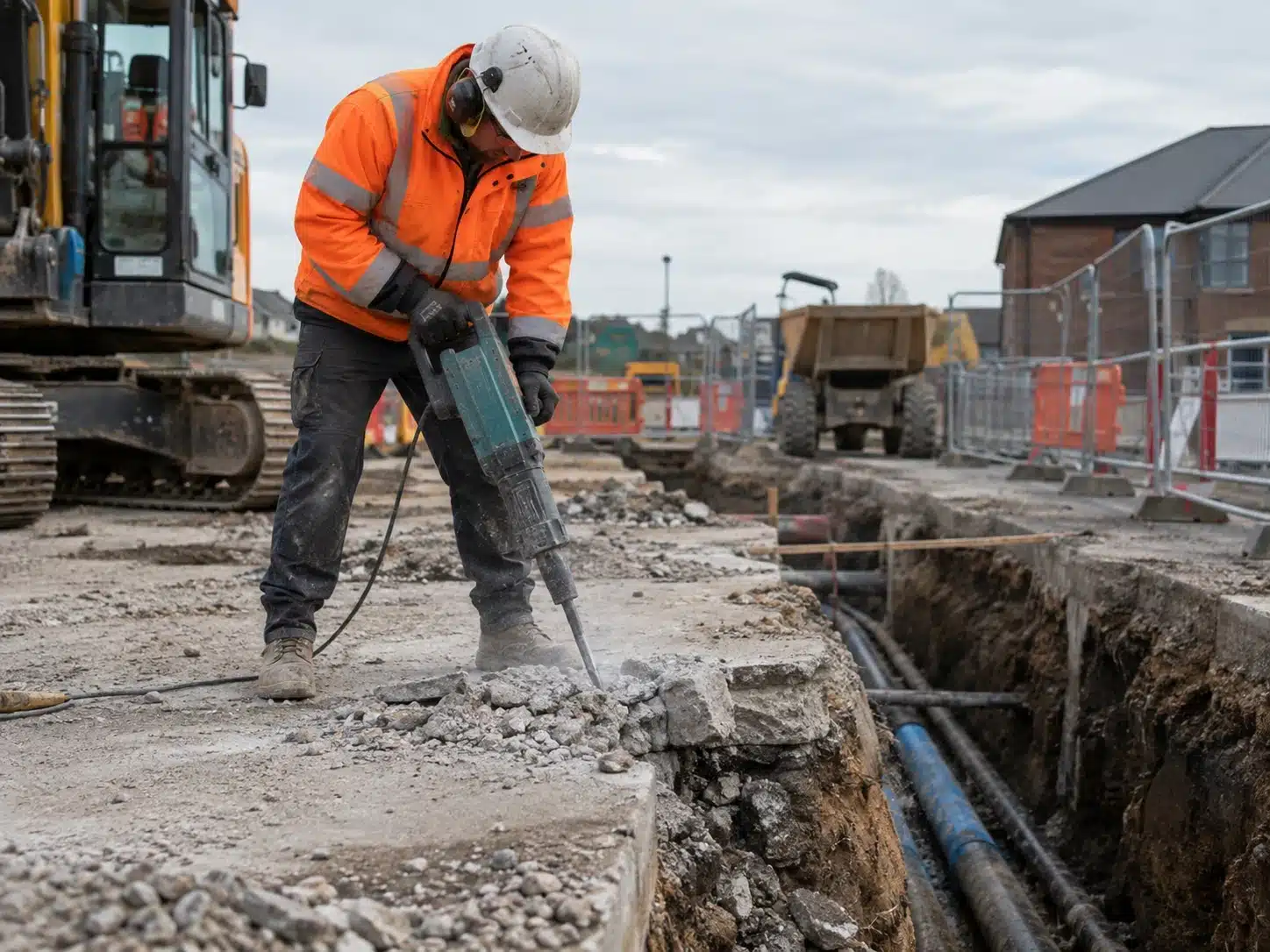
It is worth being plain that electric solves the exhaust problem and nothing else. The dust off concrete and masonry still has to be suppressed or extracted, the impact noise still travels to whoever is working or living nearby, and the vibration through the operator’s hands still counts, all the more in an occupied building where other people are close by.
Pick the machine that clears the material efficiently so the operator is not on the trigger longer than needed, break the work into stages, and screen or isolate the immediate area. Reaching for the heavy machine is not automatically the answer, since more weight can mean more awkward handling and fatigue on the sort of controlled indoor work electric is usually chosen for.
Medium or Heavy, and When Neither Is Right
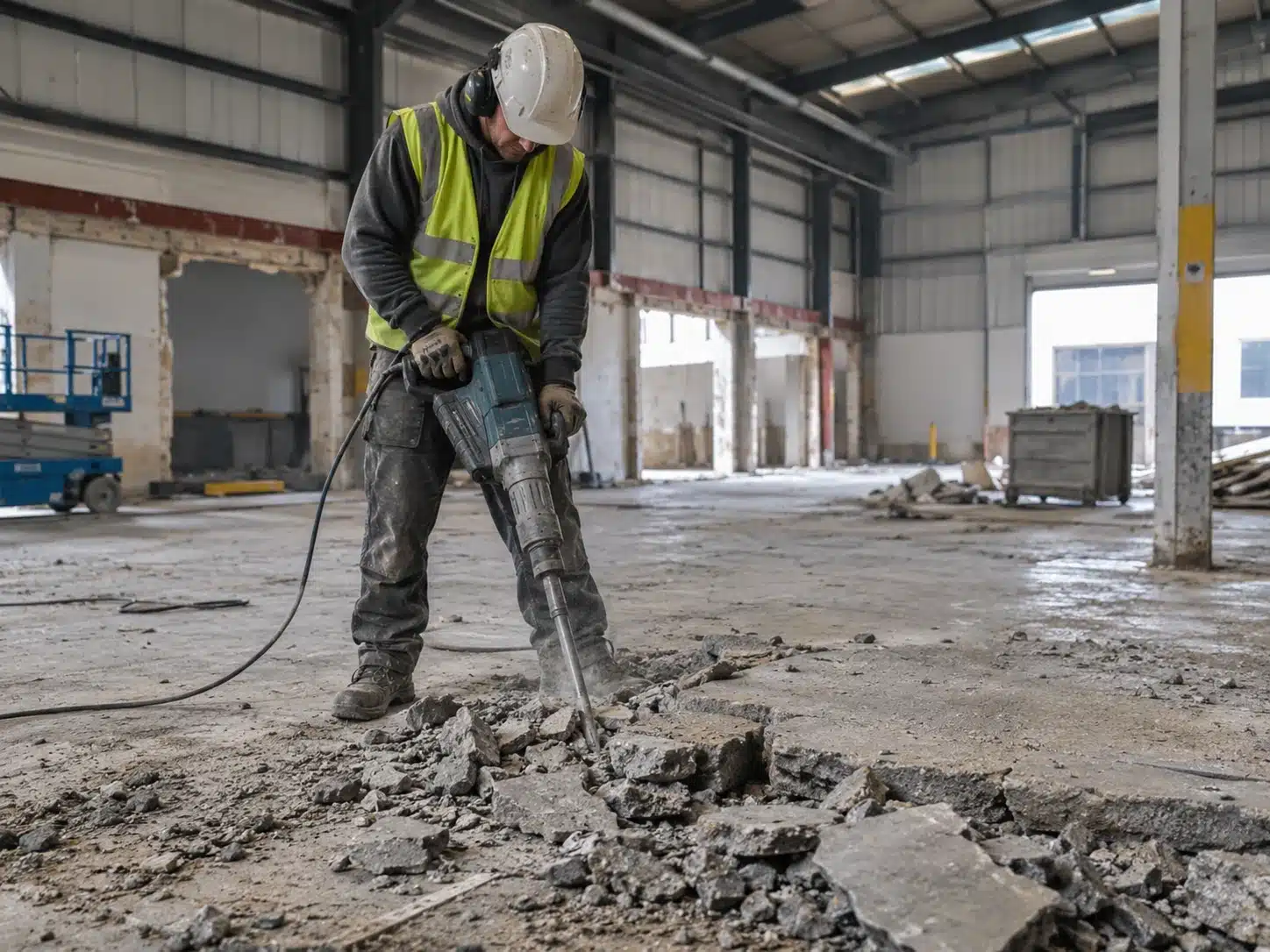
The medium 110V breaker handles chasing, edge work and controlled opening-up; the heavy one earns its place on denser or more extensive floor breaking where the access and the handling allow. Describe the material, the thickness and the working direction and the depot can steer you between them rather than guessing from a requested weight.
There is also the honest case where neither fits: a large open slab or a heavy demolition with good access will usually go faster with a petrol breaker or an excavator attachment, and the sustained hand-held exposure of forcing an electric machine through it is worth avoiding. If that is the job, ask about the wider breaker range instead.






Tell the Reading Depot the Setting and the Supply
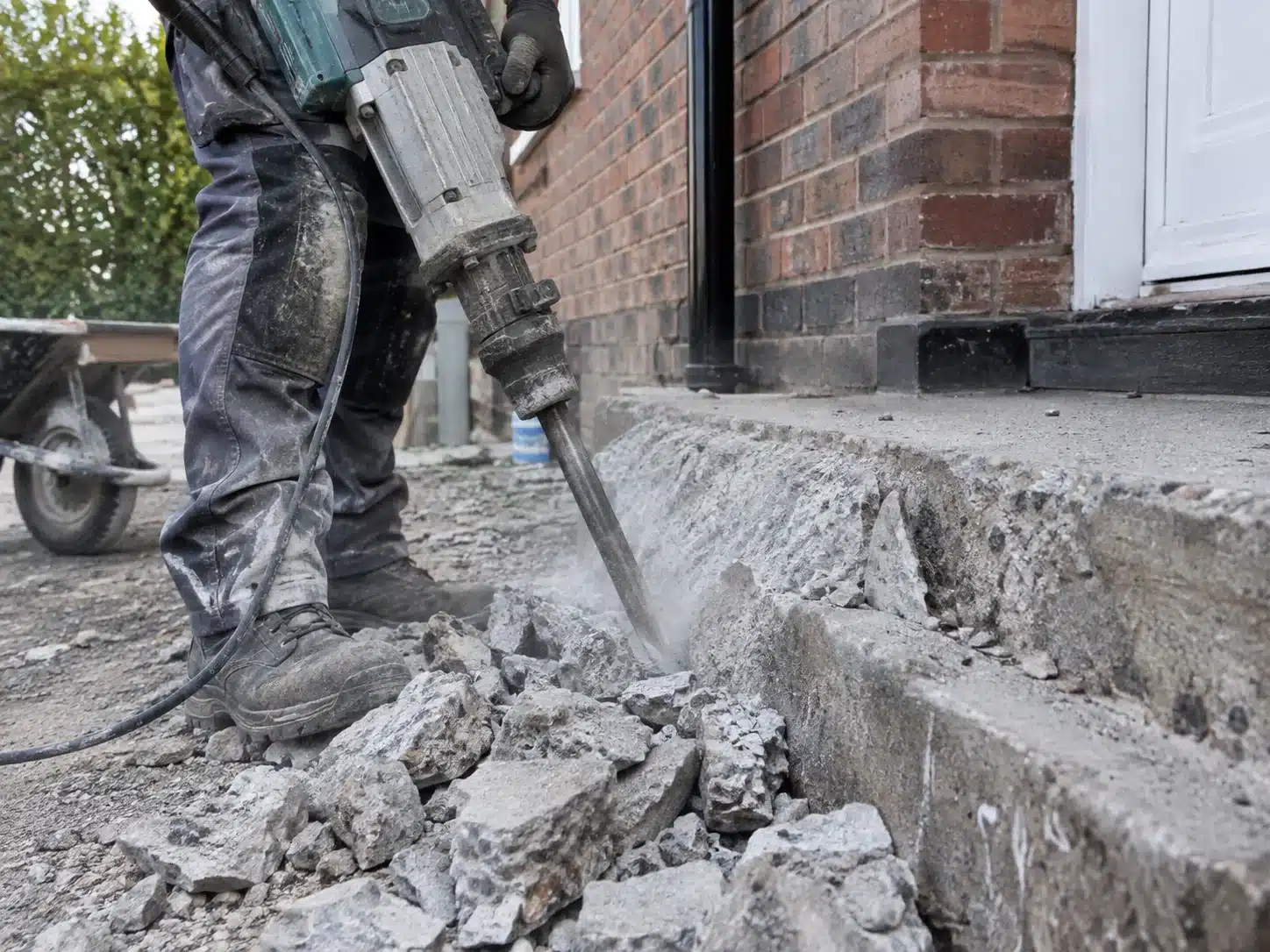
Give the material, the rough thickness, the area and how the breaker is worked, vertical, horizontal or in a tight spot, and then the electrical picture: whether a 110V feed exists, how far the work sits from it, and whether a transformer or lead is needed. Say plainly if the building is occupied, because that is often the whole reason electric was chosen.
The team can confirm which machine is free and what should travel with it, for work across Reading and the Thames Valley. Call 0118 979 2828 before the breaking starts, so the tool and the temporary electrics are organised as one rather than the supply being improvised on the day.
Frequently Asked Questions - Electric Breaker Hire in Reading, Berkshire
Why choose electric over a petrol breaker?
Almost always because of where the work is. Inside an occupied Reading building, in a basement, or anywhere fumes cannot be vented, a petrol machine is unsuitable and an electric one runs cleanly at the tool. For a large open slab or heavy demolition with fresh air and good access, petrol or an excavator attachment is usually faster. So the setting decides it more than the concrete: tell the depot where the work happens as well as what it is.
Do I need a transformer to run one?
You need a proper 110V feed at the point the breaker is used, and on a temporary site that normally comes through a correctly rated transformer off a 240V source, unless the project already has 110V distribution. Confirm the transformer capacity, where it stands and how the lead reaches the work before the machine turns up, and if the breaker moves room to room in a Reading refurbishment, plan for the supply to follow rather than trailing one long lead.
Does electric mean it is safe to run indoors without precautions?
No. Electric removes the engine exhaust, which is why it suits indoor and occupied work, but the dust, the noise, the vibration and the electrical risk are all still there. Suppress or extract the dust, think about the people on the other side of the wall or floor, keep leads out of walkways, and manage the operator’s time on the tool. The clean-running motor is one part of a safe set-up, not the whole of it.
Medium or heavy machine for my job?
The medium 110V breaker suits chasing, edge work and controlled opening-up; the heavy one suits denser or more extensive floor breaking where the access and the handling allow. Heavier is not automatically better, since more weight can mean harder handling on the fine indoor work electric is usually chosen for. Describe the thickness and the working direction and the depot can match the available machine to the actual task rather than a weight class.
What UK rules cover the electrical side?
The Electricity at Work Regulations 1989 require electrical systems to be built, kept and used so as to prevent danger, temporary site supplies included. The official text is at Electricity at Work Regulations 1989 on legislation.gov.uk. With an electric breaker that means treating the tool, the transformer, the leads and the connectors as one temporary electrical arrangement whose parts have to be compatible, rather than a breaker plus whatever supply happens to be nearest.
Need electric breaker hire in Reading?
Tell us the material, where you are working and the 110V supply on site. Call Coppard on 0118 979 2828.