Vibratory Plate Hire in Reading, Berkshire
Vibratory plate hire in Reading covers forward and reversible compactors for suitable groundworks, reinstatement and paving preparation. Call 0118 979 2828 with the material, pass length and available reversing space so Reading can check the current plate format and transport.
Vibratory plate hire in Reading should be planned around how the machine will travel across the work area. Give the depot the material, placed layer depth, length of each compaction run, edge constraints and room to turn or reverse. Those details help distinguish a lighter forward plate from a heavier reversible compactor before the unit is allocated.
Use the Pass Pattern to Define the Machine
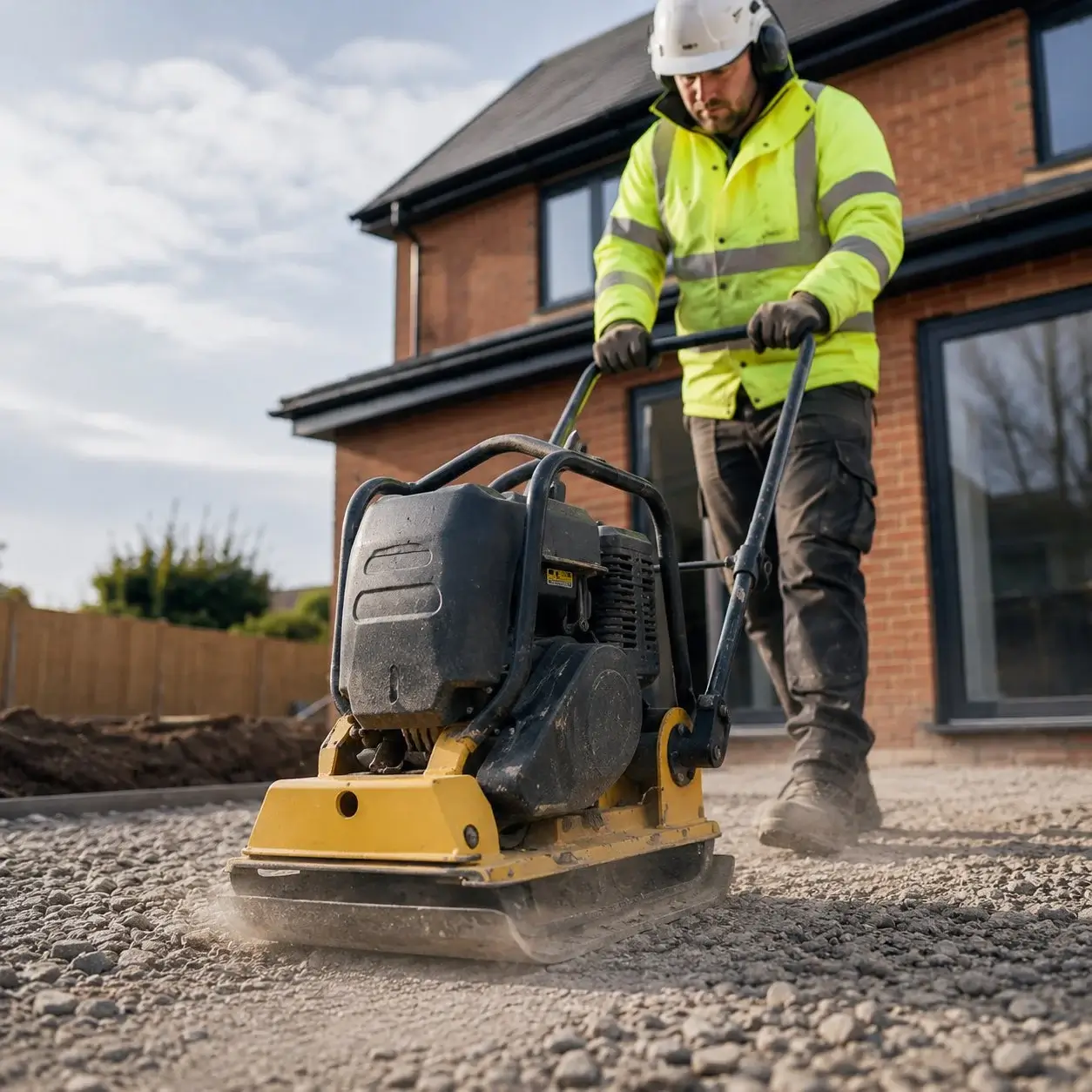
A plate compactor has to cover the work in a repeatable pattern, so start by mapping the length and width of the passes rather than choosing from engine size. On a small open patch, a forward machine may be easy to turn and reposition. On a longer strip, the ability to reverse can reduce repeated turning and may make a heavier reversible plate more practical. Also identify kerbs, walls, chambers, columns or stored materials that interrupt the run. The material and project specification still determine whether vibration is appropriate. Call 0118 979 2828 with the placed layer depth, pass length and working width. Reading can then compare the current machine format with the actual movement needed across the area, including how the operator reaches the end of each pass.
Compare the Forward and Reversible Plate Range
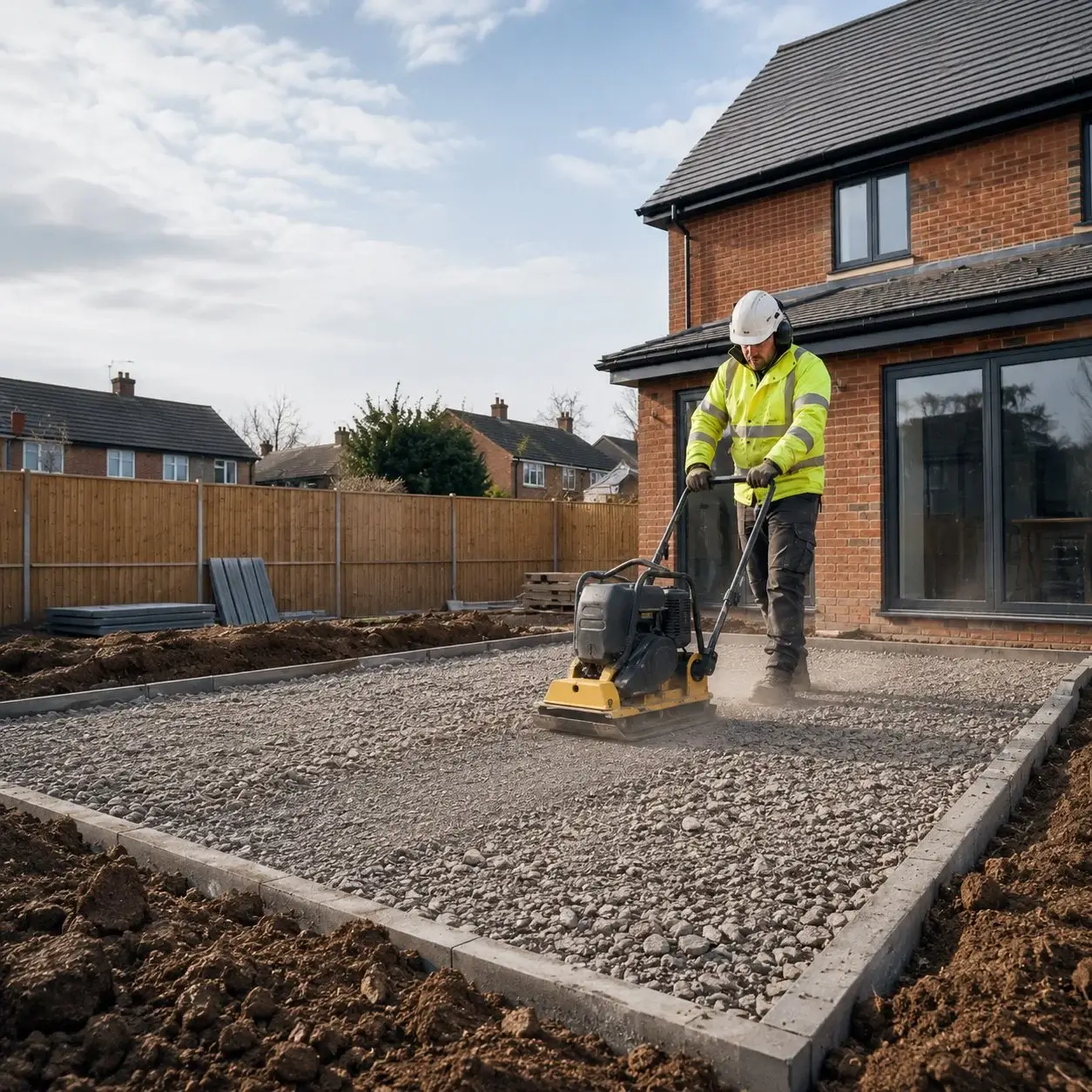
Coppard’s Plate Compactors collection shows a single-direction petrol compactor plate together with reversible Bomag and Wacker Neuson machines and rubber mats for suitable paving work. The published range includes substantially different machine weights and widths, so transport and manoeuvring should be checked alongside compaction needs. If you are searching for vibratory plate hire near me, tell Reading the material, pass length and reversing space rather than requesting a particular brand. Where access is marginal, ask for the dimensions of the actual unit being reserved. A machine that suits the compacted material still needs to reach the workface and follow the planned pass pattern. Any protective mat or water attachment should be confirmed for the selected plate, not assumed from the service name.
Reading Compaction Work in Restricted Areas
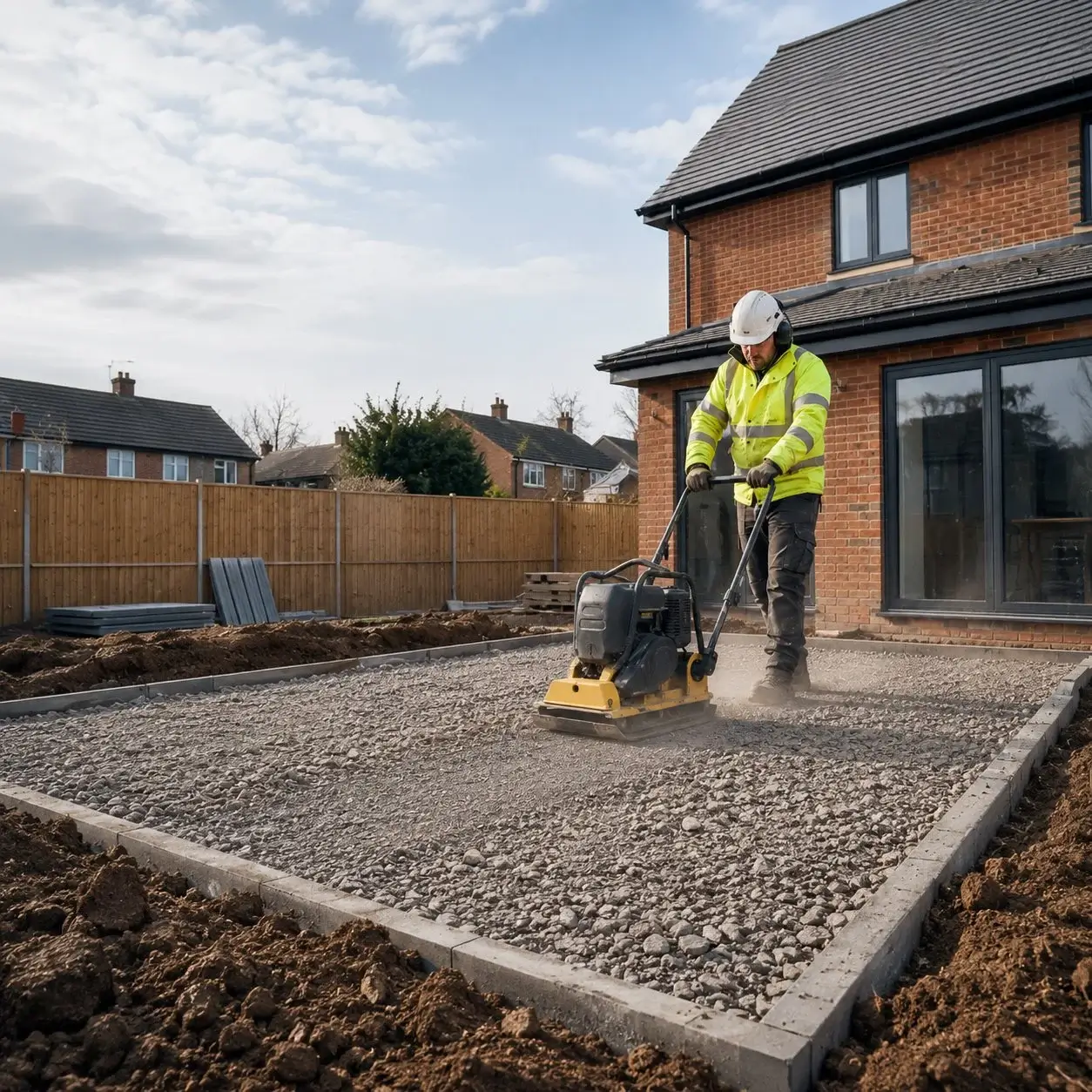
Reading customers use vibratory plates for suitable groundworks, reinstatement and hard-landscaping tasks across Wokingham, Bracknell, Earley, Woodley, Shinfield and Twyford. The working geometry can vary sharply between jobs: a path may be long and narrow, a driveway may have parked vehicles and walls at the edges, and a reinstatement patch may sit around covers or street furniture. Give the depot the actual usable area rather than the overall plot size. If aggregate storage, fencing or other trades will reduce the operating space before the hire starts, include that in the enquiry. Conditions can also change after rain, so the site team should review the material and pass pattern if the surface no longer behaves as expected. The postcode does not determine which plate is suitable.
Protect the Finished Surface and Edge Detail
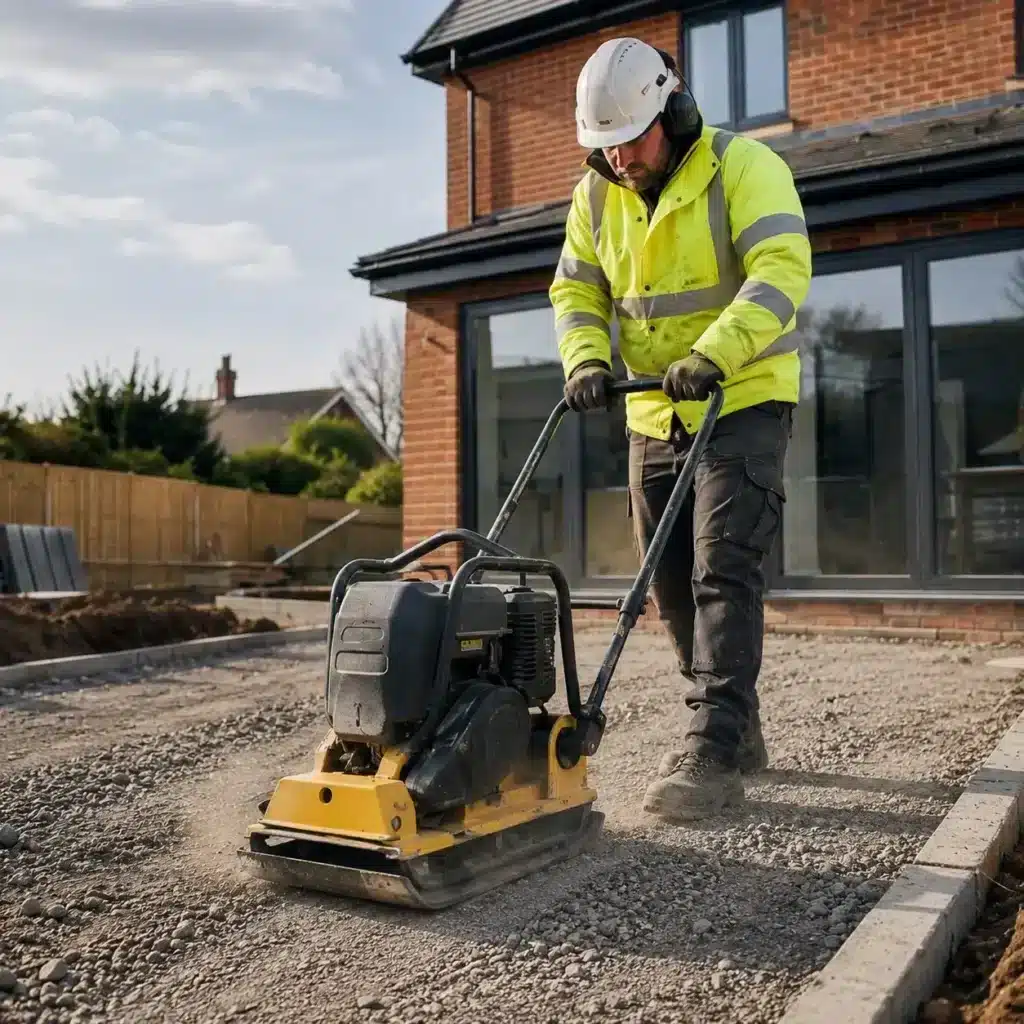
Compacting sub-base and working over a finished paved surface are different stages. If the method involves vibration over laid blocks, identify the paving type, edge restraint and whether the manufacturer permits the proposed compaction method. A compatible protective mat may reduce marking, but it does not make every plate suitable for every finish. Check the mat and baseplate together when booking. On unfinished aggregate, focus instead on the material specification, layer depth and required compaction. If the work changes from one stage to the other, do not assume the same setup remains appropriate. Call Reading before collection if the finish or accessory requirement changes, so the reserved machine can be checked against the revised work.






Coordinate the Plate with the Wider Groundworks Programme
A vibratory plate may sit between excavation, filling and surfacing, so timing it correctly can avoid having the machine idle while earlier work is incomplete. Explain when the area will be ready, what material will be placed and whether other plant needs to leave before compaction can begin. For related equipment from the same depot, use Plant & Machinery Hire in Reading. Keep the vibratory-plate requirement specific: material, layer depth, pass pattern, access and finish. If several separate areas are being compacted, provide their dimensions and surfaces individually rather than assuming one machine will suit every stage. Reading can then confirm the current plate and practical collection or delivery arrangement for the planned sequence.
Frequently Asked Questions - Vibratory Plate Hire in Reading
What is the practical difference between a forward and reversible vibratory plate?
A forward plate travels in one direction and is turned or repositioned for the next pass. A reversible compactor can travel forwards and backwards, which can help on longer strips or where turning space is limited. The heavier option is not automatically better. Material, layer depth, access and the required compaction should all be considered before the Reading team checks the current machine.
Which vibratory plates are currently shown in Coppard’s range?
Coppard’s Plate Compactors range shows a single-direction petrol compactor plate, reversible Bomag BPR 55/65D, Wacker Neuson DPU 4045Ye and Wacker Neuson DPU 100, plus rubber mats. The range covers very different sizes and weights. Give Reading the material and working dimensions so the specific machine reserved for your dates can be checked against the access and compaction task.
Can a vibratory plate be used when laying block paving?
A suitable plate may be used at certain stages of block-paving work, but the machine and any protective mat must suit the paving system and the stage of construction. Confirm the paving manufacturer’s requirements and tell Reading whether you are compacting sub-base, bedding or laid blocks. That helps the depot check the current plate and compatible accessory without assuming one setup is suitable throughout the job.
Is compactor-plate use part of normal groundworker practice?
The Skills England Groundworker occupational standard includes the use and maintenance of compactor plates among the equipment skills expected of a groundworker. That does not prescribe one machine or compaction method for every project. The material, specification, work area and operator competence still need to be considered, and the selected plate should be used in accordance with its operating information and the site’s method of work.
What should Reading know before a vibratory plate is reserved?
Give the Reading team the material, loose or placed layer depth, approximate area, pass length, narrowest access, turning or reversing space and required finish. Add the dates needed and say whether you plan to collect the machine or require delivery. That information lets the depot compare the current forward and reversible plates with the real work area instead of choosing from a machine name alone.
Need Vibratory Plate Hire in Reading?
Call 0118 979 2828 with the material, layer depth, pass length, working width, turning or reversing space and finished-surface requirement. Reading can check the current forward or reversible plate and arrange collection or delivery for the planned dates.