Construction Machine Rental Service in Reading, Berkshire
Planning groundwork, drainage or surfacing around Reading? Coppard’s Winnersh depot supports construction machinery enquiries for excavators, dumpers, rollers, access platforms and specialist equipment. View the 42 service options with their direct catalogue links, then tell the Reading team about ground conditions, delivery access and the working programme.
On Reading and Berkshire projects, the main constraint may be ground bearing, a shared entrance or the order in which different machines need to work. Describe the excavation, handling or surfacing task, identify the operating area and explain how the equipment will enter site. The depot can then discuss the most suitable hire options.
Assess Site Access Before Choosing Plant
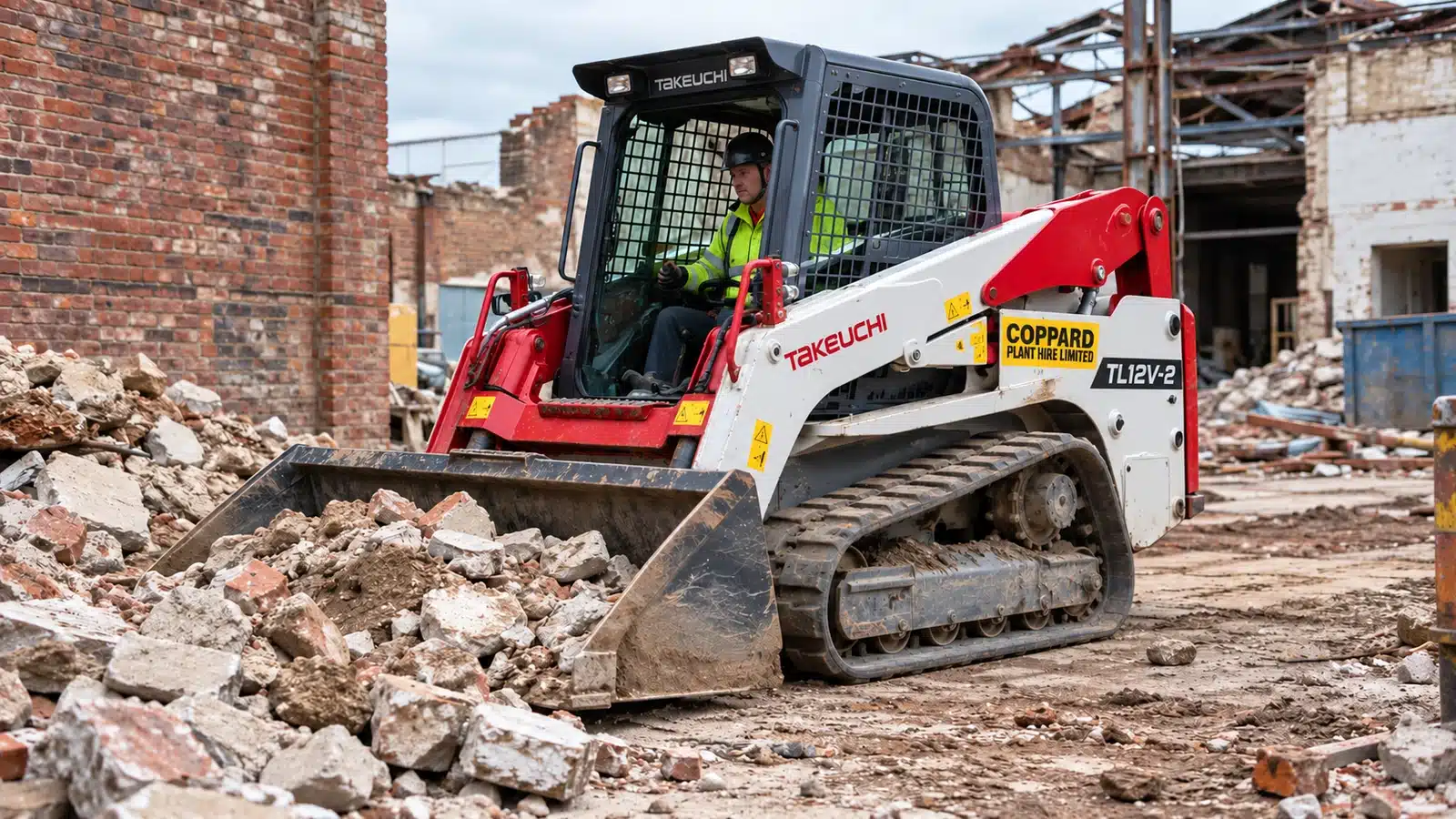
Construction machinery that suits one Reading project may be unsuitable for another only a short distance away. Thames Valley gravels, areas of clay, made ground and sites affected by groundwater require different decisions about ground bearing and how plant moves across the work area. The machine also needs space for slewing, tipping or raising a platform without obstructing workers or the public.
Start with the actual job: dig depth, load volume, finished level or required working height. Then establish the narrowest access point, unloading location, underground services and any restrictions on vibration. These details help the Reading team narrow the machinery selection before a delivery date is agreed.
Select Machines by Work Stage, Not by Name
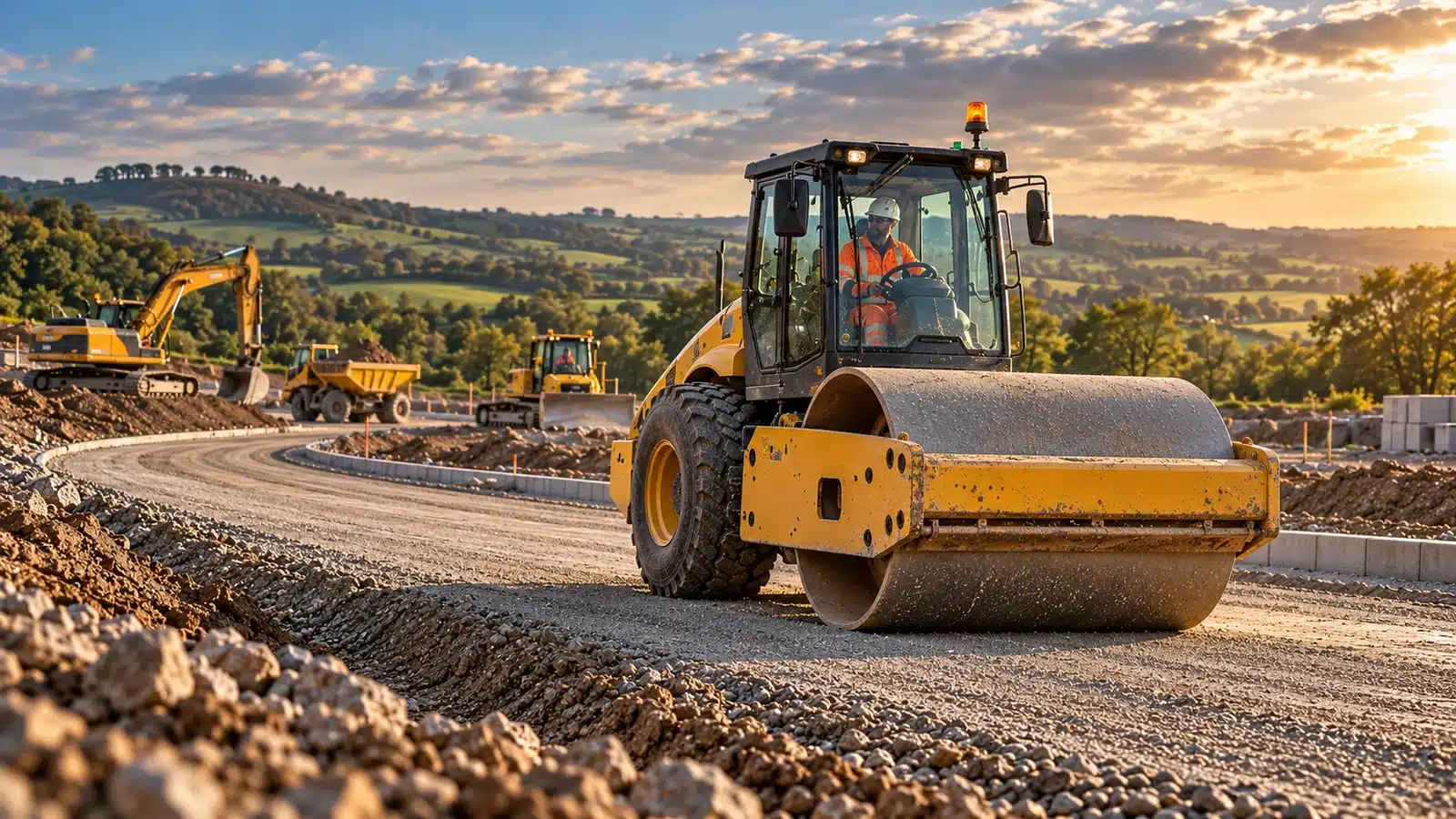
A typical project can involve excavating, removing spoil, laying drainage, compacting fill and finally reinstating a surface. Those stages call for different machines, and their sequence affects how many can be used safely at the same time. A digger with a suitable bucket may be followed by a site dumper, while a roller is not needed until the material is ready for compaction.
The 42 service options also include access platforms, excavator attachments, temporary fencing and roadwork machinery. Each service card opens its relevant Coppard catalogue destination. Check the machine details there, then agree the required specification and hire dates with Reading.
Plan Delivery to the Winnersh Depot Area
Coppard’s Reading depot is at 580 Reading Road, Winnersh, Wokingham, RG41 5HA. Deliveries to sites in and around Reading need a suitable place for unloading, especially when a low loader or other specialist vehicle is involved. Limited entrance space, shared access, parked vehicles or unfinished site roads can affect how the equipment reaches its working position.
Provide the full delivery postcode, contact on site, proposed unloading location and route into the work area. Include the date when the machinery can be received and any restrictions on vehicle movements. Check transport and machine availability directly with the depot; the central catalogue does not show live stock at Winnersh.
Coordinate Excavation, Access and Surface Work
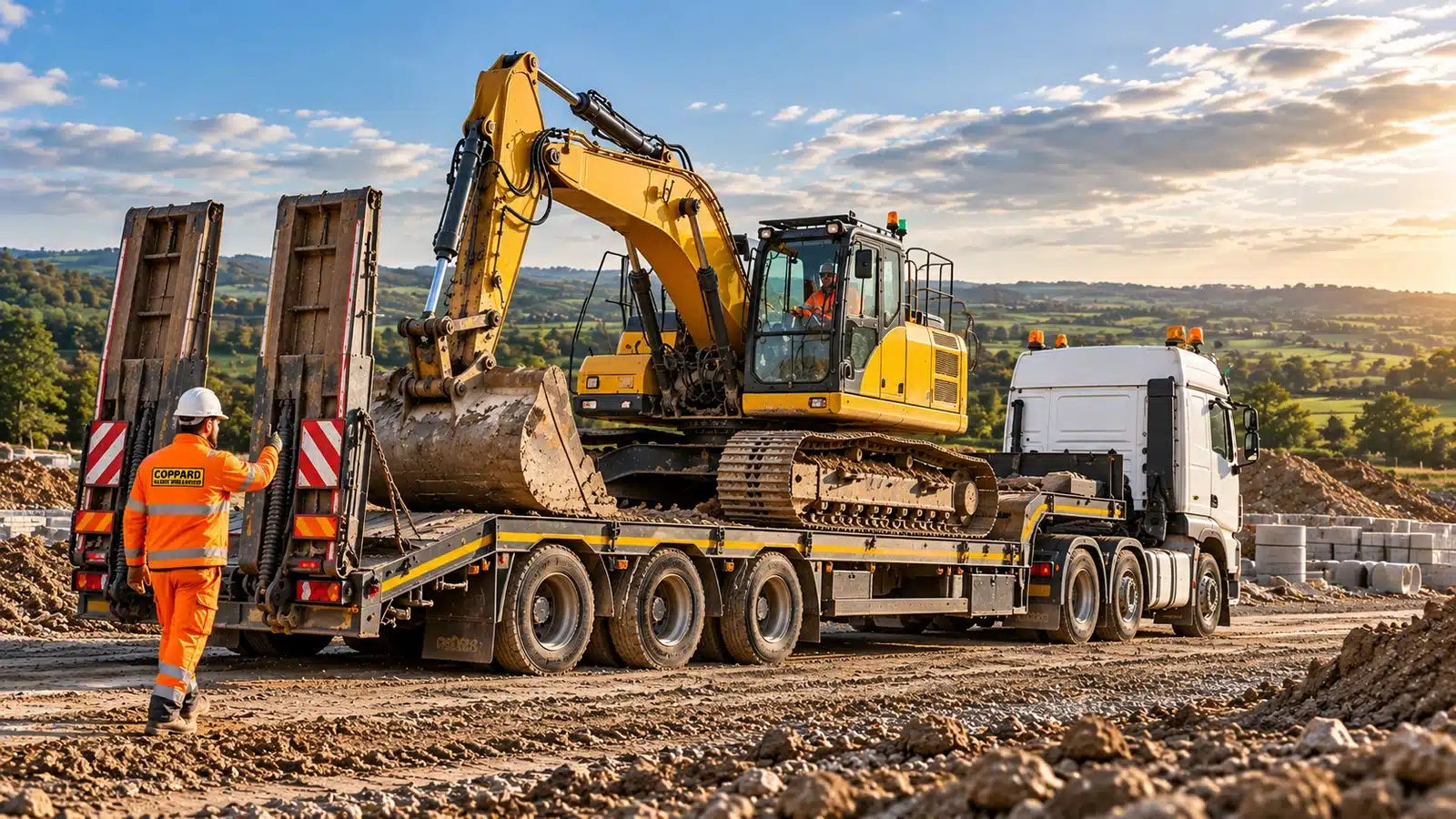
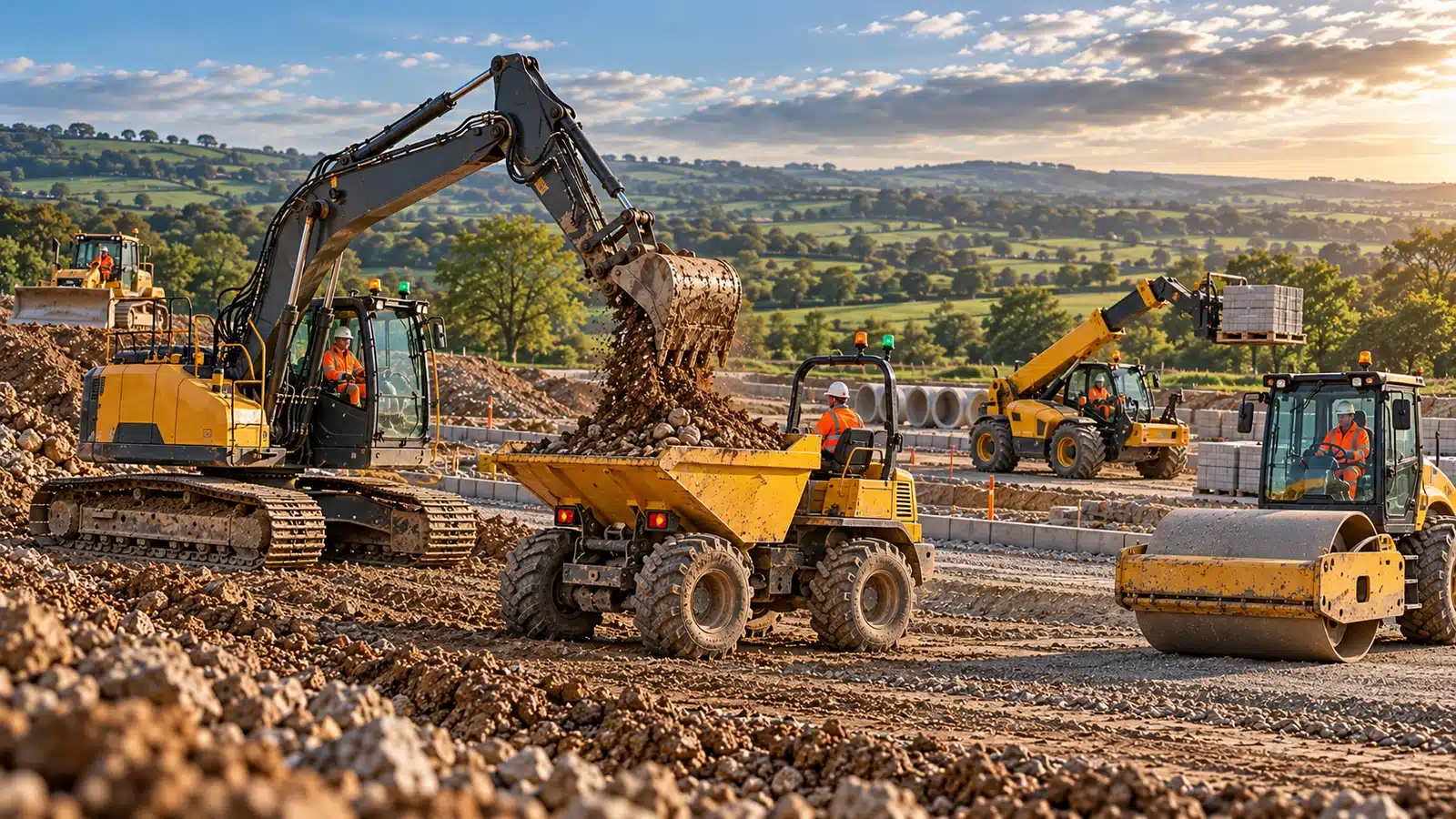
Where one contractor needs several machine types, it makes sense to plan the whole sequence with the depot. An excavator may require a breaker or tilting bucket; spoil removal may require a dumper; subsequent surfacing may need a planer, paver or roller. Identifying attachments and transport at the same time helps avoid making separate arrangements that conflict on site.
For equipment outside this construction machinery category, see Coppard’s Reading plant and machinery hire page. The Reading team can discuss the task, operating requirements and proposed duration on 0118 979 2828. Ask specifically whether a listed item is supplied as operated hire, and confirm any exact configuration before building your programme around it.
All 42 Construction Machine Rental Services
View all 42 construction machine rental service options for Reading and Berkshire. Each card opens Coppard’s relevant catalogue page directly. The catalogue helps you identify equipment and specifications; the depot can confirm the exact machine, attachments, hire terms and delivery arrangement for your project.
Digger Hire
Before ordering a digger for a Reading site, establish the material to be excavated, depth of the cut and the distance to the spoil stockpile. A smaller machine may reach a confined plot; larger equipment needs more turning room and a suitable working platform. View the excavator range, then discuss attachments and transport with the Reading depot.
Mini Digger Hire
Mini digger hire can suit extensions, drainage repairs and short trench runs around Reading when access and working space limit machine size. Measure gateways and the route from the delivery point, not just the digging area. Tell the team whether the machine must work beside a building or cross a finished surface so the model can be checked.
Micro Digger Hire
Where a standard mini excavator cannot reach a rear garden or small courtyard, a micro digger may be an option. Confirm the minimum width, any steps, overhead obstructions and the route for removing spoil. View the compact excavators in Coppard’s catalogue and ask Reading to confirm the machine dimensions before booking.
360 Excavator Hire
For bulk earthmoving or repeated trenching, a 360 excavator provides a slewing upper structure. Reading projects should allow for the machine's working radius as well as the proposed excavation footprint. Note the soil type, excavation depth, bucket size and nearby services when enquiring. The link opens the general excavator collection rather than a dedicated 360-only listing.
360 Excavator with Offset and Blade Hire
Digging tight to boundaries or near existing structures may require a particular boom and blade arrangement. An offset-and-blade excavator cannot be assumed from the general catalogue alone. Describe the offset reach, permitted working width and proposed blade use to the Reading depot and ask for confirmation of the precise available configuration.
Long Reach Excavator Hire
Some riverbank, pond and deep excavation projects need extended reach without moving the carrier close to an unstable edge. Long-reach excavation must be planned around machine weight, ground support, reach and the point of loading or discharge. View the specialist long-reach range, then provide Reading with the operating position and intended work details.
Wheeled Excavator Hire
On highway maintenance or work involving several nearby positions, a wheeled excavator may be worth considering. That does not mean every machine in Coppard’s excavator range has wheels or is road-registered. Check the intended journeys, access permissions and exact machine specification with Reading before relying on this option.
Tracked Excavator Hire
A tracked excavator can be considered for digging where traction and ground contact are important. Around the Thames Valley, the ground may change between gravel, made ground and softer areas, so assess bearing capacity on the specific site. Supply the Reading team with required operating weight, depth and track restrictions before selecting equipment.
Site Dumper Hire
A site dumper is often needed to shift spoil or aggregate away from the excavator without tying up the digging machine. Set out the full carrying route, the steepest gradient, crossing points and the tip location. For a Reading construction site, the right skip design and capacity depend on that route as much as on the quantity being moved.
High Discharge Dumper Hire
High-discharge dumpers can transfer spoil into a raised skip or receptacle where a conventional low-tip unit would add handling steps. Measure the receiving height and approach space, and make sure the ground at the tipping position is suitable. Reading can discuss specific high-discharge equipment once these details are known.
Narrow Access Dumper Hire
A narrow-access dumper may help transport material through constrained entrances on infill developments or domestic projects in Reading. Check clear width at gates, corners and scaffolded sections, together with tipping access at the destination. The high-discharge and narrow-access collection is the starting point; verify the exact model width with the depot.
Power Swivel Dumper Hire
Power-swivel dumpers allow the skip to turn independently from the chassis, which can reduce manoeuvring on some linear works. Check that side tipping is permitted and that the route gives adequate space and ground support. Tell Reading the payload, travel surface, discharge side and project duration to narrow the choice.
Tracked Power Swivel Dumper Hire
Tracked power-swivel dumpers bring together tracked movement and a rotating skip. They may be considered where the haul route is soft and there is little space to turn at the end. The tracks do not remove the need for a site-specific slope assessment. View the tracked swivel collection and confirm available machine dimensions with Reading.
Tracked Dumper Hire
Tracked dumper hire may be useful when a wheel-based hauler is poorly suited to the working surface. A Reading site with wet ground or temporary haul routes still needs an assessment of bearing, gradients and edge protection. Give the team the load type and trip distance when checking the tracked dumper options.
Single Drum Roller Hire
For granular fill, sub-base and formation work, single-drum rollers offer one compaction approach. Confirm the material, layer thickness, working width and any nearby vibration-sensitive structures before deciding on a model. The Reading team can discuss which roller is appropriate once the required compaction outcome is clear.
Twin Drum Roller Hire
Twin-drum rollers are used in many finishing and asphalt compaction tasks, but drum type and machine size must match the surface and run length. On Reading highways or car parks, include kerbs, edges and turning areas in the enquiry. View the rollers collection and ask the depot to confirm the equipment arrangement.
Access Equipment Hire
For work above ground level, choose access equipment by the actual work position rather than the platform's headline height. Reading jobs may be inside a commercial building, beside a frontage or on uneven external ground. Identify the load on the platform, the outreach and the route from the delivery point before selecting equipment.
Powered Access Hire
Powered access covers several platform types, and the correct machine depends on whether the work is directly overhead or beyond an obstruction. Consider available electrical supply, indoor ventilation, ground loading and external wind conditions. Reading can discuss the appropriate equipment family once you explain the working envelope and access route.
Spider Lift Hire
A spider lift may help reach an elevated task through a narrower route than some conventional boom platforms. The tracked undercarriage and stabiliser footprint still require suitable support. For Reading work, supply the narrowest access measurement, operating surface and intended reach; then check the relevant models in the boom-lift collection.
Boom Lift Hire
Boom lift hire is relevant where the basket must move horizontally to reach a façade, structure or overhead installation. Calculate the required working height and outreach separately, and consider obstacles beneath the work area. Give Reading the positioning plan and expected basket load before agreeing the machinery.
Cherry Picker Hire
Cherry pickers provide mobile access for inspections, repairs and building maintenance. The practical machine choice depends on height, lateral reach, base dimensions and site access rather than the name alone. For a Reading location near traffic or a shared entrance, discuss how the machine can be delivered and positioned safely.
Scissor Lift Hire
A scissor lift raises a working platform primarily vertically, making it a possible option for fit-out and maintenance where the machine can sit below the task. Check doorway clearance, floor bearing and the tools and people carried. View the scissor lift range and provide Reading with the indoor or outdoor operating conditions.
MEWP Hire
MEWP hire is a wider category covering scissor, boom and other mobile elevating work platforms. The intended task determines whether vertical rise, outreach or compact access is most important. Ask Reading to consider the surface, overhead hazards and required working position, then confirm the exact model and operator requirements.
Bandstand Hire
Bandstands and podium-style access equipment may be appropriate for some lower-level fit-out or installation jobs. Measure the room, finished floor condition and height at which work must be carried out. The bandstands catalogue provides available equipment information; check the dimensions and safe setup requirements with the Reading team.
Planer Hire
A planer is used to remove specified depths of existing surfacing ahead of reinstatement or resurfacing. On Reading road or estate works, record the milling depth, width, surface material and traffic-management arrangements. Some machines are offered as operated equipment, so clarify the hire package and work programme before committing.
Kerb Lifter Hire
Kerb lifters support the positioning of heavy kerb units when a suitable lifting method has been identified. Tell Reading the dimensions and weight of the kerbs, the finish to be protected and the room available for placement. View the combined kerb lifter and cutter collection, then verify that the selected tool suits the material.
Kerb Cutter Hire
Different kerb materials can require different cutting equipment and blades. For a Reading paving or highway job, specify whether the units are concrete, natural stone or another material, together with their thickness and the number of cuts. The depot can discuss a suitable cutter once the dimensions and site setup are clear.
Road Work Equipment Hire
Road work equipment may be required for utility reinstatement, highway maintenance and surface preparation. Identify each stage of the task, the area to be protected and any traffic or pedestrian measures that must be installed by the contractor. Use the road work collection to view product options, then check suitability with Reading.
Roadworks and Paving Equipment Hire
Roadworks and paving equipment covers different stages, from surface removal and preparation to laying, compaction and finishing. A Reading project can avoid unnecessary machinery overlap by planning the work sequence before dates are fixed. View the main collection to identify relevant equipment, then discuss any operated items and delivery requirements with the depot.
Excavator Attachment Hire
Excavator attachments can change how an existing carrier digs, grades, breaks or handles material. Compatibility depends on the excavator weight class, hitch arrangement and hydraulic requirements, not only the attachment description. Provide Reading with the exact carrier model and planned task before choosing from the attachment collection.
Excavator Breaker Attachment Hire
A breaker attachment may be considered for concrete, hard ground or demolition tasks when a compatible excavator is available. Confirm the carrier's hydraulic flow, working weight, quick hitch and the material to be broken. View the specialist breaker attachment range and ask the Reading team to check the complete machine-and-attachment combination.
Excavator Accessories Hire
Excavator accessories can include couplers and other components that affect the machine's operating setup. The correct accessory depends on the carrier and the attachment it will be used with. For a Reading project, send the depot the excavator make, model and intended function so compatibility can be checked before hire.
Grapple Saw Hire
A grapple saw combines gripping and cutting functions for particular vegetation or timber handling tasks. It is a specialist attachment and needs a compatible carrier, safe working space and a suitable handling plan. The linked product gives details of Coppard's listed grapple saw; confirm carrier compatibility and current hire arrangements with Reading.
Tilting Bucket Hire
Tilting buckets can assist with forming batters, grading edges and finishing a surface that is not horizontal. The bucket must suit the excavator hitch, hydraulic circuit and size. For Reading drainage or landscaping work, share the carrier details and the angle or finish required before checking the attachment options.
Demolition Equipment Hire
Demolition work can involve breaking, cutting, separating and moving materials, each with different machinery and site controls. Define the structure and material, access restrictions, dust controls and any operator requirements at the outset. The Demolition collection is the agreed destination; verify the specific equipment needed with the Reading depot.
Drainage Equipment Hire
Drainage work may require more than a digging machine: pumping, trench support, alignment and reinstatement can all affect the hire schedule. On Reading sites where groundwater or changing ground conditions are relevant, plan the sequence carefully. View Coppard's Drainage collection, then ask the depot which items are appropriate for the actual job.
Moling Equipment Hire
Moling equipment is used for certain trenchless service installations where digging a continuous open trench is impractical. Soil conditions, the service route and safe launch and reception positions determine whether it is an option. Reading customers should describe the pipe or duct size, length and ground conditions before discussing the moling range.
Fencing Hire
Temporary fencing can separate the worksite from public or shared areas during building and civil engineering works. Determine the required run, access gates, ground fixings and whether pedestrians need a separate route. View the Security Fencing collection, then speak to Reading about the arrangement suitable for your site.
Road Sweeper Hire
Road sweepers can help remove mud, debris and loose material from suitable hard surfaces during or after works. The area, access and waste-handling arrangements affect which machine is useful. For a Reading development or road project, state the surfaces to be cleaned, expected volume and timing when enquiring.
Paver Hire
Pavers are used to place surfacing materials as part of a planned road or hardstanding operation. The working width, depth, temperature and supply of material need coordination with the laying programme. View Coppard's Pavers collection and check with Reading whether the required machine and operator arrangement suit the job.
Hot Emulsion Sprayer Hire
A hot emulsion sprayer may be needed to apply a bond or tack coat before specified surfacing works. The application rate, area, material and site controls should be set by the surfacing plan. View the dedicated collection, then confirm equipment configuration and any operated provision with Reading rather than assuming a particular sprayer type.
Road Recycling Equipment Hire
Road recycling equipment can be considered when a scheme aims to reclaim or process existing pavement materials instead of removing them all from site. Suitability depends on the pavement design, material testing and available working area. Reading contractors should share the project specification and programme before discussing specialist recycling machinery.
Need help choosing the machine?
Not sure which machine suits the job? Call Reading on 0118 979 2828 with the work description, material, required depth or height and access information. Include the site postcode and proposed dates so suitable equipment and the practical hire arrangement can be discussed.
Frequently Asked Questions
How do I choose a digger for a Reading site with restricted access?
Measure the route from the unloading point to the excavation, including gates, turns and changes in level. Give the depot the required dig depth and spoil volume, along with any restrictions near structures. Reading can help compare suitable machine sizes, but confirm exact dimensions and availability before ordering.
Does gravel, clay or wet ground affect construction machinery hire?
Yes. Ground bearing and traction can affect whether wheeled or tracked machinery is appropriate and where equipment can be positioned. Reading sites can have different ground conditions even within the same project. Use site information, not area-wide assumptions, and discuss the surface, drainage and working platform with the depot.
What responsibilities apply when using hired plant on site?
Under the Provision and Use of Work Equipment Regulations 1998, work equipment must be suitable for its intended use and working conditions. The responsible employer must also address safe operation, competence and relevant inspections. Check site arrangements and any operator provision before machinery starts work.
Can I get the exact machine shown in the catalogue from Reading?
A catalogue listing does not confirm stock at the Winnersh depot on a particular day. Call 0118 979 2828 with the machine type, size, attachment requirements, delivery postcode and dates. The team can check the available equipment and whether a specialist or operated arrangement needs to be made.
Can I arrange excavators, dumpers and rollers for separate stages of one job?
You can discuss all stages with the Reading depot in one enquiry. Explain when excavation, material movement and compaction are due to happen, including any likely programme changes. The team can consider machinery, attachments and transport together, subject to confirmed specifications, stock and the actual hire agreement.
Plan Machinery Hire for Reading
Discuss excavation, material movement, access or roadworks with Coppard Reading. Call 0118 979 2828 and explain the machinery requirements, delivery address and work dates.