Air Lance Hire in Reading, Berkshire
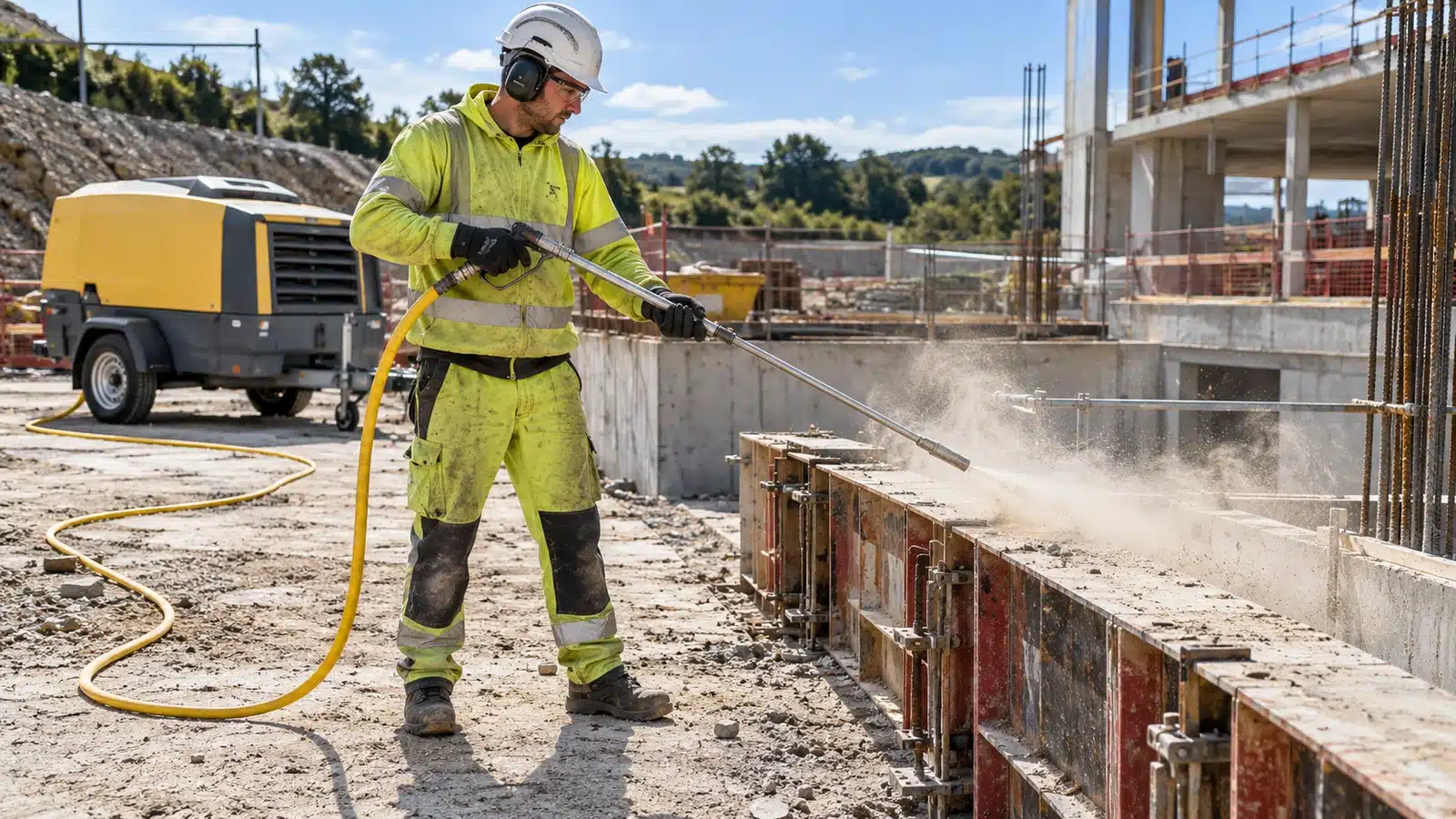
Air lance hire in Reading clears dust, grit and loose debris from formwork, reinforcement and holding-down bolts before a pour. Coppard supplies the lance and, where needed, the compressor to run it.
An air lance blasts compressed air through a narrow nozzle to clear a surface before concrete, screed or a coating goes down. Leftover dust weakens the bond, so clearing it well matters more than it might seem.
Dust Left Behind Weakens Every Pour That Follows
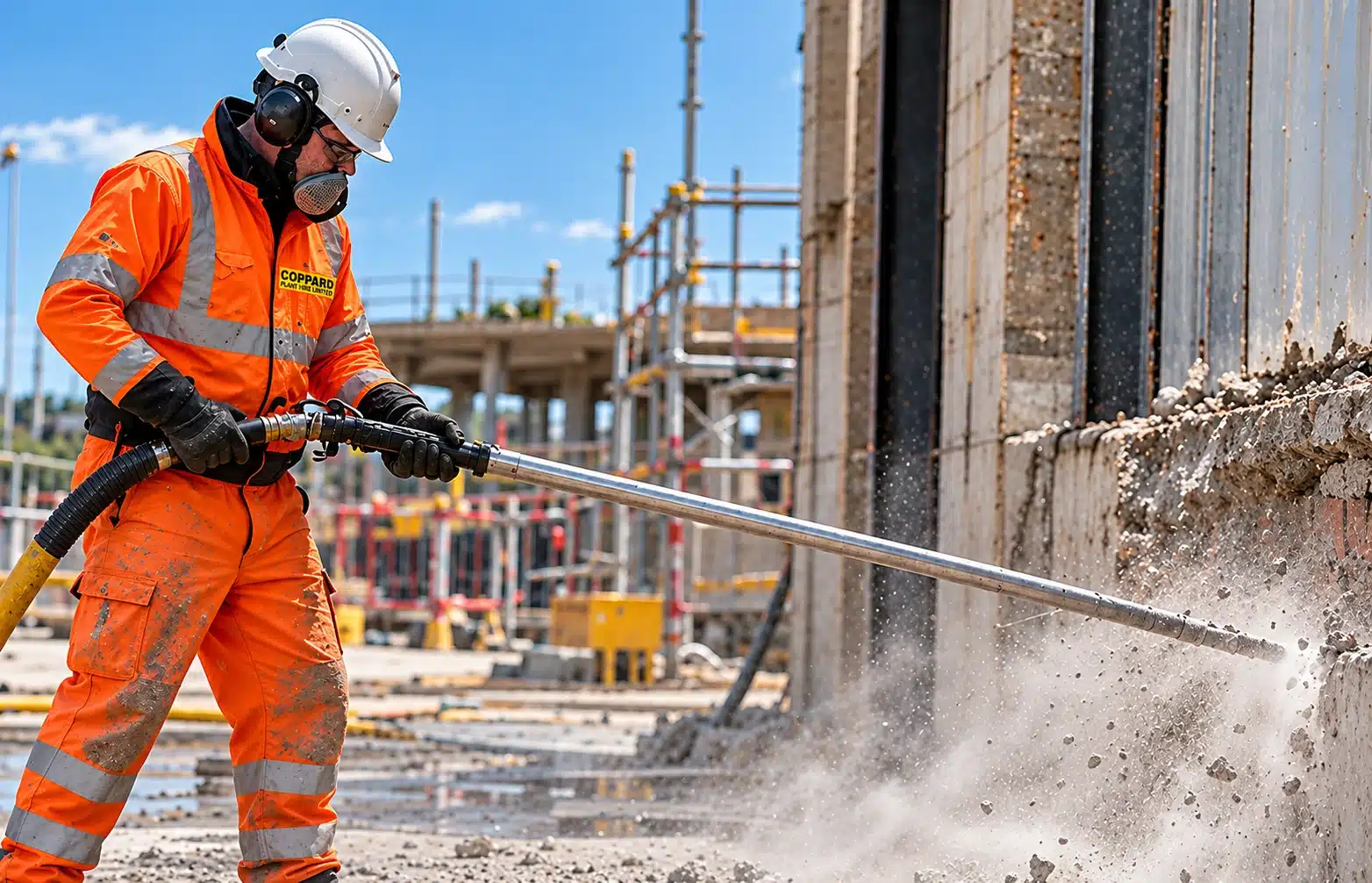
Cement dust, loose stone and site grit sitting in formwork or around rebar stop new concrete bonding well to what is underneath or around it on the pour. The problem often is not seen until the pour has cured and a weak patch shows up later. By then, fixing it costs far more than clearing it well would have in the first place.
An air lance reaches into corners, around bar cages and along holding-down bolts that a brush or vacuum cannot get into well. It clears the surface fully, not just the parts that are easy to reach from a standing position without stooping or climbing into the formwork.
Pair the Lance With a Compressor That Gives It Enough Air
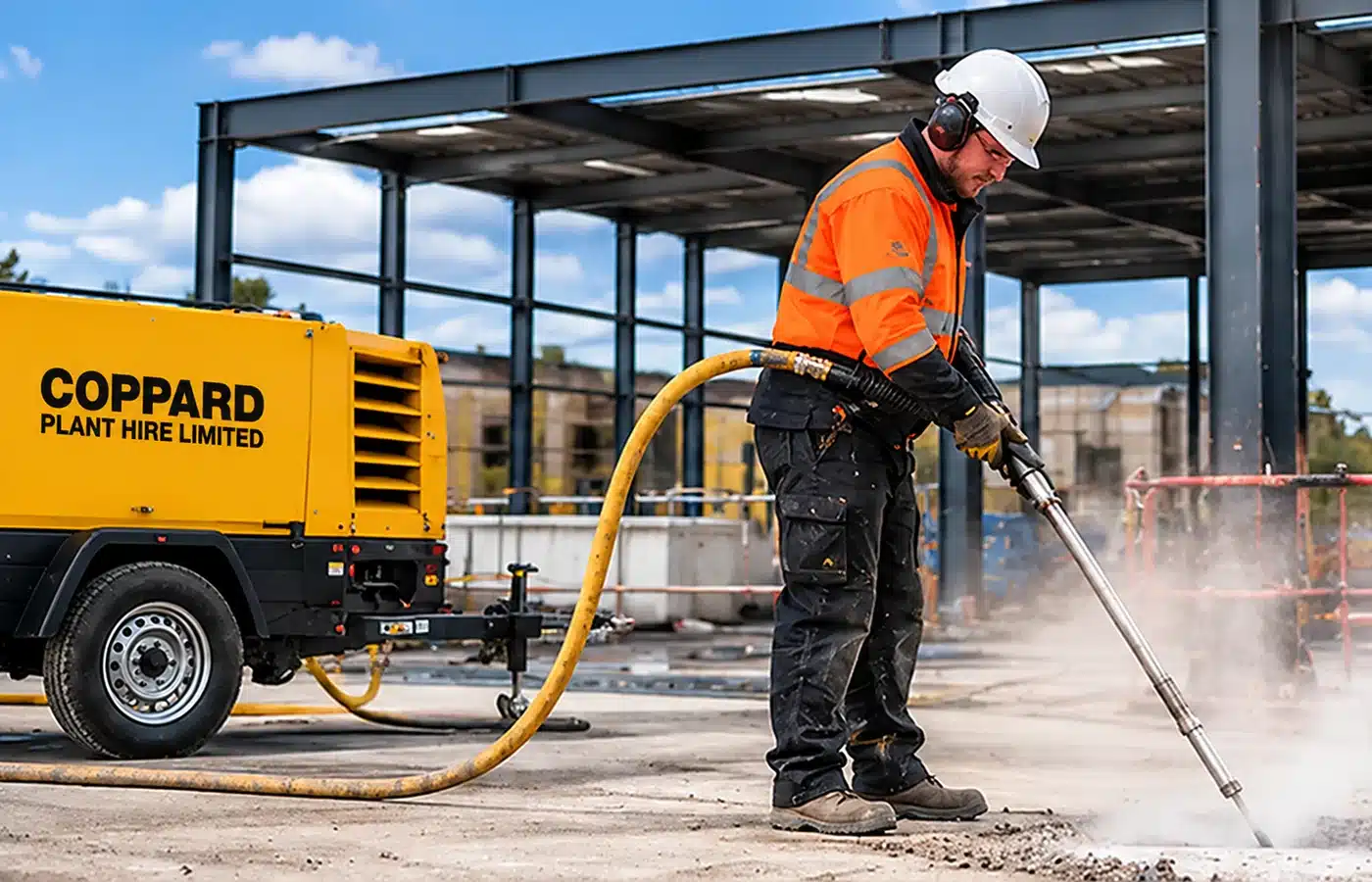
See our other Air Compressor Supplier services on the Reading Air Compressor Supplier page, and check lance and compressor pairings on the Compressor Equipment collection. A lance starved of air clears a surface slowly, and loses pressure at the moment you need a strong, steady blast into a corner or a tight gap. Coppard sizes the compressor to the lance, rather than leaving you to guess whether an existing machine on site is enough.
Call 0118 979 2828 and tell the depot the scale of your pour. The team will confirm a lance and compressor combination that clears well without stalling halfway through the area you need done. A well-matched pairing also means less wasted time waiting for pressure to build back up between passes across a large pour area.
Technique Clears Faster Than Raw Power Alone
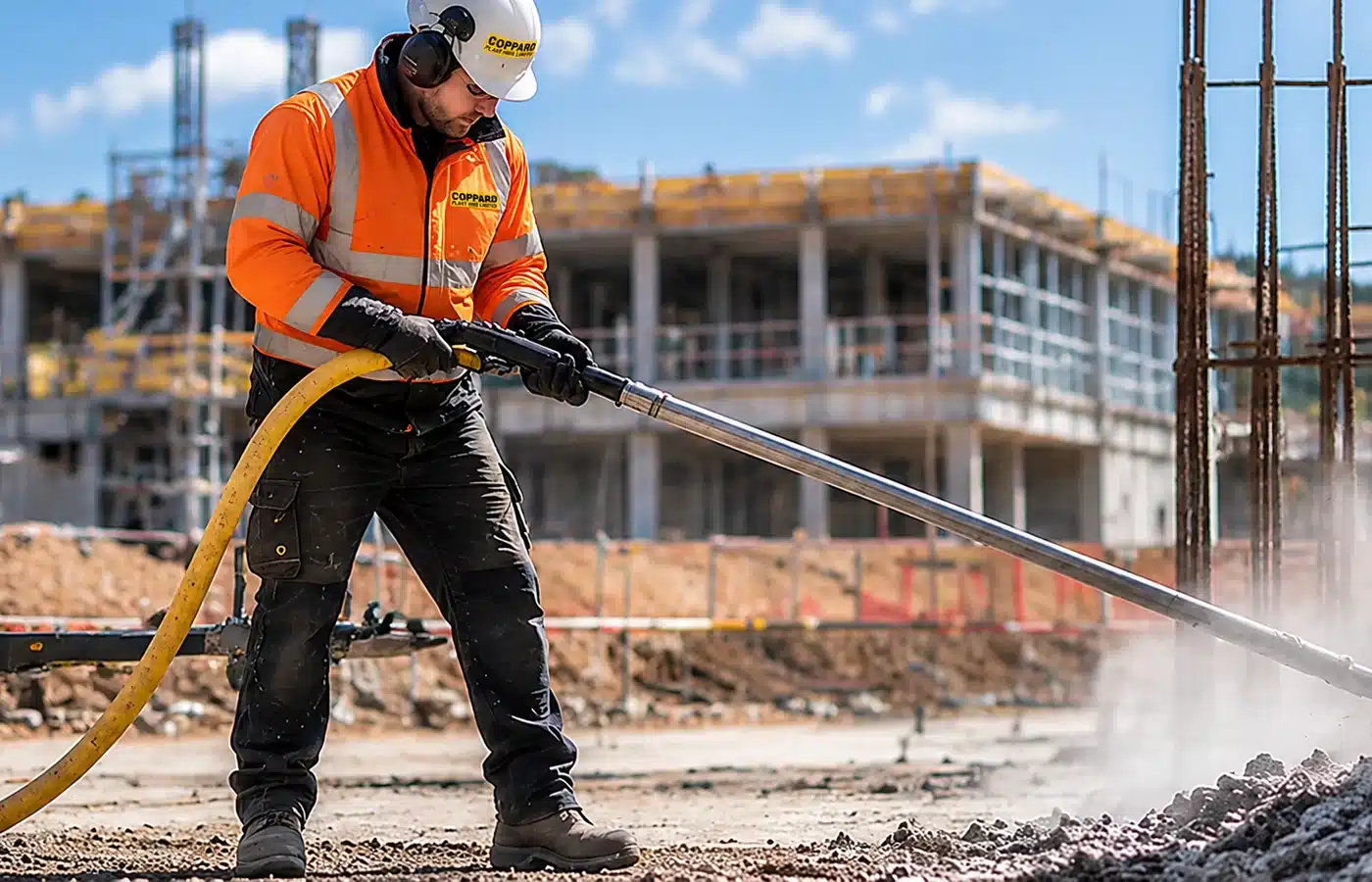
Work in overlapping passes, starting at the highest point and letting gravity carry debris down and out. This clears a surface faster than blasting randomly at the same few spots over and over with no clear pattern. Angling the nozzle along a surface, rather than straight at it, also lifts dust without pushing it deeper into a gap or a corner.
A steady pass across the whole area, corner to corner, takes less time overall than going back again and again to patches missed the first time round. It also leaves a more even surface for whichever pour follows, with fewer weak spots for the concrete to find later. Keeping a steady, even pace across the whole area also helps the next trade see clearly where the surface still needs attention.
Tell the Depot the Pour Date, Not Just the Area
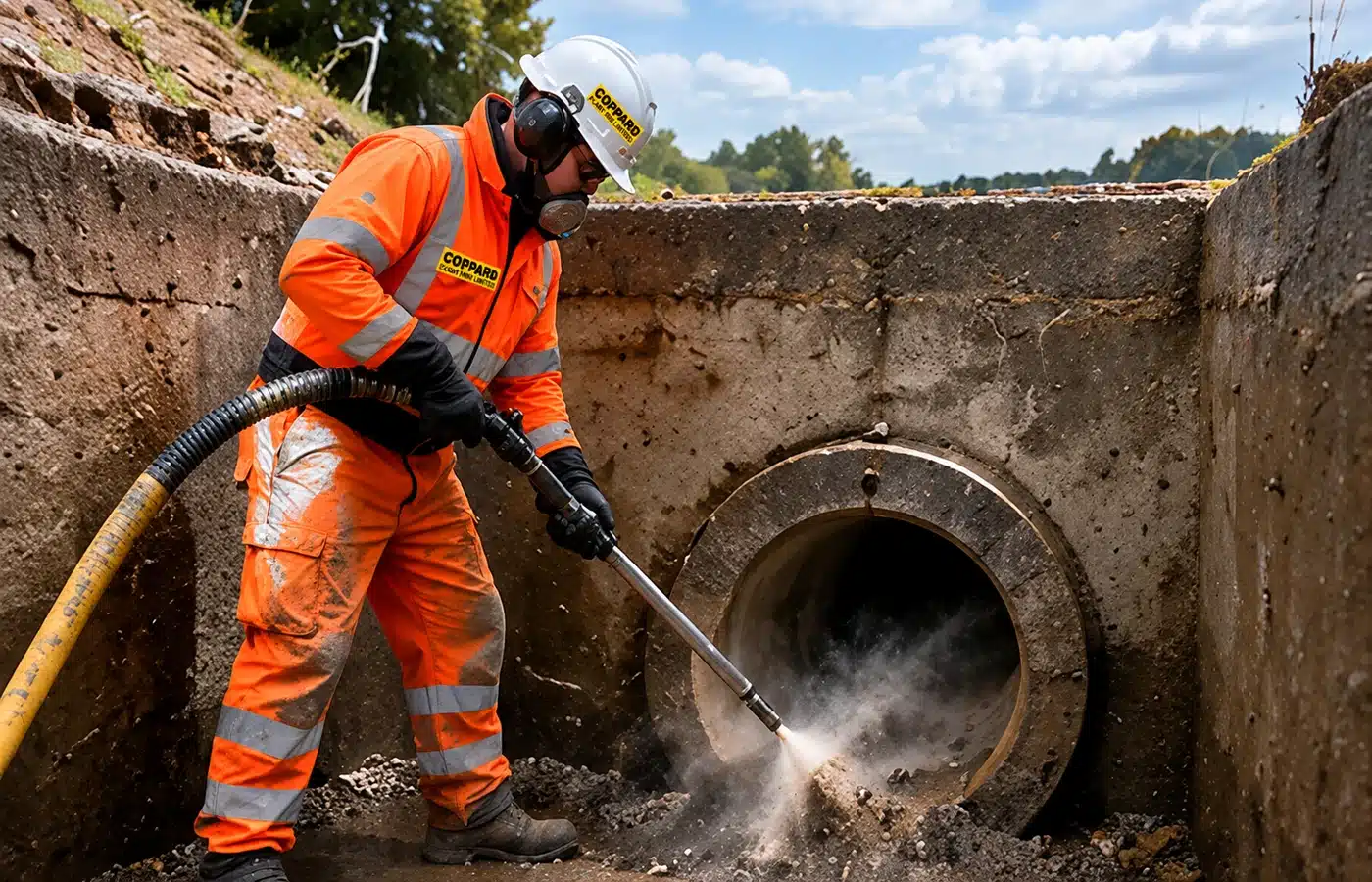
Lance hire is almost always booked against a fixed pour date. Tell the Reading depot just when concrete is due, rather than giving a rough window. Phone 0118 979 2828 with the pour date and the formwork size. The team will time delivery so the lance arrives with enough lead time to clear well, not rushed in the hour before the mixer turns up.
If the pour date shifts, even by a day, let the depot know as soon as it changes. This way, the booking can move with it, rather than clashing with the new schedule, mainly once concrete has already been ordered for that new date. A short call early on, rather than a rushed one on the morning of the pour, gives the depot the best chance of fitting your booking in well.




Collection from Reading or Delivery Across the Catchment
Collect the lance yourself from the Reading depot if you are passing nearby on another job. Or have it delivered to site across Reading, Wokingham and Bracknell instead, if a detour is not practical that day. Since lance hire is often short and tied to one pour, many crews find collection on the day the simplest fit for an already busy schedule.
Call 0118 979 2828 to book either way, and confirm the pour date so the team can have everything checked and ready. Whichever option suits your schedule and crew better, there is no last-minute scramble once the mixer is on its way. Either way, booking a day ahead rather than on the morning itself gives the depot time to have the right lance ready and waiting.
Frequently Asked Questions
Why does dust left in formwork cause problems later?
Dust, grit and loose stone stop new concrete bonding well to the surface underneath or around it once the pour goes in. The weak spot this creates is often hidden until the pour has fully cured, and by then repairing it costs far more than clearing the dust would have done. An air lance reaches corners and tight gaps that a brush alone cannot clear well.
What size compressor does an air lance need?
The lance needs a steady, strong supply of air. A compressor that is too small loses pressure right when you need a focused blast into a corner or gap. Coppard matches the compressor to the lance and the scale of your pour, so you are not left guessing whether an existing machine on site is enough for the job. Booking the right compressor for the lance from the start avoids this problem entirely, rather than discovering it partway through a pour.
What is the best technique for clearing formwork with a lance?
Work in overlapping passes starting from the highest point, letting gravity carry debris down and out rather than fighting against it. Angle the nozzle along the surface rather than straight at it, which lifts dust clear instead of pushing it further into a gap. A steady pass across the whole area clears faster than going back again and again to the same missed patches. This pattern also leaves a more even surface for whichever pour follows, with fewer weak spots left for the concrete to find later on.
How far ahead of a pour should I book an air lance?
Book as soon as your pour date is set, and tell the depot the exact date rather than a rough window. This gives enough lead time for the lance to arrive and the surface to be fully cleared before the mixer turns up, rather than rushing the job in the final hour. If the date shifts, let the depot know as soon as it changes.
What UK guidance covers using compressed air equipment like a lance?
Work equipment rules cover equipment like an air lance, including the risk of injury from a jet aimed at skin or used to clean clothing, which can force air into the body and cause serious harm. Always point the lance away from people, wear eye protection, and never use it to clean yourself or someone else down. Read more on legislation.gov.uk: Provision and Use of Work Equipment Regulations 1998.
Looking for Air Lance Hire near me?
Call Coppard at 0118 979 2828 to discuss what you need to clear and which compressor will run the lance.