Saw Hire in Melksham, Wiltshire
Saw hire in Melksham for cutting openings, floor sections and service penetrations in working commercial and industrial units. Coppard supplies floor saws, cut-off saws, bench saws, reciprocating and woodworking saws across Wiltshire. Call 01380 828988 with the cut, the building’s operating hours, and the dust or noise sensitivity around it.
Cutting an opening for new services, a floor section for a drain, or a doorway through an existing wall in a working Wiltshire commercial unit usually has to happen without stopping the wider business for longer than planned, and the dust, noise and vibration from cutting reach further into a live building than they would on an empty construction site.
Plan the Cut Around the Building Staying Operational
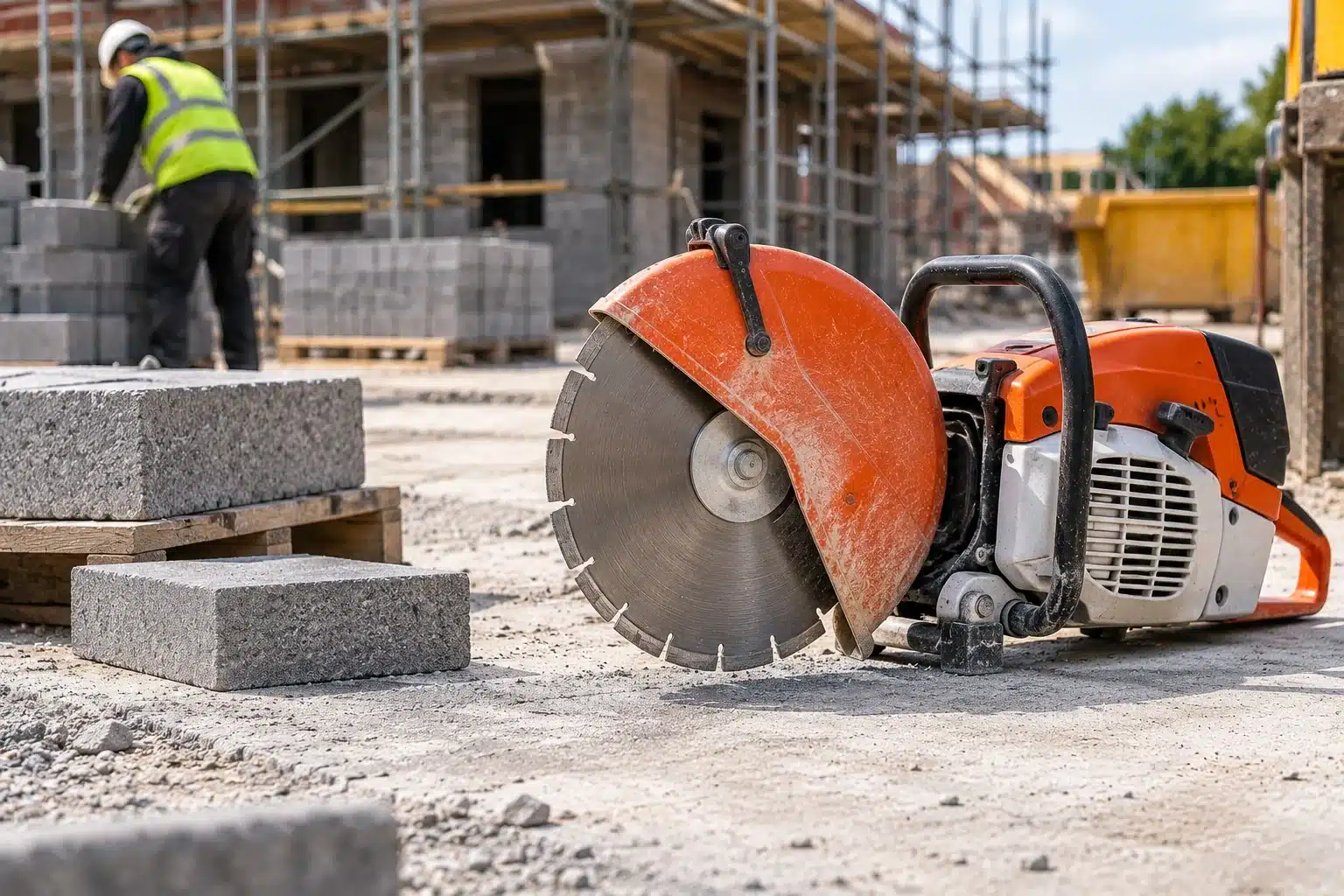
A cut through a floor or wall in an operating unit affects more than the immediate work area, noise carries through the structure, dust travels beyond the cutting point, and the opening itself may need to be made safe before the building can be left overnight. Plan the cutting sequence around keeping the rest of the operation running, not just around the technical requirements of the cut itself.
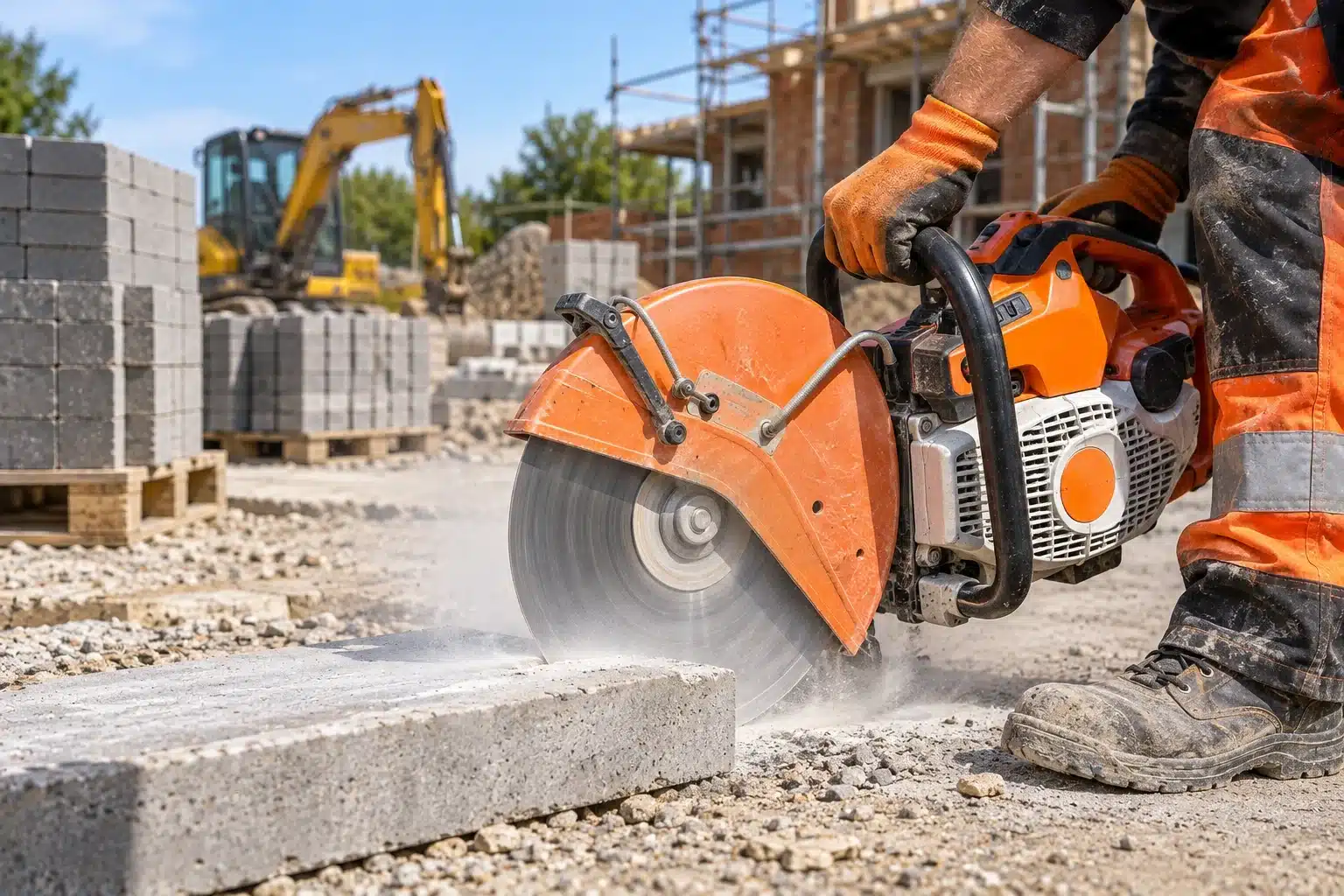
Through the Melksham Tool Rental Service, confirm which cutting method creates the least disruption for the specific building, since a wet-cut method controlling dust may suit an occupied unit better even if a dry method would technically be quicker, and the extra time is often worth it for a building that has to keep functioning around the work.
Sequence Multiple Cuts to Minimise Repeated Disruption

Where a job needs several cuts, service penetrations, floor openings, door widenings, across a working Melksham unit, plan the sequence to complete as much as possible in one disruptive period rather than returning repeatedly and disturbing the operation each time. The Coppard saws collection covers floor saws, cut-off saws, bench saws and more, and often several of these are needed together for a multi-cut job.
Group similar cuts together and plan the noisiest or dustiest work for whatever quiet period the building has, rather than treating each cut as a separate booking scattered through the working week.
Control Dust and Noise for an Occupied Building
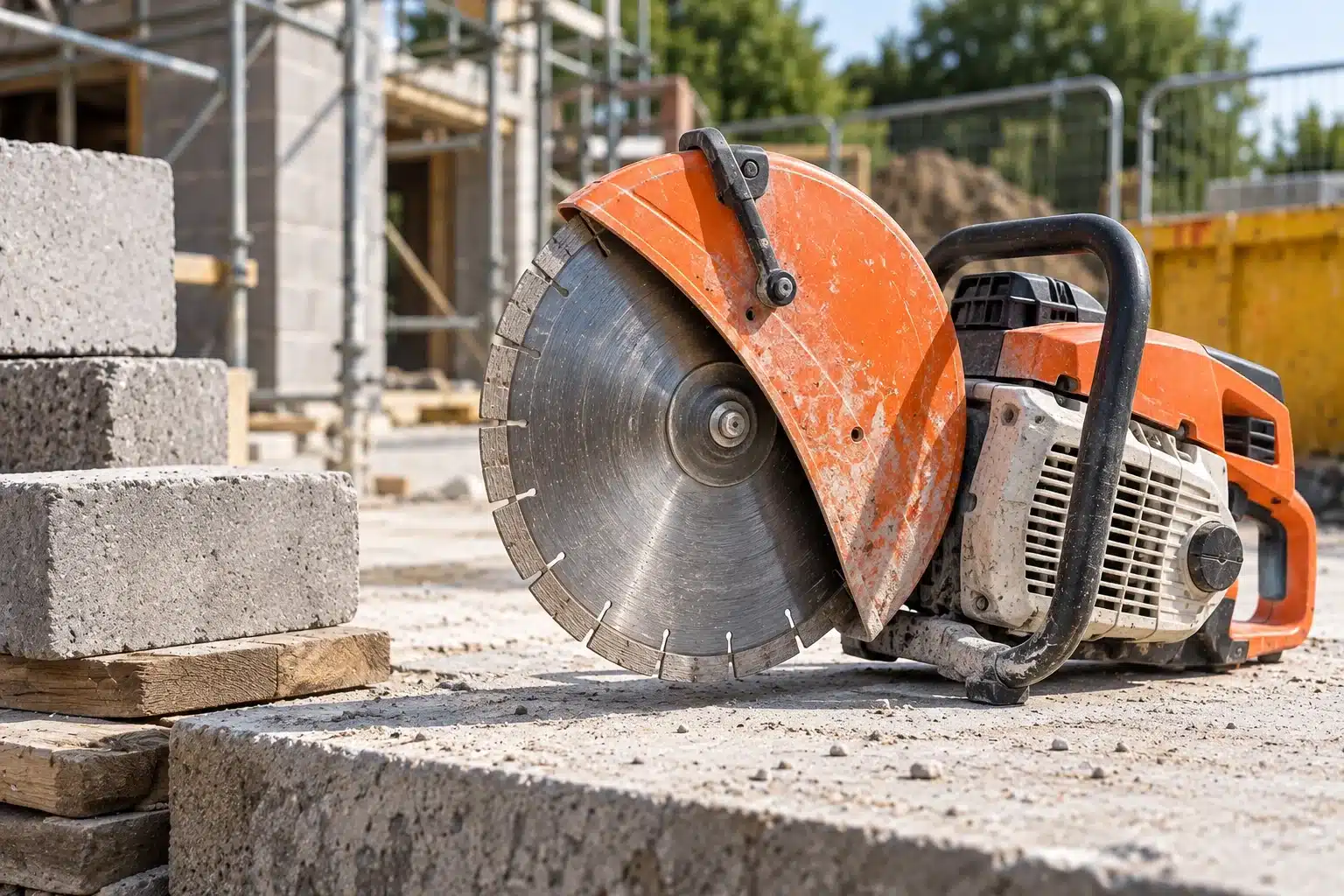
Dust from dry cutting can travel through a building’s ventilation or simply drift into occupied areas, and noise from cutting transmits through structure further than people expect, so confirm the water or dust-control requirement for the exact saw and consider containment around the cutting area itself, plastic sheeting, temporary screens, not just at the machine.
Where the building has sensitive areas nearby, offices, a retail floor, a process needing a controlled environment, plan the cut timing and containment specifically around protecting those areas rather than a generic dust-control approach that assumes an otherwise empty building.
Confirm the Opening Is Made Safe Before Leaving Site
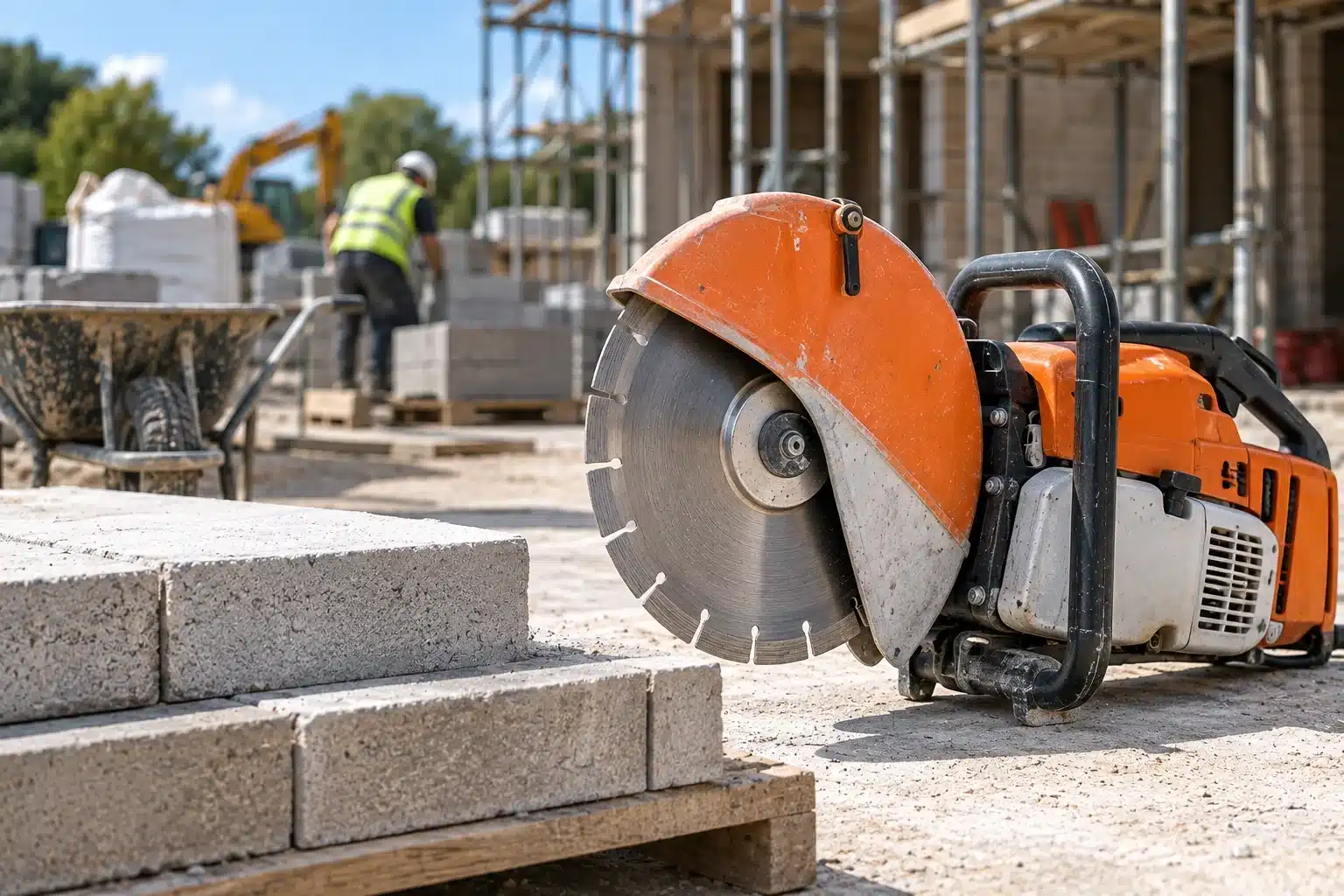
An opening cut through a floor or wall in a working building needs to be safely covered, barriered or otherwise made secure before the crew leaves, especially if the building remains occupied or operational, rather than left as an open hazard overnight. Plan this as part of the job, not an afterthought once the cutting itself is finished.
Where the cut is a step toward installing new equipment or services, coordinate the timing so the opening does not sit exposed for longer than necessary between the cutting and the next stage of work, minimising the period the building has a hazard it would not otherwise have.



Tell the Melksham Depot the Building and the Cuts Needed
Give the material, the cuts needed across the whole job, the building’s operating hours and whether it stays occupied during the work, and any particularly dust or noise-sensitive areas nearby. Say whether water or dust control is required.
The team can confirm the saw and blade set-up across the full job, for work across Melksham and the wider Wiltshire area, rather than one cut at a time. Call 01380 828988 with the building’s operating pattern described, so the cutting sequence is planned around keeping the business running.
Frequently Asked Questions - Saw Hire in Melksham, Wiltshire
How do I cut an opening without disrupting a working building?
Plan the cutting sequence around keeping the rest of the operation running, since noise carries through the structure and dust travels beyond the cutting point in an occupied building. A wet-cut method controlling dust may suit an operating Melksham unit better even if a dry method would be technically quicker, and the extra time is often worth it to avoid disrupting the wider business more than necessary.
Should several cuts be done together or separately?
Together where possible, if the job needs multiple cuts, service penetrations, floor openings, door widenings, across the same building. Completing as much as possible in one disruptive period beats returning repeatedly and disturbing the operation each time. Group similar cuts and plan the noisiest or dustiest work for whatever quiet period the building genuinely has, rather than scattering separate bookings through the week.
How do I stop dust reaching occupied parts of the building?
Confirm the water or dust-control requirement for the exact saw, and add containment around the cutting area itself, sheeting or temporary screens, not just relying on the machine’s own dust control. Where offices, a retail floor or a sensitive process sit nearby, plan the timing and containment specifically around protecting those areas rather than assuming a generic approach covers an occupied Melksham building.
What happens to the opening once the cut is finished?
It needs to be made safe, covered, barriered or otherwise secured, before the crew leaves, especially if the building stays occupied or operational, rather than left exposed overnight. Plan this as part of the job rather than an afterthought, and if the cut is a step toward installing new equipment or services, coordinate timing so the opening does not sit exposed longer than necessary before the next stage begins.
What UK rules cover noise from powered saws?
The Control of Noise at Work Regulations 2005 require employers to assess and control workplace noise, which powered cutting readily produces at high levels. The text is at Control of Noise at Work Regulations 2005 on legislation.gov.uk. In an occupied Melksham commercial building, that also means considering the noise reaching people who are not doing the cutting work at all, not just the operator.
Need saw hire in Melksham?
Tell us the cuts needed, the building’s operating hours, and any dust or noise sensitivity. Call Coppard on 01380 828988.