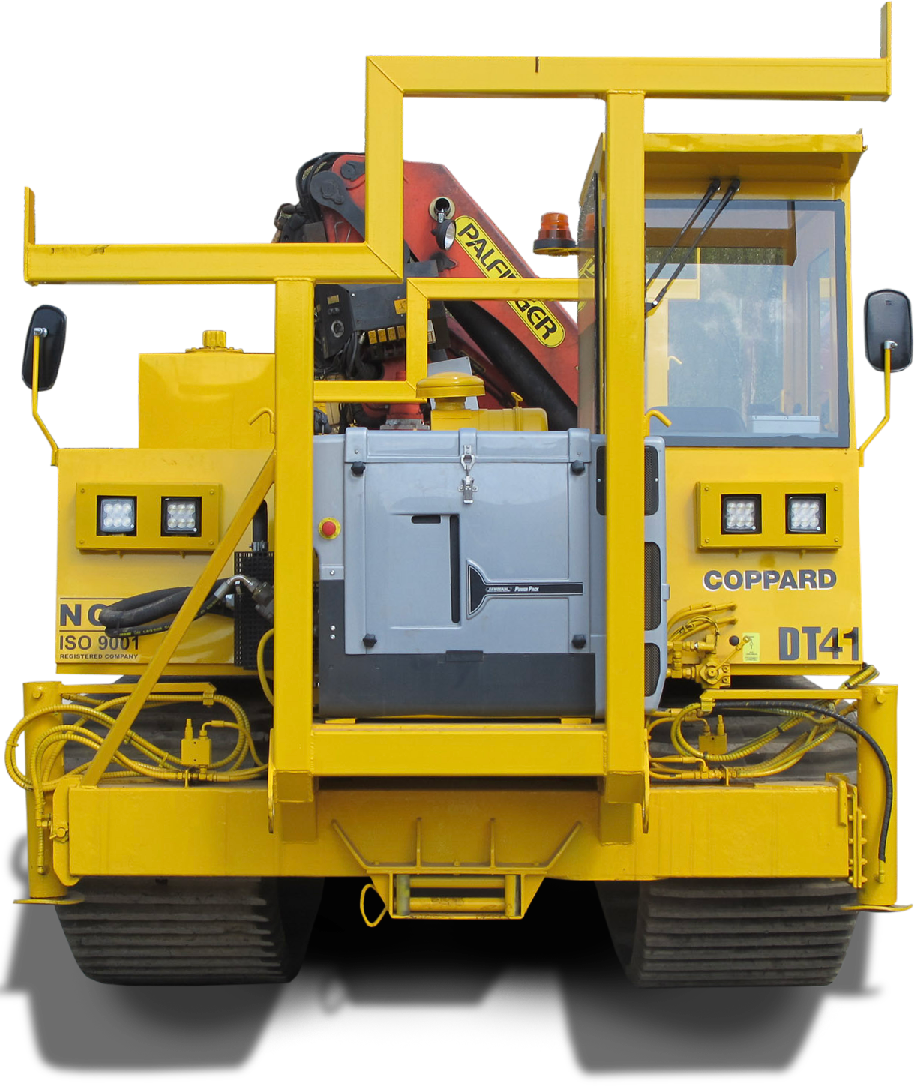
Saw Hire in Godstone, Surrey
Saw hire in Godstone for cutting through concrete, asphalt, masonry, tile and timber. Coppard’s Surrey range takes in floor and cut-off saws, bench saws, a reciprocating saw and woodworking saws. Call 01883 743322 with the material, the blade the cut needs and whether water or dust control is required.
The machine gets a lot of attention, but the thing that most often stalls a cutting job is the blade and the mess it makes. A saw that arrives without the right blade, or without a plan for the slurry and dust, is as good as no saw. So on a Godstone job the useful first thought is the consumable and the by-products, not just the machine class.
The Blade, and Whether It Comes With the Saw
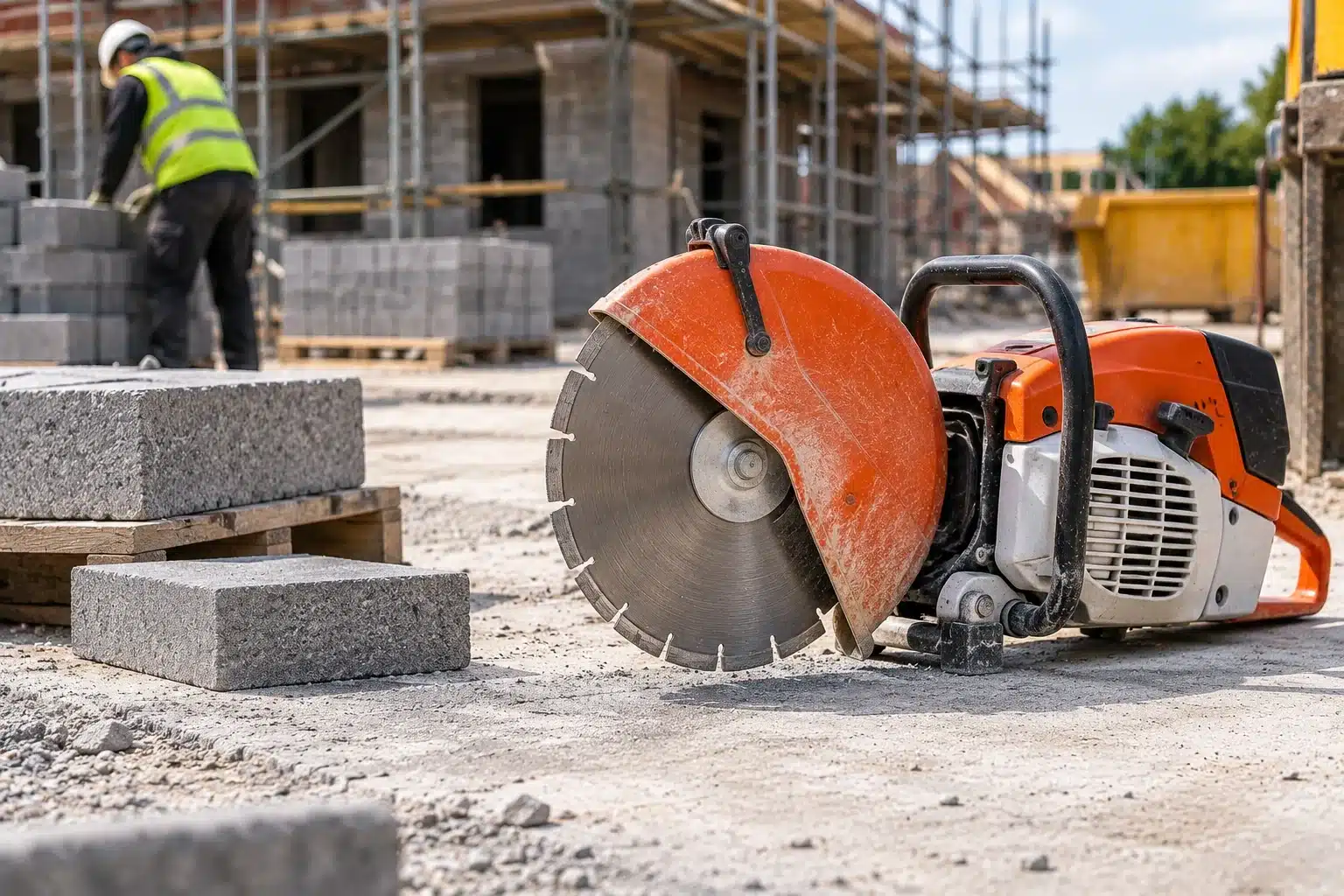
A saw is worth only as much as the blade on it, and the blade has to answer to what is being cut: hard concrete, asphalt, brickwork, tile and timber each call for a different edge. Just as important, some machines in the Coppard saws collection do not include the cutting blade in the base hire, and different saws carry different blade or wear arrangements. A blade that physically fits the machine can still be wrong for the material.
So before anything, tell the depot the material and confirm the blade type, any wear or purchase charge, and what is supplied with the exact saw. On a rural Godstone job with no quick second trip, arriving with the machine but the wrong blade, or no blade, loses the day, so this is worth settling at the point of hire rather than on site.
Plan the Water, Slurry and Dust Before Cutting
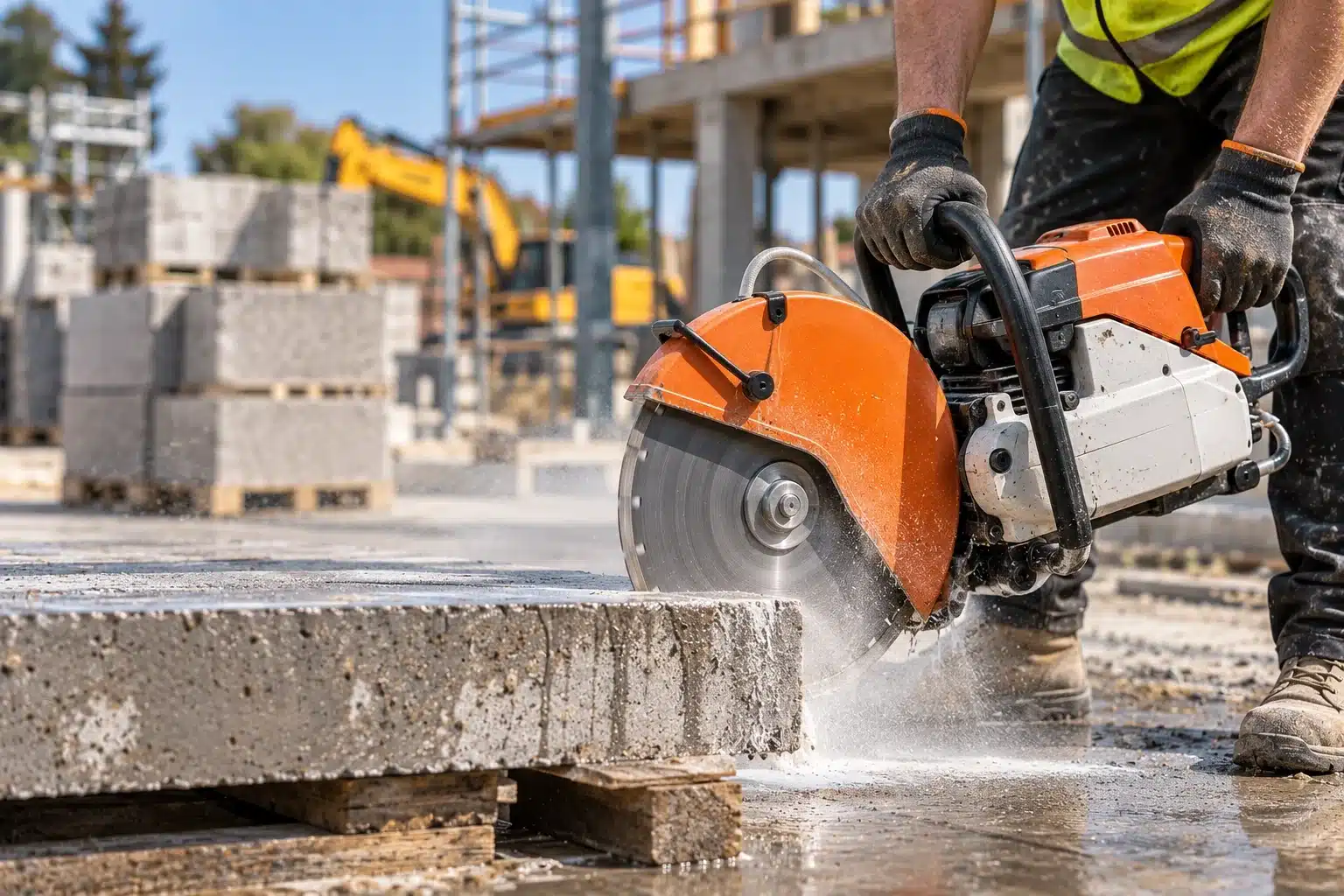
Cutting makes dust, slurry or blade wear that is part of the method, not an afterthought. Some concrete and masonry saws use water to cool the blade and hold the dust down, and that water then becomes slurry that has to go somewhere, which on a rural Godstone plot may mean a ditch or soakaway you must keep it out of. Confirm the water requirement for the exact saw, and plan where the slurry ends up.
For dry cutting, plan the dust: extraction or containment inside a building, and simple awareness of where it drifts outdoors near stock or feed. Timber cutting brings different waste and blade points but still wants a clean, supported work area. Sorting the water and the dust when you book, through the Godstone Tool Rental Service, is what keeps the cut from creating a second problem.
Floor, Handheld or Bench for Where the Cut Sits
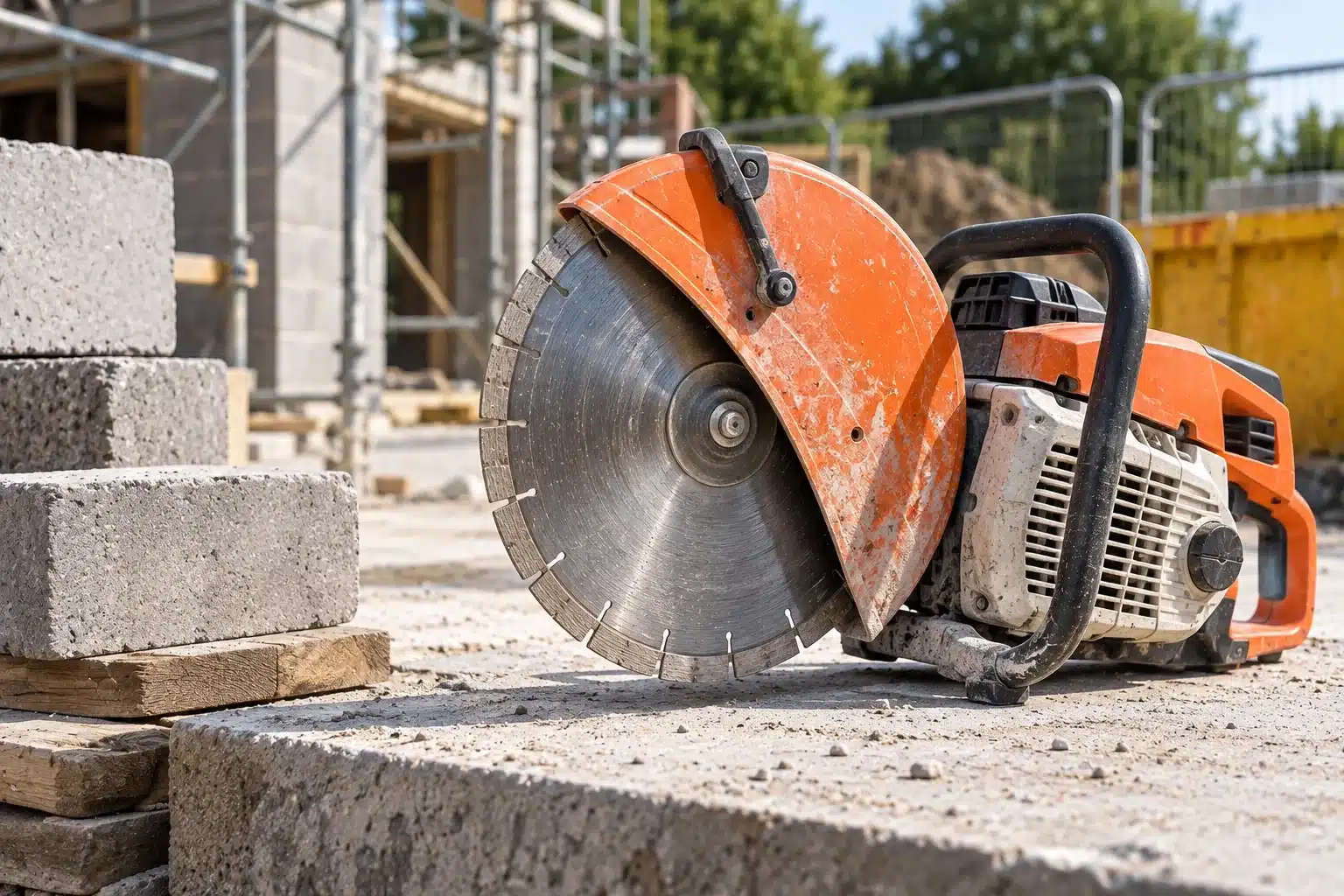
Once the blade and the by-products are dealt with, the format follows the cut. A floor saw tracks a set line over a slab or a yard; a handheld cut-off saw reaches into an opening or a tight spot a frame will not; a bench saw takes repeated brick or tile work with the material fed to it; and timber is its own job again.
On a Godstone estate or farm it is often where you have to stand to make the cut that settles it, a floor cut, a wall-height piece, loose material or bench timber each lead somewhere different. Say where the cut is and whether the site takes water or petrol gear, and the class closes in before blade diameter or the number of cuts matters.
Blade Size and Cut Depth Are One Question
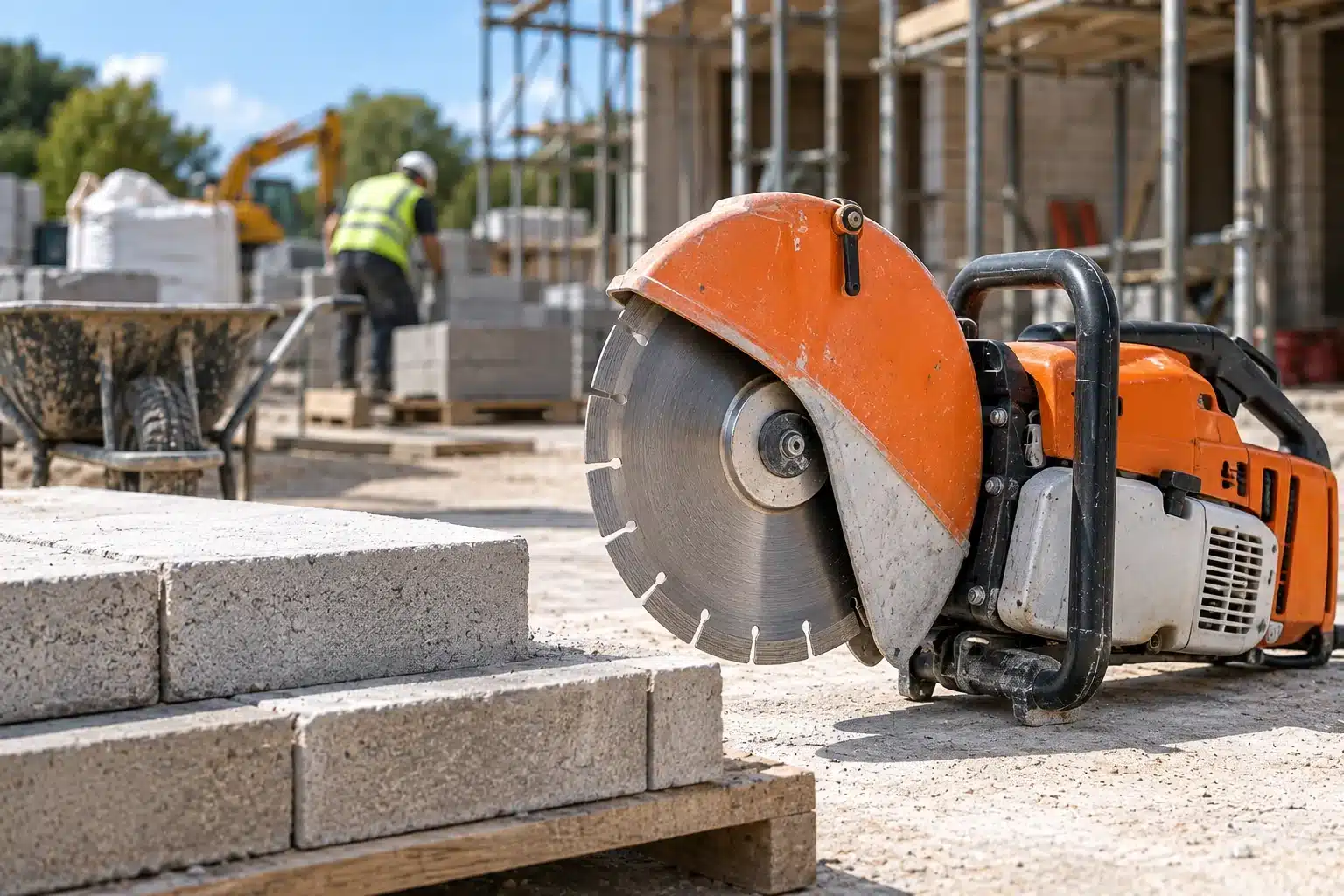
Blade diameter sets the ceiling on depth, yet the number stamped on it will not be what you can actually cut in every machine or every material. Cut-off saws are offered in different sizes and the floor saw stands apart again, so confirm the specific machine and blade before you bank on a maximum. Tell the depot the thickness and whether it has to be cut clean through in one go.
For repeated or deep cuts, how stable the machine is and how the water or dust is dealt with can count for as much as the diameter, so set out the cut instead of quoting a blade size. Rail and wall-cutting fall outside the usual range, so raise them as a question where the Godstone job needs them rather than expecting them to be in stock.






Tell the Godstone Depot the Material, Blade and By-Products
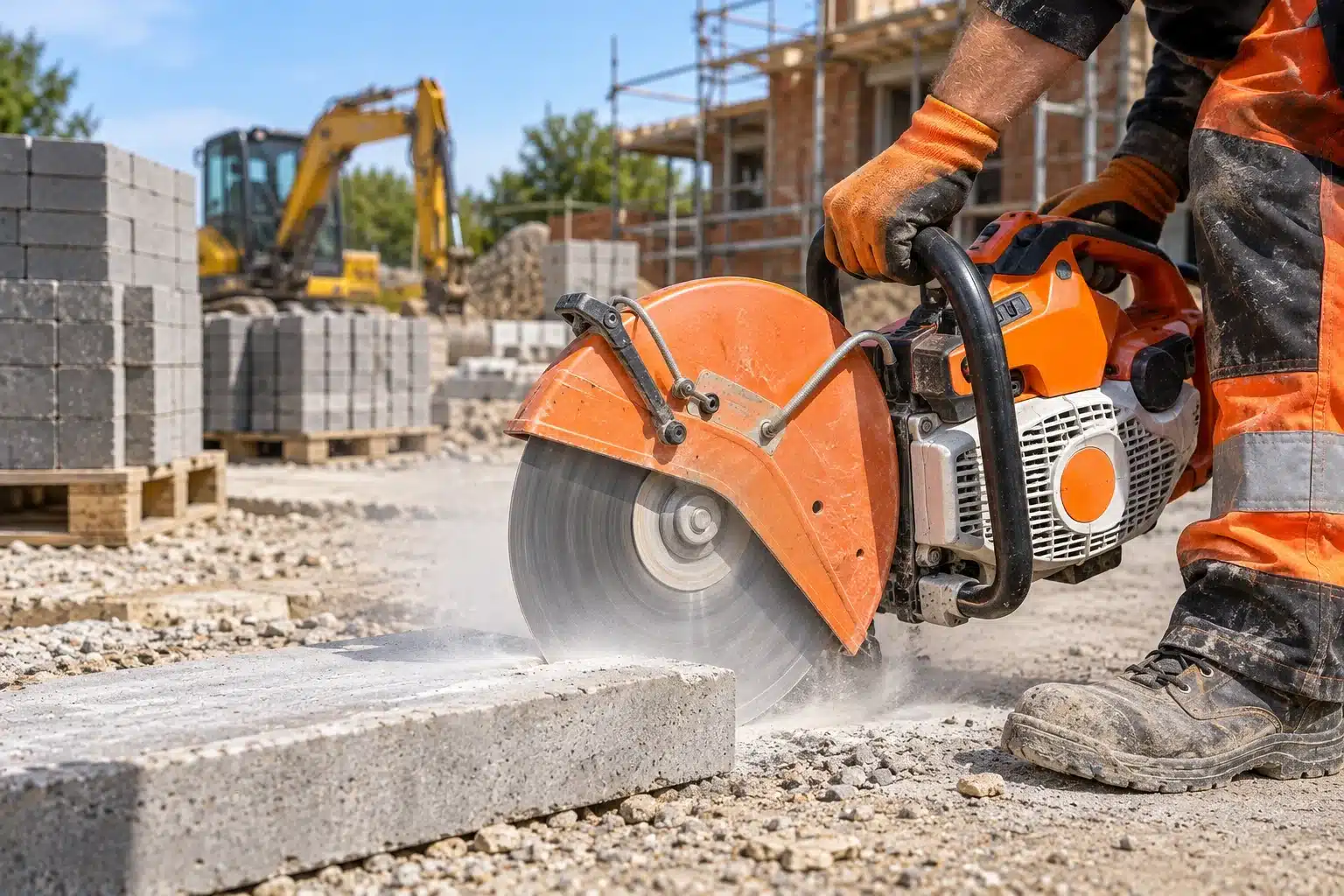
The booking details that matter are the material, the blade the cut needs, where the cut sits, the access, and whether water or dust control is required. Say whether the site can take water or petrol equipment, and flag a rural setting where slurry or dust must be kept from a ditch, a soakaway or stored feed.
The team can then match the saw and confirm the blade and water arrangement, for work across Godstone and the wider Surrey area, rather than sending a machine that turns up unable to cut. Call 01883 743322 before collection, especially where the blade is not included or the by-products need managing on a rural plot.
Frequently Asked Questions - Saw Hire in Godstone, Surrey
Is the cutting blade included with the saw?
Not with every saw, so establish it first. On some, the floor saw among them, the blade is not part of the base hire, and machines differ in how blades and wear are charged. Nail down the blade type, any wear or purchase cost and the material ahead of collection, because concrete, asphalt, brickwork, tile and timber each demand their own. On a rural Godstone job with no easy return trip, showing up with the wrong blade, or none, writes off the day, so settle it at booking.
Do I need water for a concrete or masonry cut?
Where the saw is built for it, water keeps the blade cool and holds the dust, but the result is slurry you then have to manage, and on a rural Godstone plot that means keeping it off a ditch or soakaway. Confirm the water need for the specific saw instead of running water through gear that is not made for it, and settle the slurry’s destination before you start, so a run-off problem does not arrive the moment the blade cuts in.
Floor saw or handheld cut-off saw?
A floor saw takes a planned line across the flat, a slab or a yard, and holds depth along the run; a handheld cut-off saw is the versatile tool for openings, edges and confined positions, but the line depends far more on the operator’s hand. Weigh the material, the depth, the direction and the room, and hand the depot the position of the cut on your Godstone site instead of leading with blade diameter.
What should I tell the depot when hiring a saw?
The material, the blade the job needs, where you are cutting, how you get to it, and whether water or dust control is wanted, plus whether the site can run water or petrol equipment. On a rural plot, say where slurry or dust has to be kept off a ditch, a soakaway or stored feed. That lets the depot pair the saw with the right blade and water arrangement before you collect, rather than one arriving unable to cut what is in front of you.
What UK rules cover noise from powered saws?
Powered cutting throws out high noise levels, and the Control of Noise at Work Regulations 2005 put a duty on employers to assess and control it. The text is at Control of Noise at Work Regulations 2005 on legislation.gov.uk. Exposure rises or falls with the saw chosen, how long the cutting runs, the state of the blade and whether a quieter method exists, so bring noise into the plan up front rather than after the machine is running.
Need saw hire in Godstone?
Tell us the material, the blade the cut needs, where the cut sits and whether water or dust control is required. Call Coppard on 01883 743322.