Safety Equipment Hire in Godstone, Surrey
Safety equipment hire in Godstone for work-at-height and confined-space tasks, including remote and lone-working situations. Across Surrey, Coppard’s range covers a full-body harness, a tripod-and-winch unit and breathing apparatus. Call 01883 743322 with the task, the access and how quickly help could reach you.
On an isolated Godstone site, the ambulance is further away and there may be nobody else around to raise the alarm, and that changes what a safe plan looks like more than the height or the depth of the job does. Personal safety equipment only works inside a plan that already answers what happens if something goes wrong and help is genuinely not close by.
Help Is Further Away, So the Plan Has to Cover the Gap
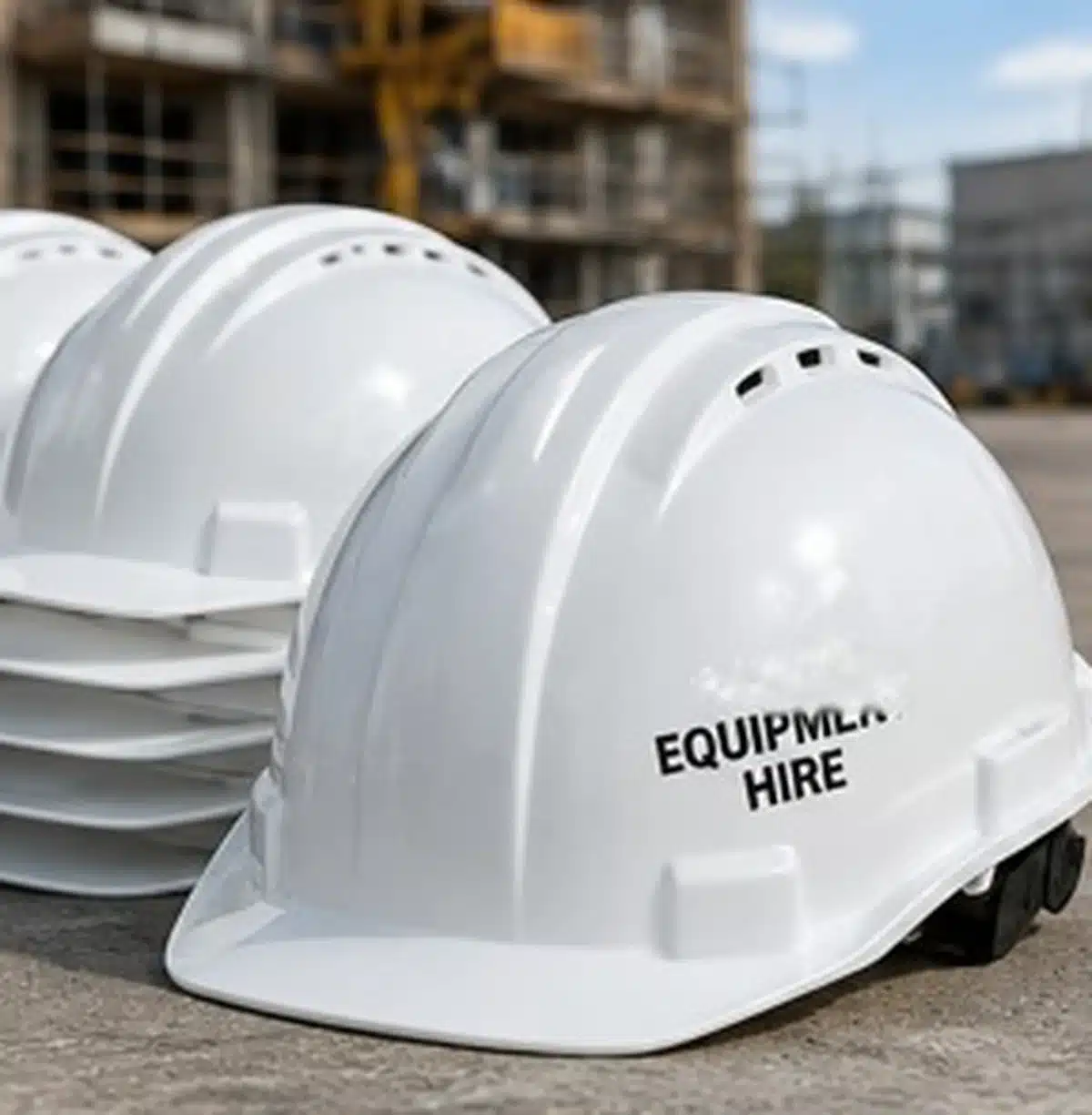
A fall or an incident in a confined space on a remote Surrey plot may not be seen or heard by anyone else, and the response time from outside help is longer than on a town site with people and traffic nearby. That is the first thing to plan for, not an afterthought once the task itself is sorted: how is a problem noticed, who is told, and how long before real help arrives.
A lone or two-person rural job needs its own communication and check-in method as part of the safety plan, alongside whatever equipment is hired through the Godstone Tool Rental Service. If nobody would know for an hour or more that something had gone wrong, the equipment and the method both have to account for that gap rather than assuming help is minutes away.
The Harness Is One Part of a System That Still Has to Suit the Task
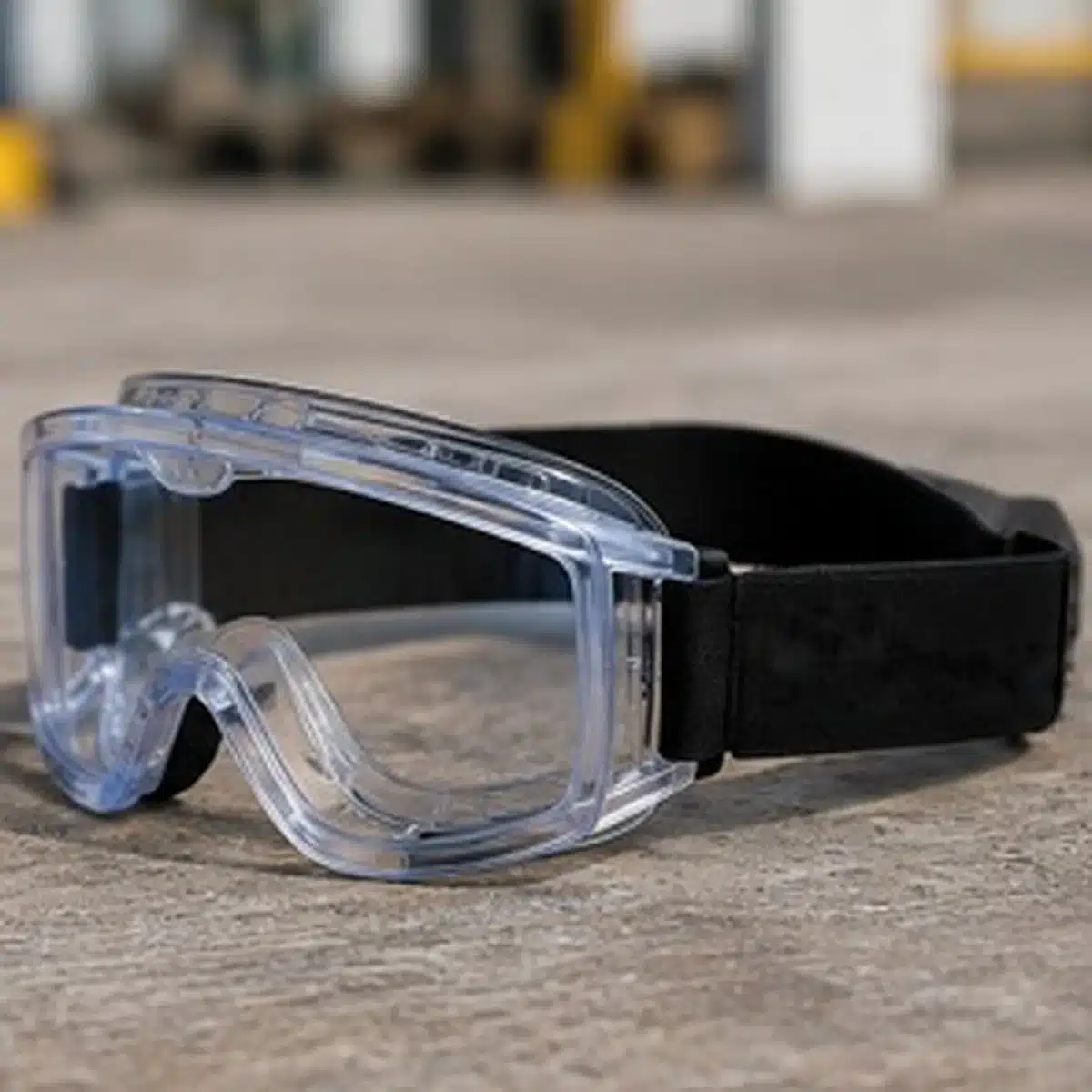
The Coppard full-body safety harness carries a rating for mechanical boom-lift use, and that specification is a useful reminder in itself: a harness never stands alone, it works alongside an anchor, a lanyard or restraint, and the way the wearer moves, all of which decide whether the set-up actually suits the task. On an estate or agricultural building, an anchor that looks convenient, an old barn purlin, a gutter bracket, is not automatically one that will hold.
Describe the access method and the structure to the depot, and confirm what the item is actually rated for and what it is attached to, rather than assuming a hired harness makes any anchor point safe. On a remote site, get that right before starting, because a mistake found only when something fails is a much bigger problem a long way from help.
Confined-Space Recovery Needs a Plan That Works Without a Crowd
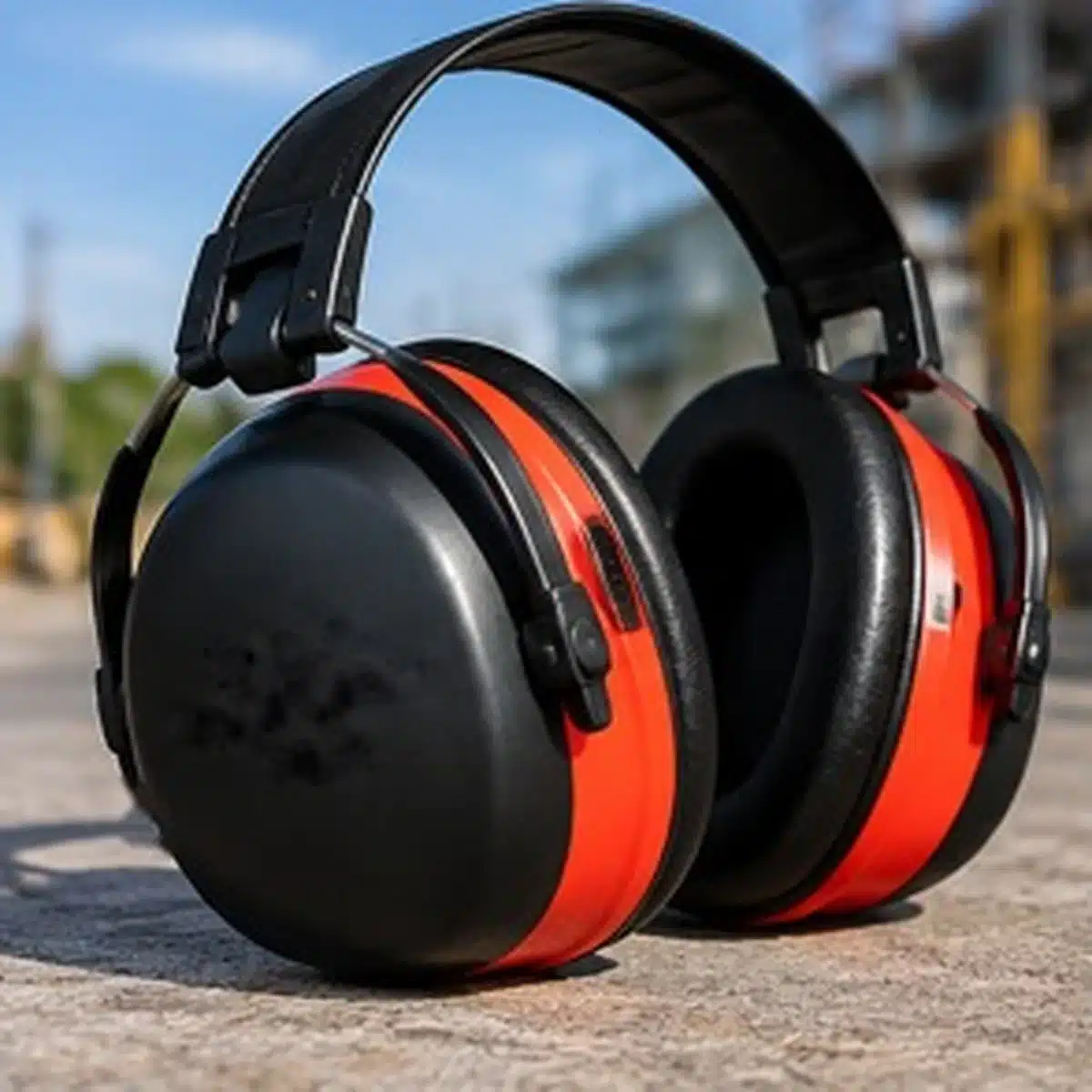
A tripod fitted with a winch, plus breathing apparatus, sit in the range for confined-space work, but on a rural job the real test is not whether the kit is present, it is whether the people on site could actually pull someone out if it went wrong. Look at how big the opening is, where the tripod stands, the line the winch pulls along and the headroom over the entry, and ask honestly whether a pair of hands is genuinely enough for what you are attempting.
A slurry pit, a grain store or an old tank standing well away from other help ought to be treated with a narrower margin for error than the same space on a supervised construction site, not the same margin. Tell the Coppard full-body safety harness what the space is like and how many people you have, so the kit and the plan are pitched to how cut off the job really is.
Confirm the Records for the Exact Item, Wherever You Are Working
It is easy to speak too broadly about inspection and certification on safety gear, so pin the claim to the actual piece leaving with you, wherever it is headed. Get the record, the ID mark and any certificate for the specific harness, lanyard, reel, anchor or rescue item, and be sure whoever uses it knows the checks to make before each use, since a fault discovered on a remote Godstone job cannot be fixed with a quick trip back to base.
It counts for most once several pieces are joined into one system, since both how well they match and the state of each part matter, and an isolated job offers no easy way to swap a bad part mid-task. Getting a precise answer, tied to the actual item, at the point of collection is what keeps the kit trustworthy once you are working somewhere support cannot reach quickly.



Give the Godstone Depot the Task, the Access and the Isolation
A useful local enquiry gives the task, how it is accessed, roughly how high or how deep the entry is, what the attachment or recovery set-up will be, the headcount involved, and how cut off the site is. From there the team says what is available across Godstone and the wider Surrey area, and what paperwork travels with it.
Where the job brings together a boom lift, a confined-space entry or simply a location a long way from help, mention that up front. Ring 01883 743322 ahead of the hire so the fit between the components and the work, and the remoteness of the site, is checked properly rather than assumed to match an ordinary job.
Frequently Asked Questions - Safety Equipment Hire in Godstone, Surrey
Does working on a remote site change the safety plan?
It should, because help is further away and there may be nobody else around to notice a problem. Plan how an incident would actually be noticed, who is told and how long before real help arrives, and set up a check-in or communication method for a lone or two-person job. The equipment hired through the depot is only one part of the answer; the plan for the gap before help arrives is the other, and it needs thinking through separately for a remote Godstone task.
Can any anchor point be used with a harness on a farm building?
No. The harness works only as part of a system with the anchor, the lanyard or restraint, and the way the person moves, and a convenient-looking point on an old barn, an outbuilding or a gutter bracket is not automatically rated to hold a fall. Confirm what the specific anchor is rated for and what the hired item is actually attached to before relying on it, since getting this wrong on a remote site is a far bigger problem than the same mistake somewhere help is close at hand.
Is two people enough for a confined-space entry on a rural site?
That depends on the task and the space, and it is worth asking honestly rather than assuming the kit answers the question. A tripod and winch support recovery, but the real test is whether the people present can carry it out if something goes wrong, especially where the confined space, a slurry pit, grain store or old tank, is a long way from other help. Describe the space and the numbers to the depot so the equipment and the plan match how isolated the job actually is.
Do the items come with inspection and certification records?
Confirm that for the exact item, wherever the job is, rather than assuming it across the fleet. Ask the depot what record, identification or certification comes with the harness, lanyard, reel, anchor or rescue component, and check the pre-use requirements before it leaves for a remote Godstone site, since there may be no quick way to swap a faulty item once you are there. Where several parts form one system, their compatibility and condition both need checking.
What UK regulations govern equipment for work at height?
Under the Work at Height Regulations 2005, work at height has to be planned, carried out by competent people and matched to suitable equipment, with a preference for collective protection where that is reasonably practicable. The text is at Work at Height Regulations 2005 on legislation.gov.uk. For personal kit that means the harness, the anchor, the connectors and the method all have to fit the task, the people doing it, and, on a remote site, how long help would take to arrive.
Need safety equipment hire in Godstone?
Describe the access method, the height or entry, and how remote the site is. Call Coppard on 01883 743322 to check the equipment and its documentation.