Gas Detector Hire in Godstone, Surrey
Gas detector hire in Godstone for slurry pits, grain stores, silos and other agricultural confined spaces, as well as construction tanks and excavations. Coppard supplies portable multi-gas monitoring across Surrey. Call 01883 743322 with what the space has held and how long ago.
A slurry pit, a grain silo and a muck store each carry their own specific, well-documented hazards, hydrogen sulphide from slurry, oxygen displacement from stored grain, that are different from the general confined-space risks on a construction site. Naming what the space actually is, rather than treating every confined space the same, is what gets the right monitor to the job.
Agricultural Confined Spaces Have Named, Specific Hazards
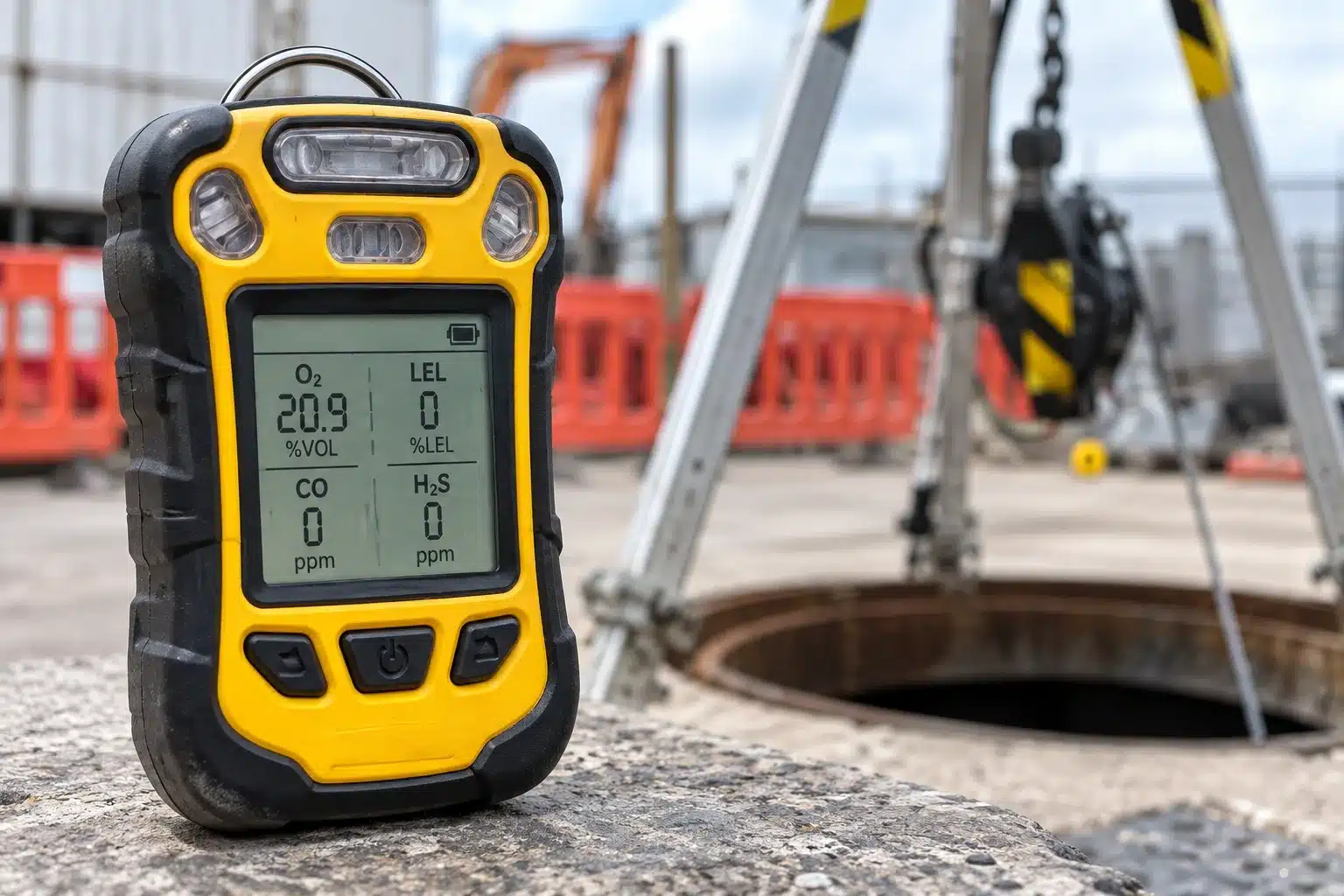
Slurry stores are a well-known source of hydrogen sulphide and methane, gases that have caused serious incidents on farms, and agitating slurry can release a dangerous concentration very quickly. Grain silos and stores carry a different risk, oxygen displacement and the danger of grain itself engulfing someone, which is not primarily a gas-detection problem at all but still demands extreme caution around entry.
Before booking through the Godstone Tool Rental Service, identify which of these specific hazards applies, since a slurry store, a grain store and a general old tank or chamber are not the same problem even though all three might be loosely called a confined space. The equipment and the precautions should follow from what the space actually is.
Match the Monitor to the Named Hazard
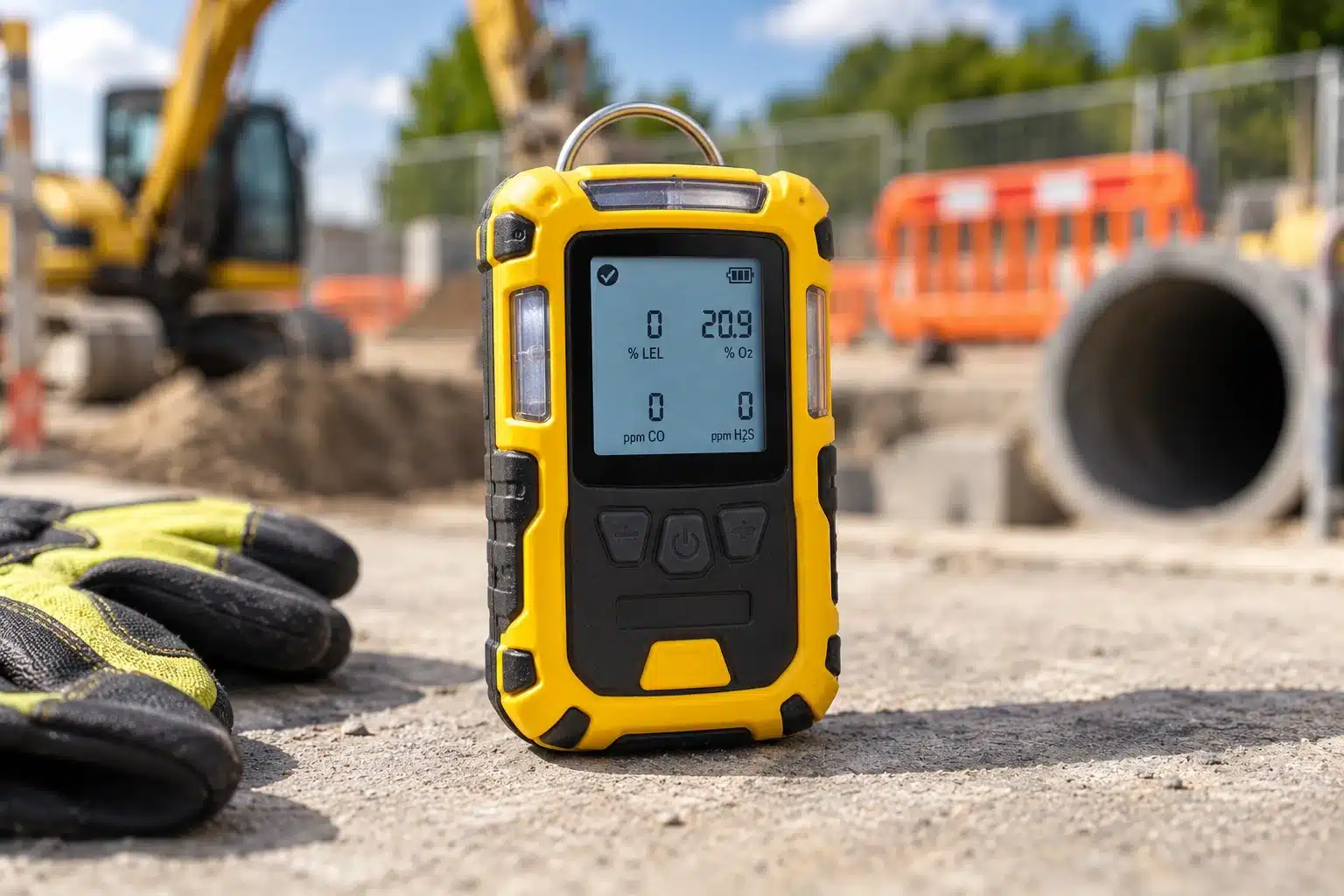
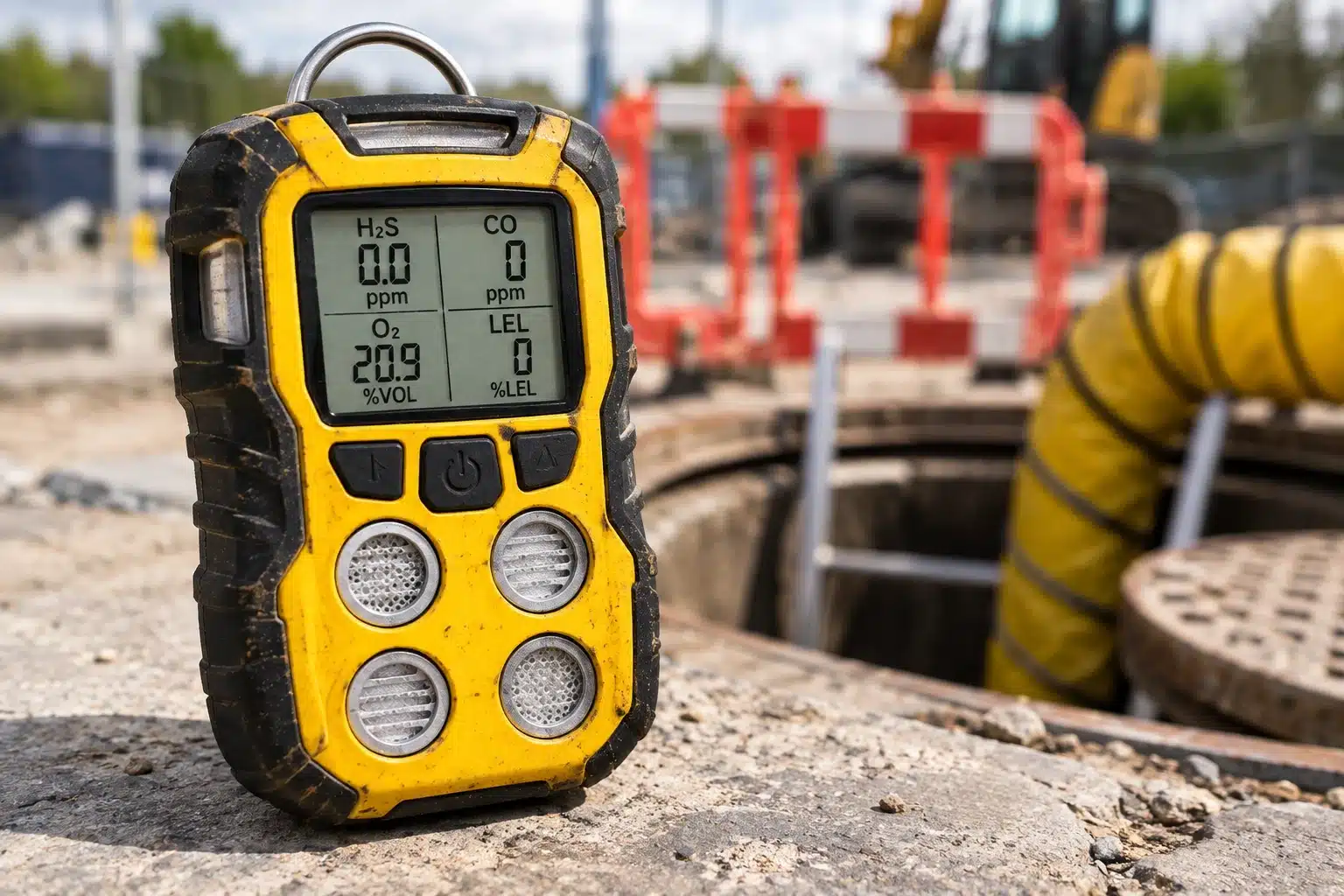
The Coppard gas detector range includes a portable multi-gas monitor covering the common confined-space hazards, oxygen, a flammable gas, carbon monoxide and hydrogen sulphide, which is directly relevant to slurry-related work given hydrogen sulphide’s presence there. For grain-related risk, the primary danger is often engulfment and oxygen displacement rather than a toxic gas needing a specific extra sensor, so the response is as much about entry procedure as detection.
Confirm the sensor configuration against the specific agricultural hazard you are dealing with, rather than assuming a standard multi-gas set-up automatically covers every farm risk. Where the space has held something unusual, chemicals, fuel, an uncommon agricultural process, raise that specifically so the right equipment, or the right advice, is given.
Slurry Agitation Is a Known, Acute Danger
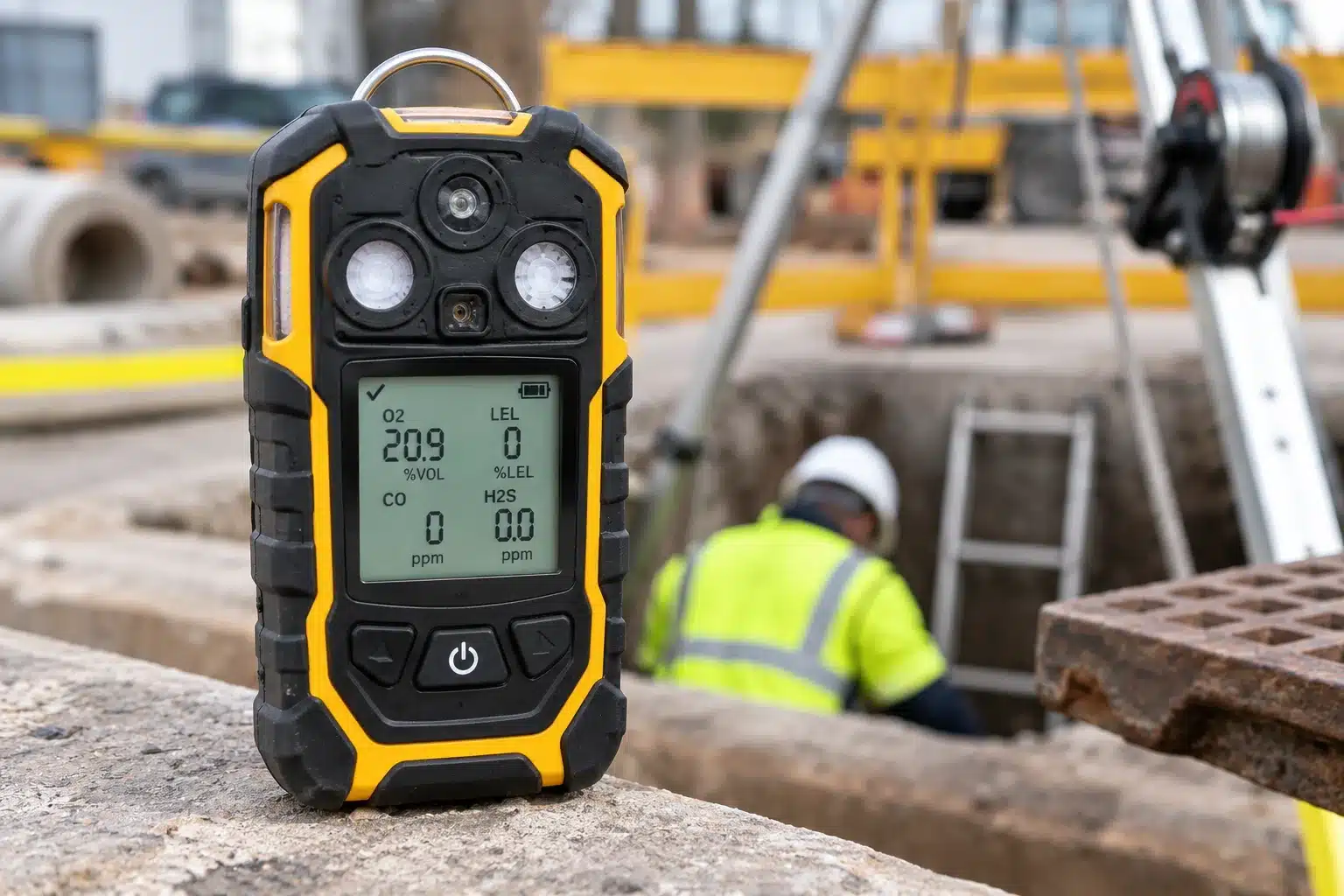
Agitating or disturbing slurry releases stored gas rapidly and can create a lethal concentration in a very short time, which is a specific, well-documented cause of fatalities on farms, not a general confined-space caution. If the job involves any work near or on a slurry store during or shortly after agitation, treat that as an acute, immediate hazard requiring particular care, continuous monitoring and a clear means of getting people out fast.
Do not treat slurry-related gas risk as equivalent to routine confined-space entry planning; it is a specific hazard with a specific trigger, agitation, that raises the danger sharply and quickly, and the monitoring and the response plan should reflect that immediacy.
Confirm the Instrument Is Ready for the Actual Job
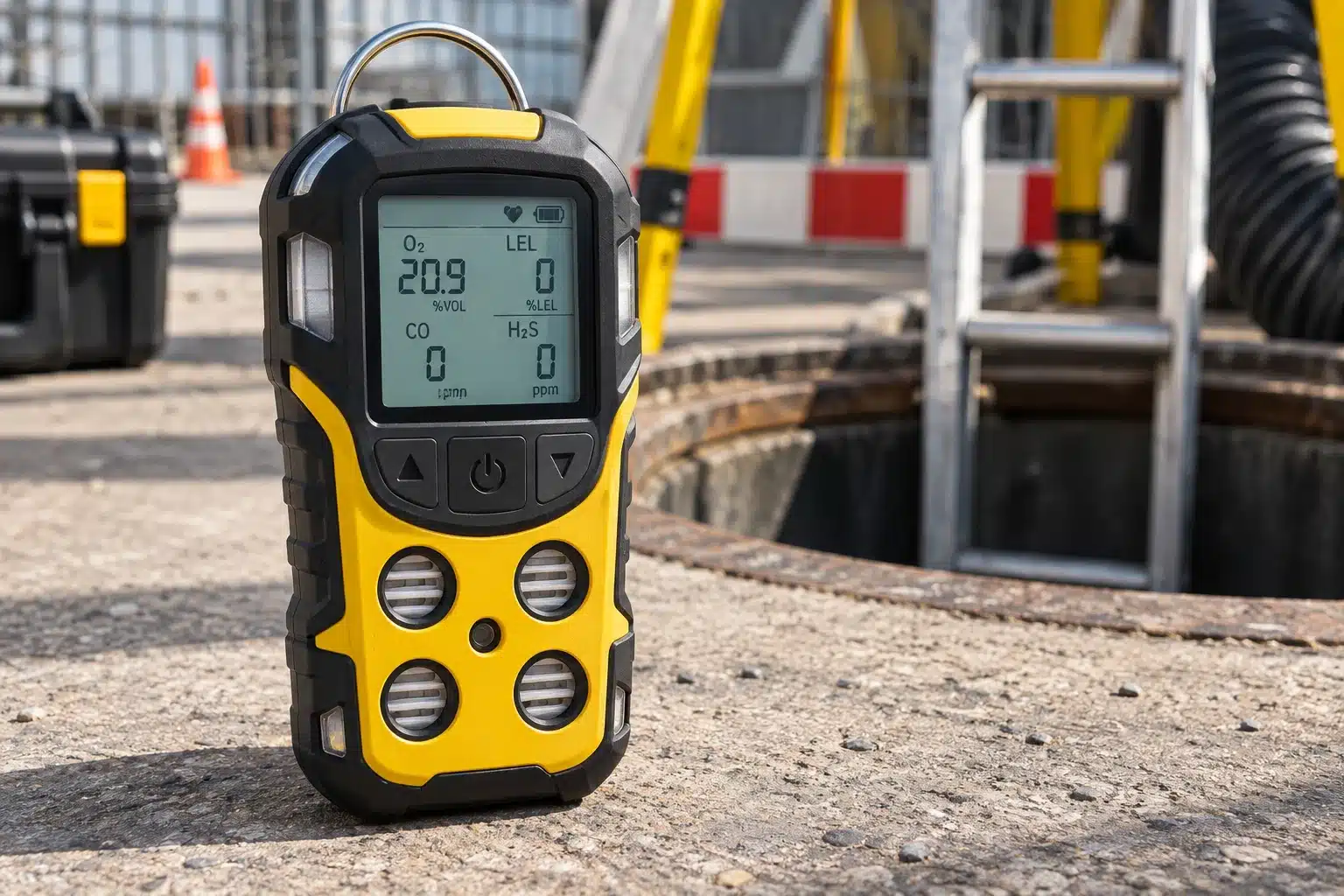
Calibration, function checks and alarm settings need confirming for the specific unit going to a specific agricultural hazard, not assumed from general fleet standards. Ask what calibration or test information comes with the exact monitor for a slurry or grain-related job, and make sure whoever uses it understands the particular alarm response needed for that specific hazard, which can differ from a general construction confined-space response.
Where the job combines detection with a genuine entry into a slurry pit, silo or similar space, the equipment is one part of a wider safe system that has to reflect the named agricultural hazard specifically, not a generic confined-space checklist.





Tell the Godstone Depot What the Space Actually Is
Say plainly what the space is, a slurry store, a grain silo, a muck store, a general tank or chamber, rather than describing it only as a confined space, since the specific type changes the hazard and the equipment needed. Add whether any agitation or disturbance is planned, and the hire duration.
The team can confirm current availability and the sensor configuration for the named hazard, for work across Godstone and the wider Surrey area. Call 01883 743322 and be specific about the agricultural use, since a slurry pit and a grain store are different jobs even though both are confined spaces.
Frequently Asked Questions - Gas Detector Hire in Godstone, Surrey
Why does it matter whether it is a slurry pit or a grain store?
Because they carry genuinely different hazards. Slurry stores are a known source of hydrogen sulphide and methane, especially once agitated, which is a well-documented cause of farm fatalities. Grain silos carry a different primary risk, oxygen displacement and the danger of engulfment by the grain itself, which is not mainly a gas-detection issue. Say specifically what the space is rather than just calling it a confined space, since the equipment and precautions needed genuinely differ.
Does agitating slurry change the risk?
Significantly, and quickly. Agitating or disturbing stored slurry releases gas rapidly and can create a dangerous concentration in a short time, which is a specific, acute hazard rather than a general confined-space caution. If work involves being near or on a slurry store during or shortly after agitation, treat it as an immediate danger needing continuous monitoring and a clear, fast way to get people out, not routine confined-space planning.
Does a standard multi-gas monitor cover a grain silo risk?
Not entirely, because the primary grain hazard is often engulfment and oxygen displacement rather than a toxic gas a standard sensor set targets. A multi-gas monitor still has a role, but the response to grain-related risk is as much about entry procedure and physical safety as it is about gas detection. Confirm with the depot what the monitor actually covers for a grain-specific job rather than assuming it addresses every risk.
What if the space has held something unusual?
Raise it specifically rather than assuming a standard agricultural monitor covers it. Chemicals, fuel, or an uncommon farm process can introduce a hazard outside the common oxygen, flammable gas, carbon monoxide and hydrogen sulphide set. Tell the Godstone depot exactly what the space has held, and they can confirm whether the standard configuration suits it or whether different equipment or expert advice is needed.
What UK regulations apply to agricultural confined spaces?
The Confined Spaces Regulations 1997 set duties to avoid entry where reasonably practicable, and to control the risks by a safe system of work where entry is necessary, and these apply to farm slurry stores, silos and similar structures as much as construction tanks. The text is at Confined Spaces Regulations 1997 on legislation.gov.uk. Gas detection is one part of that system alongside the specific hazard assessment, entry procedure and rescue plan for the actual agricultural space involved.
Need gas detector hire in Godstone?
Tell us exactly what the space is, a slurry pit, a silo, or something else, and what has been stored there. Call Coppard on 01883 743322.