Drill Hire in Godstone, Surrey
Drill hire in Godstone for timber, stone, flint, brick, steel and old masonry found in Surrey estate buildings. Coppard supplies SDS, core, right-angle, battery and magnetic drilling equipment across Surrey. Call 01883 743322 with the material, the age of the building and the hole you need.
Surrey’s older estate buildings often hide stone, flint or unusually hard old brick behind a modern-looking wall, and drilling into genuine period masonry can behave quite differently from a standard blockwork assumption. Knowing what is actually in the wall, not just its age or appearance, is what should decide the drill.
Old Godstone Masonry Is Not Always What It Looks Like
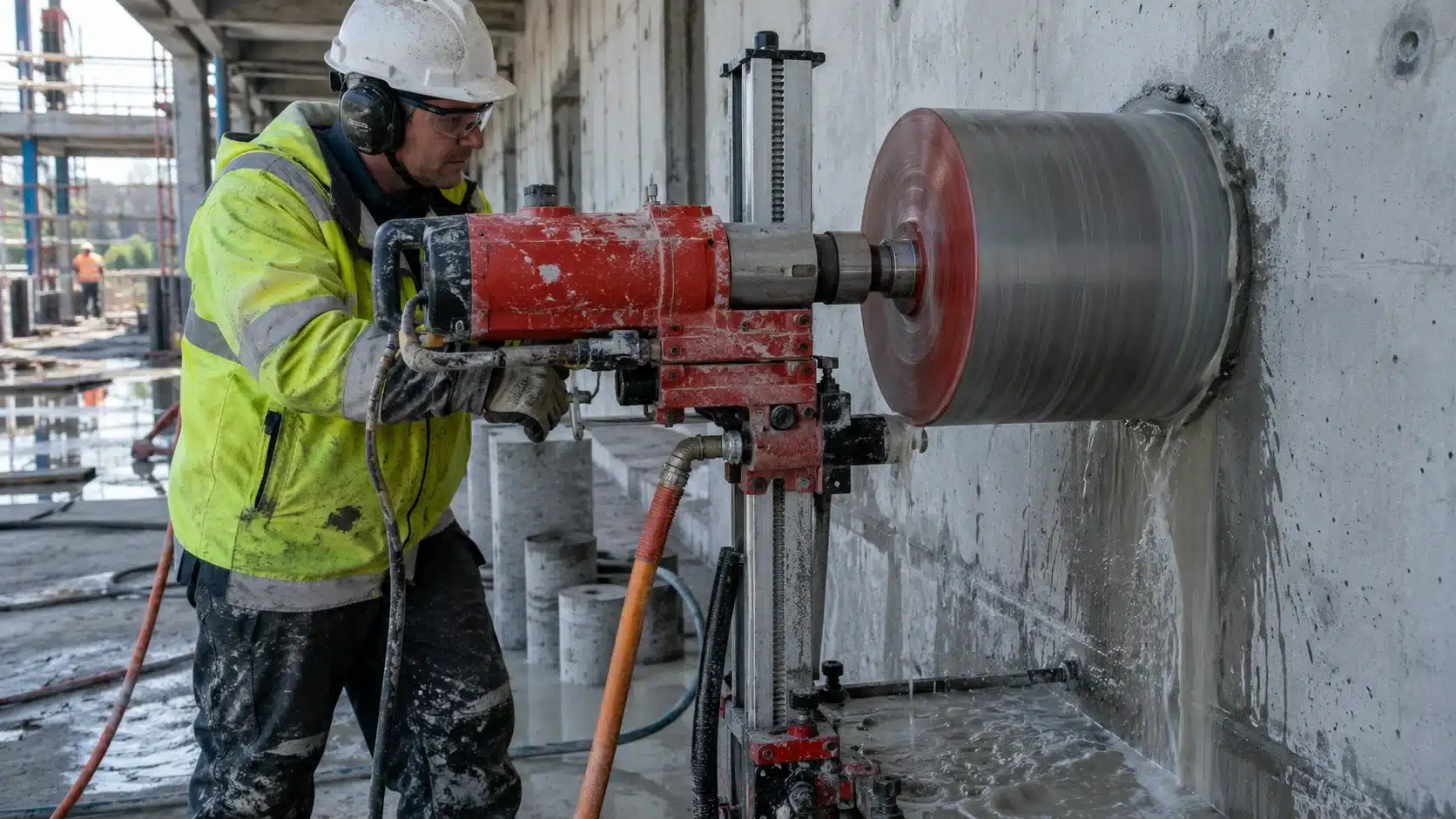
A rendered or painted wall on an older Surrey building can hide flint, sandstone, hard old brick laid in a lime mortar, or a mix of all three within the same elevation, and each behaves differently under a bit or a core. Flint in particular is notoriously hard and can turn or shatter a bit that would cut cleanly through ordinary brick, so treat an unfamiliar old wall as an unknown until you have some evidence of what is actually in it.
Where possible, establish the construction before committing to a drilling method through the Godstone Tool Rental Service: a small test hole in an inconspicuous spot, local knowledge of the building, or a look at any exposed masonry nearby. Assuming modern blockwork behaviour on a genuinely old Godstone estate wall is where bits break and jobs overrun.
Match the Drilling Method to What Is Actually There
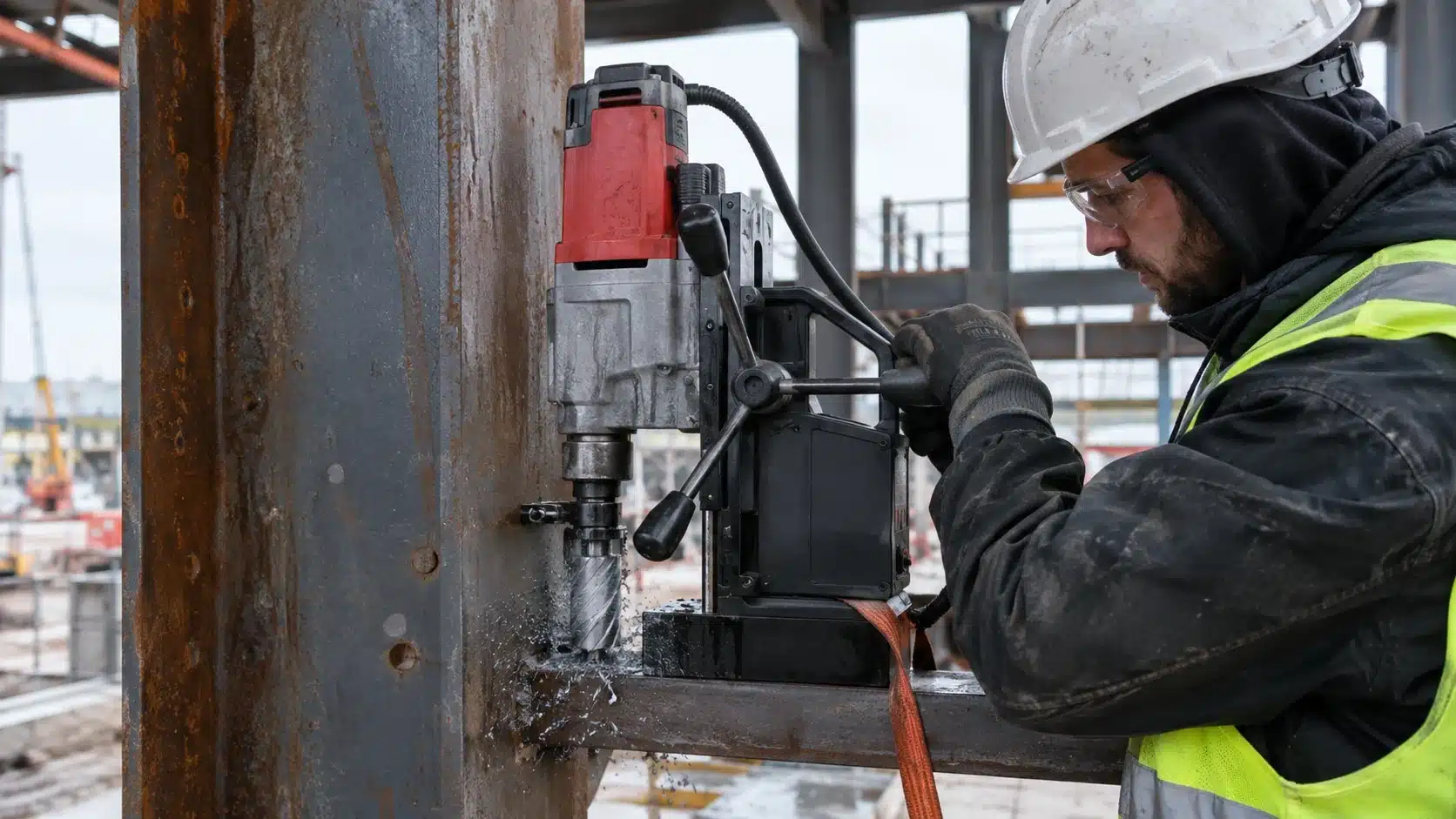
The Coppard drill range covers standard and hammer drilling, SDS Max, diamond core drilling, right-angle drills, battery drills and a magnetic drill for steel. Timber, modern blockwork, old stone or flint, and structural steel each want a different cutting action, and old estate masonry often needs a firmer, more patient approach than the same size hole in modern brick.
A masonry hammer drill that copes readily with modern block can struggle or damage itself against genuine flint or very hard old stone, in which case a core drill with the right bit for masonry, run more slowly and carefully, is often the better route even for a smaller hole than you would otherwise core for.
Diameter and Depth Matter More in Hard Old Material
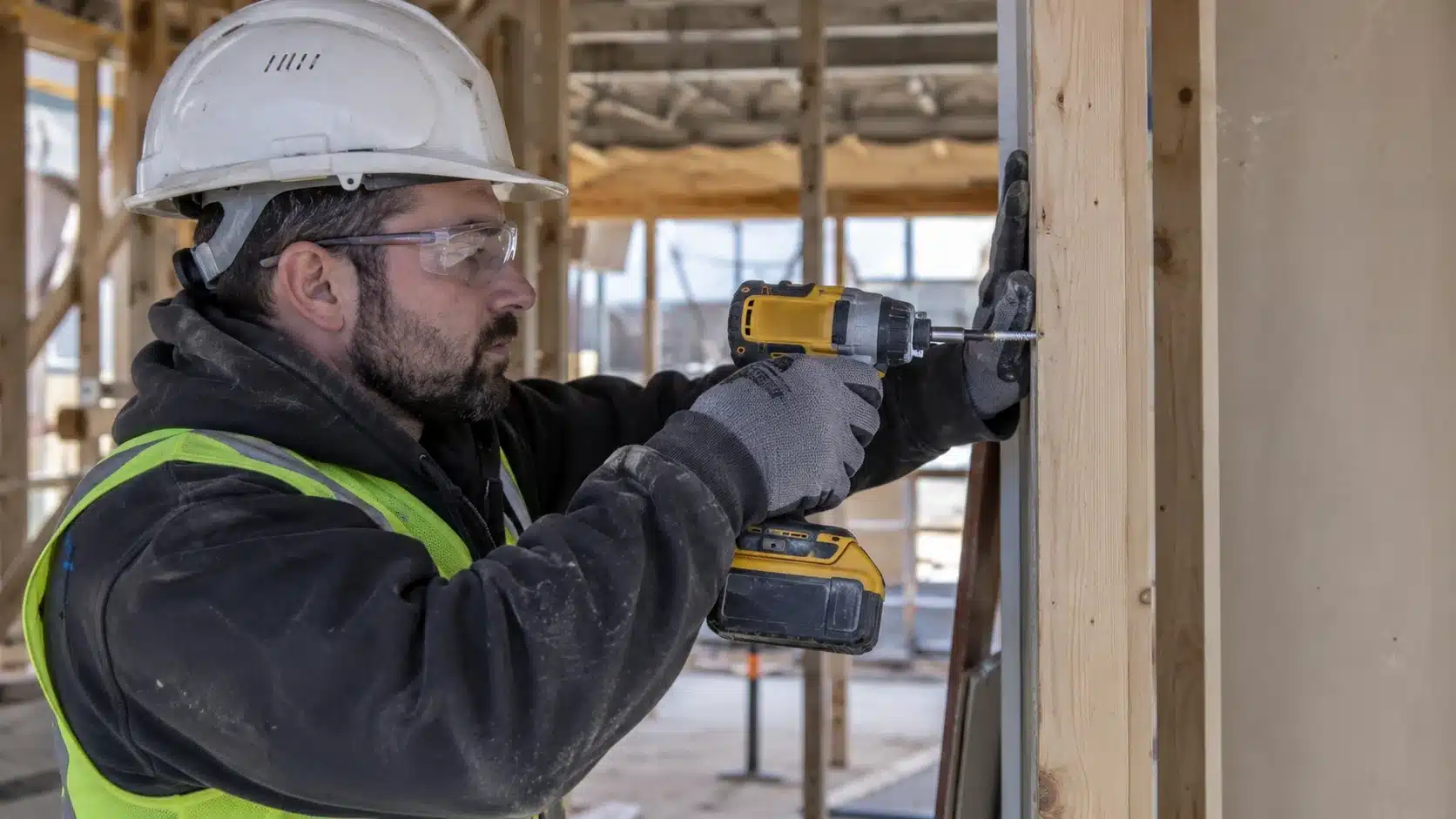
A small fixing hole and a larger service penetration are different jobs everywhere, but the gap widens further in genuinely hard old masonry, where a larger or deeper hole in flint or old stone takes considerably longer and works the equipment harder than the same dimensions in modern block. Cores in the Coppard drill range run up to 150mm, but confirm what the actual masonry will do to that estimate before committing to a timeframe.
For repeated holes in hard old material, a rig-supported method gives far more control and consistency than forcing a hand-held drill through each one, and is often worth the extra set-up time on an estate job where the wall is uncooperative.
Protect the Building as Much as the Bit
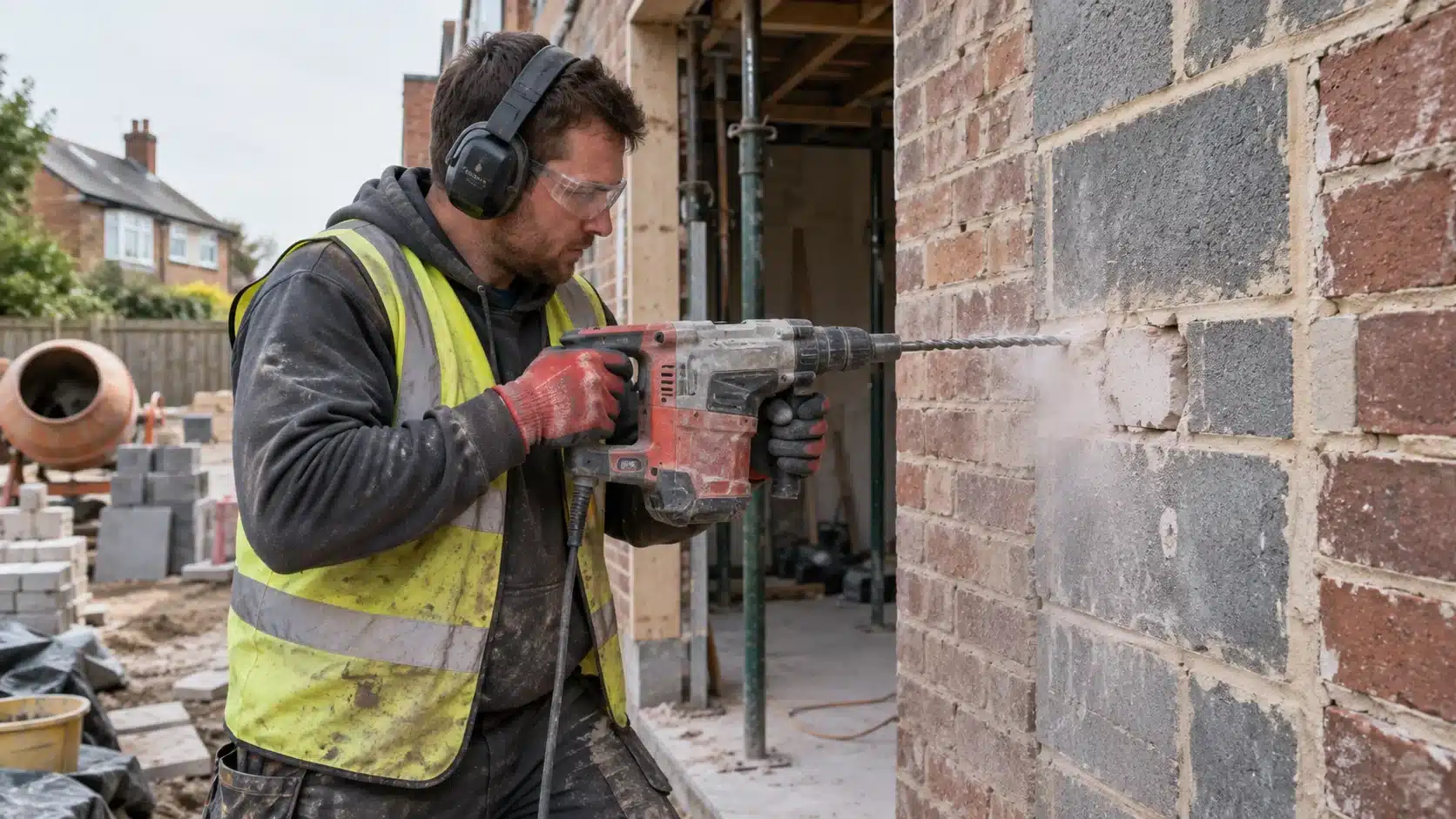
Older estate walls can be softer in the surrounding lime mortar even where the masonry units themselves are hard, so a drill that is fine on the stone can still blow out the joint around it if not handled carefully. Consider the finish required around the hole, not just whether it can be made, particularly on a visible or listed elevation where damage to the surrounding fabric matters as much as the hole itself.
Check for services, cables and anything structural behind an old wall using drawings where they exist, a cable locator, and knowledge of the building, since old estate walls rarely have full modern records. Where the wall is structural or the building has any heritage protection, get the right approval before drilling into it.






Tell the Godstone Depot the Building and the Material
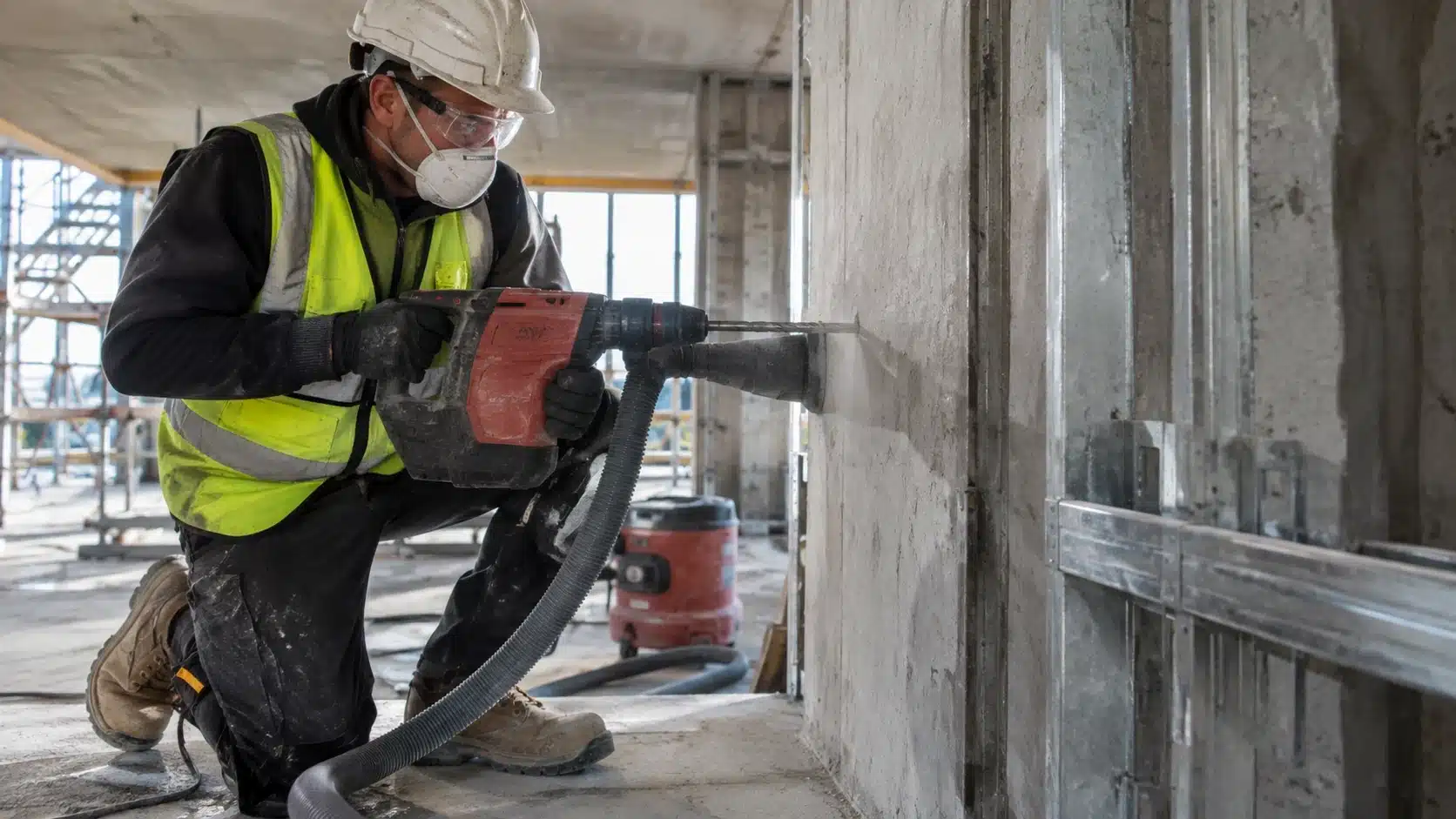
Give the material where you know it, and be honest where you do not, along with the hole diameter, the depth and the number of holes. Mention the building’s age and whether the masonry has proved unusually hard in the past, and describe the working position and any access restrictions.
Coppard supplies drilling equipment for work across Godstone and the wider Surrey area. Call 01883 743322 before site work starts, so the drill and its consumables are matched to what an old estate wall may actually contain rather than a standard assumption that turns out wrong on the day.
Frequently Asked Questions - Drill Hire in Godstone, Surrey
How do I know what is really in an old Surrey wall before drilling?
Look for evidence rather than assuming from age or appearance. A rendered or painted elevation can hide flint, sandstone, hard old brick in lime mortar, or a mix, and each behaves differently under a drill. A small test hole in an inconspicuous spot, local knowledge of the building, or a look at any exposed masonry nearby can tell you more than guessing. Treat an unfamiliar old Godstone wall as an unknown until you have some real evidence of the construction.
Will an ordinary masonry drill cope with flint or old stone?
Not reliably. Flint in particular is notoriously hard and can turn or shatter a bit that would cut cleanly through ordinary modern brick, and very hard old stone can behave similarly. A core drill with the right bit for masonry, run more slowly and carefully, is often the better route even for a smaller hole than you would otherwise core in modern block. Confirm the actual material before assuming standard masonry drilling will get through it easily.
Does hard old masonry change how long drilling takes?
Considerably. A larger or deeper hole in flint or genuinely hard old stone takes longer and works the equipment harder than the same dimensions in modern block, so factor that into the timeframe rather than estimating from a standard job. For several holes in hard old material, a rig-supported method gives more control and consistency than a hand-held drill, and the extra set-up time is often worth it on an uncooperative Godstone estate wall.
Can drilling damage the surrounding masonry on an old building?
Yes, more easily than people expect. The lime mortar joints around even hard old masonry units can be softer than the stone itself, so a drill fine on the material can still blow out the surrounding joint if handled carelessly. Think about the finish needed round the hole, not just whether it can be made, especially on a visible or listed elevation where the surrounding fabric matters as much as the hole.
What UK rules cover powered drilling equipment at work?
As powered work equipment, drills fall under the Provision and Use of Work Equipment Regulations 1998, known as PUWER, which require equipment to be suitable, kept in good order and used by people with the right information and training. The text is at Provision and Use of Work Equipment Regulations 1998 on legislation.gov.uk. On an old estate building that also means checking for services and structural risk before drilling, since full modern records rarely exist for genuinely old masonry.
Need drill hire in Godstone?
Give us the material, the age of the building, and the hole diameter and depth. Call Coppard on 01883 743322.