Saw Hire in Crowborough, East Sussex
Saw hire in Crowborough for cutting concrete, asphalt, brick, tile and timber. Coppard supplies floor saws, cut-off saws, bench saws, reciprocating and woodworking saws across East Sussex. Call 01892 662777 with the material, the cut depth and the work location.
Saw choice is driven by the material, the depth, the accuracy and the direction of the cut. A floor joint, a brick opening and a timber sheet can each need very different machine control, even though the basic action is cutting. Tell the depot whether the work is handheld, bench-based or floor-guided, and flag any water, power, dust or access limits before choosing the saw.
Start with the Material and the Finished Cut
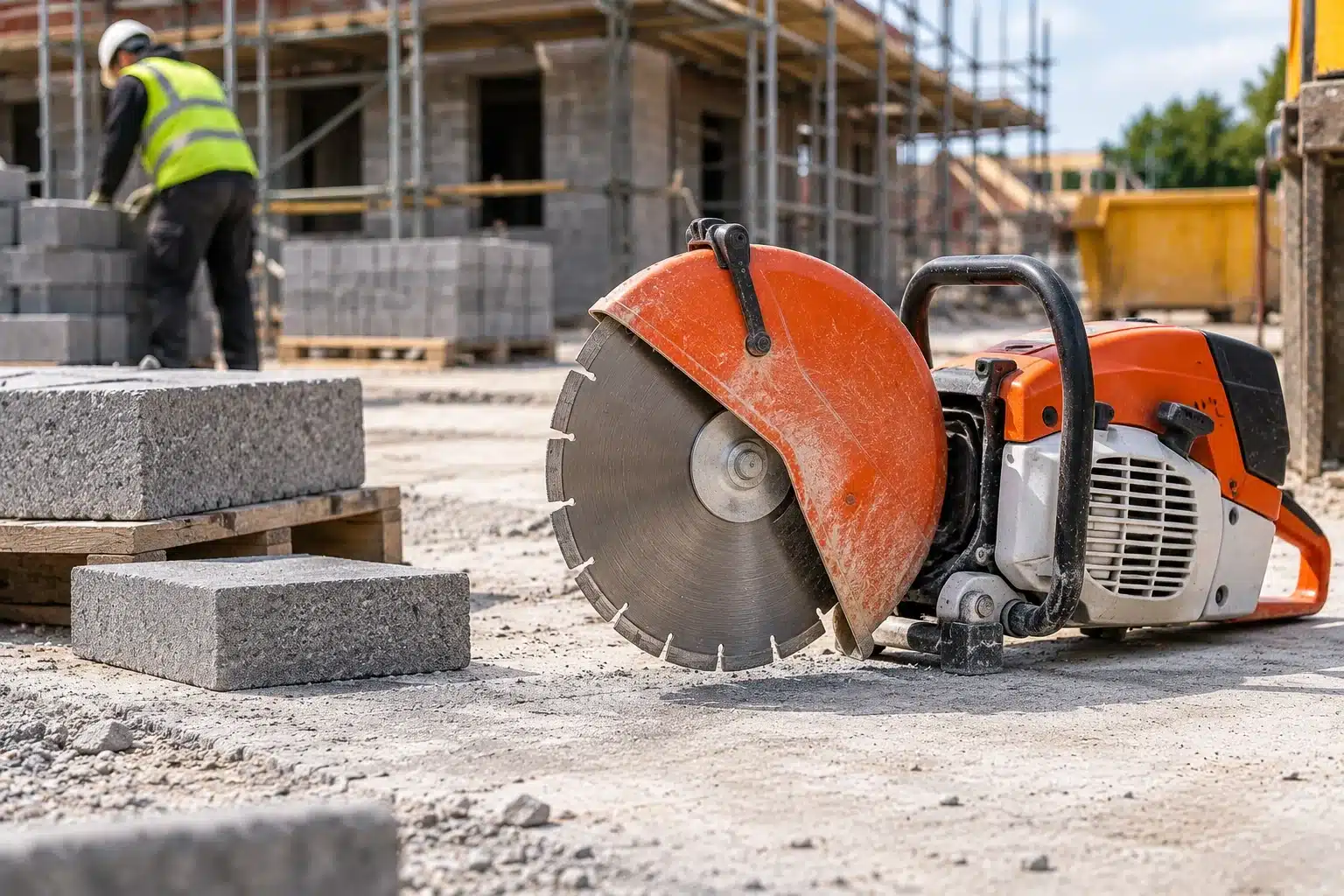
Concrete, asphalt, masonry, tiles and timber place different demands on a saw and its blade. Begin by defining what must be cut, the rough thickness and whether the edge needs a finished appearance or simply a clean separation. Note whether the cut is straight, repeated, curved or tied to an existing joint.
A floor saw gives guided control across a slab or asphalt surface, while a handheld cut-off saw reaches positions a larger frame cannot. Bench machines support repetitive masonry or tile cutting, and woodworking saws are for a completely different material and finish. Choosing from the material and the cut geometry avoids treating blade diameter as the only decision, and flags water, dust or support needs before the first cut.
Give Crowborough the Working Position and Access Limits
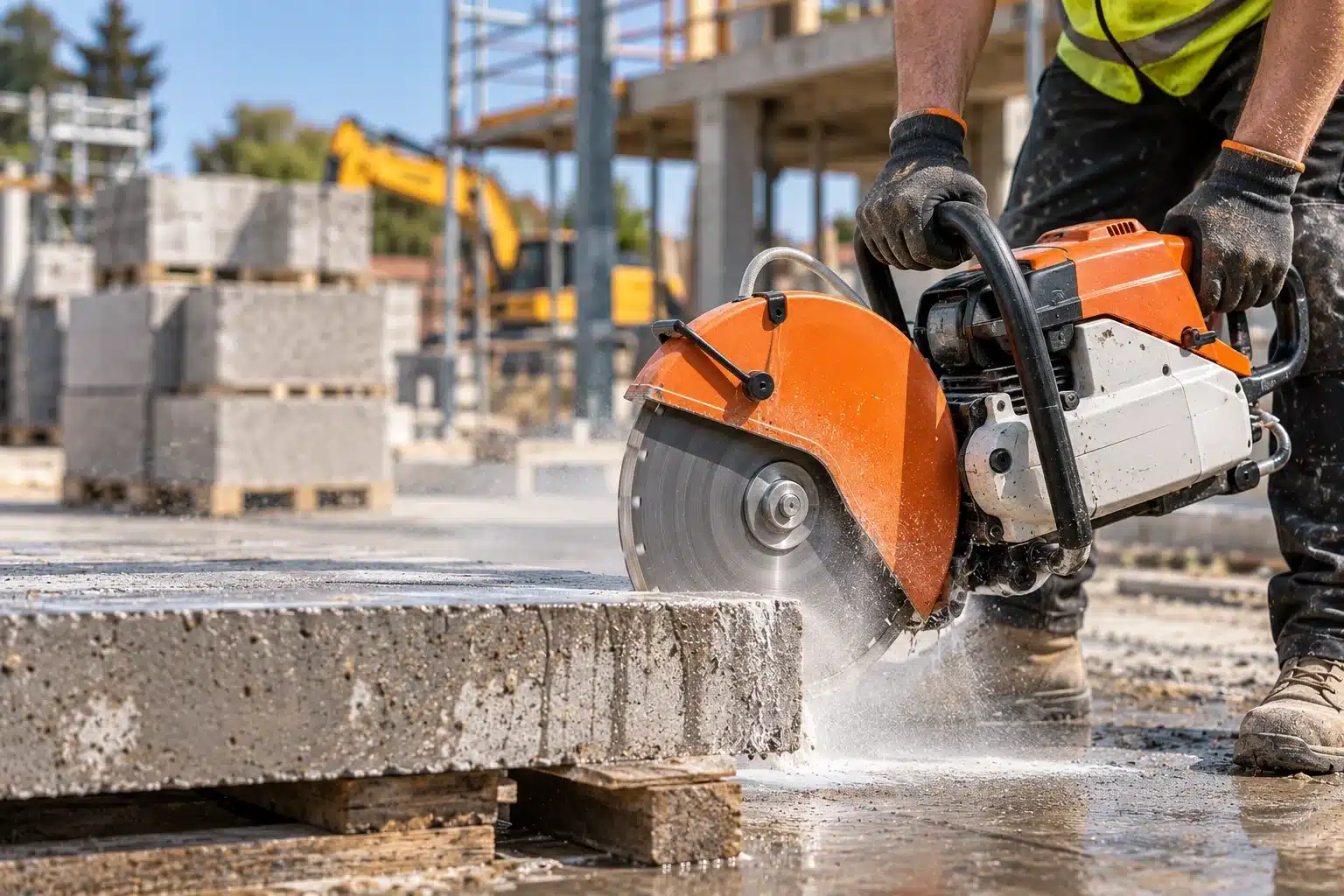
The way the operator reaches the cut can rule out otherwise suitable equipment. A framed floor saw needs a stable route and room to align with the cut; a bench saw needs a working position for feeding material; handheld machines are more flexible around openings but put more control directly on the operator.
For saw hire via the Crowborough Tool Rental Service, explain whether the cut is on a floor, a wall-height component, loose material or timber worked on a bench. Mention internal access, steps, narrow gateways and whether the site can take water or petrol-powered equipment. That helps staff narrow the machine format before discussing blade size or the number of cuts.
Use Blade Size and Cut Depth as Linked Measurements
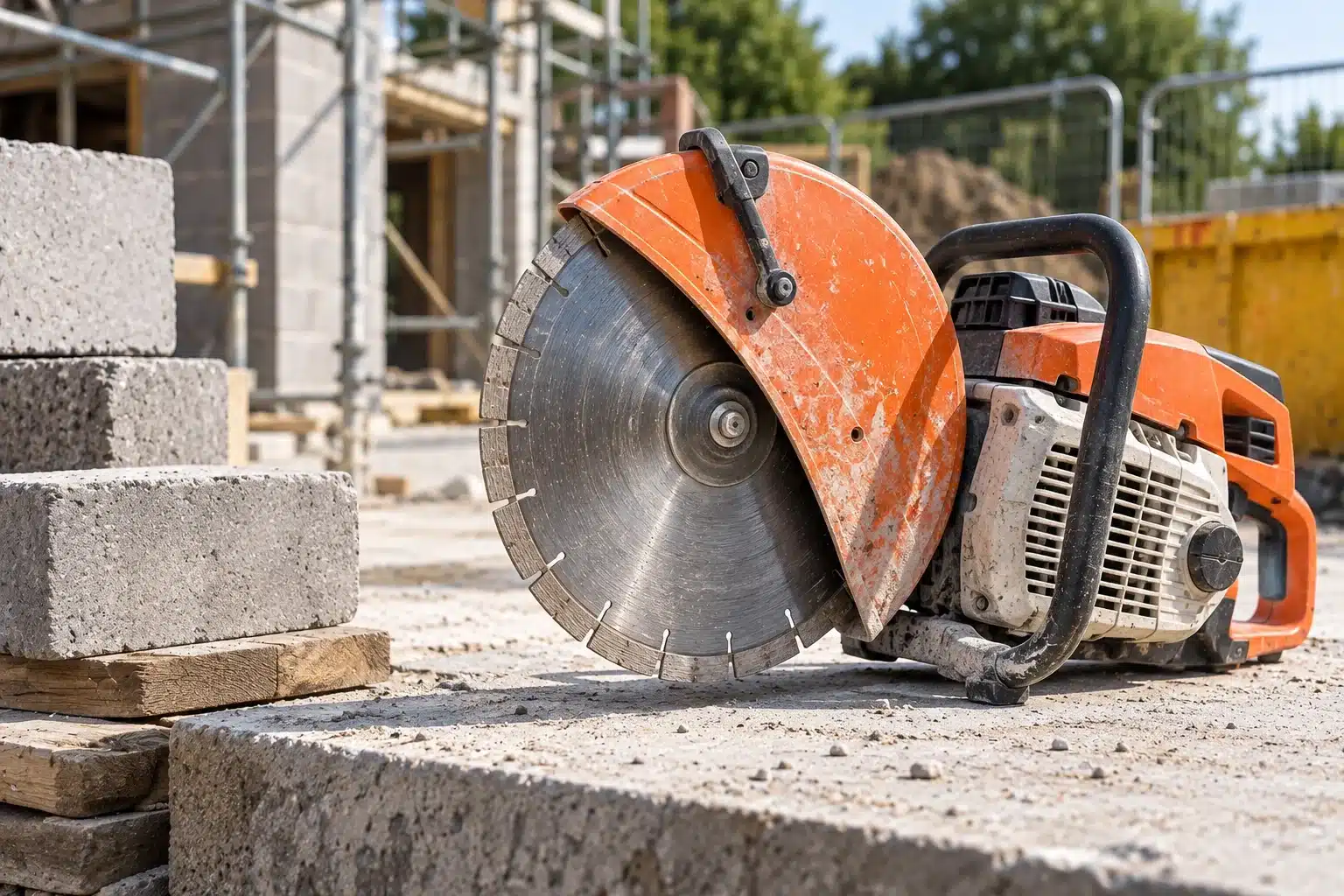
Blade diameter influences the potential cutting depth, but the stated blade size does not automatically represent the usable depth in every machine or material. The Coppard saws collection includes cut-off saws in more than one size, a floor saw and several bench and woodworking machines, and the product detail varies between listings.
So the exact machine and blade arrangement needs checking before anyone relies on a precise maximum depth. Give the material thickness and whether the cut must pass through in one operation. For repeated or deep work, the machine stability and the water or dust control can matter as much as the nominal blade diameter.
Plan Water, Dust and Blade Supply Before Cutting
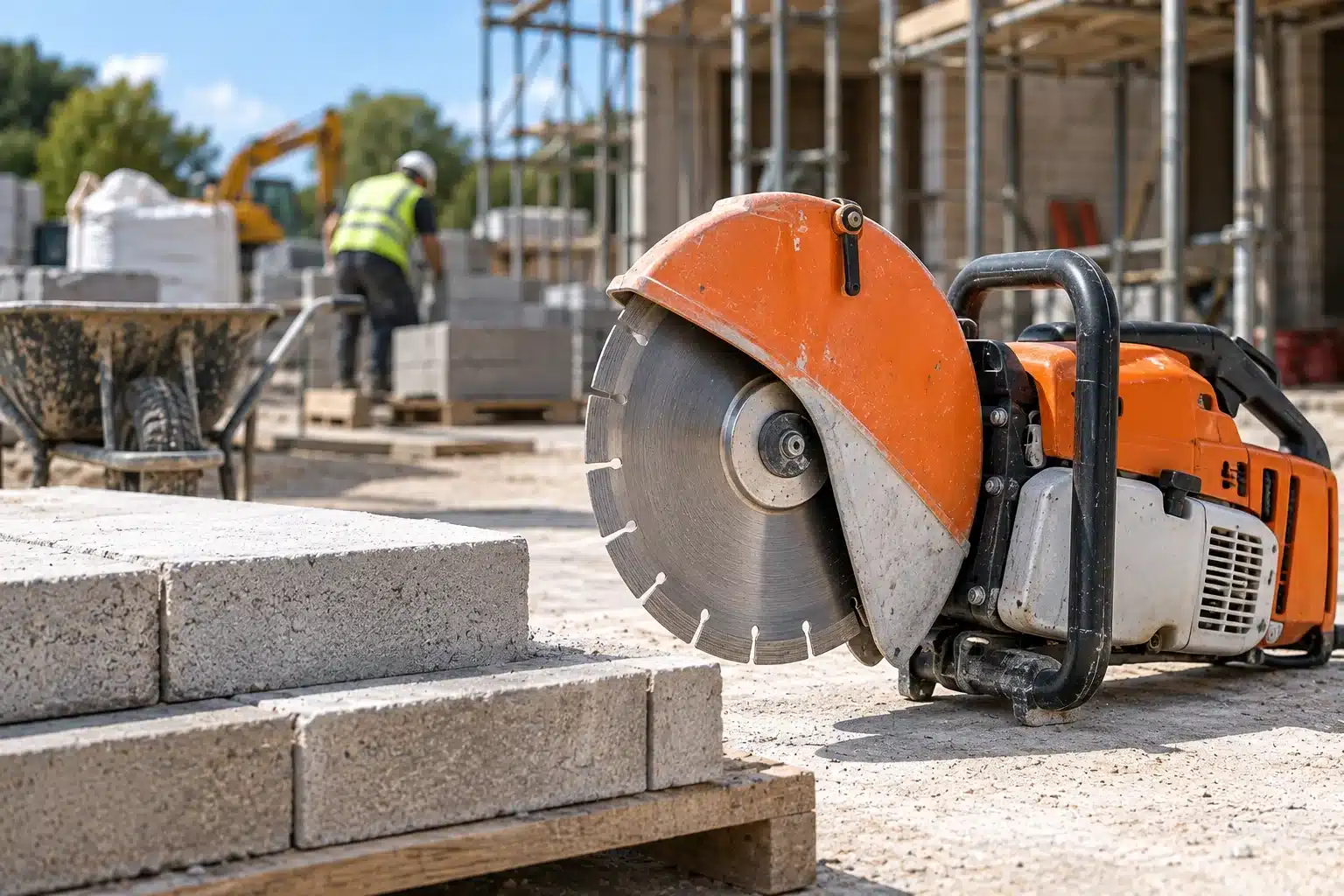
Many cutting jobs create dust, slurry or blade wear that has to be managed as part of the method. Some masonry and concrete equipment can use water to cool the blade and suppress dust, while certain listings state that the cutting blade is not included in the standard package. Confirm the blade, the wear charge and the water requirements for the exact saw before collection.
On internal work, decide where slurry or dust will go and whether extraction or containment is needed. Timber cutting brings different waste and blade considerations but still benefits from a clean, supported work area. A saw that arrives without the correct blade or water arrangement can stop a job as effectively as no machine at all.






Ask About Rail or Wall Cutting Rather Than Assuming It
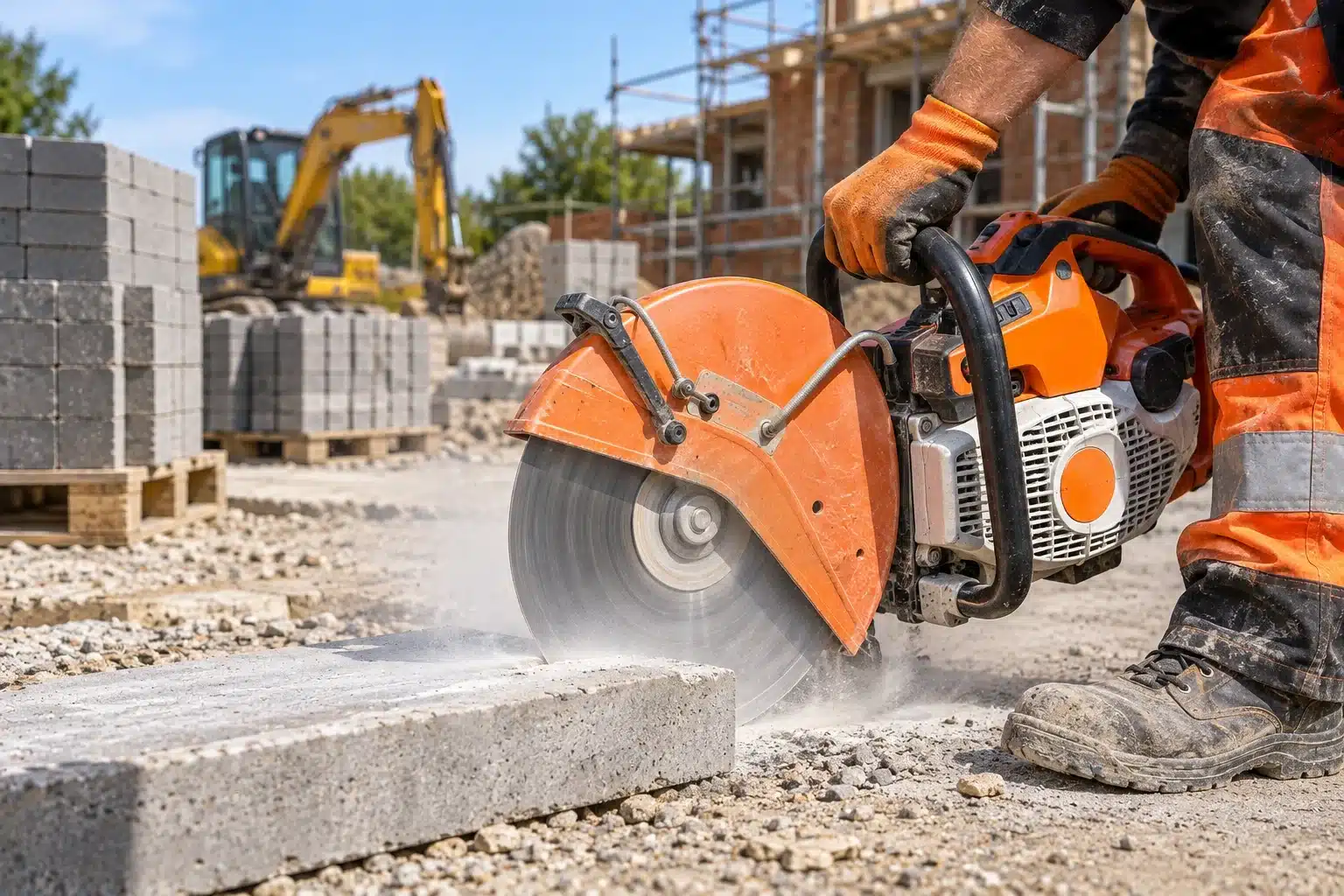
The verified range centres on floor, handheld, bench and woodworking saws. Rail-guided and wall-cutting methods are a separate question, so treat them as an enquiry rather than an assumption. If that capability is needed, describe the cut, the material and the position, and the depot can confirm whether suitable equipment exists in the fleet.
That keeps the choice grounded in what can actually be supplied while leaving a clear route for unusual jobs. Call 01892 662777 with an unusual cutting requirement, so the right machine, or an honest “not in the fleet”, is established before the work is planned around it.
Frequently Asked Questions - Saw Hire in Crowborough, East Sussex
How do I choose between a floor saw and a handheld cut-off saw?
A floor saw suits guided cutting across horizontal surfaces such as concrete or asphalt, where the machine follows a planned line. A handheld cut-off saw is more flexible around openings, edges and awkward positions but relies more on operator control. Base the decision on the material, the depth, the direction of the cut and the working space, and tell the depot where the cut actually sits rather than choosing on blade diameter alone.
Is the cutting blade included with saw hire?
Not always. Some listings, including the floor saw, state that the cutting blade is not part of the standard package, and different machines have separate blade or wear arrangements. Confirm the blade type, any purchase or wear charge and the material before collection. Concrete, asphalt, masonry, tile and timber need different cutting accessories, so a blade that physically fits the machine may still be wrong for the job in hand.
When should water be used for concrete or masonry cutting?
Water can cool the cut and suppress airborne dust with suitable equipment, but the exact machine has to be designed for that arrangement, and the site needs a plan for the water supply and the resulting slurry. Confirm the requirement with the depot before hire rather than adding water to equipment that is not built for it. Internal work may need extra containment, because slurry can spread well beyond the cutting line.
What should I tell the depot when hiring a saw?
Give the material, the rough thickness, where the cut sits (floor, wall-height component, loose material or bench timber), the access, and whether the site can take water or petrol equipment. Say whether the cut must go through in one pass and how many cuts are involved. That lets the depot narrow the machine format and flag the blade, water or dust arrangements before collection, rather than choosing on blade size alone.
What UK regulations cover workplace noise from powered saws?
The Control of Noise at Work Regulations 2005 require employers to assess and control the risk from occupational noise, which powered cutting can produce at high levels. You can read the official regulations at Control of Noise at Work Regulations 2005 on legislation.gov.uk. The saw chosen, the cutting duration, the blade condition and whether a different method would work all affect exposure, so plan for noise when planning the work rather than after the machine is running.
Need saw hire in Crowborough?
Tell us the material, the thickness, the cut position, the access and whether water or dust control is needed. Call Coppard on 01892 662777.