Lighting Hire in Crowborough, East Sussex
Lighting hire in Crowborough for task areas, access routes and larger work zones. Coppard supplies 110V floodlights, festoon lighting and a towable light tower across East Sussex. Call 01892 662777 with the area, the working hours and the power supply.
A good lighting plan covers both the work itself and the routes people use to reach it. Think about shadows, glare, vehicle movements and places where hazards vanish as daylight fades. Matching the fitting to the task and planning the power routes at the same time gives a safer, more practical temporary arrangement.
Separate Task Lighting from General Area Illumination
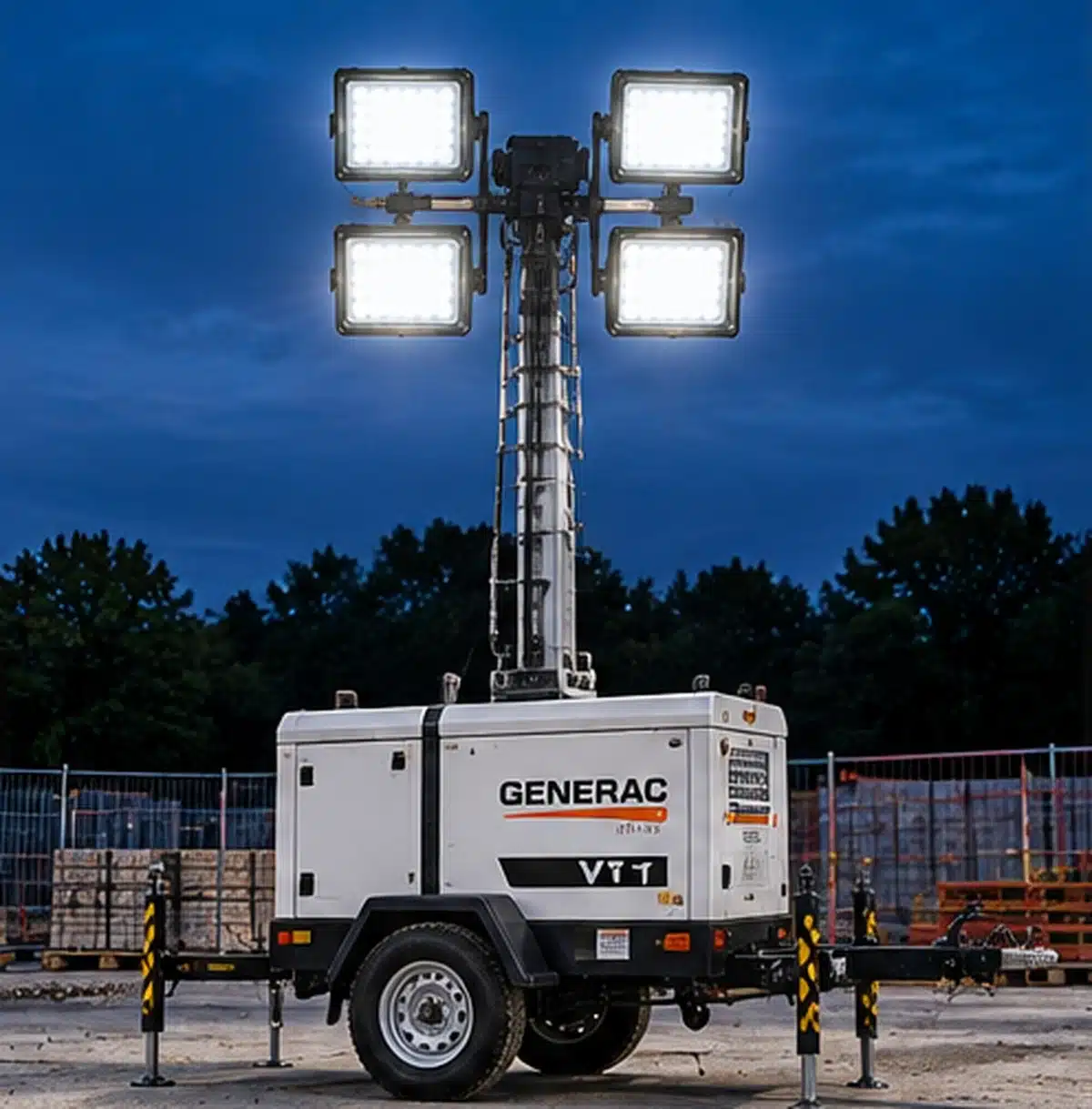
A single bright lamp does not automatically make a work area easier to use. Task lighting should put useful light onto the surface, machine or operation being worked on, while general lighting has to reveal routes, edges, obstacles and surrounding movement. On an internal refurbishment, local floodlights can be effective at a workface yet leave stairwells or corridors poorly lit.
On an external site, broad coverage may be needed around loading, parking or plant routes while detailed work still needs a closer source. Start by mapping where people stand, walk and operate equipment. That builds a lighting plan around visibility, not around the greatest number of fittings or the single brightest source available.
Choose Floodlights, Festoon or a Tower for Different Zones
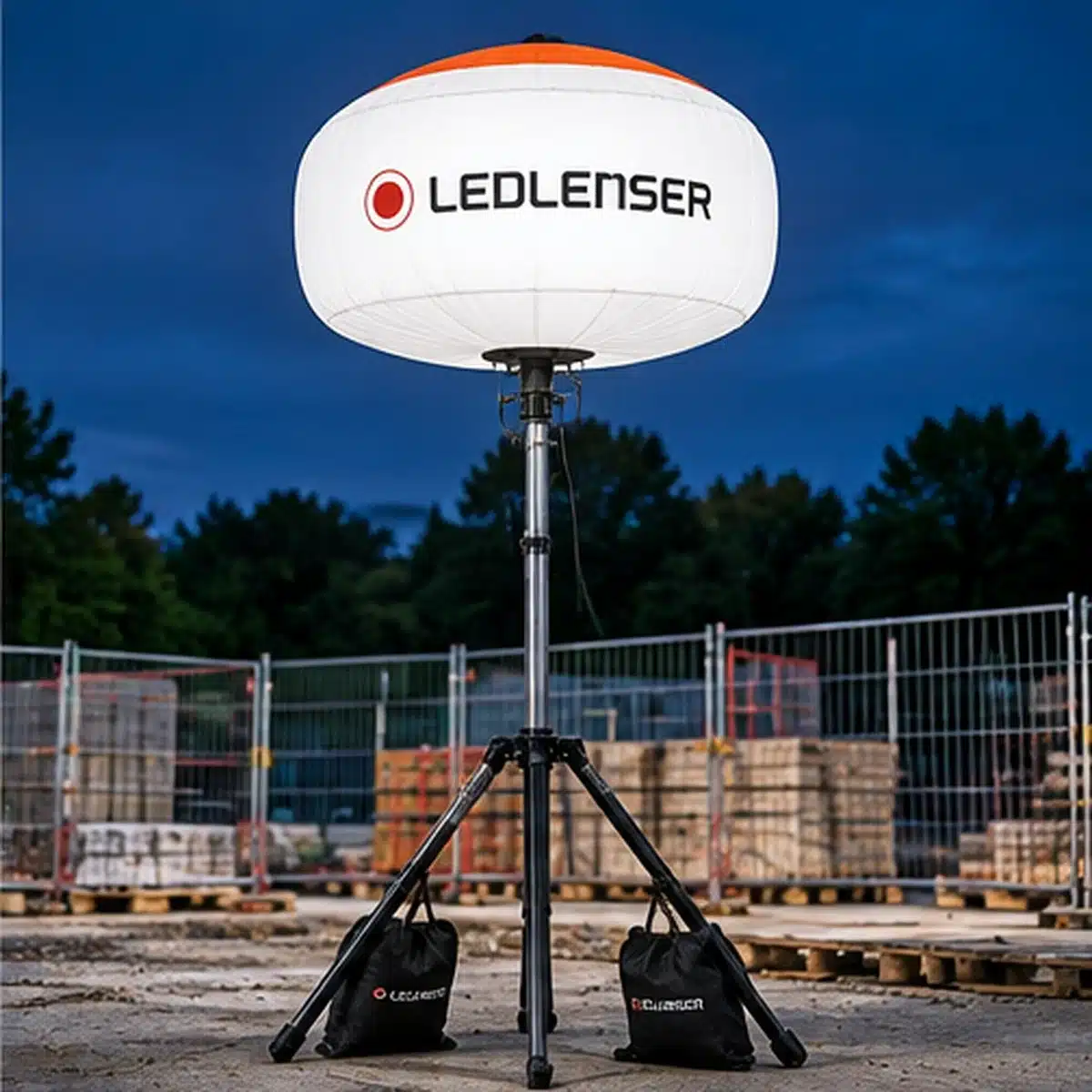
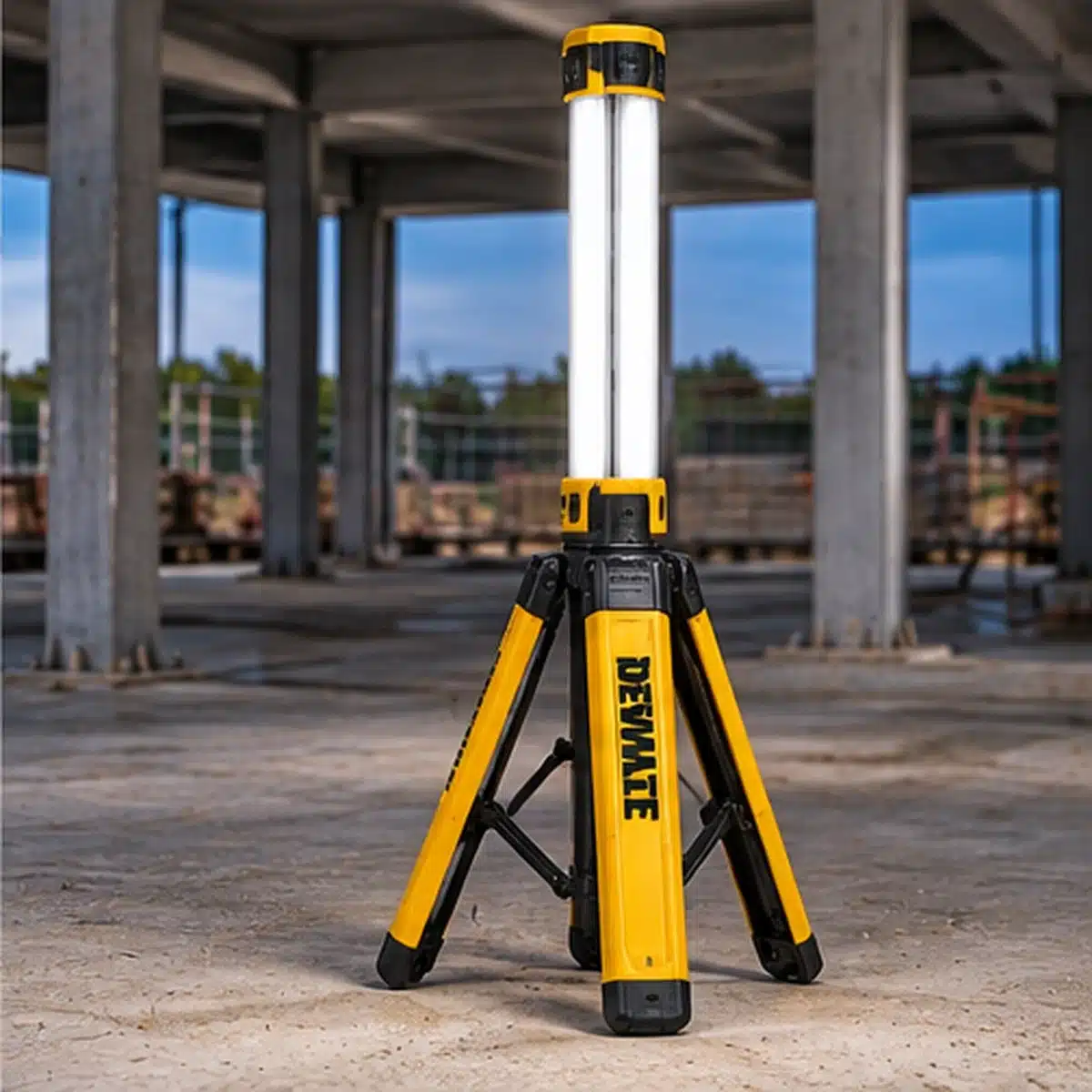
The Coppard electrical and lighting range includes 110V single- and twin-head floodlights, festoon lighting and a towable four-head light tower, and these formats solve different problems. Portable floodlights concentrate light around a task or small zone; festoon gives a repeating line of light through corridors, work areas or temporary routes; and a raised light tower spreads illumination over a larger outdoor footprint.
Do not assume one type should serve the whole site. A mixed arrangement often reduces dark pockets and glare better than one powerful unit in the centre. For a large open area lit from a mast, the dedicated lighting tower is the better route; this page covers the broader mix of task and route lighting around it.
Plan Transformers, Leads and Lamp Positions Together
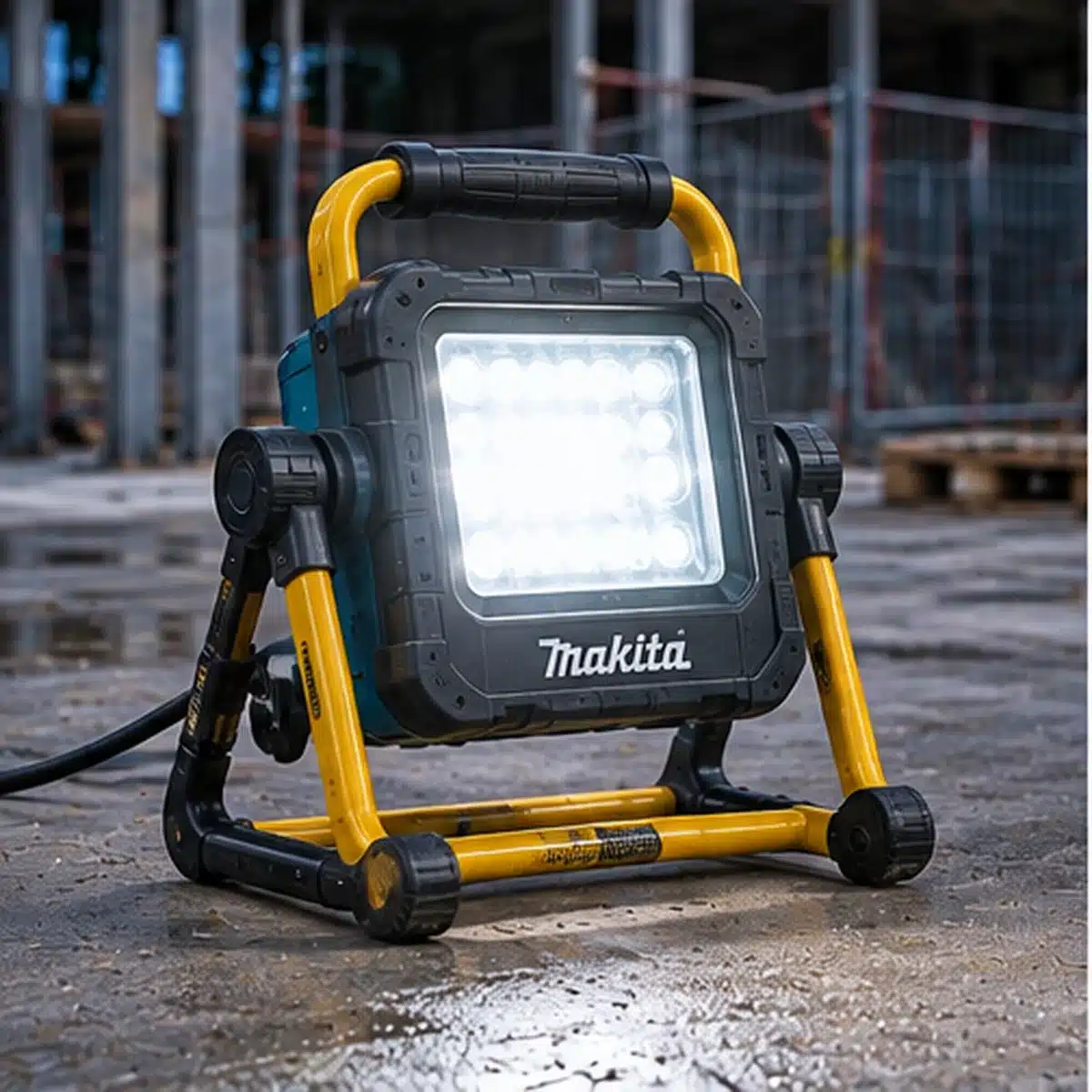
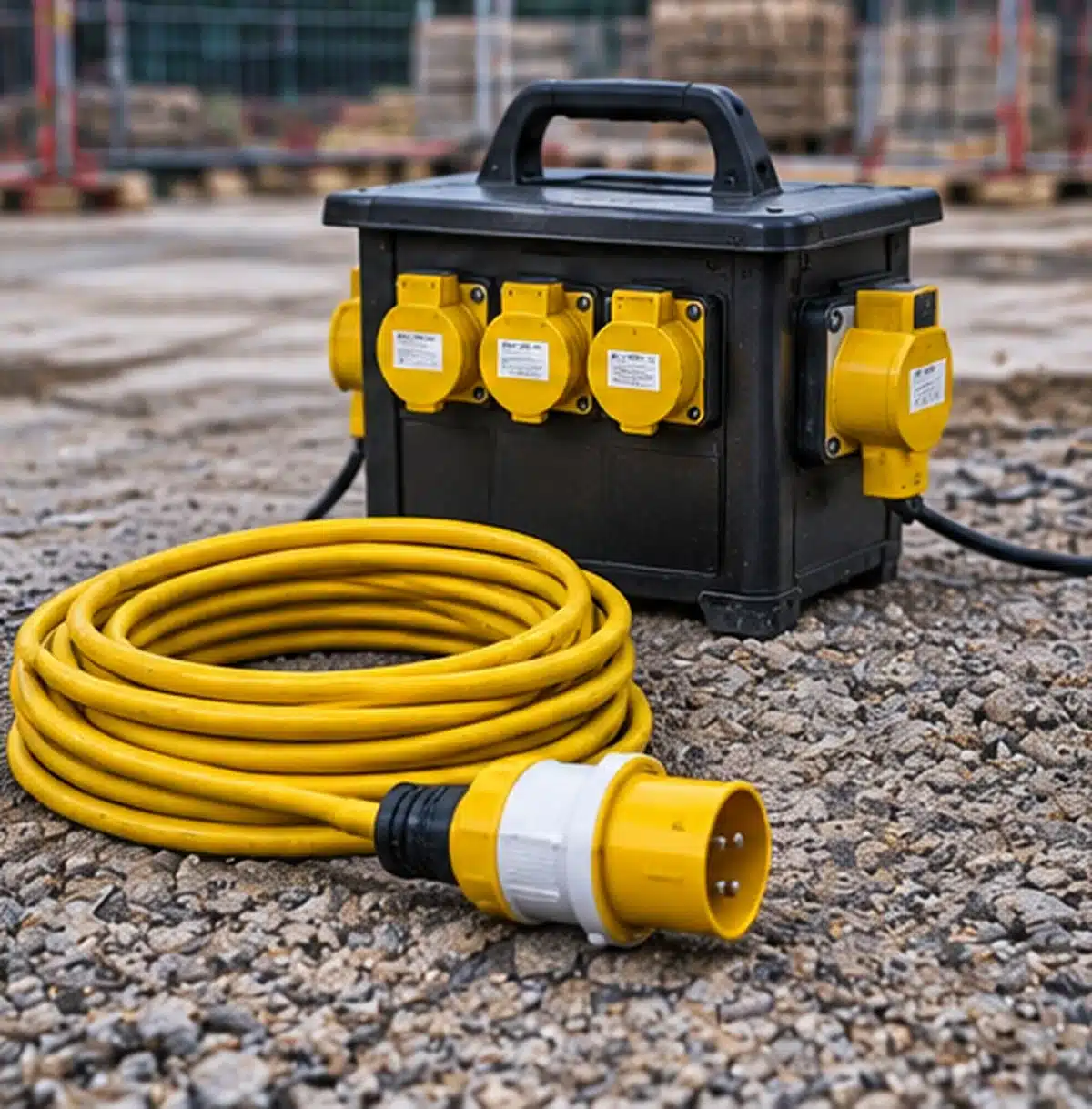
The floodlights run at 110V, so the lighting layout may depend on the transformer position, the available sockets and the extension lead routes. Put the lights where they illuminate the work, but also check how each cable reaches the supply without crossing vehicle paths, standing water or busy doorways.
On larger areas, it can be more efficient to move the distribution point than to run long cables from one corner. Think about the load from all the lighting that may run together, especially where the same temporary supply also feeds tools. Planning power and illumination as one system saves last-minute cable changes after the lamps are set up.
Design for Glare, Shadow and Lighting Failure
More brightness can make visibility worse when a lamp shines into an operator’s eyes or throws hard shadows behind equipment. Position fittings so faces, steps, excavations and moving plant stay visible from the direction people actually approach them, and check the layout after dark rather than assuming a daytime set-up will perform.
Construction areas may also need a plan for what happens if the main lighting fails and darkness would create extra risk. Not every job needs a complex emergency system, but the site plan should identify whether losing the temporary lighting could leave people unable to exit or avoid hazards, and the arrangement should reflect the work and the operating hours.





Brief Crowborough on Area, Hours and Power Available
When arranging lighting through the Crowborough Tool Rental Service, describe the rough size and shape of the area, whether the work is internal or external, the hours artificial light is needed and the electrical supply already available. Mention traffic routes, tall obstructions or separate work zones that affect where lights can go.
Those details separate a small portable-lighting need from a broader arrangement using festoon or a tower. Coppard can then confirm current equipment for projects across East Sussex. Call 01892 662777 once the work zones and power points are known, rather than ordering lamps by quantity alone.
Frequently Asked Questions - Lighting Hire in Crowborough, East Sussex
When is festoon lighting more useful than a portable floodlight?
Festoon lighting helps when light needs to continue along a corridor, walkway, room sequence or longer work zone rather than being concentrated at one point. Portable floodlights suit focused task areas or individual workfaces, and the two can be combined. Base the choice on where people actually move and work, because a bright task lamp does nothing for the dark access routes elsewhere on the project, which are often where the real risk sits.
Do the portable floodlights run on 110V?
Yes. The single-head and twin-head floodlights are 110V, so transformer capacity, extension leads and the location of the temporary supply become part of the lighting plan. Do not position lamps purely for coverage and then find the cables cannot reach safely. Confirm the number of fittings, the power source and the cable routes together, particularly where tools and lighting share the same temporary electrical system on the same job.
Should I use several small lights or one big one?
Usually a mix works better than one powerful source in the middle. Task areas want a closer light on the work, routes and open ground want broader coverage, and a large outdoor footprint may want a mast-mounted tower. One central lamp tends to leave dark pockets behind plant and hard shadows at changes of level. Map where people stand, walk and drive first, then place a combination of fittings against that, not against a fitting count.
Why check glare and shadow after the lights are installed?
A bright light can still give poor visibility if it shines into an operator’s eyes or casts deep shadows behind machinery, materials or changes in level. The real test is how the area looks from the routes and working positions people will use. Check steps, edges, excavations, vehicle approaches and escape routes once the lights are on in darkness, then reposition fittings where glare or shadow hides a hazard rather than revealing it.
What UK regulation covers lighting on construction sites?
Regulation 35 of the Construction (Design and Management) Regulations 2015 requires sites, approaches and traffic routes to have suitable and sufficient lighting, with emergency lighting where a failure of artificial lighting would create a risk. You can read the official regulation at CDM 2015 Regulation 35 on legislation.gov.uk. A temporary hire arrangement should therefore consider access routes and foreseeable failure, not only the brightness at the immediate task.
Need lighting hire in Crowborough?
Tell us the work area, the operating hours, indoor or outdoor conditions and the power available. Call Coppard on 01892 662777.