Heating Equipment Hire in Crowborough, East Sussex
Heating equipment hire in Crowborough for site cabins, refurbishment, drying programmes and cold-weather work. Coppard supplies propane space heaters and radiant heaters for construction and property projects across East Sussex. Call 01892 662777 with the space, ventilation, purpose of the heat and the fuel or power available.
The right heater starts with the space and what the heat is for, not with output alone. A welfare cabin, a refurbishment shell and a drying programme place very different demands on temporary heating, and the fuel or power available can rule some options out. Decide whether you are warming people, air or materials before choosing equipment by size.
Decide Whether You Are Heating People, Air or Materials
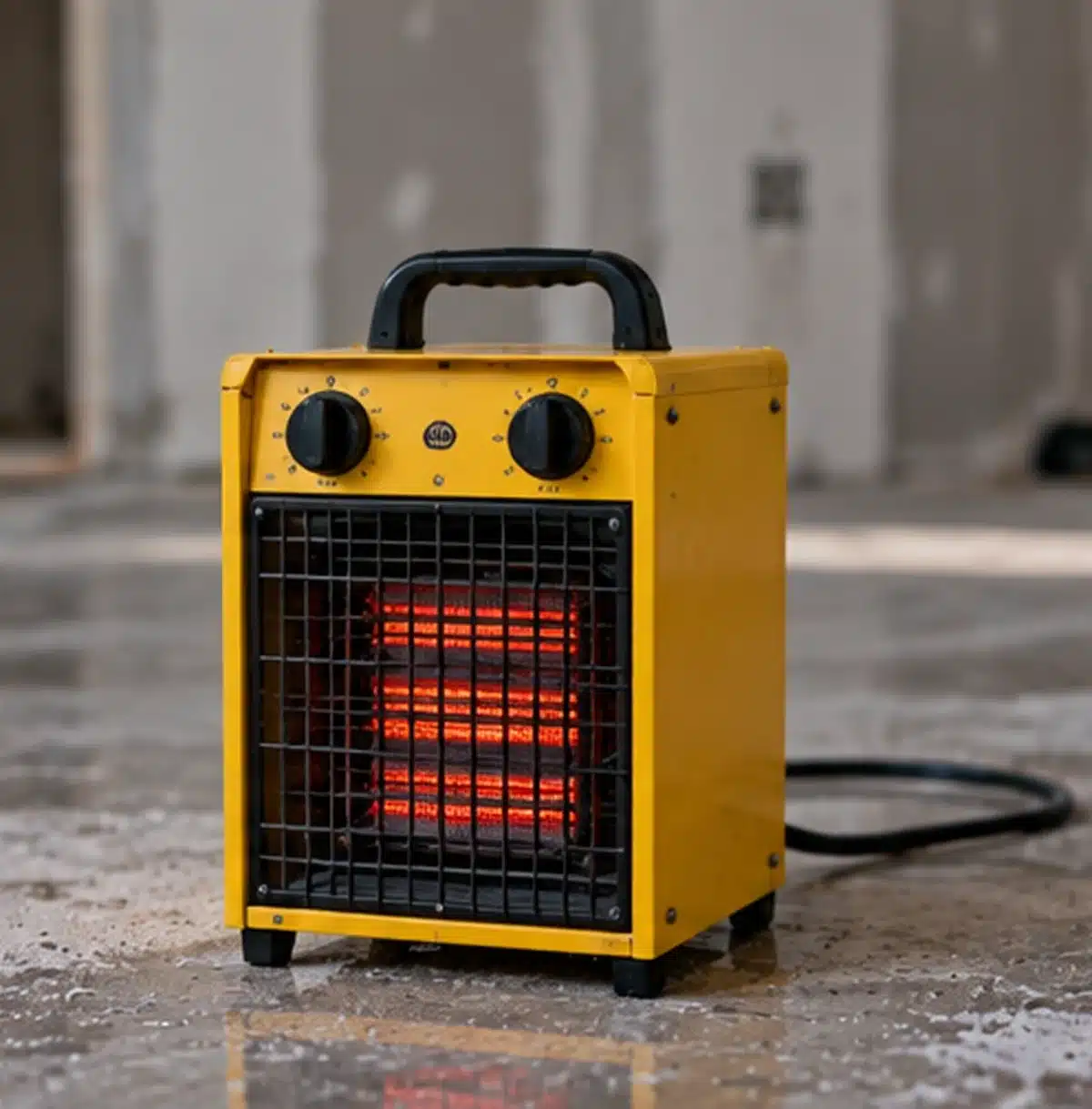
Temporary heating should be chosen around the outcome the site needs. A cabin or welfare area may just need a comfortable working temperature, a refurbishment shell may need broad background heat, and a drying programme may need controlled warmth over a longer period. Radiant heating works differently again, directing warmth at people or surfaces rather than heating all the air in the space.
Those differences decide where the heater sits, how long it runs and what fuel or power is practical. Rather than asking for a heater by size alone, describe the space, whether it is open or enclosed, and what the heat is meant to achieve. That gives the depot a clearer picture and reduces the risk of equipment that is wrong for the environment.
Fuel Type Changes the Ventilation and Site Plan
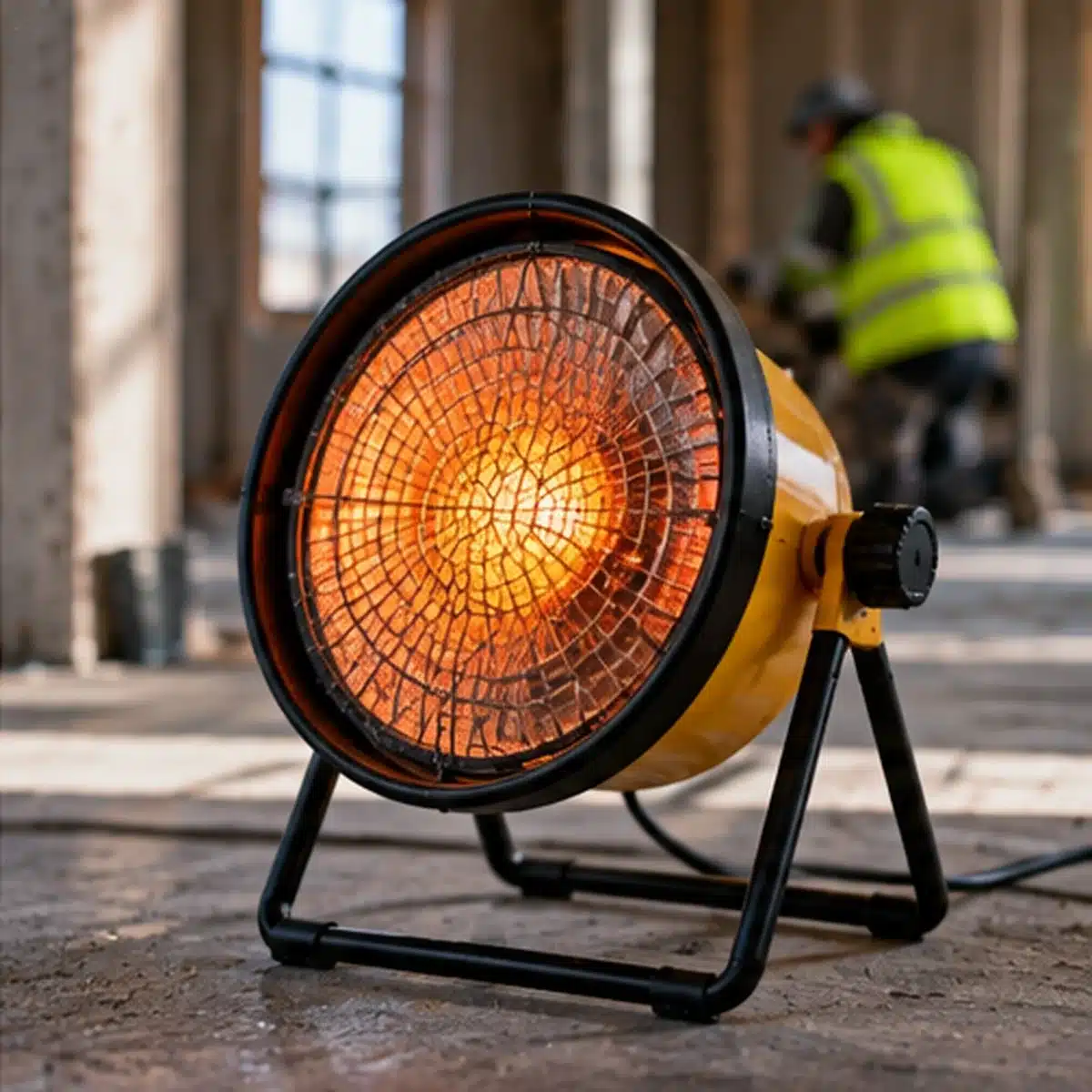
The heater type changes how the work area must be planned. The Coppard heating equipment range includes propane space heaters and radiant heaters. Fuel-fired units raise questions about ventilation, fuel storage, clearances and where combustion products go; electric units bring their own supply and distribution needs. The practical choice depends on more than output.
A unit that works well in a large, ventilated construction area can be wrong for a smaller occupied room, while a radiant heater is useful when only a defined working zone needs warmth. Confirm the exact heater and follow the operating instructions supplied with it, rather than assuming every temporary heater can be used in the same conditions.
Drying Work Is About Temperature and Moisture Together
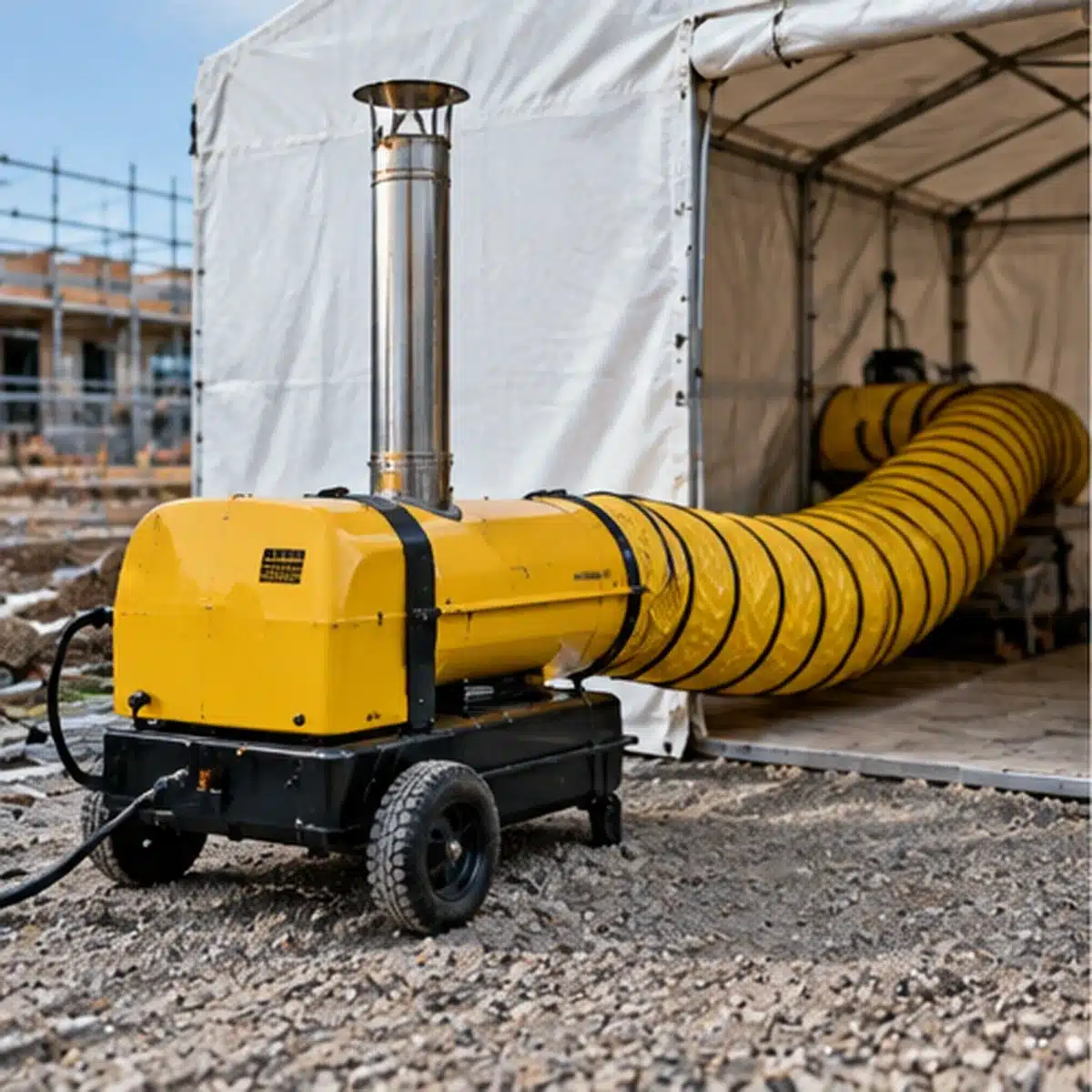
Heating can support a drying programme, but adding heat is not the same as removing moisture. Warm air encourages evaporation from plaster, screed or building fabric, yet that moisture still has to leave the space or be collected. On many projects, ventilation or dehumidification matters just as much as the heater. The material being dried also sets limits, since screeds, coatings, plaster and concrete have different curing and moisture needs, and forcing the process with excessive or localised heat can give uneven results.
Plan the temperature alongside air movement and humidity rather than treating them separately. Where a manufacturer sets curing or drying conditions for the next finish, let those requirements guide the programme. The goal is controlled progress, not simply making the room feel hotter.
Place Heaters Around the Work, Not in the Way of It
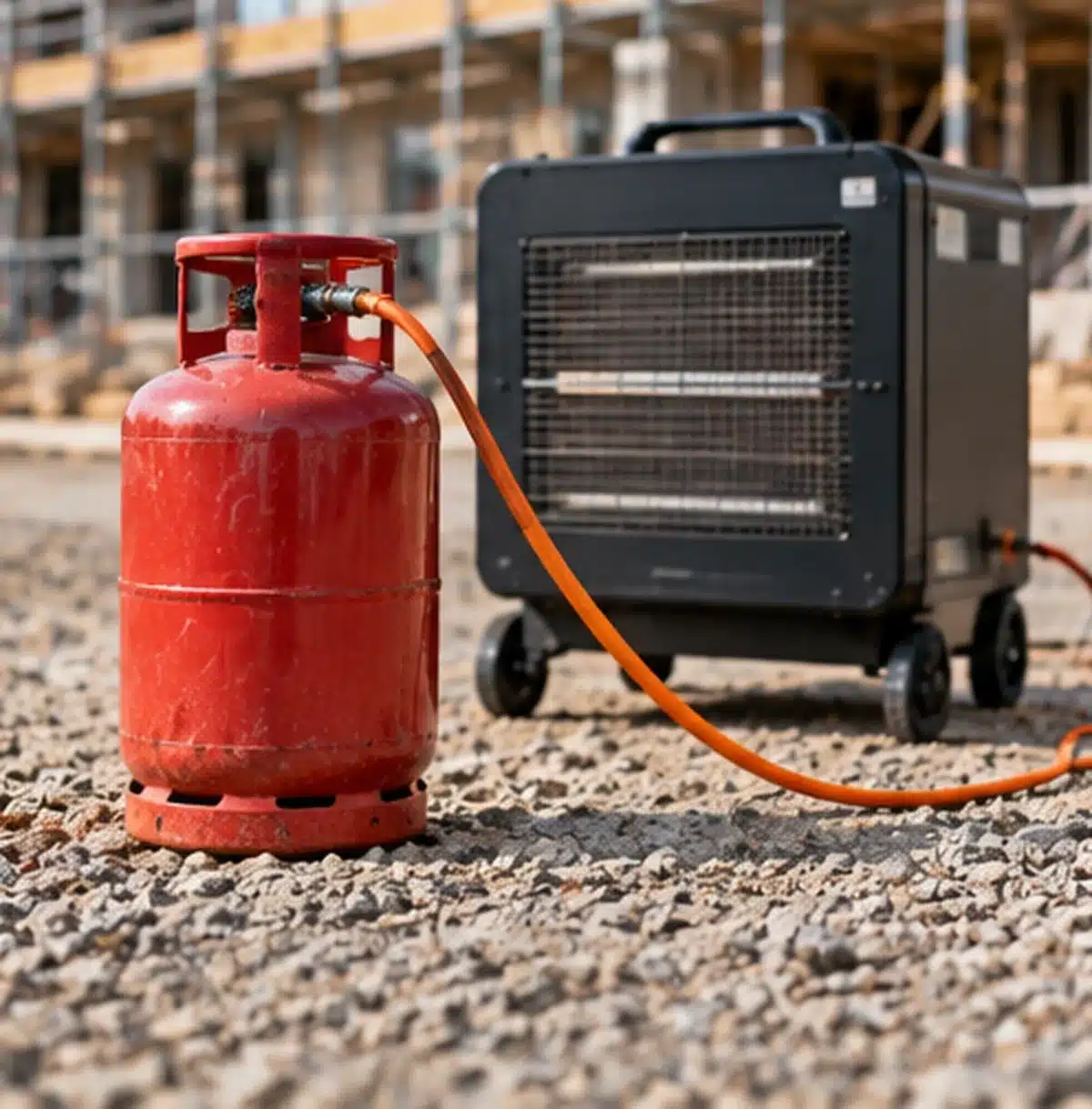
Positioning deserves thought before a heater is switched on. The unit needs a suitable surface and clear space around it, and fuel hoses, leads and hot-air discharge should not create new obstacles for people or site traffic. Avoid placing equipment where materials are likely to be stacked around it later in the shift, and do not let a convenient power point dictate a poor location.
The heater should support the working area without blocking routes, exits or access to other equipment. If heat is intended for one part of a larger building, think about doors, openings and air movement so warmth is not simply lost into unused areas. A short plan for the heater position, the supply route and the operating period makes temporary heating more effective and easier to manage.






Arrange Temporary Heating from the Crowborough Depot
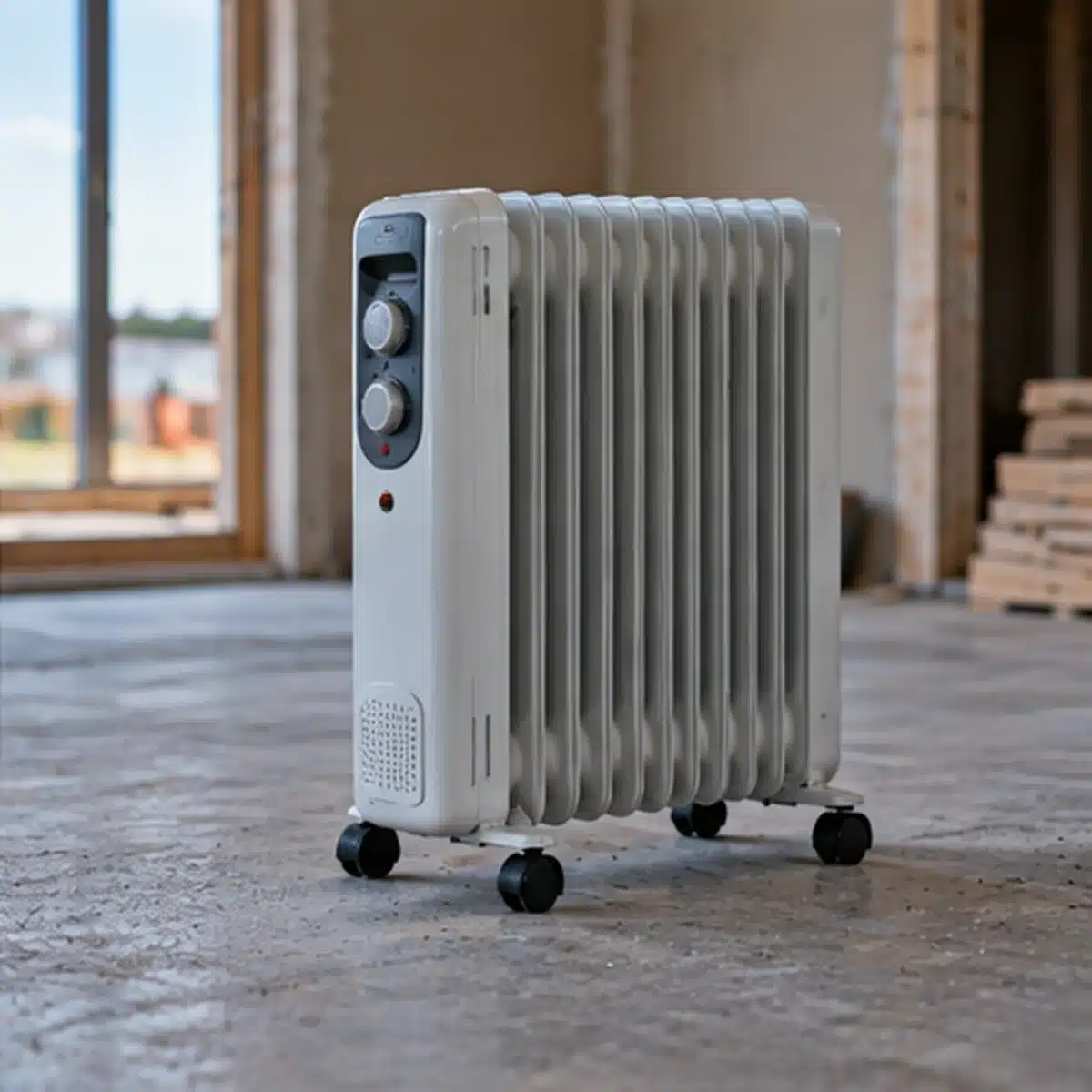
When arranging heating through the Crowborough Tool Rental Service, explain the dimensions and condition of the space rather than only a desired temperature. Cover whether the area is occupied, how well it is ventilated, what electricity or fuel is available and whether the purpose is worker comfort, frost protection or drying. Those details narrow the current hire options and highlight anything that still needs stock confirmation.
For projects elsewhere in East Sussex, call Crowborough on 01892 662777 with the intended hire period and any access restrictions before equipment is scheduled. A well-defined requirement is more useful than requesting the biggest heater, because output, environment and operating method all have to work together.
Frequently Asked Questions - Heating Equipment Hire in Crowborough, East Sussex
What should I tell Coppard before hiring a heater?
Describe the space rather than just a target temperature. Say how big the area is, whether it is open or enclosed, whether it is occupied, how well it is ventilated, and what electricity or fuel is available. Then say what the heat is for: worker comfort, frost protection or drying. Those details let the depot match the current heating options to the job and flag anything that needs stock confirmation, rather than defaulting to the biggest heater.
Can temporary heaters dry out screed or plaster?
They can be part of a drying strategy, but adding heat is not the same as removing moisture. Warm air encourages evaporation, yet that moisture still has to leave the space or be collected, so ventilation or dehumidification often matters just as much. The material sets limits too: screeds, plaster, coatings and concrete have their own curing and moisture needs, and excessive or uneven heat can create problems rather than safely shorten the programme.
Should heating and dehumidification be used together?
On many drying projects, yes. Heat encourages moisture to leave the material while a dehumidifier removes it from the air, so the two complement each other when planned together. The right balance depends on the building, the moisture load and the drying conditions the next finish needs. Plan temperature, air movement and humidity as one programme rather than treating the heater as the whole answer.
Does the fuel type change how the heater can be used?
Yes, a great deal. A gas or fuel-fired heater raises questions about ventilation, fuel storage, clearances and where combustion products go, while an electric heater brings its own supply and distribution needs. A unit that suits a large, ventilated construction area can be wrong for a small occupied room, and a radiant heater can be useful when only a defined zone needs warmth. Confirm the exact heater and follow the operating instructions supplied with it.
What UK rules apply to gas-fired heating equipment at work?
Gas-fired appliances and fittings are covered by the Gas Safety (Installation and Use) Regulations 1998, which set duties around the safe installation, maintenance and use of gas appliances. You can read the official regulations at Gas Safety (Installation and Use) Regulations 1998 on legislation.gov.uk. Alongside this, keep any heater clear of combustible materials, maintain the clearances in the maker’s instructions and make sure fuel-fired units have adequate ventilation for safe combustion.
Need heating equipment hire in Crowborough?
Tell us the size and type of space, what you are trying to heat or dry, and the power or fuel available. Call Coppard on 01892 662777.