Gas Detector Hire in Crowborough, East Sussex
Gas detector hire in Crowborough for confined spaces, tanks, excavations and process areas. Coppard supplies portable multi-gas monitoring equipment for work across East Sussex. Call 01892 662777 with the expected hazards and the hire duration, and the sensor set-up can be checked before use.
A gas detector only helps if it is matched to the atmosphere you actually face. The gases that may be present, how monitoring will be done and the work being carried out all shape the choice. Decide what the monitor needs to detect, where readings will be taken and who acts on an alarm, before the equipment is relied on for entry or ongoing work.
Identify the Atmosphere Before Choosing the Detector
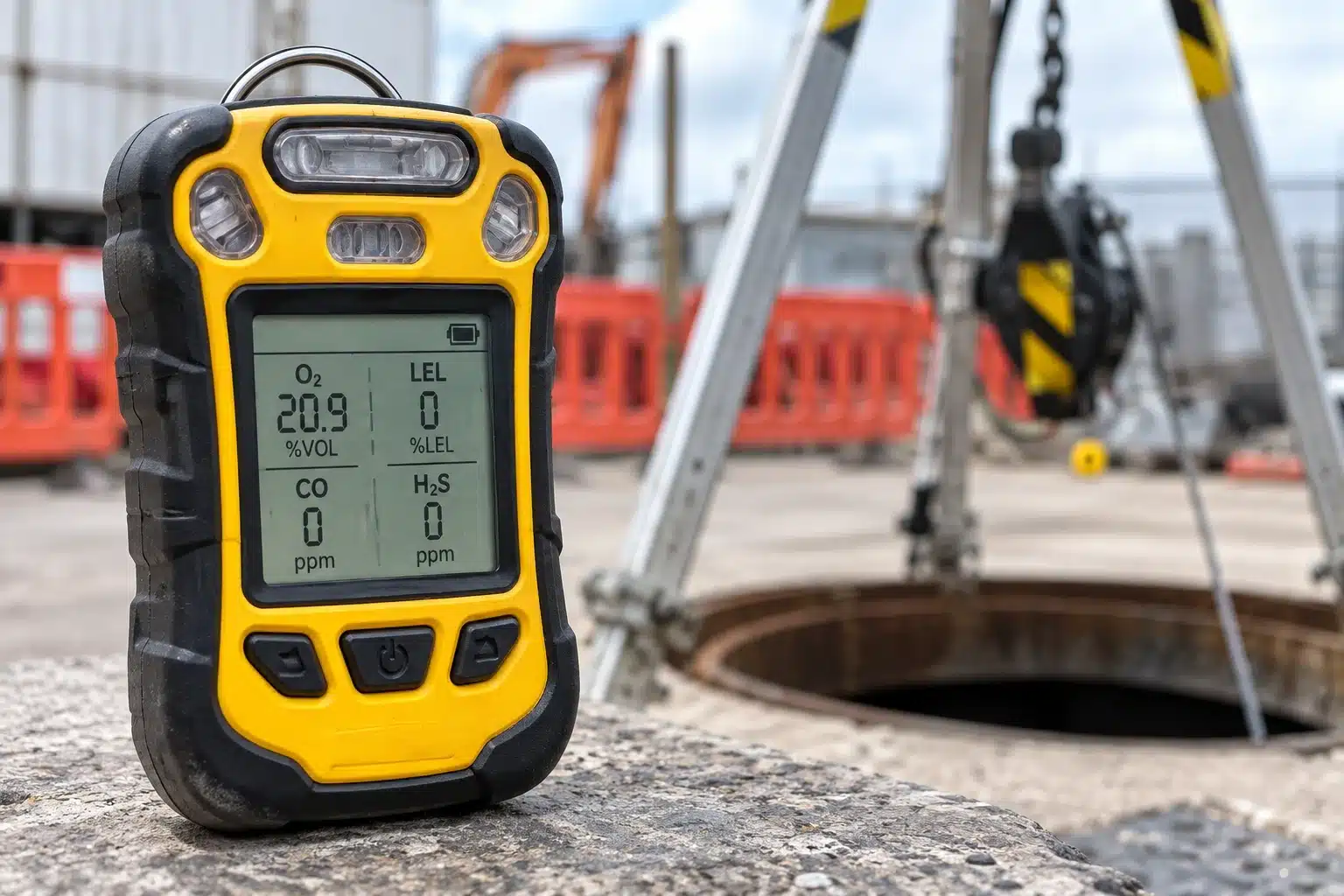
Gas detection starts by identifying which atmospheric hazards are reasonably foreseeable in the work area. Oxygen deficiency, flammable gas and toxic gases such as carbon monoxide or hydrogen sulphide are different risks, and a detector can only respond to the sensors fitted to it. The activity matters as well, since a tank, an excavation, a process area or a confined-space entry can present different sources and changes in the atmosphere.
Before arranging hire, define what the monitor needs to detect, where readings will be taken and who acts if an alarm sounds. That avoids treating a multi-gas instrument as a universal detector for every possible contaminant. If the expected atmosphere is uncertain, or unusual gases may be present, settle the sensor requirement before the equipment is relied on.
Match the Monitor to the Gases That May Be Present
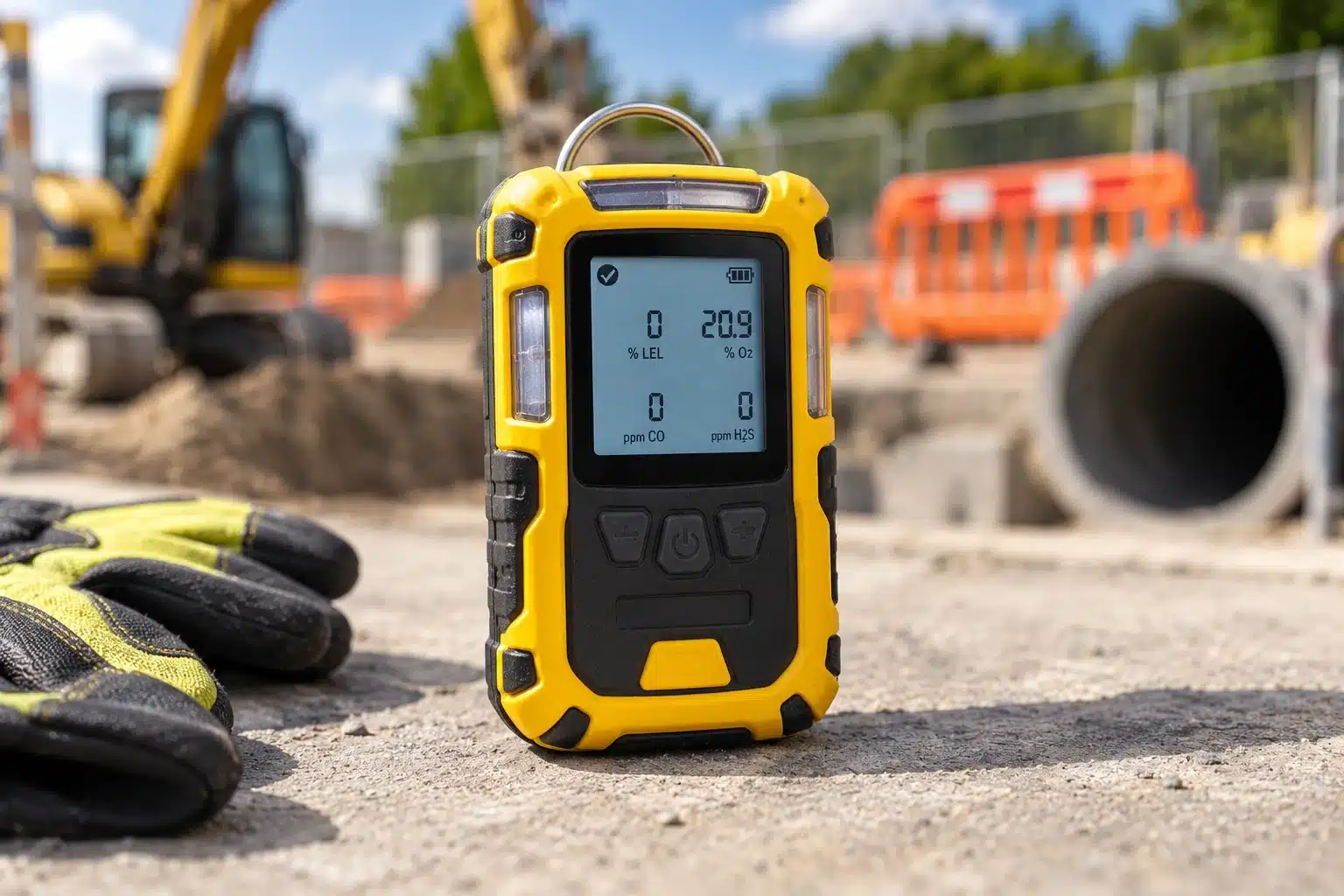
The Coppard gas detector range includes a portable multi-gas monitor covering the common confined-space hazards, with further sensor options noted for specific applications and a minimum hire period. That makes it relevant to many confined-space and site-monitoring tasks, but it does not prove that every gas you might face is covered by the exact instrument supplied on a given hire.
Check the sensor configuration before use, and confirm any unusual requirement with the depot. If your work needs single-gas monitoring or a particular gas that the standard multi-gas set-up does not cover, raise that when booking, so it can be arranged rather than assumed.
Pre-Entry Testing and Continuous Monitoring Do Different Jobs
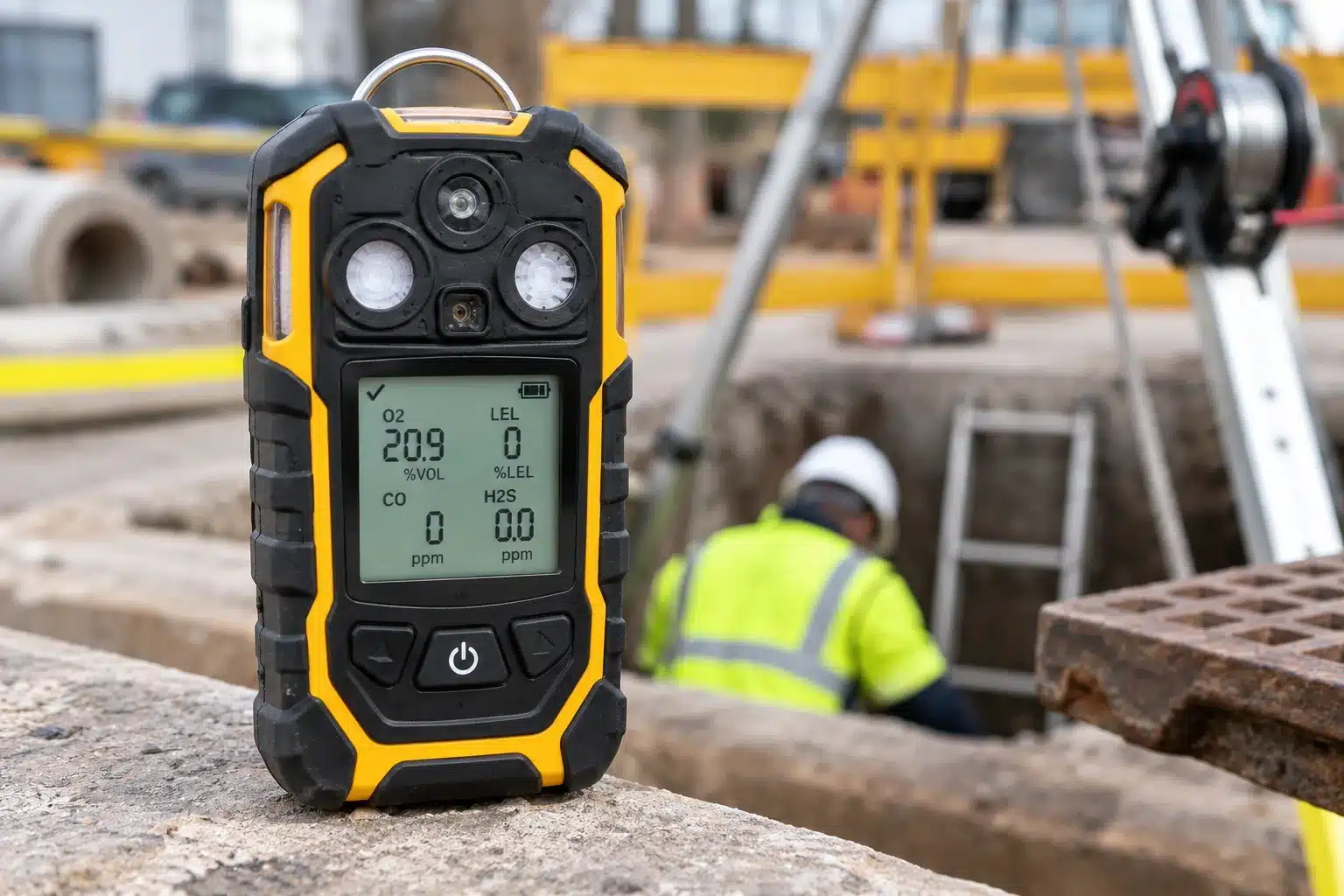
Testing the atmosphere before entry answers only the first question: what conditions are like at that moment. They can change as work goes on, especially where ventilation alters, a process starts, material is disturbed or combustion equipment is brought in nearby. The monitoring plan should separate the initial pre-entry check from any continuous or repeated monitoring needed while people remain exposed.
It should also fix the action attached to an alarm, rather than leaving that until the detector activates. Think about where the instrument is worn or positioned, how readings are communicated and when work must stop. A portable monitor works best inside a clear procedure, with users who understand both the display and the response expected of them.
Confirm Calibration, Function Checks and Alarms for the Exact Instrument
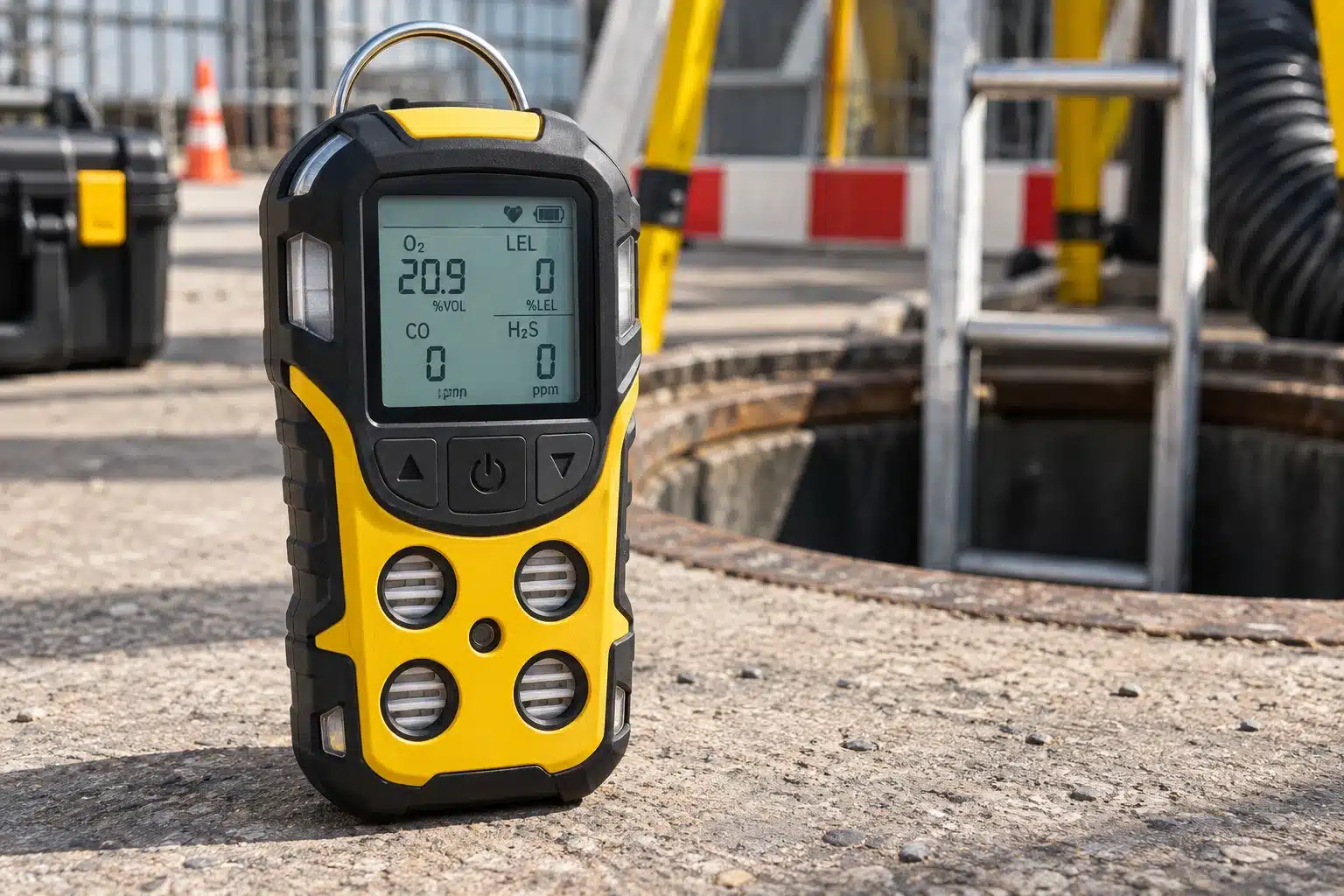
Calibration status, function checks and alarm settings are part of an instrument’s readiness, not paperwork. Users should know the alarm types, the battery state and the sensor limitations before the detector goes into service. For hire through the Crowborough Tool Rental Service, ask what calibration or test information comes with the exact monitor, and whether any check is needed before each period of use.
If the instrument forms part of a confined-space entry plan, record how its condition and readings will be checked during the job. Clear confirmation at handover is stronger than assuming every detector always arrives in the same state, and it keeps the monitoring plan honest about the actual equipment in hand.






Arrange Gas Detection Equipment through Crowborough
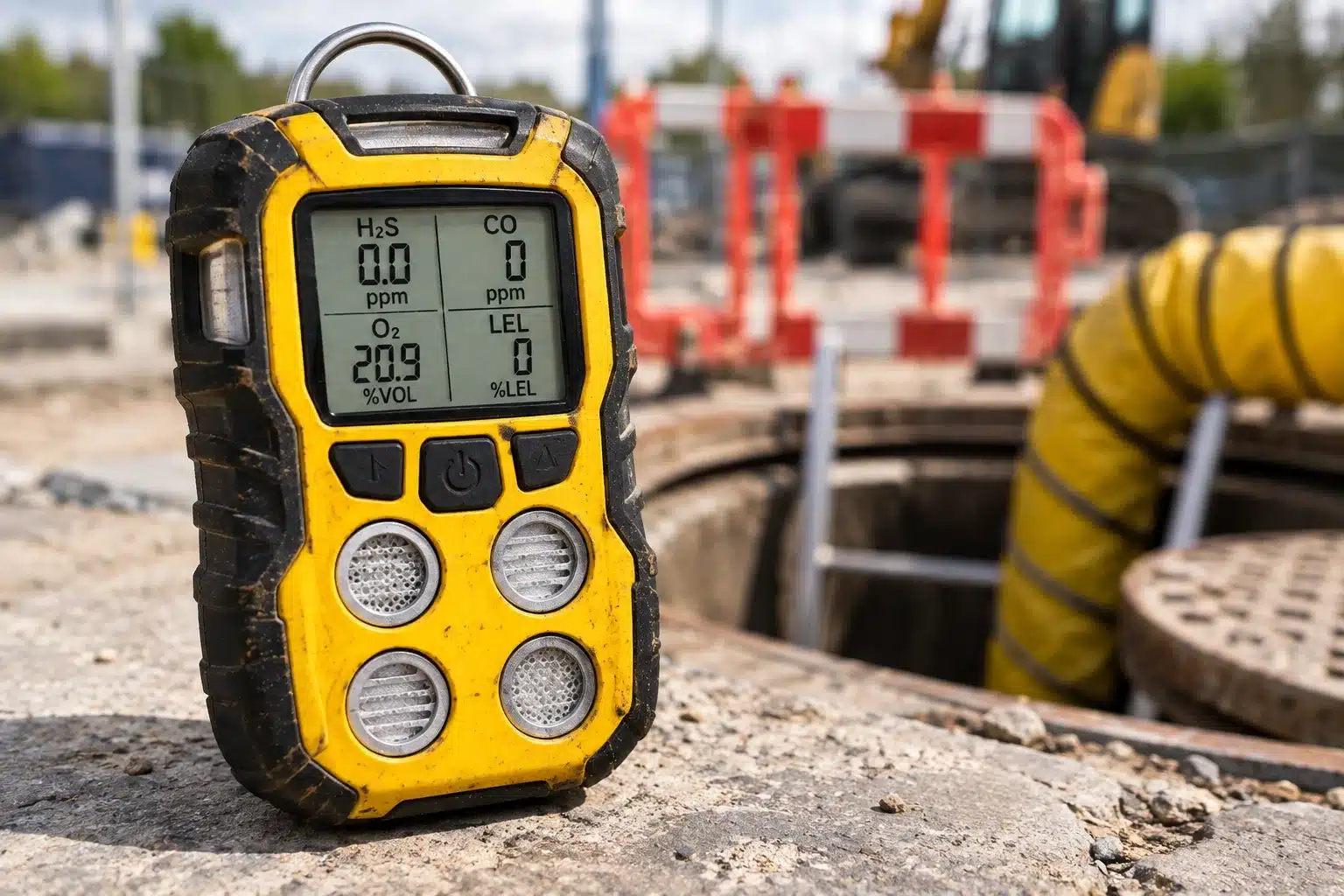
For gas-monitoring work across East Sussex, call the Crowborough team on 01892 662777 and give the location, the anticipated hazards, the hire duration and the gases that need to be monitored. Coppard can confirm current availability, the sensor configuration offered and the minimum hire period. It also helps to say whether the detector is for an excavation, a tank, a process area or a formal confined-space entry, because the monitoring approach can differ.
If the job needs single-gas equipment or a particular calibration record, raise that before booking so it can be verified rather than assumed. The right detector is the one configured for the foreseeable atmosphere and backed by a clear monitoring and alarm-response plan.
Frequently Asked Questions - Gas Detector Hire in Crowborough, East Sussex
How do I know which gas detector I need?
Start from the atmosphere, not the instrument. Work out which hazards are reasonably foreseeable: oxygen deficiency, flammable gas, and toxic gases such as carbon monoxide or hydrogen sulphide are all different risks, and a detector only responds to the sensors fitted to it. The work itself matters too, since a tank, excavation, process area or confined-space entry can each present different sources. Tell the depot the expected hazards and the task, and the sensor set-up can be checked before use.
Does a four-gas monitor cover every hazardous gas?
No. A four-gas instrument detects only the gases its fitted sensors cover, commonly oxygen, a flammable gas, carbon monoxide and hydrogen sulphide. Other contaminants need the right sensor or a different instrument. If the expected atmosphere is uncertain or an unusual gas may be present, resolve the sensor requirement before the monitor is relied on for entry or ongoing work. Do not treat a standard multi-gas unit as a universal detector for anything that might be in the air.
Is it enough to test the air only before entering a space?
No. A pre-entry test tells you the conditions at that moment only. They can change as work goes on, especially if ventilation alters, a process starts, material is disturbed or combustion equipment is brought in nearby. Decide whether continuous or repeated monitoring is needed while people remain in the area, and agree what happens if an alarm sounds before it does. A monitor is most useful inside a clear procedure, with users who understand both the readings and the response expected.
What should I check about the actual instrument before use?
Confirm the sensor configuration, the calibration or function-check status, the alarm settings, the battery state and any sensor limitations for the exact monitor supplied. Ask the depot what calibration or test information comes with it and whether any check is needed before each period of use. If the detector is part of a confined-space entry plan, record how its condition and readings will be checked during the job, rather than assuming every unit is always supplied in the same state.
What UK regulations apply to work in confined spaces?
The Confined Spaces Regulations 1997 set duties to avoid entry into a confined space where reasonably practicable, and to control the risks by a safe system of work where entry is necessary. You can read the official regulations at Confined Spaces Regulations 1997 on legislation.gov.uk. Gas detection is one part of that system, alongside the risk assessment, ventilation, entry procedure and emergency arrangements, not a substitute for them.
Need gas detector hire in Crowborough?
Tell us the atmosphere you need to monitor, the work location and the hire period. Call Coppard on 01892 662777.