Winch Hire in Brighton, Sussex
Winch hire in Brighton for pulling, recovering and holding loads on the South Downs escarpment, chalk cliff sites and shingle beach access. Coppard supplies cable, manual and 110V electric winches across Sussex. Call 01273 596979 with the terrain, the load and whether the equipment will be exposed to sea air.
Around Brighton the winching problem is often steep chalk downland on one side of the city and shingle beach or seafront access on the other, and both bring their own demands: the Downs for genuine gradient and unstable chalk ground, the coast for corrosive salt air that attacks equipment left out in it far faster than an inland site would.
Chalk Downland Behaves Differently From Clay or Loam
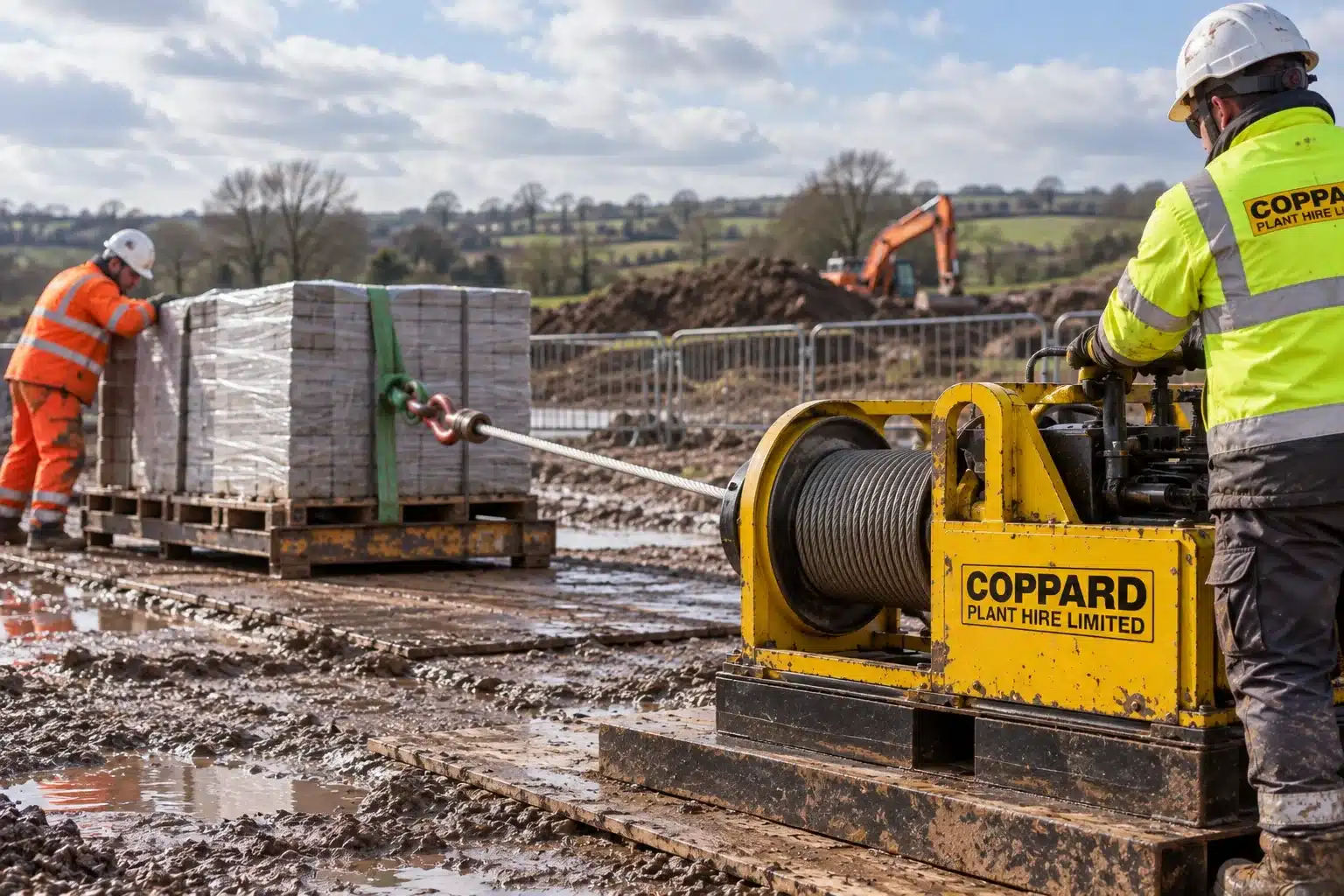
The South Downs escarpment rising behind Brighton is chalk, which can be firm and load-bearing when dry but turns unexpectedly slick and unstable when wet, changing both where a winch and its anchor can safely stand and how a recovery actually behaves on a slope that looked solid an hour earlier. Test the ground underfoot before committing to a position, especially after rain.
Through the Brighton Tool Rental Service, plan for the possibility that a chalk slope’s surface condition changes during the job itself, since a winch and anchor set up on dry chalk in the morning may be standing on a different surface by the time weather moves in from the coast later the same day.
Salt Air Corrodes Equipment Faster Near the Coast
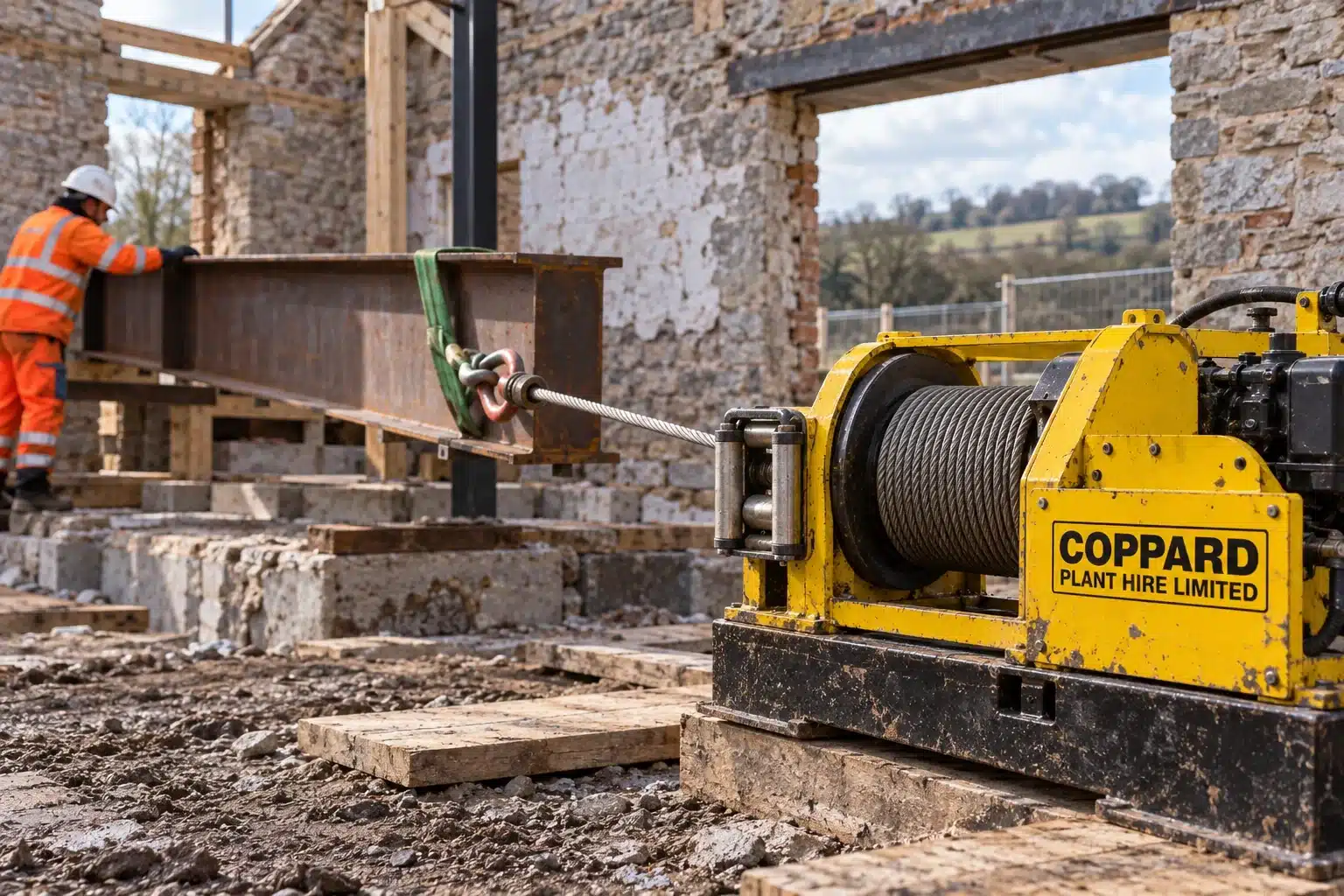
Equipment left out near the Brighton seafront, on shingle beach access, or anywhere within reach of salt-laden sea air corrodes noticeably faster than the same equipment inland, affecting cable, chain and moving parts in ways that matter for a winch relied upon for a controlled pull or hold. Inspect the equipment more carefully before a coastal job than you would for the same task a few miles inland.
Where the winch will be exposed to sea air for any length of time, factor in more frequent checks during the job itself, not just before it starts, since corrosion can affect a component’s performance partway through a task in coastal conditions in a way that would not arise on a short inland job.
Shingle and Soft Beach Ground Need Their Own Anchor Thinking
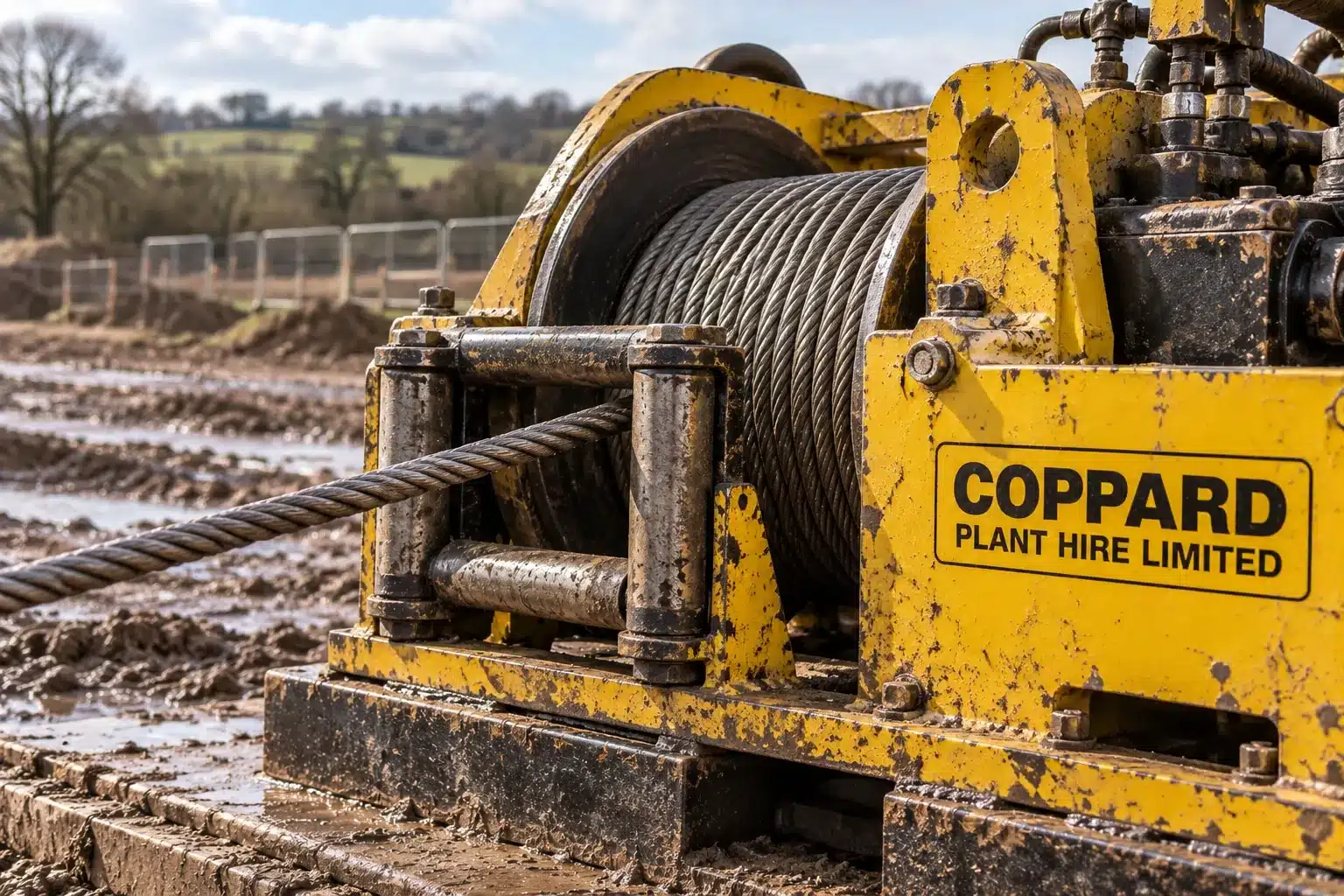
Shingle shifts and settles under load in a way firm ground does not, so an anchor point that would hold reliably on solid ground can work loose or shift on beach shingle, and the winch’s own footing on shifting stones needs as much attention as what it is anchored to. Test any anchor point on shingle under load before committing the full pull to it.
Consider whether a genuinely solid anchor exists within reach on a beach or seafront site at all, since shingle, sand and loose coastal ground often lack anything comparable to a rated structural point, which may mean bringing in a vehicle, plant or a purpose-made anchor rather than relying on anything found on site.
Cable, Manual or Electric for Coastal and Downland Work
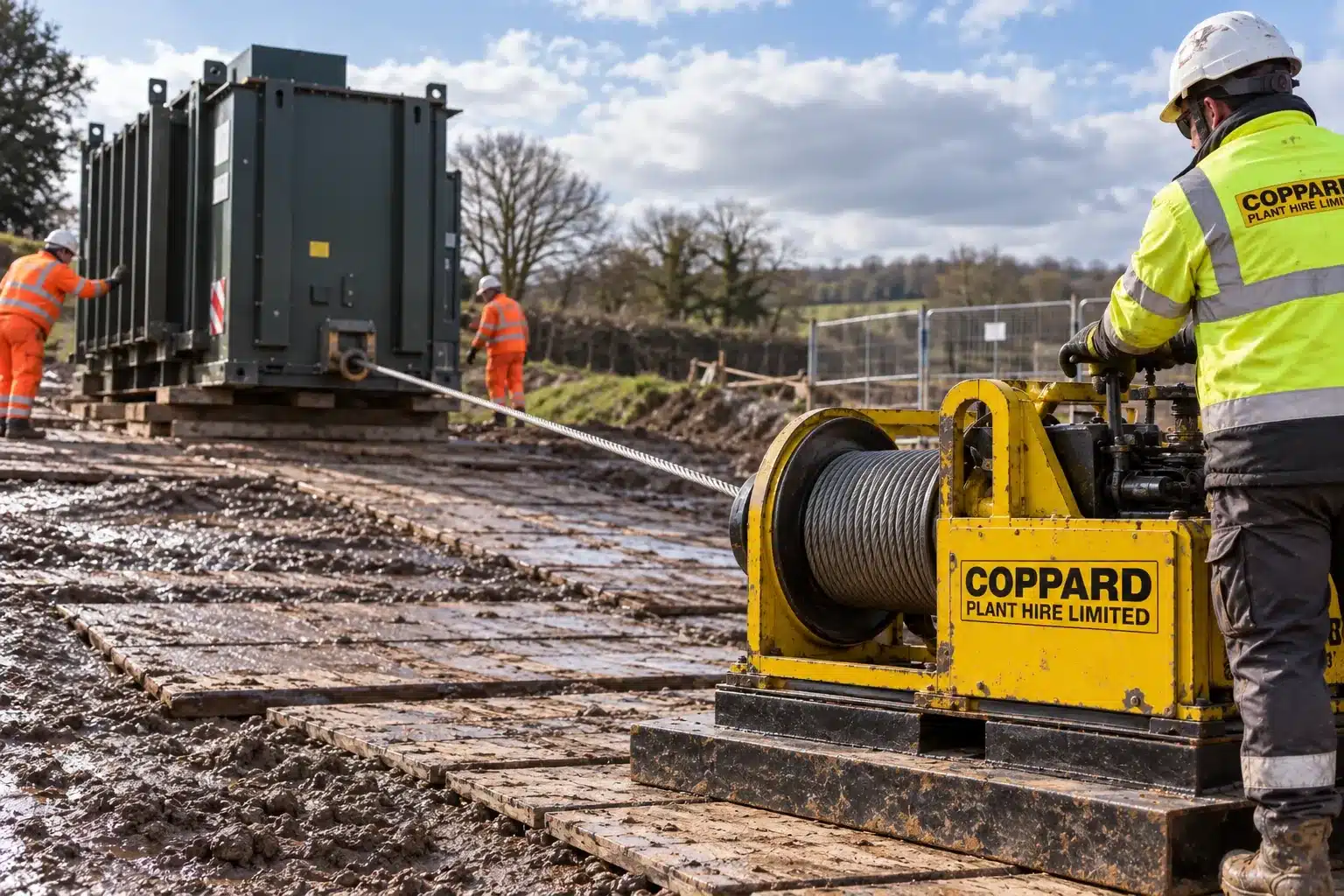
The Coppard winch range runs from a heavy cable winch through manual units to a 110V electric winch, and coastal exposure or an off-grid Downs location both bear on the choice: a manual unit needs no power source for a remote downland site with no supply, while any electric equipment near the coast needs particular care over connectors and protection from salt-laden moisture in the air.
Choose by the terrain and the exposure as much as the load, since a unit well suited to an inland construction pull may need extra protection or a different choice altogether for sustained use on an exposed Brighton coastal or clifftop site.






Tell the Brighton Depot the Terrain and the Exposure
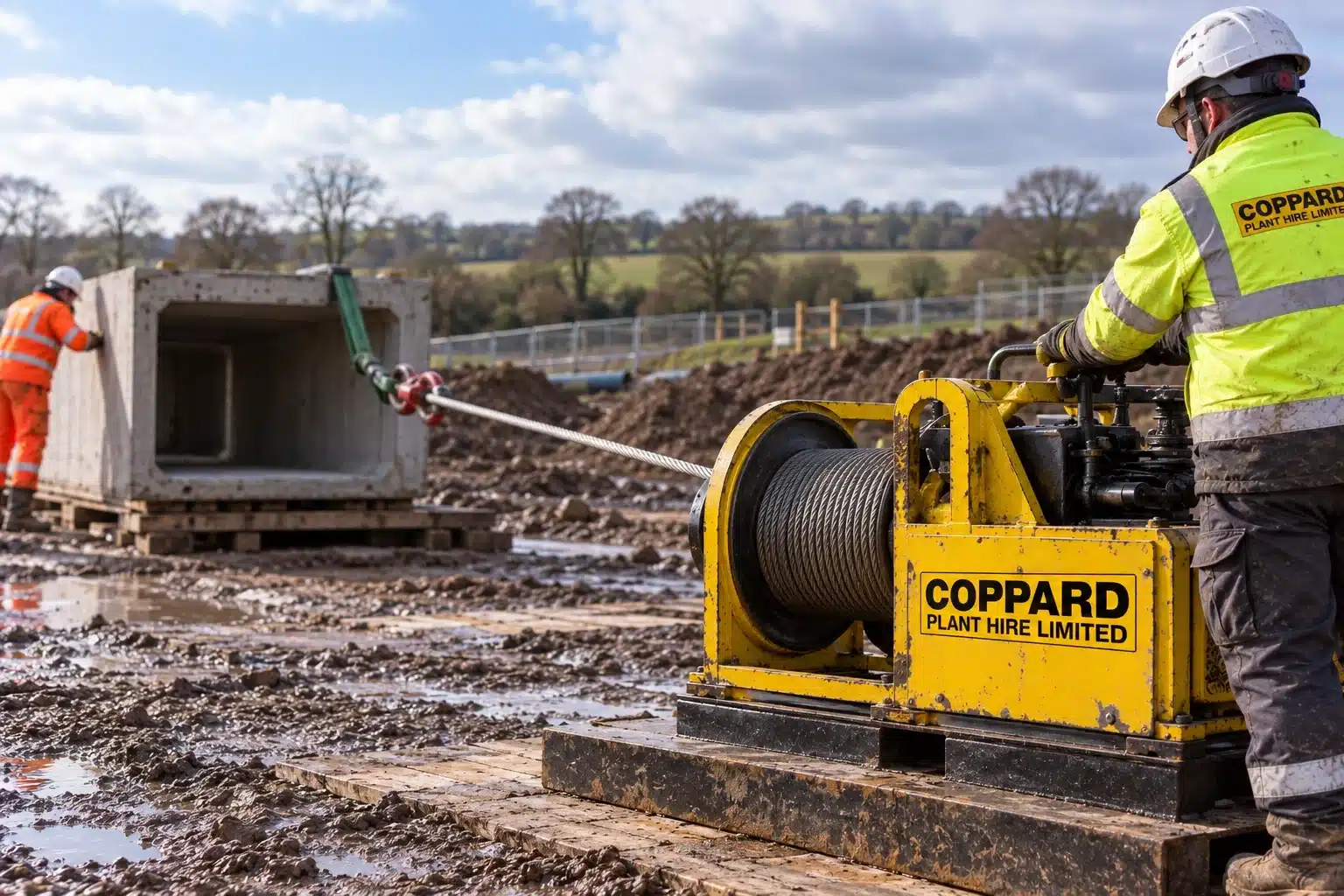
Describe whether the job is on chalk downland, shingle or seafront ground, or a more typical inland site, and how exposed the equipment will be to sea air or weather. Give the load, the anchor points available, and the direction of pull.
Coppard supplies winches for work across Brighton and the wider Sussex area, and can confirm which unit suits genuinely coastal or downland conditions rather than a standard inland job. Call 01273 596979 with the terrain and the exposure described.
Frequently Asked Questions - Winch Hire in Brighton, Sussex
Does chalk downland behave differently from other ground for winching?
Yes, noticeably. Chalk can be firm and load-bearing when dry but turns unexpectedly slick and unstable when wet, which changes where a winch and its anchor can safely stand and how a recovery behaves on a slope that looked solid earlier. Test the ground underfoot before committing to a position on the South Downs escarpment behind Brighton, especially after rain, and plan for the surface condition potentially changing during the job.
Does equipment need extra care near the Brighton seafront?
Yes. Salt-laden sea air corrodes cable, chain and moving parts noticeably faster than the same equipment inland, which matters for a winch relied upon for a controlled pull or hold. Inspect equipment more carefully before a coastal job than an inland one, and where it will be exposed to sea air for any length of time, check it periodically during the job itself, not just beforehand, since corrosion can affect performance partway through.
Can I anchor a winch reliably on a shingle beach?
Not always, so test any anchor point under load before committing the full pull to it, since shingle shifts and settles in a way firm ground does not, and a point that would hold on solid ground can work loose on beach stones. Consider whether a genuinely solid anchor exists at all on a beach or seafront site, since shingle and loose coastal ground often lack anything comparable to a rated structural point, which may mean bringing in your own anchor solution.
Manual or electric winch for an exposed coastal or downland site?
It depends on the power available and the exposure. A manual unit needs no power source, which suits a remote downland site with nothing to plug into, while electric equipment near the Brighton coast needs particular care over connectors and protection from salt-laden moisture in the air. Choose by the terrain and the exposure as much as the load, since sustained coastal use often needs extra protection beyond a standard inland set-up.
What UK rules apply when a winch lifts rather than pulls?
If a winch is used to lift a load rather than draw it along, the Lifting Operations and Lifting Equipment Regulations 1998, known as LOLER, apply on top of the general duty to provide suitable, maintained equipment. The text is at LOLER 1998 legislation on legislation.gov.uk. On exposed Brighton coastal or downland sites, maintaining that equipment properly also has to account for corrosion and ground-condition changes affecting its condition over time.
Need winch hire in Brighton?
Tell us the terrain, whether the site is coastal, and the load and anchor available. Call Coppard on 01273 596979.