Welder Hire in Brighton, Sussex
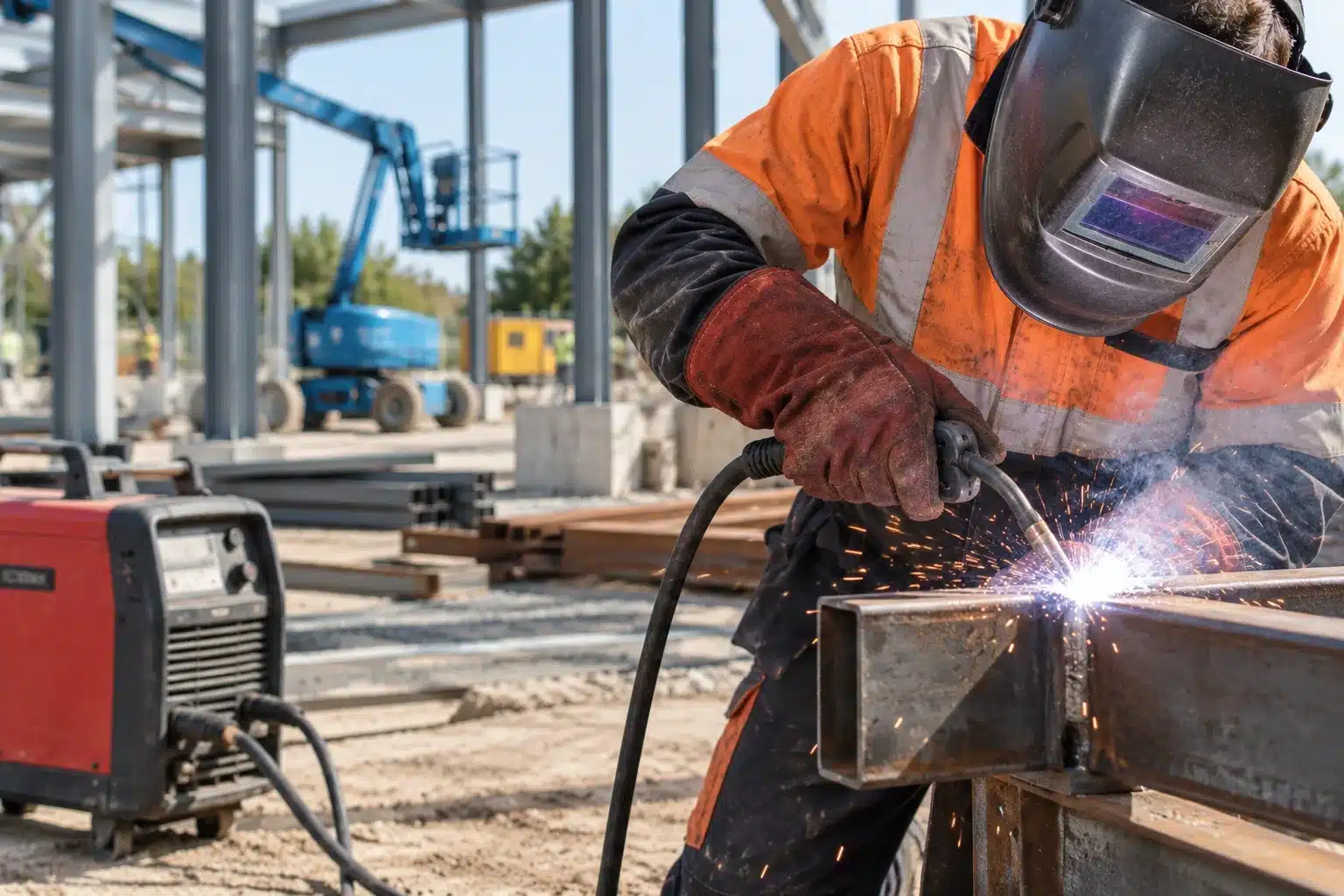
Welder hire in Brighton for repairing decorative cast iron railings, Regency balconies and period ironwork found across the city’s seafront and terraces. Coppard supplies a mobile petrol arc welder and oxy-acetylene cutting and welding gear across Sussex. Call 01273 596979 with the ironwork’s condition and whether it holds heritage or listed status.
Brighton’s Regency balconies, decorative railings and cast iron seafront features are a distinctive part of the city’s character, and repairing them well means treating the ironwork as decorative and often historic material rather than structural steel, with welding technique and material matching that a straightforward repair job elsewhere would not need to consider.
Cast Iron Behaves Differently From Wrought Iron or Steel
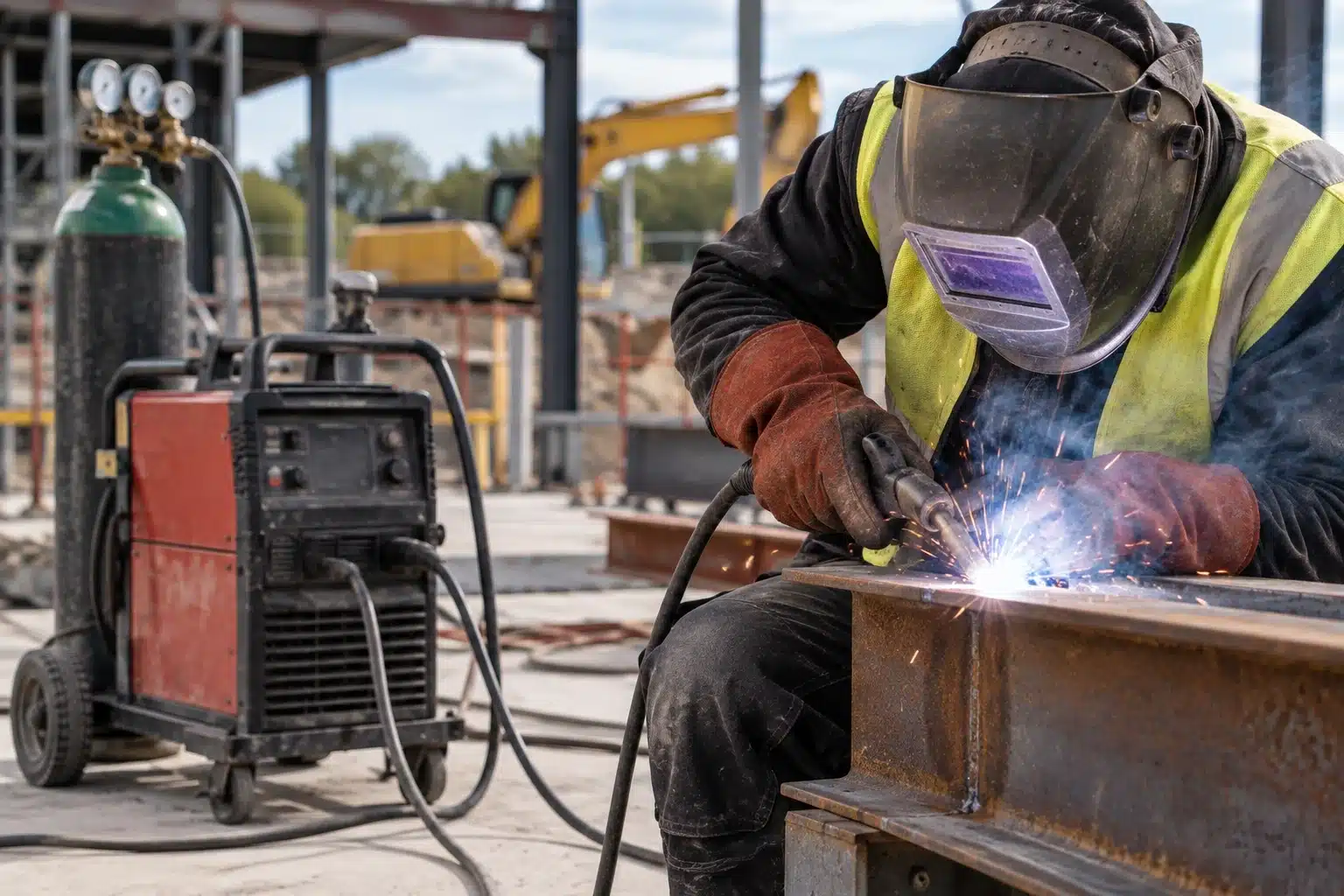
Much of Brighton’s decorative period ironwork is cast iron, which is more brittle and behaves quite differently under heat than the wrought iron or modern steel a general welding job might assume, and welding cast iron incorrectly can crack it further rather than repair it. Identify the actual material before choosing a method, since cast and wrought iron need different approaches entirely.
Through the Brighton Tool Rental Service, confirm whether the specific piece is cast or wrought before welding, since treating brittle cast ironwork the same as modern steel is a common and costly mistake on Brighton’s characteristic decorative railings and balconies.
Match the Repair to the Decorative Detail
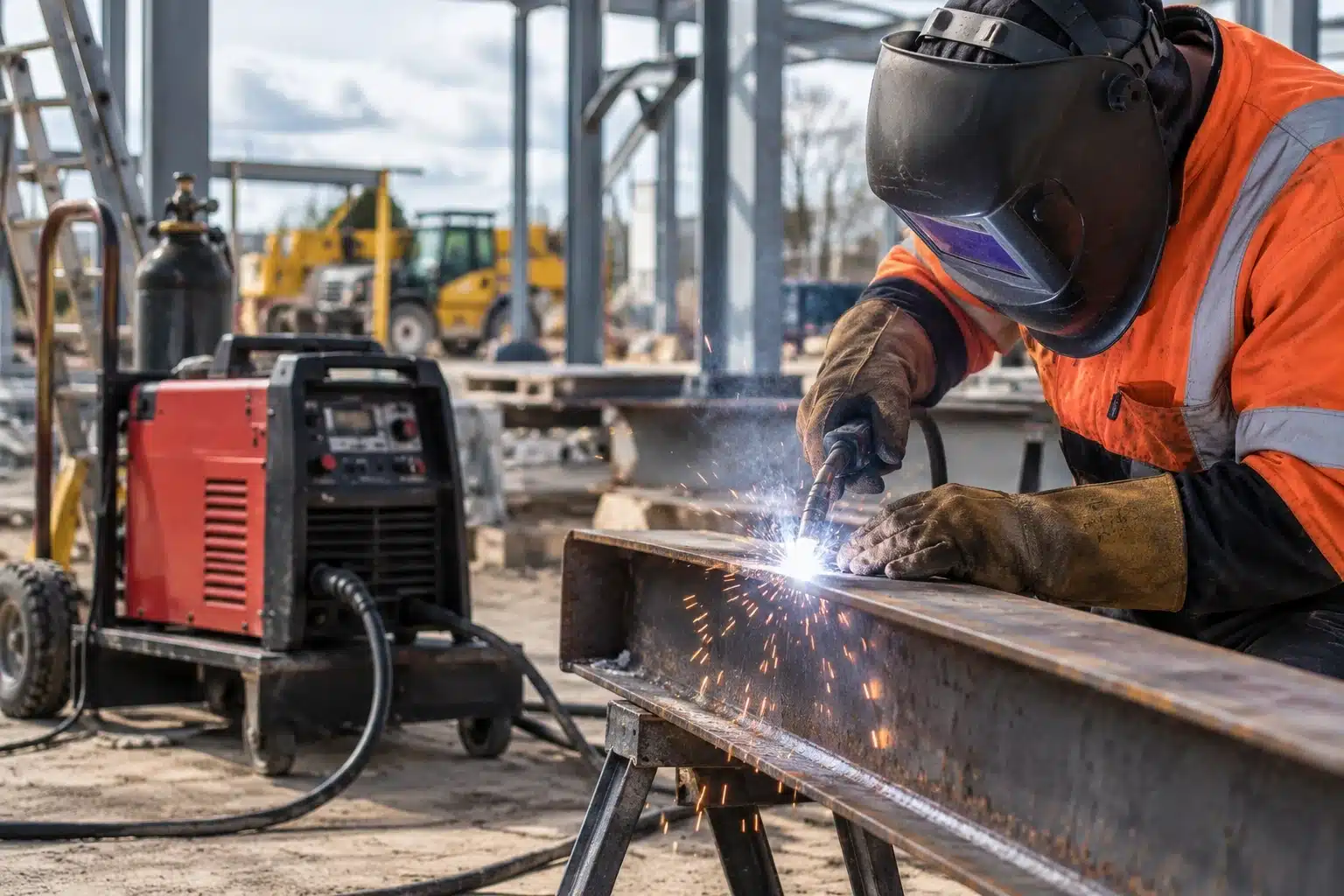
Decorative period ironwork often has fine detail, scrollwork, patterns, moulded elements, that a repair needs to preserve or match rather than simply reconnect structurally, so the welding technique and any additional metalworking needs to respect the original design intent, not just restore basic function. The Coppard welders range covers the welding and cutting equipment for this kind of careful repair work.
Where a section is missing or too damaged to repair in place, matching new material to the existing decorative pattern is a separate skill from the welding itself, so consider whether the job needs input beyond straightforward welding capability for a genuinely decorative Brighton feature.
Coastal Corrosion Complicates Ironwork Repair
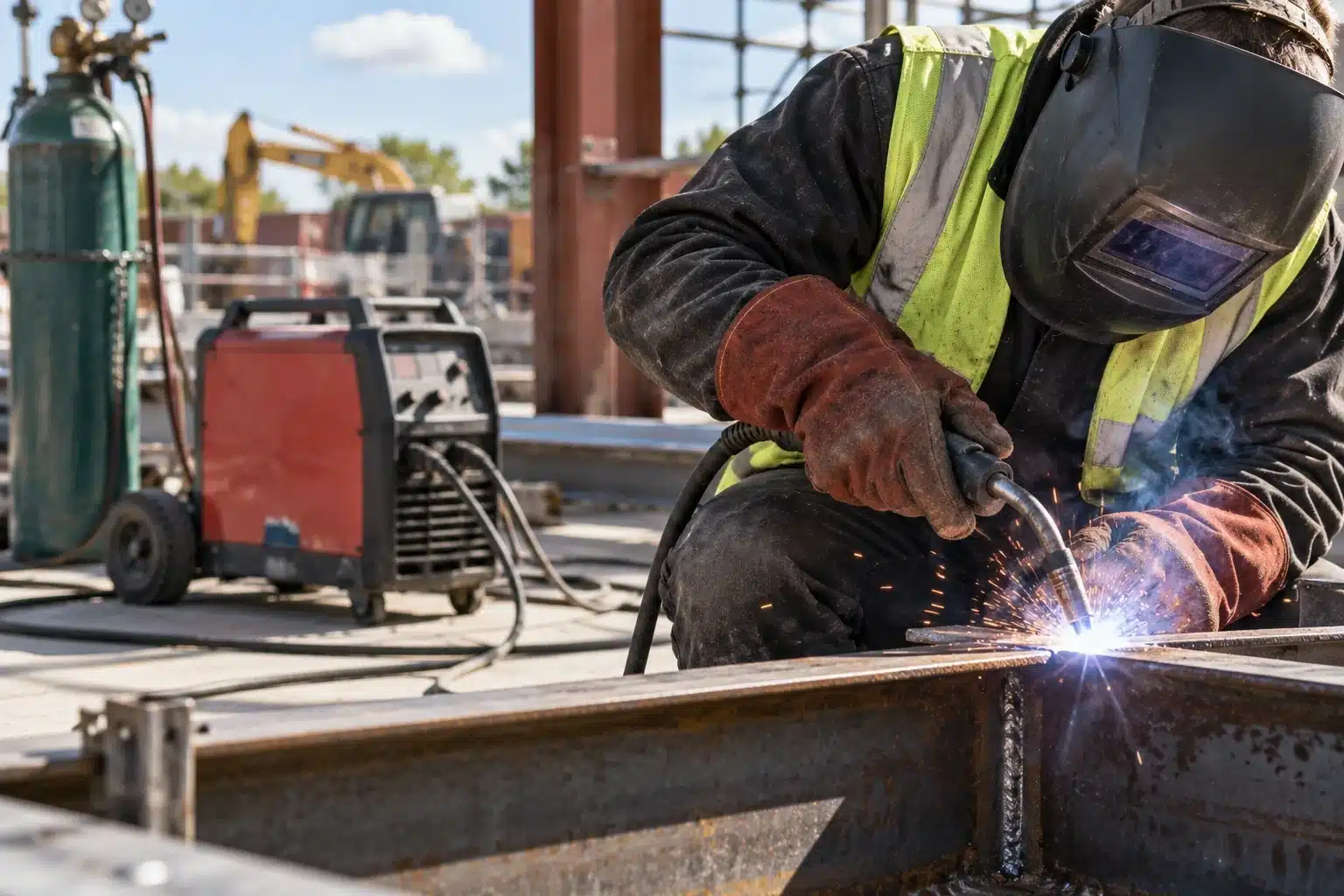
Brighton’s seafront ironwork has often corroded significantly from decades of salt air exposure, which can mean more of the original material has to be addressed than a first look suggests, and welding onto heavily corroded iron behaves differently from welding onto sound material. Assess the full extent of corrosion before committing to a repair scope, not just the visibly damaged section.
Corrosion can also affect wall thickness unevenly across a piece, so a weld that would hold on the sound sections of a railing might not hold on a more corroded section nearby, meaning the repair plan may need to vary along the length of a single feature rather than applying one approach uniformly.
Check Heritage Status Before Altering Period Ironwork
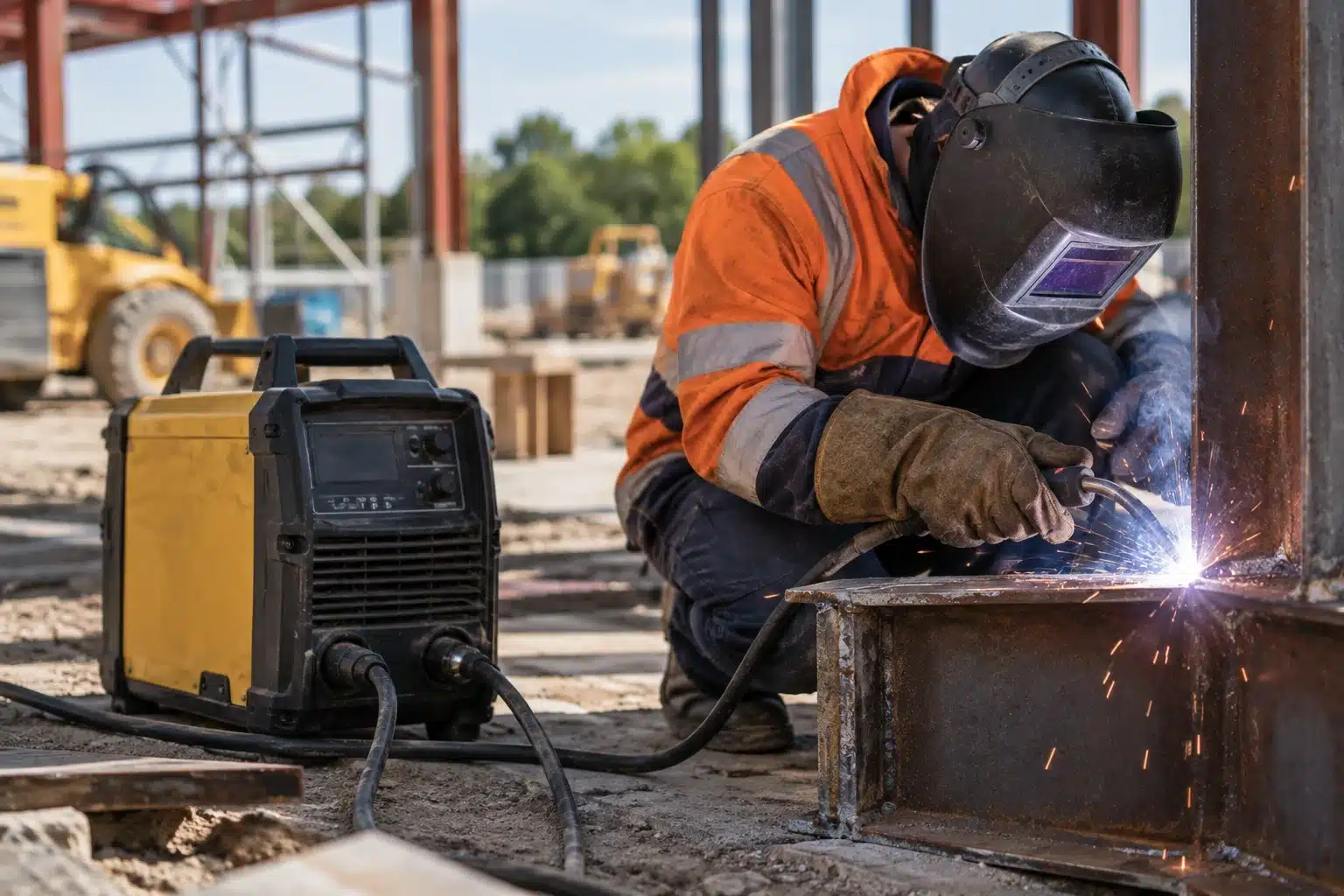
Where the ironwork is part of a listed building or a protected area, even a repair intended to restore rather than change the feature may need heritage consideration, since altering historic material, even to fix it, can be a heritage matter depending on the extent and method of the work. Confirm the status before starting anything beyond the most minor repair.
Where consent or heritage advice is needed, factor that into the project timeline, since Brighton has a significant concentration of listed Regency and Victorian ironwork, and treating a repair as routine when it actually needs heritage sign-off risks having to redo or justify work already carried out.




Tell the Brighton Depot the Ironwork and Its Status
Give the material if known, cast or wrought iron, the extent of damage or corrosion, and whether the feature has listed or heritage status. Describe the decorative detail that needs preserving or matching.
Coppard supplies welding and cutting equipment for work across Brighton and the wider Sussex area. Call 01273 596979 with the ironwork’s condition and status described, so the equipment and the approach suit a decorative period repair rather than a standard structural weld.
Frequently Asked Questions - Welder Hire in Brighton, Sussex
Is repairing cast iron railings different from welding steel?
Yes, significantly. Cast iron is more brittle and behaves quite differently under heat than wrought iron or modern steel, and welding it incorrectly can crack it further rather than repair it. Identify the actual material before choosing a method, since treating brittle cast ironwork the same as modern steel is a common and costly mistake on Brighton’s characteristic Regency railings and balconies.
How do I preserve decorative detail when repairing period ironwork?
Treat the welding technique and any additional metalworking as needing to respect the original design intent, not just restore basic function, since scrollwork, patterns and moulded elements are often part of what makes the feature valuable. Where a section is missing or too damaged to repair, matching new material to the existing decorative pattern is a separate skill from welding itself, worth considering for a genuinely decorative Brighton feature.
Does sea air make ironwork repair harder?
Often yes, since decades of salt air exposure can mean more of the original material needs addressing than a first look suggests, and welding onto heavily corroded iron behaves differently from sound material. Assess the full extent of corrosion before committing to a repair scope, and expect the approach to potentially vary along a single feature where corrosion is uneven, rather than applying one method uniformly.
Do I need permission to repair listed ironwork?
Possibly, even for a repair intended to restore rather than change the feature, since altering historic material can be a heritage matter depending on the extent and method of the work. Confirm the status before starting anything beyond the most minor repair, and factor any consent process into your timeline, since Brighton has a significant concentration of listed Regency and Victorian ironwork.
What UK rules apply to gas and hot-work risks generally?
The Dangerous Substances and Explosive Atmospheres Regulations 2002, known as DSEAR, cover risks from dangerous substances that can cause fire or explosion at work. The text is at DSEAR 2002 on legislation.gov.uk. On a Brighton heritage ironwork repair, that sits alongside heritage consent considerations, since both the method of welding and its effect on protected material need thinking through together.
Need welder hire in Brighton?
Tell us the ironwork’s material, its condition, and whether it holds heritage status. Call Coppard on 01273 596979.