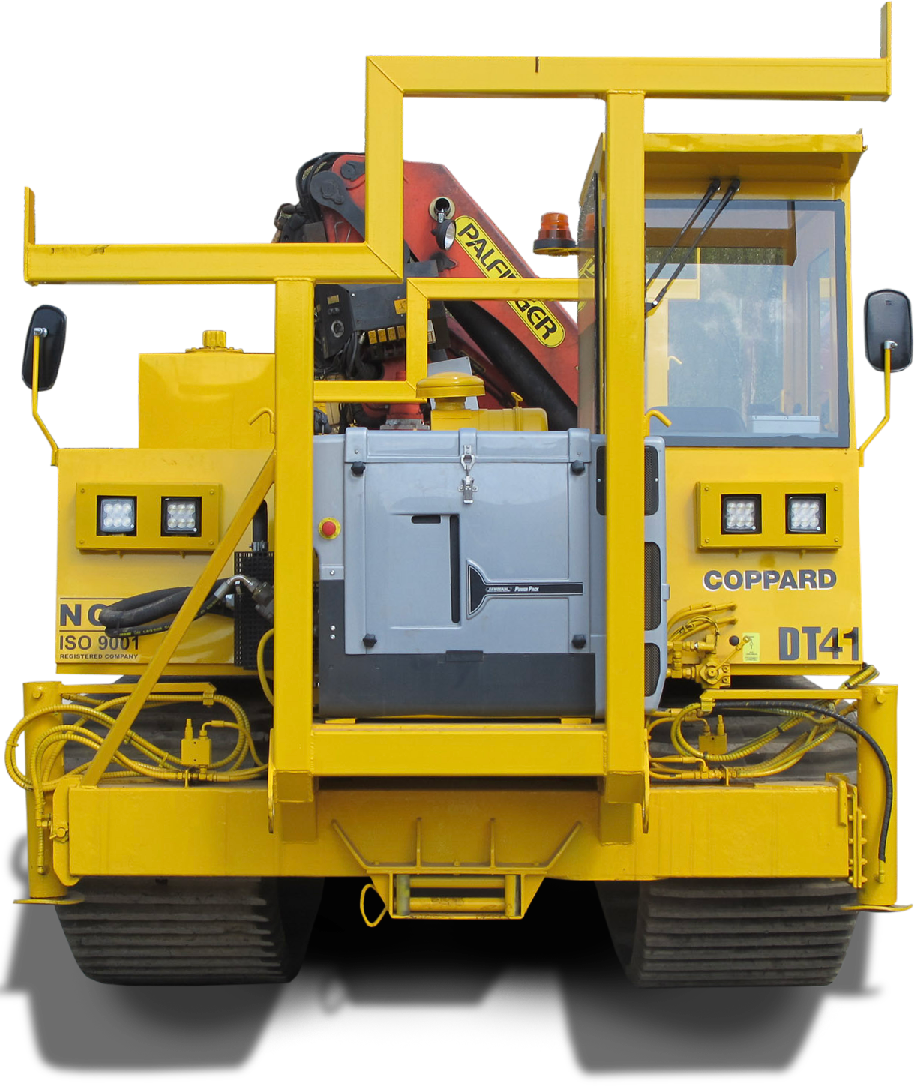
Tool Hire in Brighton, Sussex
Tool hire in Brighton for multi-stage period property renovation, moving through structural, drilling, cutting and finishing work over the course of a project. Coppard supplies dedicated tool categories plus practical hand tools across Sussex. Call 01273 596979 with the renovation’s stages, the property’s access and heritage constraints, and the timeline.
A typical Brighton period property renovation runs through many different tool needs over its course, breaking through for a basement, drilling into flint or old masonry, cutting materials, finishing surfaces, each stage often carrying its own access restriction or heritage consideration already particular to working on the city’s older housing stock.
Each Renovation Stage Often Has Its Own Access Constraint

A Brighton renovation project rarely has uniform access throughout, since a basement stage might need equipment brought through a cellar hatch, an upper-floor stage might depend on a narrow period staircase, and a garden stage might only be reachable through the house itself, so planning tool hire stage by stage against each specific access situation works better than a single assumption for the whole project. The Brighton Tool Rental Service groups equipment into categories that map onto these different renovation stages.
Think through each stage’s actual access, not just its tool requirements, before booking, since a drill or breaker perfectly suited to a task can still be the wrong choice if it cannot reach where that stage of work is actually happening in a genuinely constrained period property.
Heritage and Structural Considerations Recur Across Stages
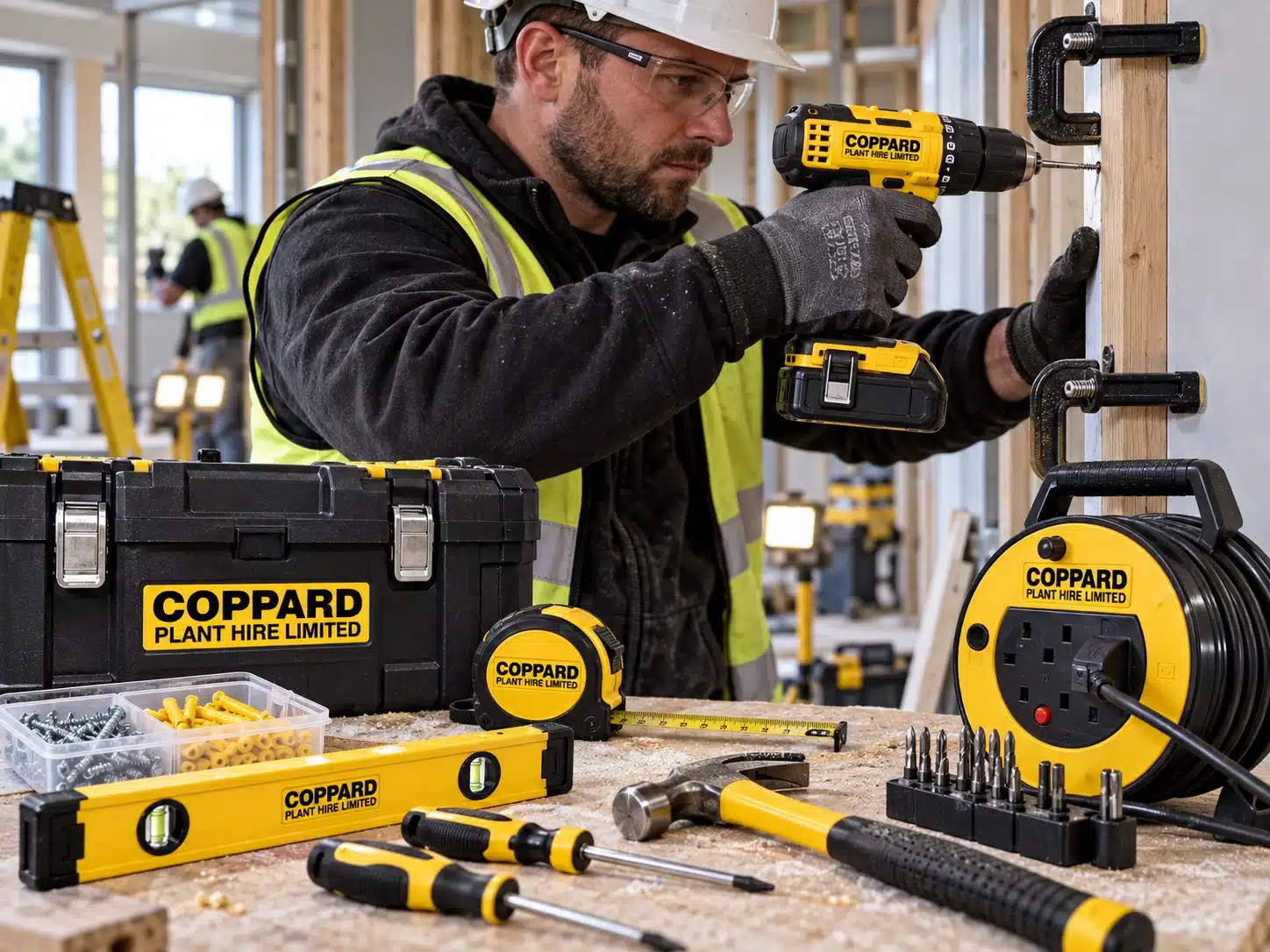
Where a property has listed status or sits in a conservation area, that consideration touches multiple stages of the renovation, not just one, flint or stone work, structural alterations, external features, so keep track of what has already been confirmed with the council or a heritage adviser as the project moves from stage to stage rather than re-establishing it each time. The Coppard tools collection covers the tool categories; the heritage and structural sign-offs sit alongside that equipment planning.
Similarly, where one stage has established something about the building’s structure, an old foundation’s condition, a wall’s construction, that knowledge is often relevant to later stages too, so carry findings forward through the project rather than treating each stage as starting from a blank slate about the building’s actual construction.
Plan the Whole Sequence, Not Just the Next Tool

A multi-month Brighton renovation benefits from thinking through the tool needs across the whole project timeline where practical, structural work, then services, then finishing, since this lets access solutions, heritage confirmations and structural findings be planned once and applied consistently rather than solved separately at each stage as it arrives.
Where the project’s later stages are not yet fully defined, at least flag the general sequence and likely tool categories to the depot in advance, so ongoing availability can be discussed even before the specific requirements of a later stage are finalised.
Coordinate Consumables and Particular Needs Across the Project

Where earlier stages of a Brighton renovation revealed something about the building’s materials, flint hardness, old masonry composition, timber condition, that information usefully informs consumable choices for later stages too, cutting discs, drill bits, grinding wheels suited to what the building has actually turned out to be made of rather than a generic assumption reapplied at each new stage.
Keep a simple record of what worked and what did not at each stage, since a renovation running over many months with different trades and possibly gaps in activity benefits from this continuity of knowledge about the building rather than each new phase rediscovering the same material challenges from scratch.






Tell the Brighton Depot the Project's Stages and What's Been Learned
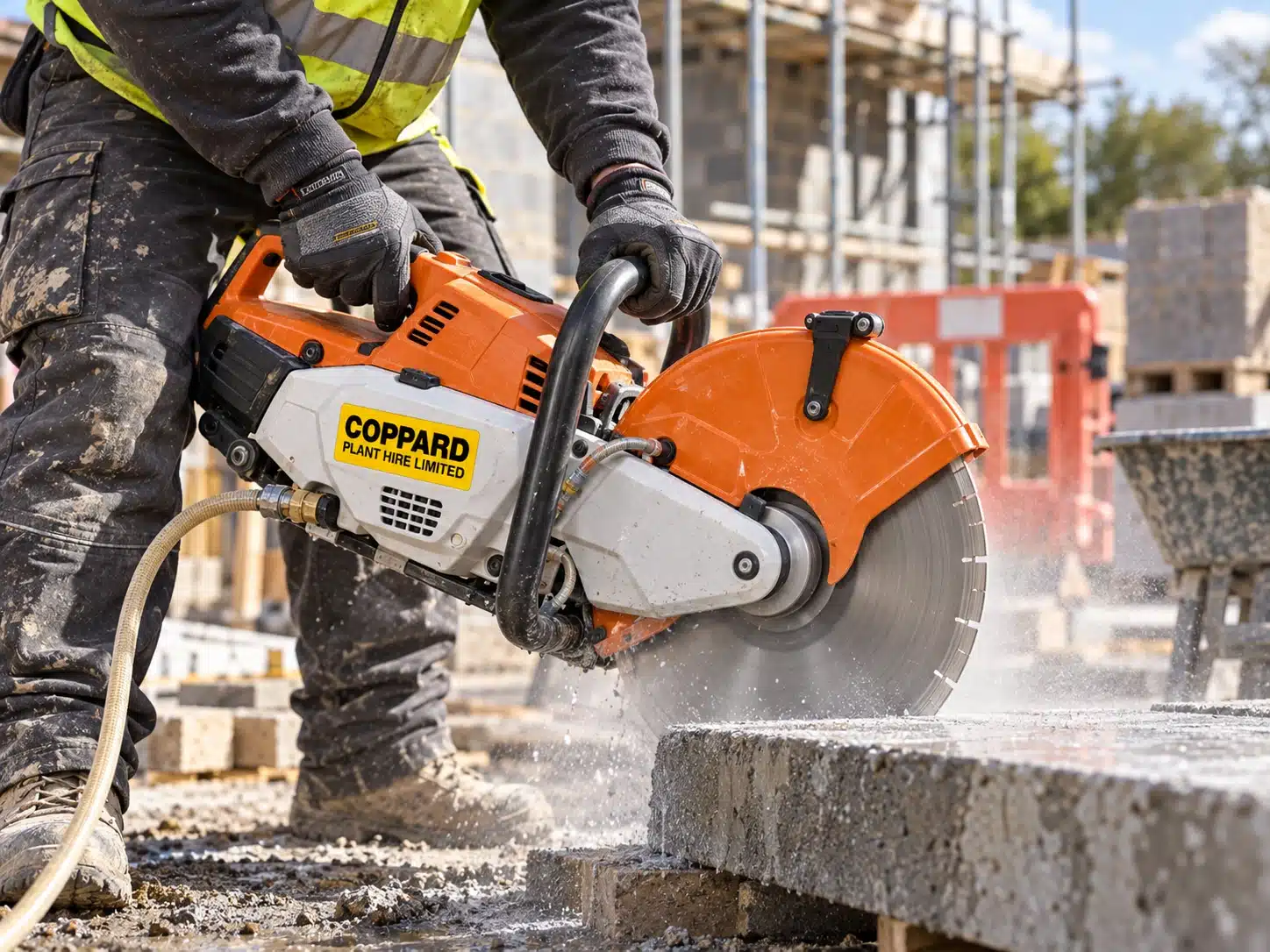
Give the renovation’s overall scope and rough timeline, the specific stage currently being planned, and anything already established about the property’s access, heritage status or construction from earlier stages or surveys.
Call 01273 596979 with the project’s stages and the building’s particular constraints, for work across Brighton and the wider Sussex area, so the team can point you to the right categories and carry forward what is already known about the property rather than starting each stage’s tool discussion from nothing.
Frequently Asked Questions - Tool Hire in Brighton, Sussex
Does my Brighton renovation need different tool hire planning for each stage?
Often yes, since access rarely stays uniform throughout a period property renovation, a basement stage might need equipment through a cellar hatch, an upper floor through a narrow staircase, a garden stage only reachable through the house. Plan tool hire stage by stage against each specific access situation rather than one assumption for the whole project.
Do I need to re-confirm heritage status at every stage of the works?
Not necessarily from scratch, but keep track of what has already been confirmed with the council or a heritage adviser as the project moves between stages, since listed status or conservation area considerations often touch more than one part of a renovation, flint work, structural alterations, external features. Carrying that knowledge forward avoids re-establishing the same groundwork repeatedly.
Is it worth planning tool needs for the whole renovation upfront?
Where practical, yes, since thinking through the sequence, structural work, then services, then finishing, lets access solutions and heritage confirmations be planned once and applied consistently rather than solved separately at each stage. Even where later stages are not fully defined, flagging the general sequence to the depot in advance helps discuss ongoing availability early.
Should findings from one renovation stage affect equipment choices later?
Yes, since what an earlier stage reveals about the building’s materials, flint hardness, old masonry, timber condition, usefully informs consumable choices, discs, bits, grinding wheels, for later stages too. Keep a simple record of what worked at each stage, since a Brighton renovation running over months benefits from that continuity rather than rediscovering the same material challenges each time.
What UK rules apply to work equipment supplied for these tasks?
The Provision and Use of Work Equipment Regulations 1998, known as PUWER, set duties on the suitability, maintenance and use of work equipment. The text is at Provision and Use of Work Equipment Regulations 1998 on legislation.gov.uk. For hired tools across a multi-stage Brighton renovation, the user still has to select equipment suitable for each stage and make sure the people using it are competent, whatever the property’s particular constraints.
Need tool hire in Brighton for a renovation project?
Tell us the stages, the property’s access and heritage status, and what’s already been learned. Call Coppard on 01273 596979.