Saw Hire in Brighton, Sussex
Saw hire in Brighton for cutting flint, chalk, Sussex sandstone and other natural stone found in period walls and garden boundaries across the city. Coppard supplies floor saws, cut-off saws, bench saws, reciprocating and woodworking saws across Sussex. Call 01273 596979 with the stone type and the wall or feature you are cutting into.
Sussex has a distinctive local stone tradition, flint, chalk, and locally quarried sandstone, all of which turn up in Brighton’s older garden walls, boundary features and some building fabric, and each behaves quite differently under a blade from the fired brick or modern concrete a general cutting job usually assumes.
Flint Is Notoriously Hard and Unpredictable to Cut
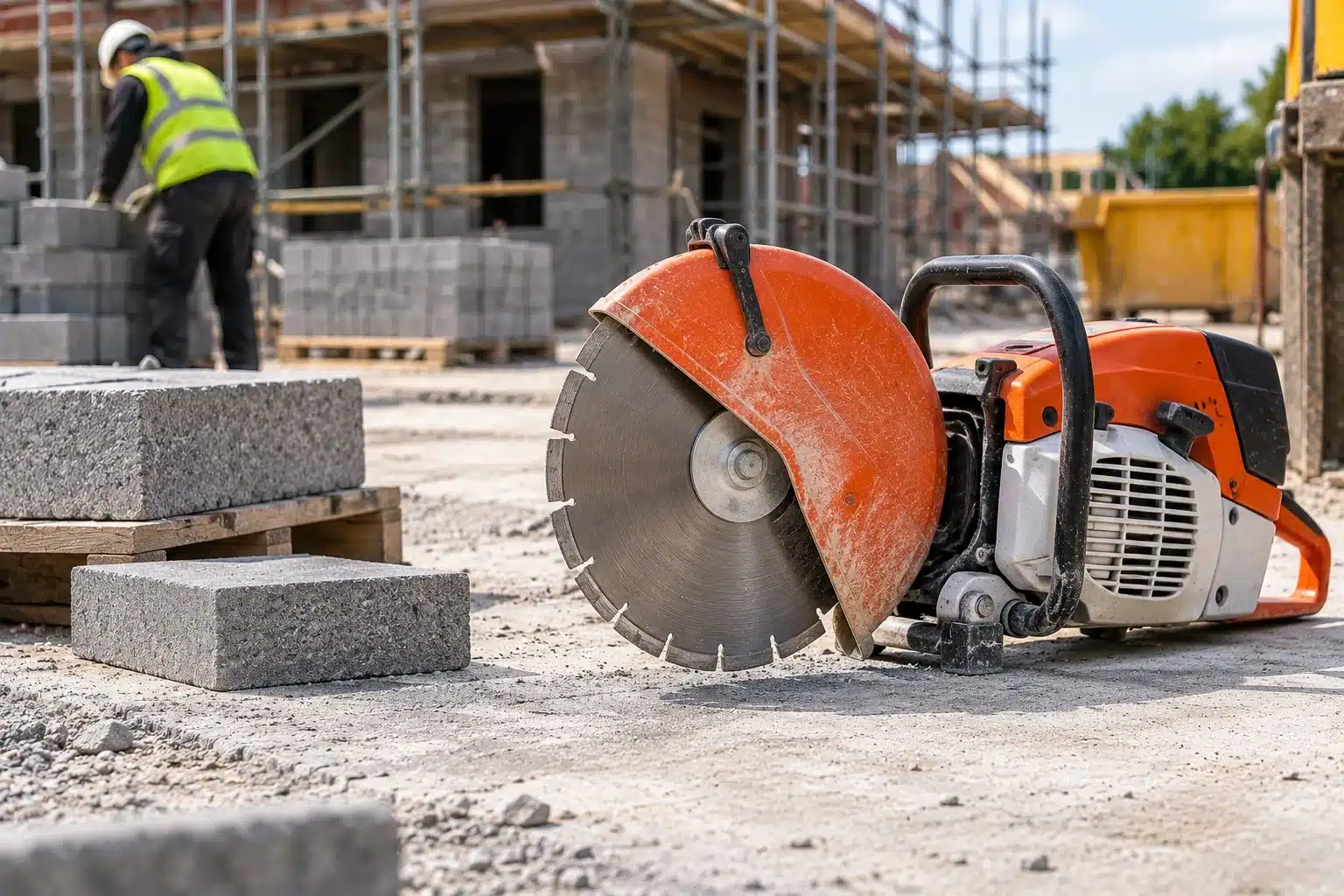
Flint, a common feature in Sussex garden walls and older boundary features around Brighton, is extremely hard and can shatter unpredictably under a blade not suited to it, in a way that catches out anyone assuming it behaves like ordinary masonry. Identify flint specifically before choosing a cutting method, since treating it as standard brick or block risks both a ruined cut and a damaged or broken blade.
Through the Brighton Tool Rental Service, confirm the blade and the machine genuinely suit flint’s hardness and unpredictability, and expect the work to take longer and need more careful technique than the same dimension of cut in fired brick or modern block, since flint does not yield evenly the way manufactured masonry does.
Chalk and Soft Sandstone Need the Opposite Care
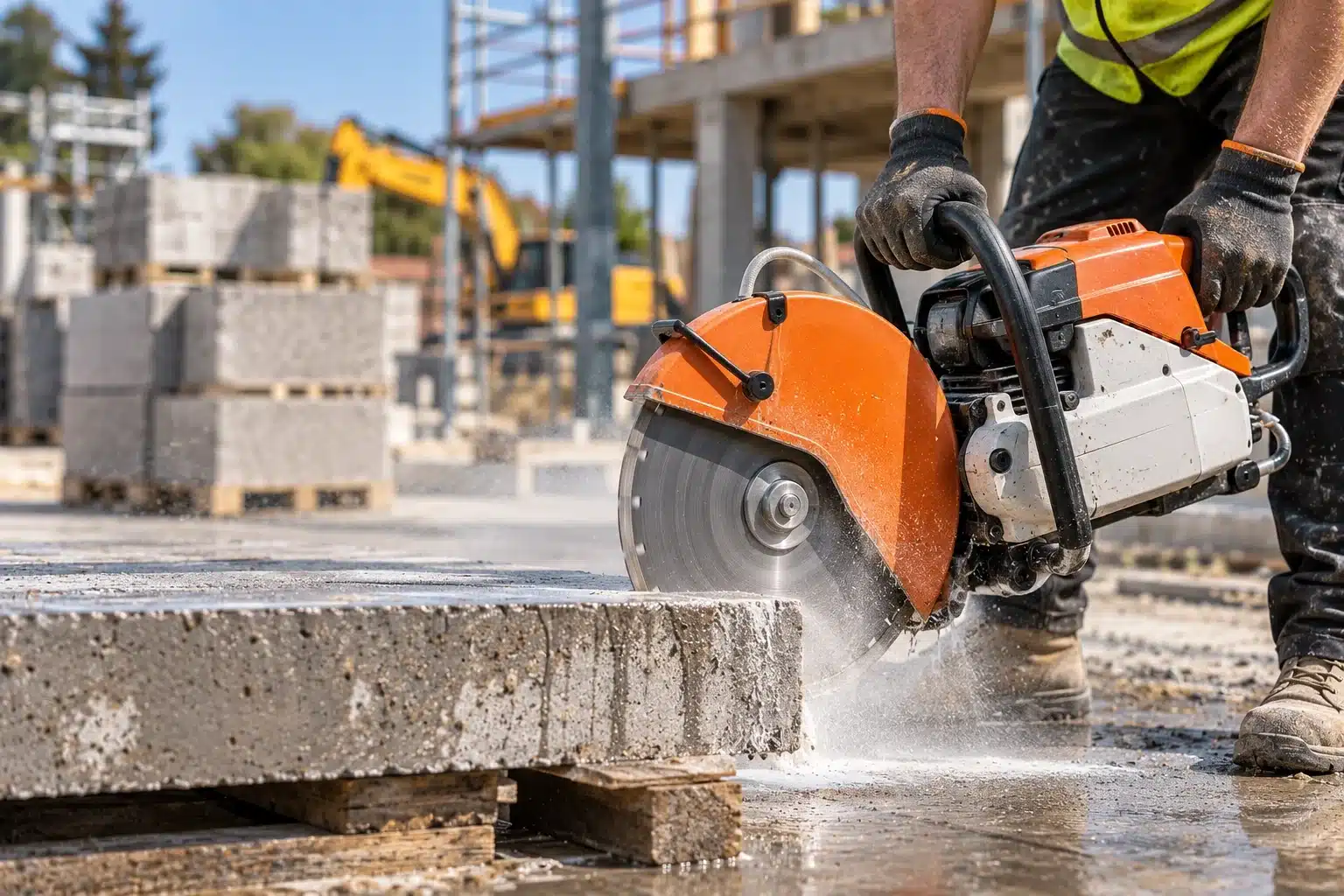
Where a Brighton garden wall or feature uses chalk block or a locally quarried soft sandstone, the concern flips entirely from flint’s hardness to the material’s softness and tendency to crumble or spall under a blade running too aggressively, so a technique suited to flint would be entirely wrong for a chalk block wall a few feet along the same boundary. Identify which specific stone you are dealing with before assuming one approach covers the whole wall.
The Coppard saws collection covers a range of saws, and a gentler, more controlled cut, potentially at a different speed or with a different blade, suits soft, crumbly stone better than the aggressive approach flint demands, so do not assume the same setting that worked on one section of an old Sussex wall will suit another section built from a different local material.
Old Sussex Walls Often Mix Several Materials
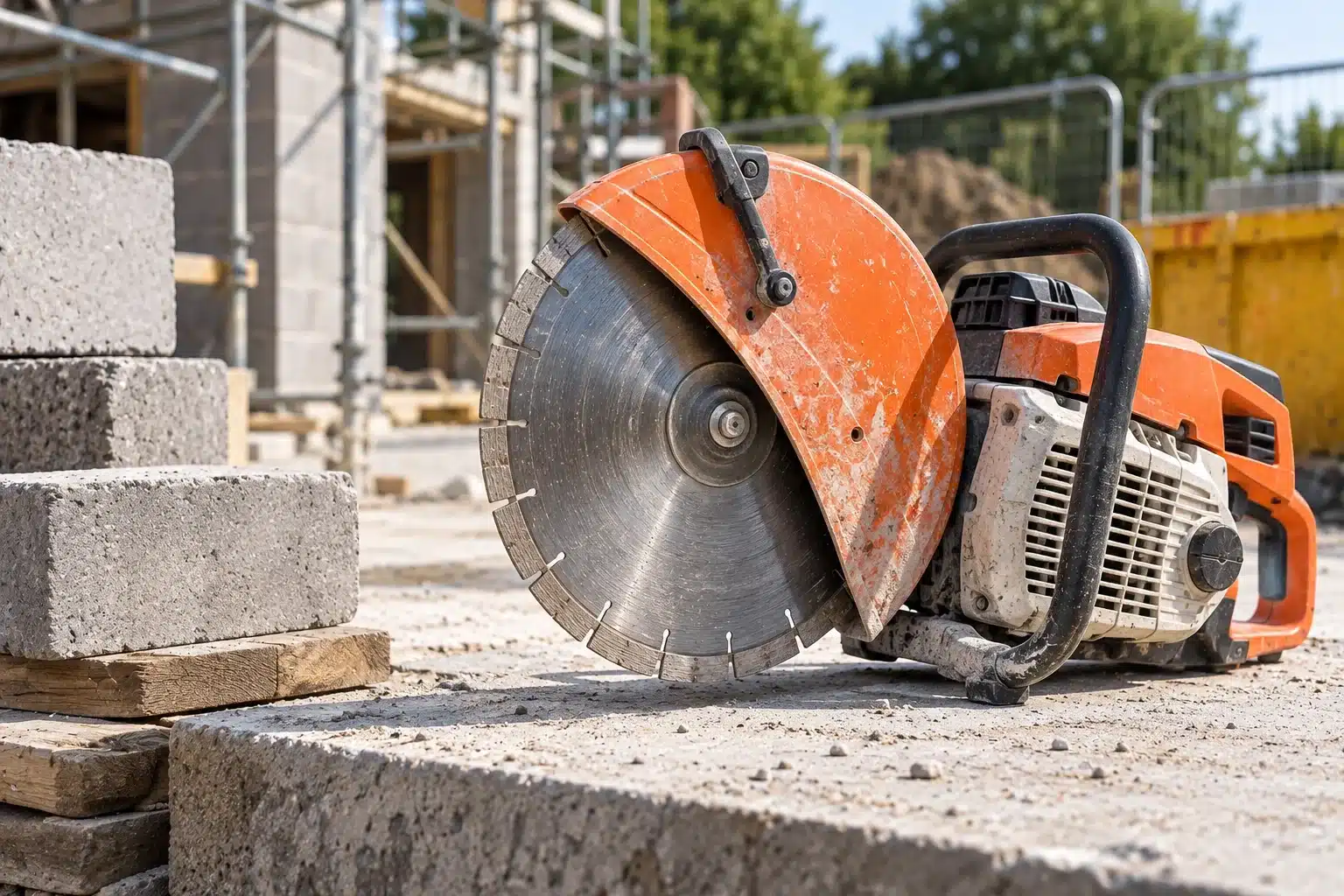
It is common for an older Brighton boundary wall or garden feature to combine flint, chalk, brick and sandstone within the same structure, sometimes built up over different periods, so a single cutting job can genuinely need to switch blade and technique partway along the same wall as the material changes. Assess the wall’s construction before committing to one blade for the whole job.
Where the material composition is unclear or the wall’s history is unknown, treat each section as potentially different from its neighbour until proven otherwise, rather than assuming visual similarity means the same cutting approach will work consistently along the whole length.
Protect the Finish on a Feature Worth Keeping
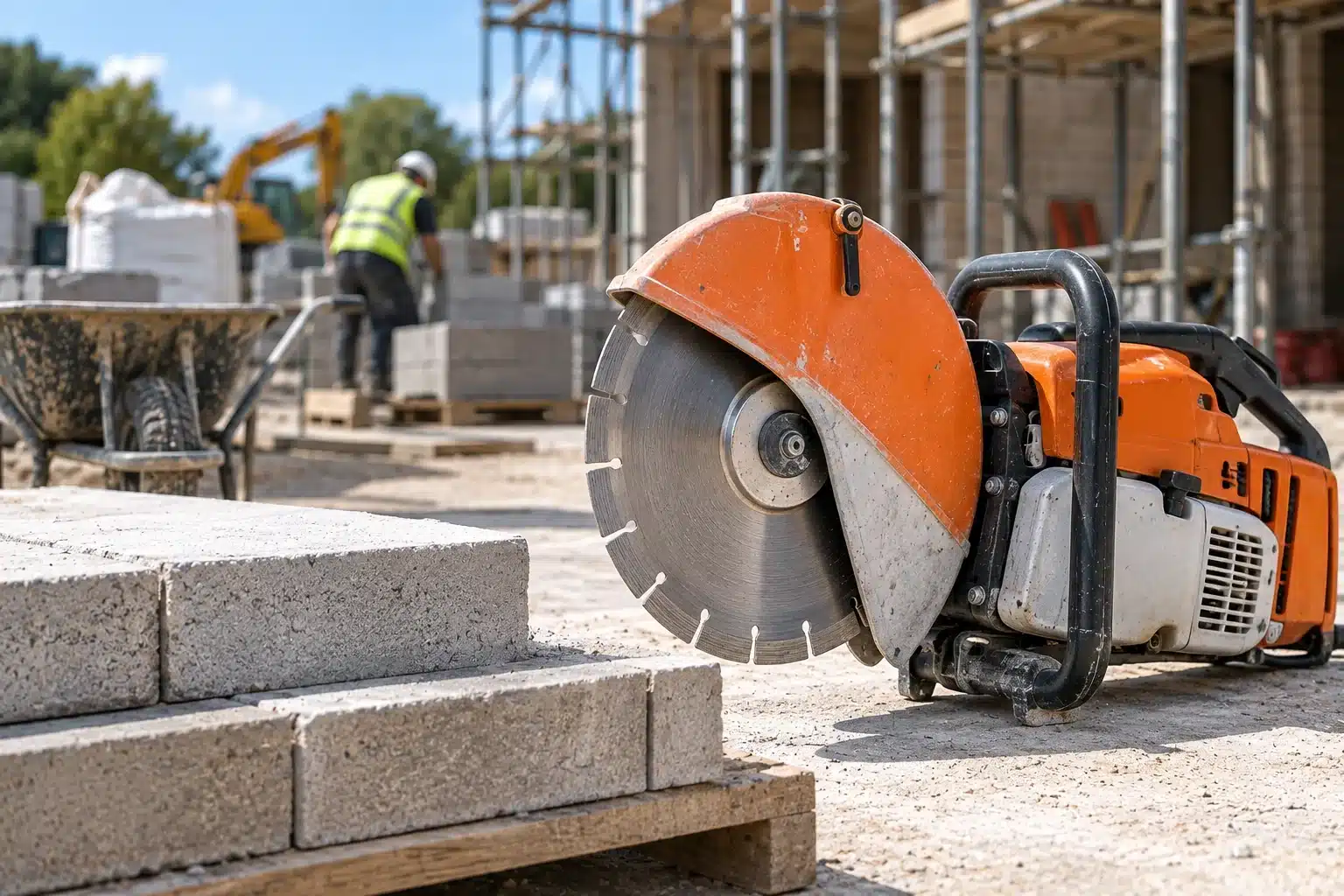
Many Brighton flint and stone walls are valued features in their own right, not just boundary structures, so consider the finished appearance of the cut edge as well as achieving the cut itself, since a rough, uncontrolled cut can spoil the character of an otherwise attractive period wall even where it technically achieves the opening needed.
Where the wall has a decorative or historic character worth preserving, take the time for a controlled, clean cut rather than the fastest possible method, since a hurried cut through flint or old sandstone can leave a visibly poor edge on a feature that is meant to remain visible and attractive afterward.






Tell the Brighton Depot the Stone and the Wall
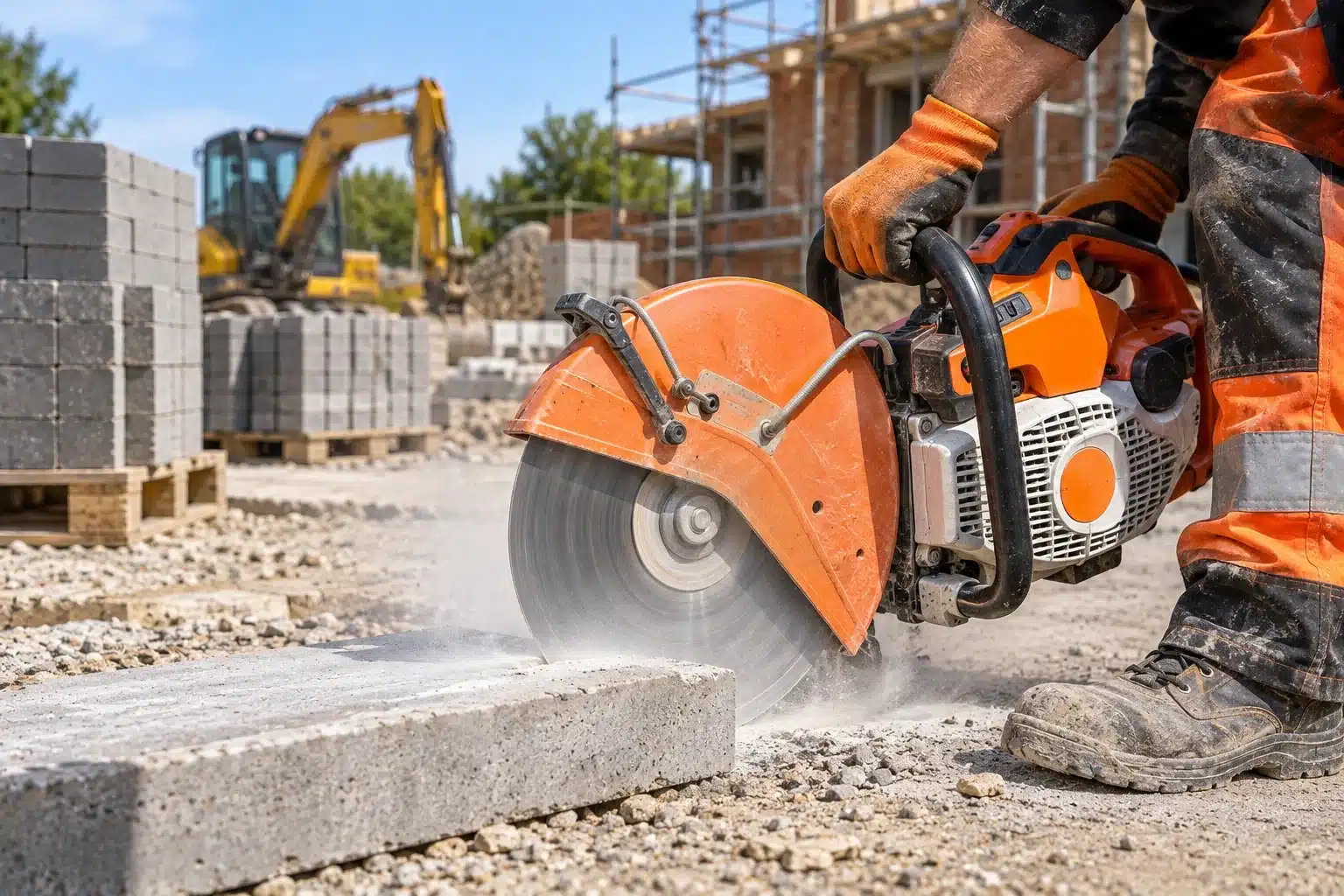
Give the specific stone type if known, flint, chalk, sandstone, or say if the wall appears to mix materials. Describe the wall’s age and whether it has decorative or historic value worth preserving in the finished cut.
Coppard supplies saws for work across Brighton and the wider Sussex area. Call 01273 596979 with the stone type described, so the blade and the machine are matched to Sussex’s distinctive local materials rather than an assumption based on standard modern masonry.
Frequently Asked Questions - Saw Hire in Brighton, Sussex
Why is flint so difficult to cut compared to brick?
Because it is extremely hard and can shatter unpredictably under a blade not suited to it, unlike fired brick or modern block, which behave far more evenly. Identify flint specifically before choosing a method, since treating it as standard masonry risks both a ruined cut and a damaged blade. Expect Brighton flint wall cutting to take longer and need more careful technique than the same dimension of cut in ordinary brick.
Does chalk need a different approach to flint?
The opposite approach entirely, since chalk and soft local sandstone tend to crumble or spall under a blade running too aggressively, which is the reverse problem to flint’s hardness. A gentler, more controlled cut, potentially at a different speed or with a different blade, suits soft stone better, so identify which specific material you are cutting rather than assuming one technique works across an entire Sussex boundary wall.
Can one old wall really need different cutting methods along its length?
Yes, and it is common in Brighton, since older boundary walls often combine flint, chalk, brick and sandstone within the same structure, sometimes built up over different periods. Assess the wall’s construction before committing to one blade for the whole job, and treat each section as potentially different from its neighbour until proven otherwise, rather than assuming visual similarity guarantees consistent material.
Does the cut need to look good, or just achieve the opening?
Consider the finished appearance as well, particularly where the wall is a valued feature in its own right, since a rough, uncontrolled cut can spoil the character of an attractive period flint or stone wall even if it technically opens the space needed. Take the time for a controlled, clean cut on anything meant to remain visible afterward, rather than the fastest possible method through the stone.
What UK rules apply to noise from powered saws?
The Control of Noise at Work Regulations 2005 require employers to assess and control workplace noise, which powered cutting readily produces at high levels. The text is at Control of Noise at Work Regulations 2005 on legislation.gov.uk. Cutting genuinely hard material like flint can also take longer than expected, which extends noise exposure time, so plan for that when assessing a Brighton stone-cutting job.
Need saw hire in Brighton?
Tell us the stone type, flint, chalk or sandstone, and the wall you are cutting into. Call Coppard on 01273 596979.