Breaker Hire in Brighton, Sussex
Breaker hire in Brighton for basement and cellar excavation in period terraces, breaking through old floors and foundations in confined below-ground spaces with structural implications for the building above. Coppard supplies electrical breakers, an independent hydraulic breaker and excavator-mounted attachments across Sussex. Call 01273 596979 with the cellar’s dimensions, the material, and whether structural engineering input has been obtained.
Basement and cellar conversion in a Brighton period terrace usually means breaking through old floors and foundations in a genuinely confined below-ground space, with the building’s own structure sitting directly above the work, which raises both an access problem and a structural question that a typical above-ground breaking job simply does not have.
Confined Below-Ground Space Rules Out Larger Equipment

A period Brighton cellar or basement space typically has limited headroom and a narrow access route down from ground level, ruling out larger excavator-mounted breakers entirely and often constraining even which hand-held units can be manoeuvred and operated effectively in the confined space. Assess the actual headroom and access before assuming any particular class of breaker will fit or function.
Through the Brighton Tool Rental Service, confirm the specific machine’s dimensions against the cellar’s genuine clearances, not just its general size class, since a breaker that fits through the access opening may still be too unwieldy to operate effectively once inside a genuinely tight period cellar space.
The Building's Structure Sits Directly Above the Work
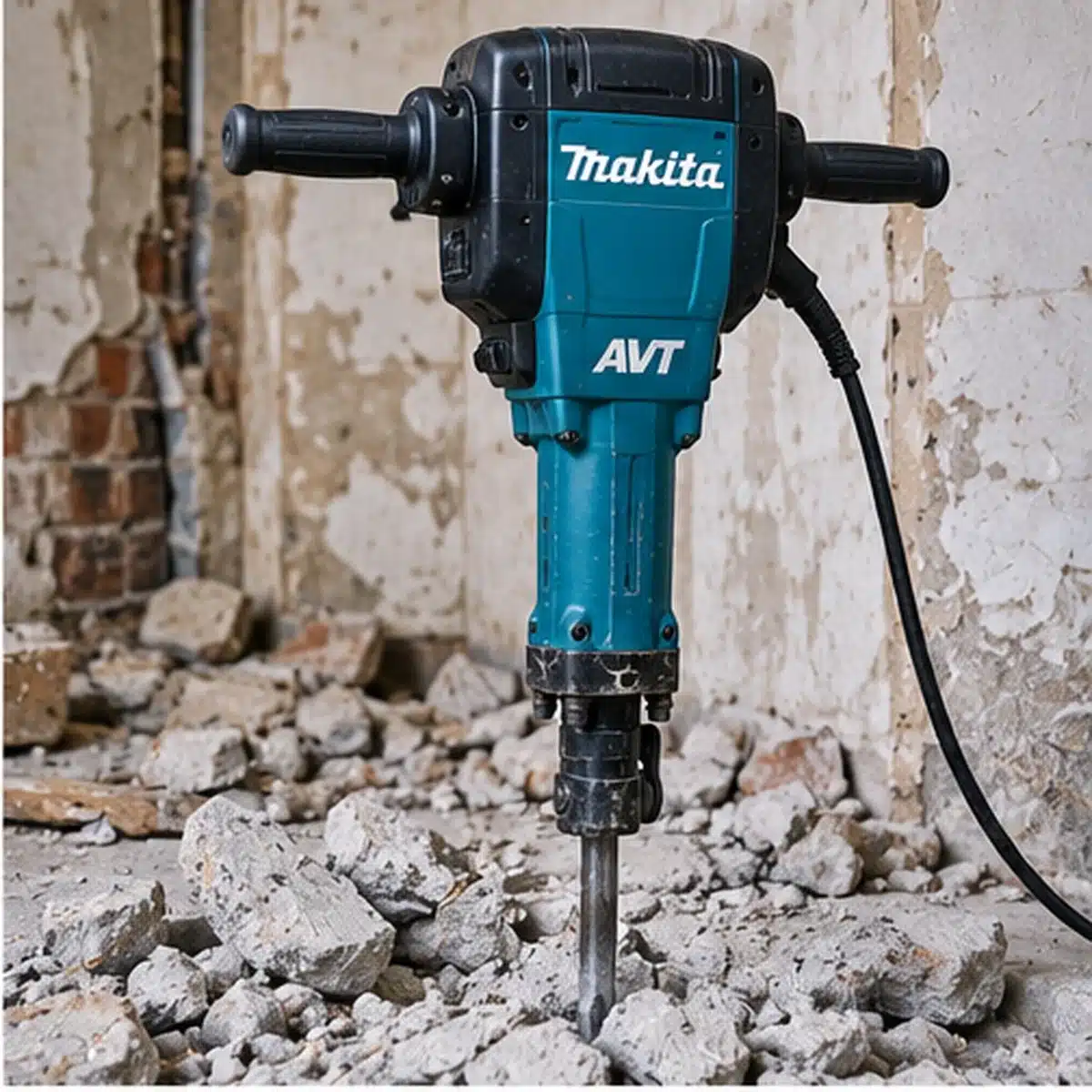
Breaking through a cellar floor or old foundation in a Brighton period terrace happens directly beneath the structure supporting the building above, so the breaking sequence and method need to respect what a structural engineer has specified for the basement conversion, not just achieve a hole in the material efficiently. The Coppard breakers collection covers the equipment; the sequence itself should follow the engineering design.
Confirm before starting that structural engineering input has actually been obtained for the specific excavation and underpinning sequence, since breaking through a cellar floor or old foundation without that design basis risks the stability of the building sitting directly above the work, a consequence a typical ground-level breaking job never has to consider.
Ventilation and Dust Extraction Matter More in a Confined Cellar
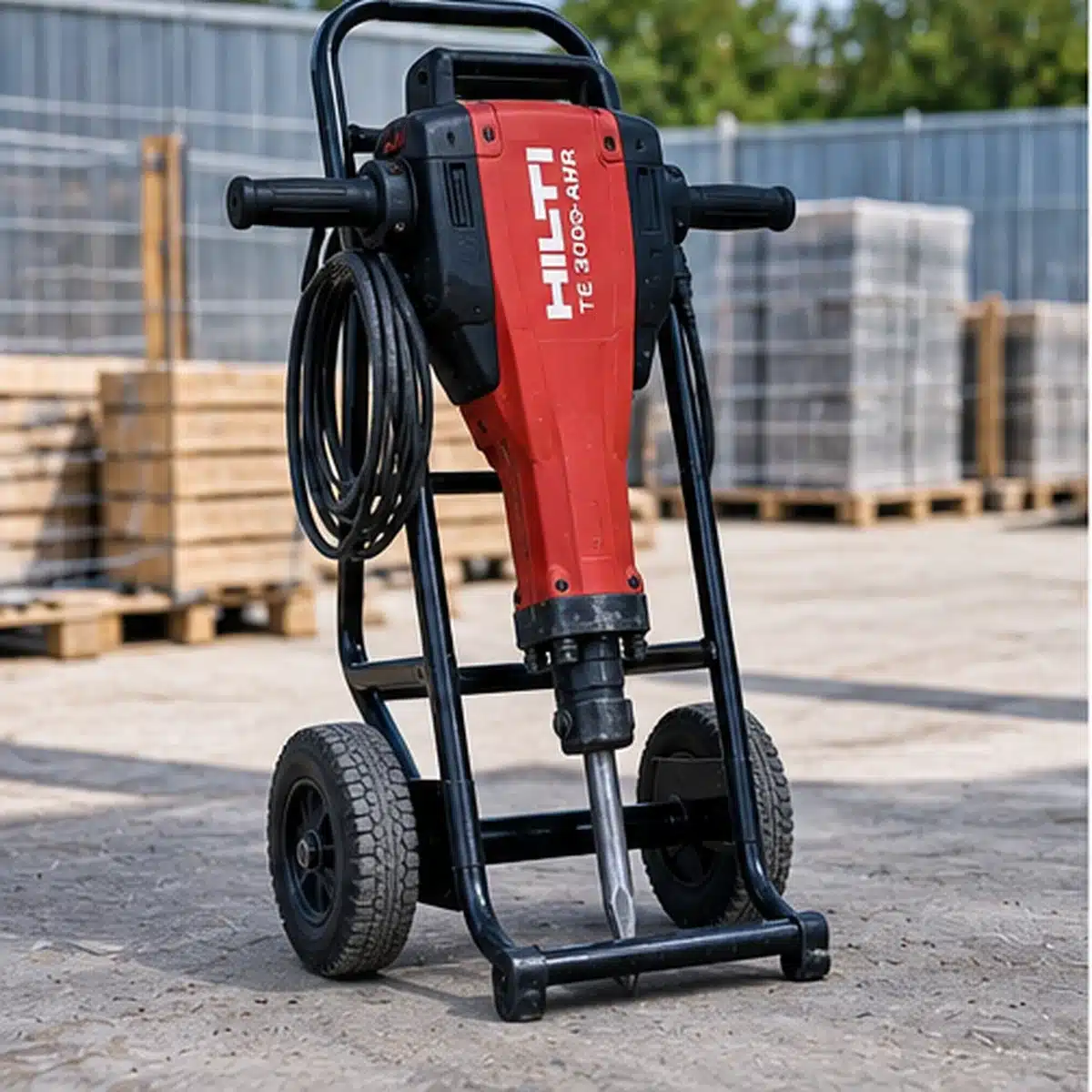
A below-ground cellar space with limited natural ventilation concentrates dust and fumes from breaking work far more than an open, above-ground area, so plan dust extraction and ventilation specifically for the confined space rather than the general precautions that would suit an open site.
Where the breaker is electrically powered, also confirm the confined space itself does not create its own additional hazard beyond the breaking work, since a below-ground period cellar can have its own access and atmosphere considerations distinct from the breaking task itself.
Debris Removal From Below Ground Needs Its Own Plan
Getting broken material out of a below-ground Brighton cellar space is its own logistics problem, up a narrow access route or stair, that a ground-level job with straightforward wheelbarrow or skip access does not face, so plan the debris removal route and method alongside the breaking work itself, not as an afterthought once material has already been broken up.
Where the volume of material is substantial, consider whether the removal method can keep pace with the breaking, since accumulating broken material in an already confined cellar space creates its own access and safety problem for the ongoing work.






Tell the Brighton Depot the Cellar and the Structural Input
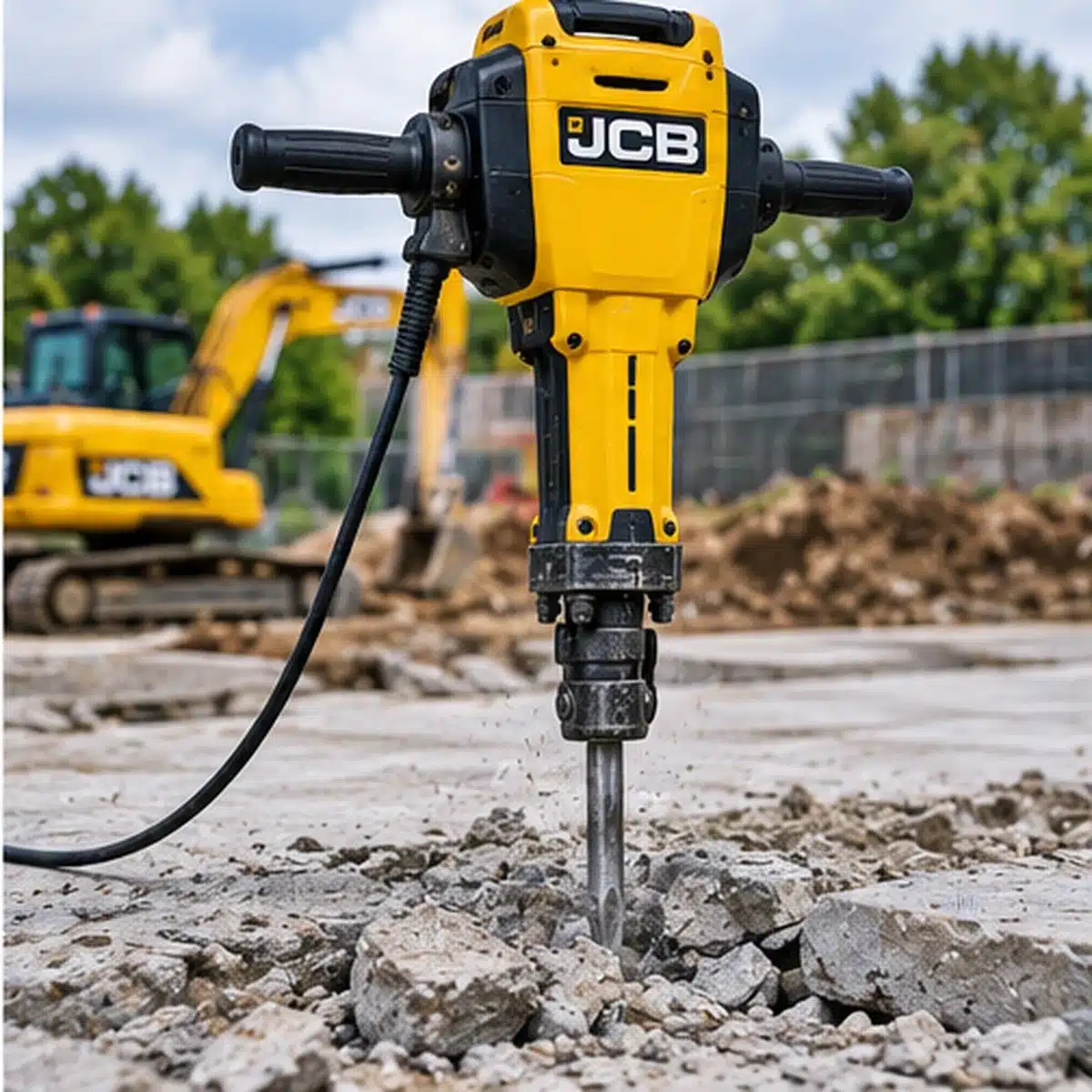
Give the cellar’s dimensions, headroom and access route, the material being broken, and confirm whether structural engineering input has been obtained for the excavation sequence. Describe the debris removal route available.
Coppard can then match a suitable hand-held breaker for work across Brighton and the wider Sussex area. Call 01273 596979 with the confined space and the structural context described, so the equipment and the method suit a genuinely below-ground period basement job.
Frequently Asked Questions - Breaker Hire in Brighton, Sussex
Can I use an excavator-mounted breaker in a period cellar?
Almost certainly not, since a Brighton period cellar typically has limited headroom and a narrow access route from ground level that rules out larger excavator-mounted equipment entirely, and can even constrain which hand-held units work effectively in the confined space. Confirm the specific machine’s dimensions against the cellar’s genuine clearances, not just its general size class, before assuming it will fit or function.
Do I need an engineer's input before breaking through a cellar floor?
Yes, almost always, since the breaking happens directly beneath the structure supporting the building above, and the sequence needs to follow what a structural engineer has specified for the basement conversion and underpinning, not just achieve a hole efficiently. Confirm this design basis has actually been obtained before starting, since breaking through without it risks the building’s stability above.
Does dust control matter more in a cellar than above ground?
Yes, considerably, since a below-ground space with limited natural ventilation concentrates dust and fumes from breaking work far more than an open area. Plan extraction and ventilation specifically for the confined Brighton cellar rather than relying on precautions suited to an open site, and confirm the space does not present its own separate atmosphere considerations alongside the breaking work itself.
How do I get broken material out of a basement excavation?
Plan the debris removal route and method alongside the breaking work itself, since getting material up a narrow access route or stair from below ground is its own logistics problem a ground-level job with wheelbarrow or skip access does not face. Where the volume is substantial, make sure removal can keep pace with breaking, since accumulating material in an already confined cellar creates its own access and safety problem.
What UK rules apply to noise from breaker work?
The Control of Noise at Work Regulations 2005 require employers to assess and control the risks from workplace noise. The text is at Control of Noise at Work Regulations 2005 on legislation.gov.uk. In a confined Brighton cellar, noise can also reflect and concentrate more than in an open space, so factor that into the assessment alongside the general duty when planning basement breaking work.
Need breaker hire in Brighton?
Tell us the cellar’s dimensions, the material, and whether structural engineering input has been obtained. Call Coppard on 01273 596979.