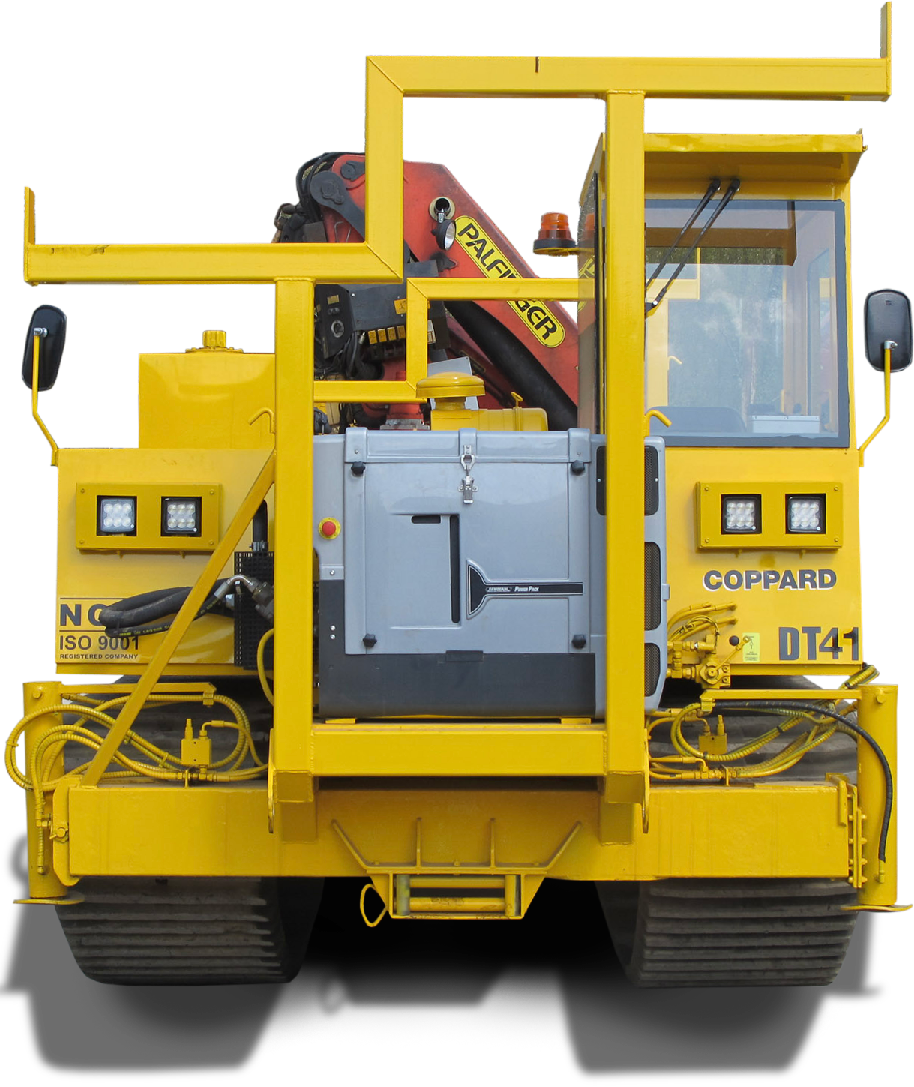
Diesel Compressor Hire in Brighton, Sussex
Diesel compressor hire in Brighton suits any site with no mains power to plug into. That covers seafront groundworks and new builds on the edge of the city. Coppard sizes the engine to your tools and delivers across Worthing and Hove.
Diesel compressor hire solves one problem: no power nearby. The engine makes its own supply, so the machine runs on its own. It doesn’t need a socket. Our Brighton depot carries a range of outputs for sites of every size.
When a Diesel Unit Is the Obvious Choice
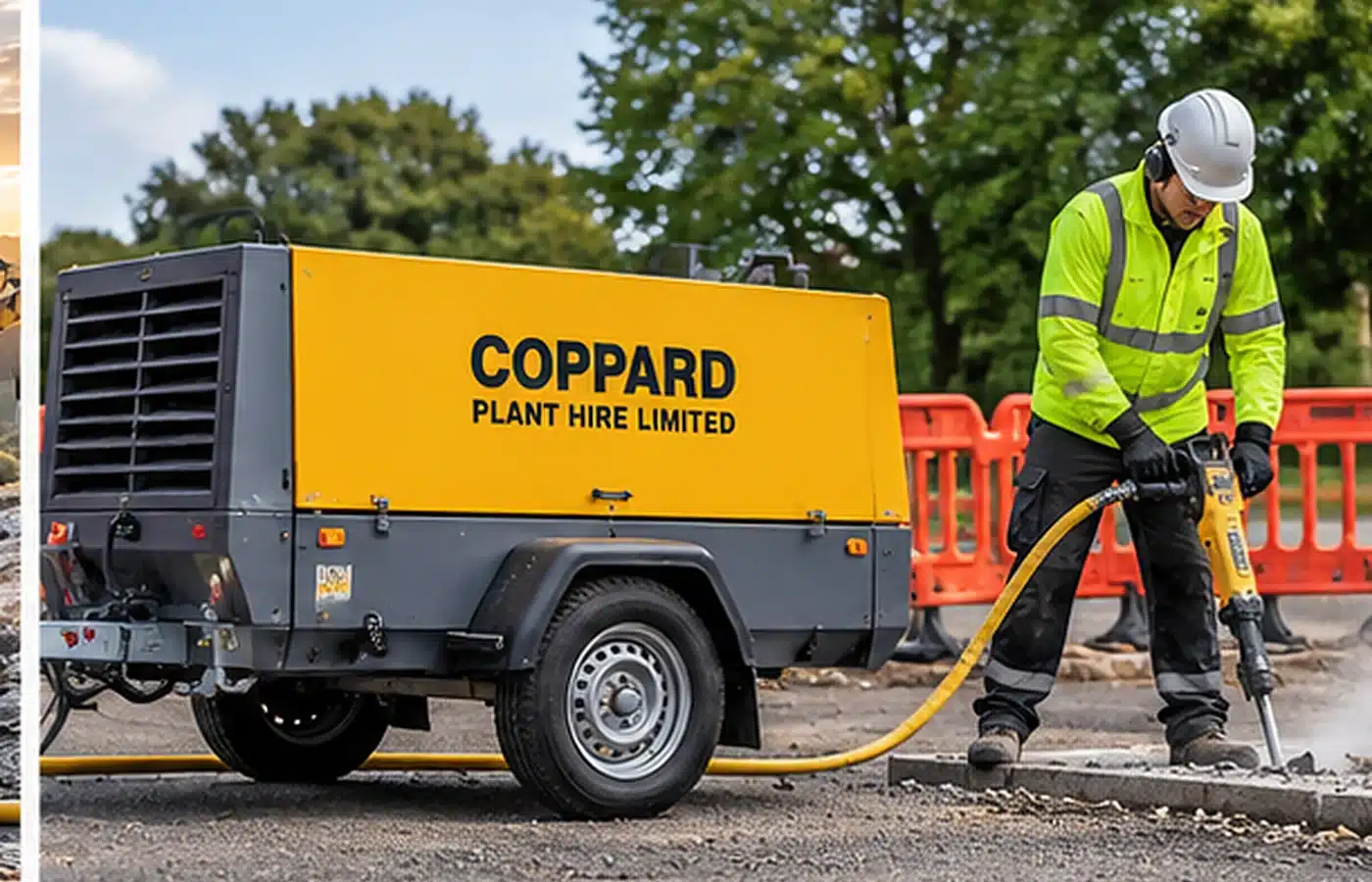
A coastal groundworks job, a car park resurfacing project, or new-build plots on the edge of the city often have nothing to plug an electric machine into. That settles the diesel-or-electric question before sizing even comes into it. The engine makes its own power, so there’s no need for a generator or a temporary supply arranged by someone else.
The trade-off is worth knowing upfront. You’re now managing fuel through the hire, not simply plugging in each morning. It’s a small extra task in exchange for being completely independent of whatever power is, or isn’t, already running on site. Fuel can usually be topped up from a jerry can kept on site, so the machine does not need to leave the job just to refuel.
Build the Size Around Your Heaviest Single Tool
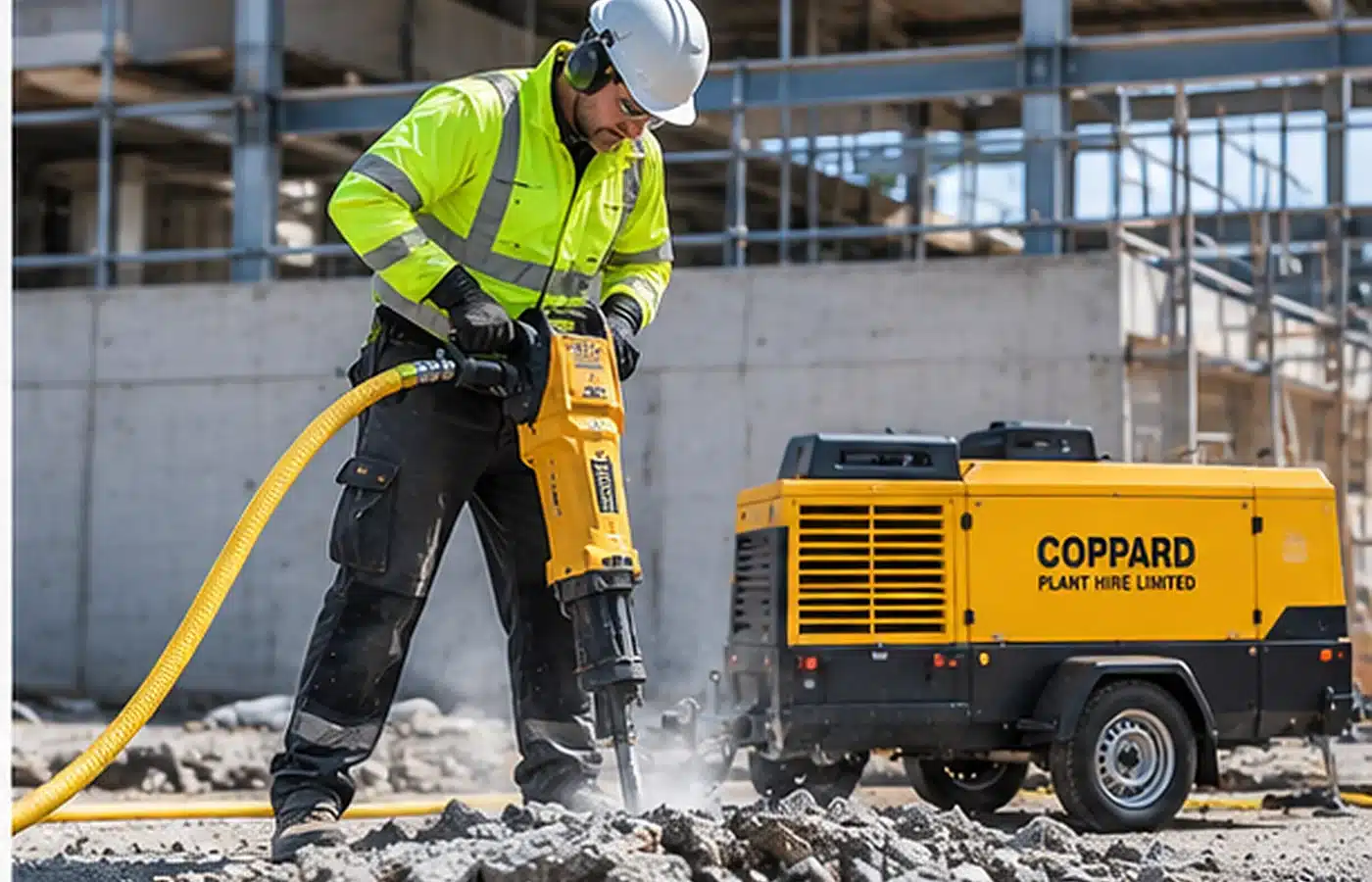
See our other Air Compressor Supplier services within the Brighton Air Compressor Supplier page. Our diesel range sits on the Compressors page, with build and output detailed for comparison. Breakers, rock drills and blasting rigs draw the most air of anything in a typical tool kit. Check those figures first and size upward from there, not averaging across the whole job list.
If a tool’s rating isn’t to hand, call 01273 596979 and describe the make and rough age. We can often work out the right output without the exact model number. Guessing small to save a little on the hire almost always costs more time later, once a tool runs weak partway through a shift.
Coastal Air and Salt Exposure Are Worth a Mention
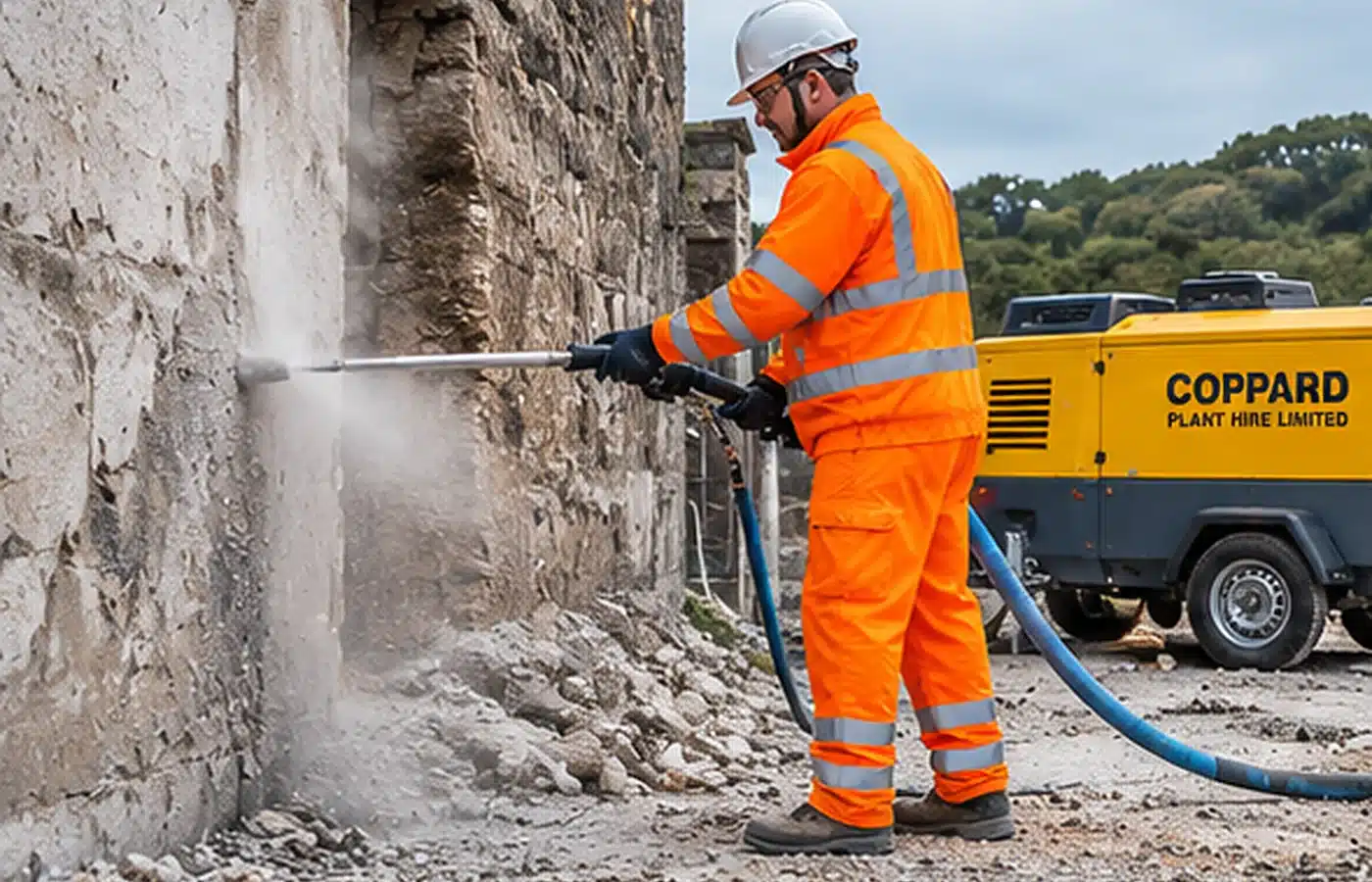
Machines working close to the seafront face more salt in the air than an inland job ever does. This can speed up wear on exposed metal parts over a longer hire. You don’t need to manage this yourself day to day, but it’s worth telling the depot if the job sits right on the seafront. It shapes which actual unit gets sent out.
A quick rinse-down of accessible surfaces at the end of a long coastal job is good practice if the hire runs for more than a few days in a row. It costs very little time against the wear it helps prevent. Keeping the machine under a simple cover when it is not running also helps protect it from salt spray on a windy day.
Describe Access Before You Confirm a Delivery Date
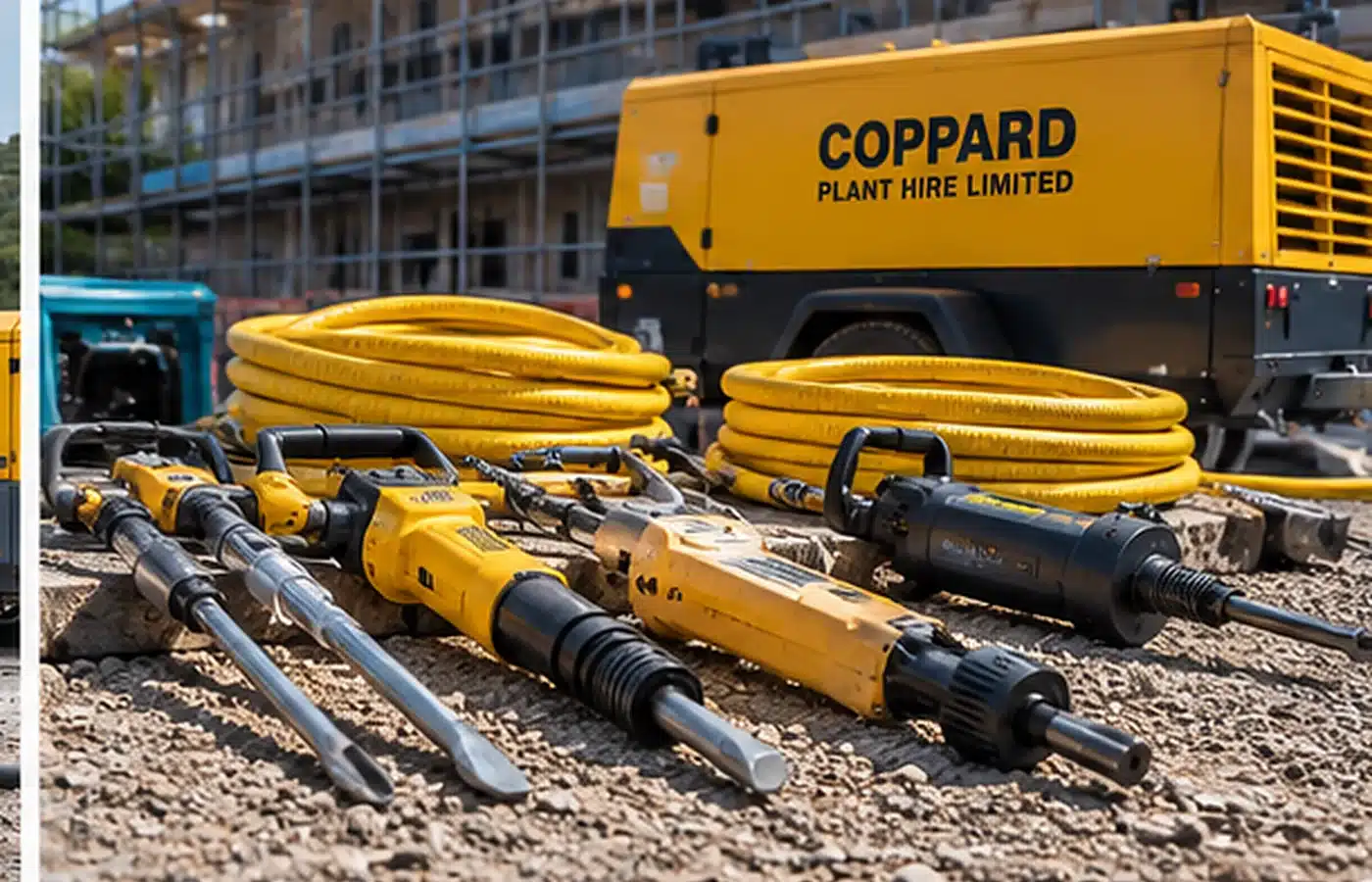
Tell the depot how a delivery vehicle will really reach the final spot the compressor needs to stand. Mention any resident parking limits, narrow terraced streets or seafront loading-time limits. Separately, phone 01273 596979 with a realistic estimate of how long the job will run. Diesel bookings on bigger groundworks jobs tend to stretch further than first planned more often than not.
Flagging access issues before the lorry sets off avoids a wasted trip fully. It gets the machine running on time, not delayed by a parking restriction nobody mentioned. A site plan or a simple sketch of the route in, sent ahead by phone photo, often answers access questions faster than a description alone.






Daily Checks Keep a Multi-Day Hire on Track
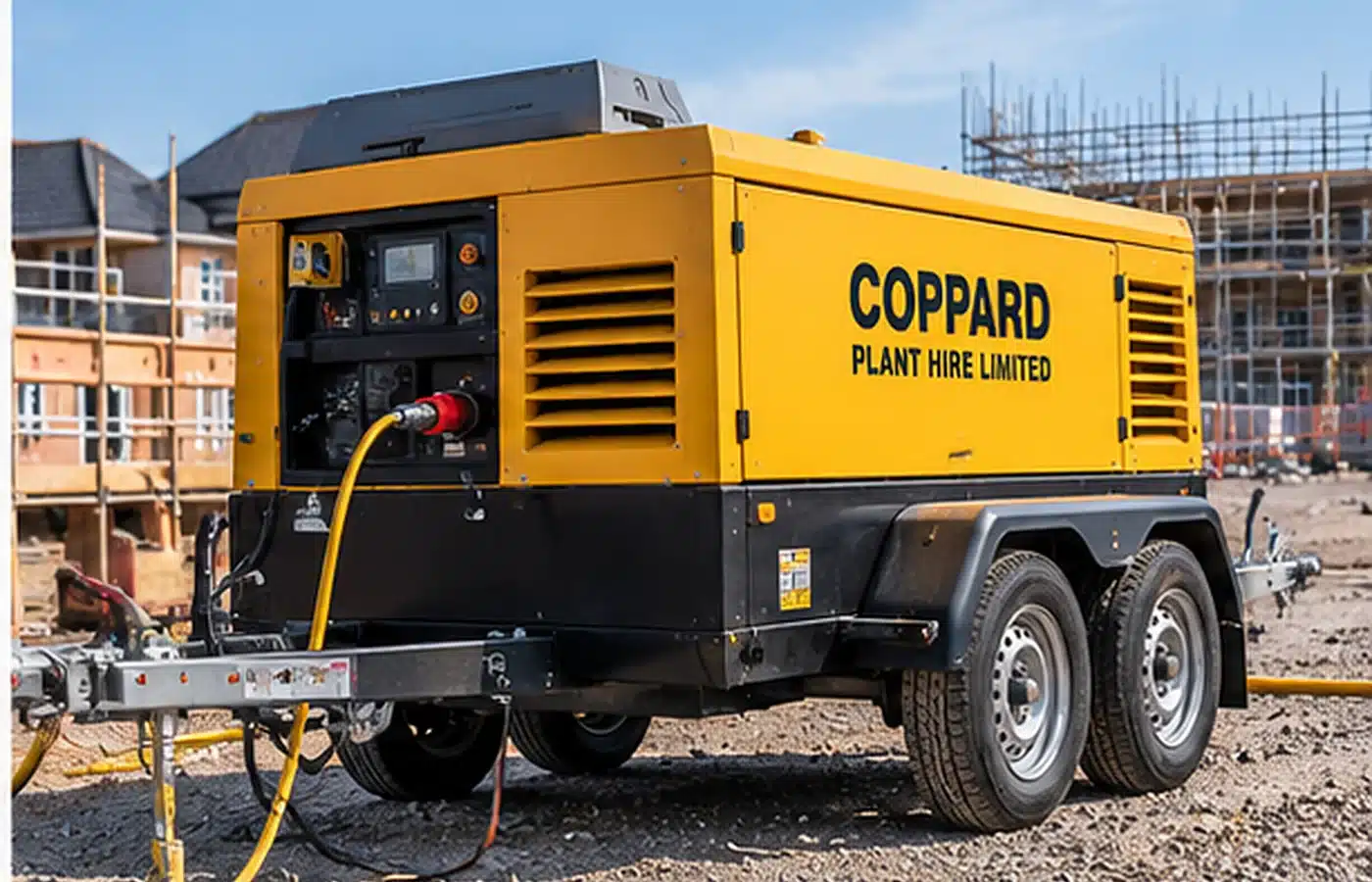
Fuel, oil and coolant all need a quick look at the start of every working day. Don’t just check once when the machine first arrives. Running dry partway through a job stops work outright with little warning. That costs far more time than the thirty seconds it takes to glance at three gauges each morning.
Call 01273 596979 straight away if anything sounds or runs differently to normal. Don’t carry on and risk a small issue turning into a lost morning’s work while waiting for a replacement machine. A short written log of hours run also helps spot a pattern early, rather than waiting for a problem to show up on its own.
Frequently Asked Questions
Why would I choose diesel over electric in Brighton?
Mainly because plenty of sites, mainly groundworks, seafront or new-build plots, have nothing to plug an electric machine into. A diesel unit generates its own power through the engine, so it runs completely on its own. The trade-off is managing fuel through the hire, which the depot explains clearly when the machine is first delivered. There’s no guesswork once work starts. Either way, the depot explains clearly what to expect before the machine is delivered, so there is no surprise on the first morning.
Does sea air affect a hired diesel compressor?
Salt in the air on exposed coastal sites can speed up wear on exposed metal parts slightly faster than an inland job would. This is managed through Coppard’s own servicing, not anything you need to do yourself during the hire. A quick rinse of accessible surfaces at the end of a longer coastal hire is good practice if you want to help keep the machine in the best shape.
How long can I keep a diesel compressor on hire?
There’s no fixed ceiling. It can run from a single day up to several weeks for a longer groundworks programme. Give the depot a realistic end date when booking, so the next job for that machine can be planned around yours sensibly. Extending partway through is often straightforward with a phone call, if the unit isn’t already promised to someone else. A booking can also be shortened if the job finishes early, so there is no need to pay for days you do not use.
Can a diesel compressor run on a narrow Brighton terrace street?
Yes, though access and parking limits are worth mentioning when you book. Some of the city’s older streets leave very little room to stand a larger machine for a full working day. A more compact unit can be suggested where space is tight. Flag any loading-time restriction on a seafront road too, so delivery timing is settled before the lorry sets off. A photo of the street sent ahead of booking often settles this faster than trying to describe it over the phone.
What noise rules apply to a diesel compressor on site?
The Control of Noise at Work Regulations 2005 cover exposure for anyone working on site. A diesel compressor running close to a crew for long stretches adds to the daily total they’re exposed to. Employers must assess the risk once noise reaches a daily average of 80 dB(A), and provide hearing protection from 85 dB(A) upward. Positioning the unit as far from the working area as the hose allows cuts exposure without touching performance.
Looking for Diesel Compressor Hire near me?
Call Coppard at 01273 596979 to discuss your site, your access and the diesel output you need.