Gas Detector Hire in Reading, Berkshire
Gas detector hire in Reading for entering tanks, chambers, excavations and process areas safely. Coppard supplies portable multi-gas monitoring across Berkshire. Call 0118 979 2828 with the gases you expect and the length of hire, and the sensor configuration can be confirmed.
A gas detector helps only when it is configured for the atmosphere in front of you. The gases that might be there, the way monitoring is carried out and the work itself all steer the choice, and the unit reads only what its fitted sensors cover. Fix what it has to detect, where readings are taken and who acts on an alarm before you lean on it for an entry.
Work Out the Atmosphere Before the Instrument
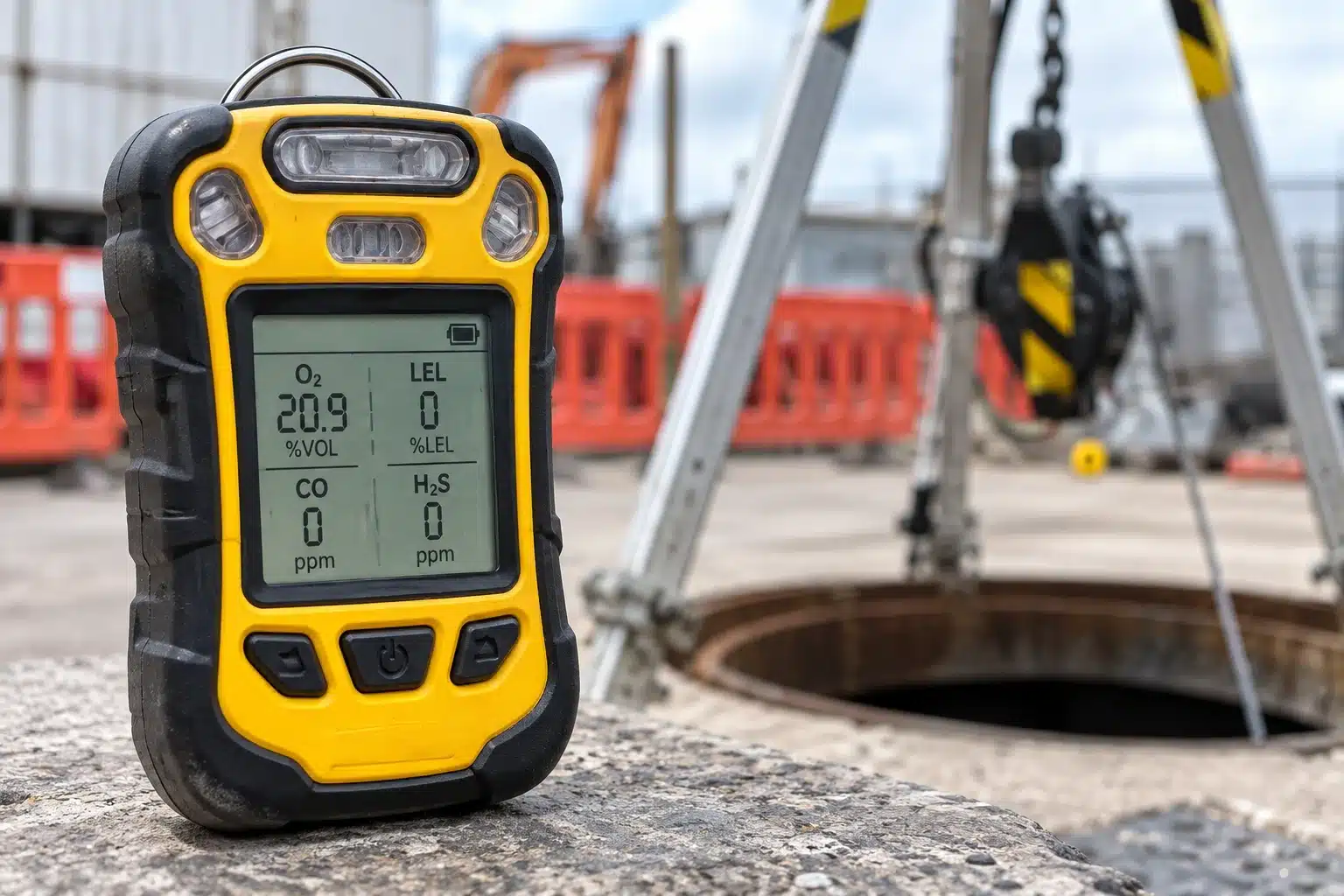
Begin by listing what could genuinely be in the air on this job. A shortage of oxygen, a flammable gas, and toxic gases like carbon monoxide or hydrogen sulphide are separate hazards, and the monitor reports only on the sensors it is built with. What you are doing counts as well, since a tank, a dig, a process area or a confined-space entry each bring their own sources and their own way of changing the atmosphere.
So settle, ahead of hiring, which gases the monitor must catch, where the readings come from and who responds to an alarm. That keeps a multi-gas unit from being leaned on as a cure-all, and where the air is uncertain or an unusual gas could be about, fix the sensor question before anyone trusts a reading from it.
Match the Monitor to the Gases You Might Meet
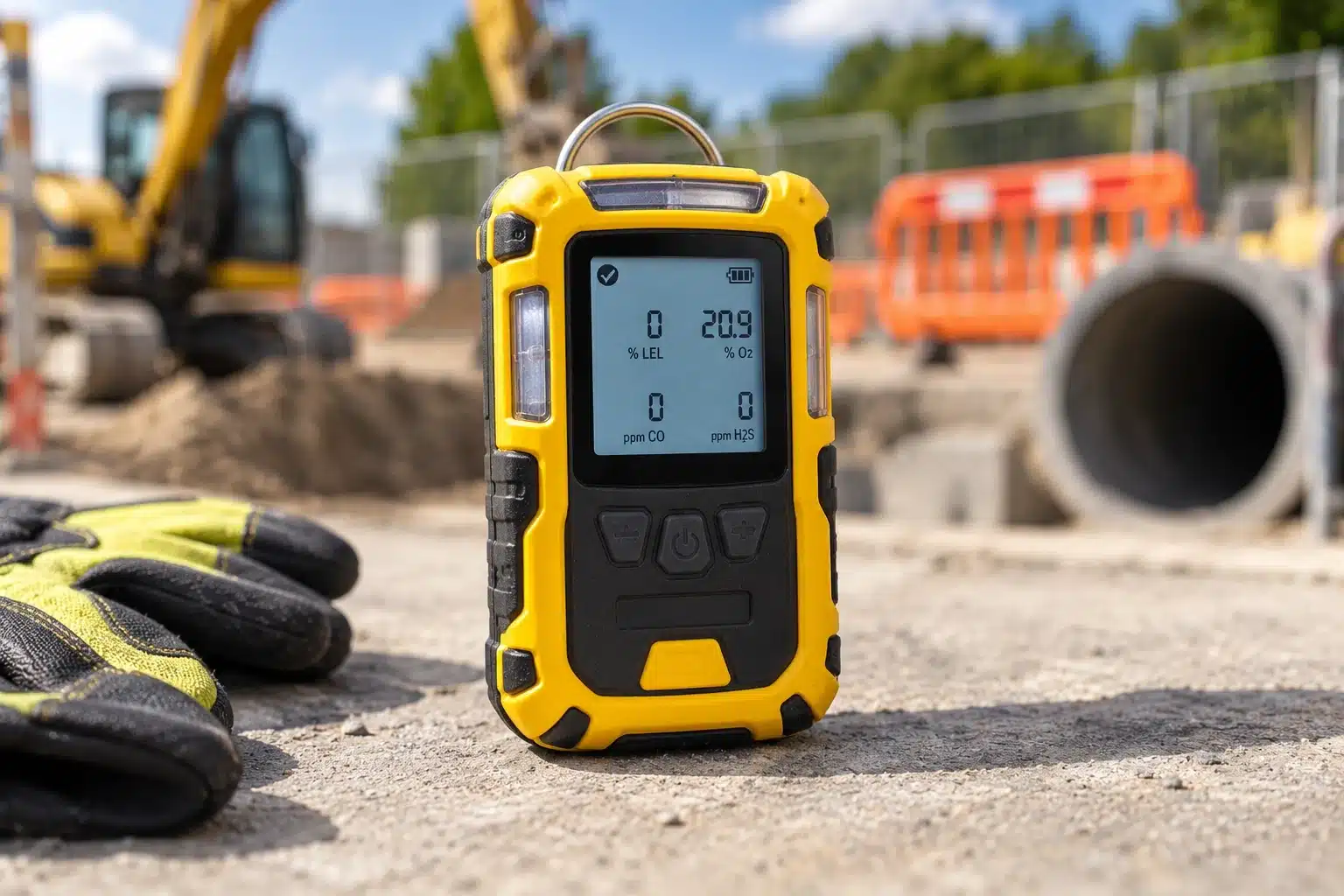
The Coppard gas detector range runs to a portable multi-gas monitor that covers the usual confined-space hazards, with extra sensor options for particular jobs and a minimum hire term. That suits much of the confined-space and site-monitoring work around Reading, though it is no guarantee that every gas you might run into is covered by the exact unit you take on a given hire.
Look over the sensor set-up before you use it, and clear anything out of the ordinary with the depot. Where the job wants single-gas monitoring, or a gas the standard multi-gas configuration leaves out, flag it at booking so it can be sorted rather than discovered missing on site.
A Pre-Entry Test Is Not the Same as Monitoring Throughout
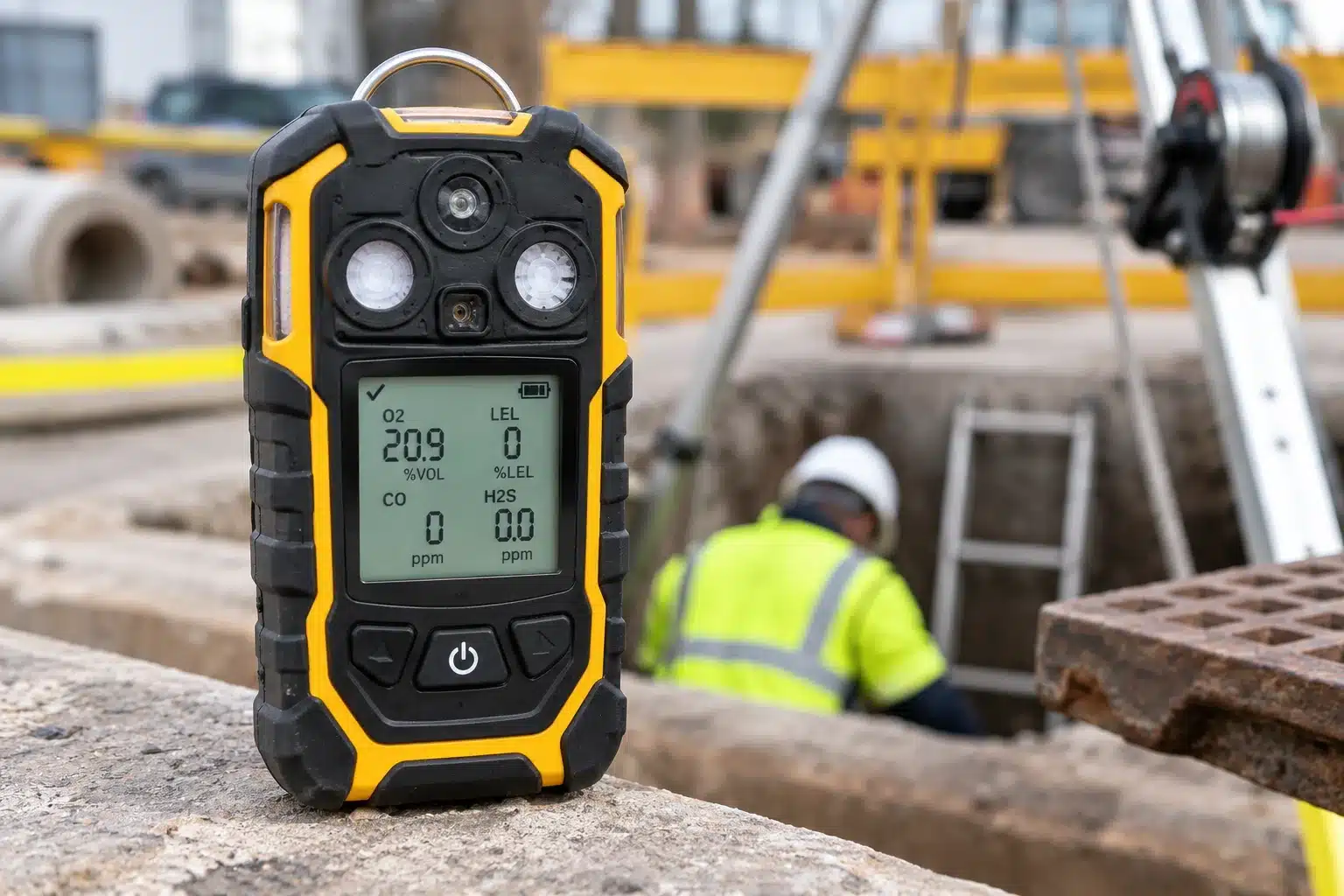
A test before entry tells you one thing: the state of the air right then. It shifts as work proceeds, particularly if ventilation changes, a process kicks off, material is disturbed or a combustion machine comes in close by. The plan through the Reading Tool Rental Service should keep the opening pre-entry test apart from any ongoing or repeated monitoring wanted while people are still down there.
It should also decide, up front, the response to an alarm rather than working it out when one goes off. Consider where the unit is carried or positioned, how readings get passed along and the point at which work halts. A portable monitor earns its keep inside a clear procedure, with people who read both the display and what they are meant to do about it.
Confirm the Instrument's Readiness, Item by Item
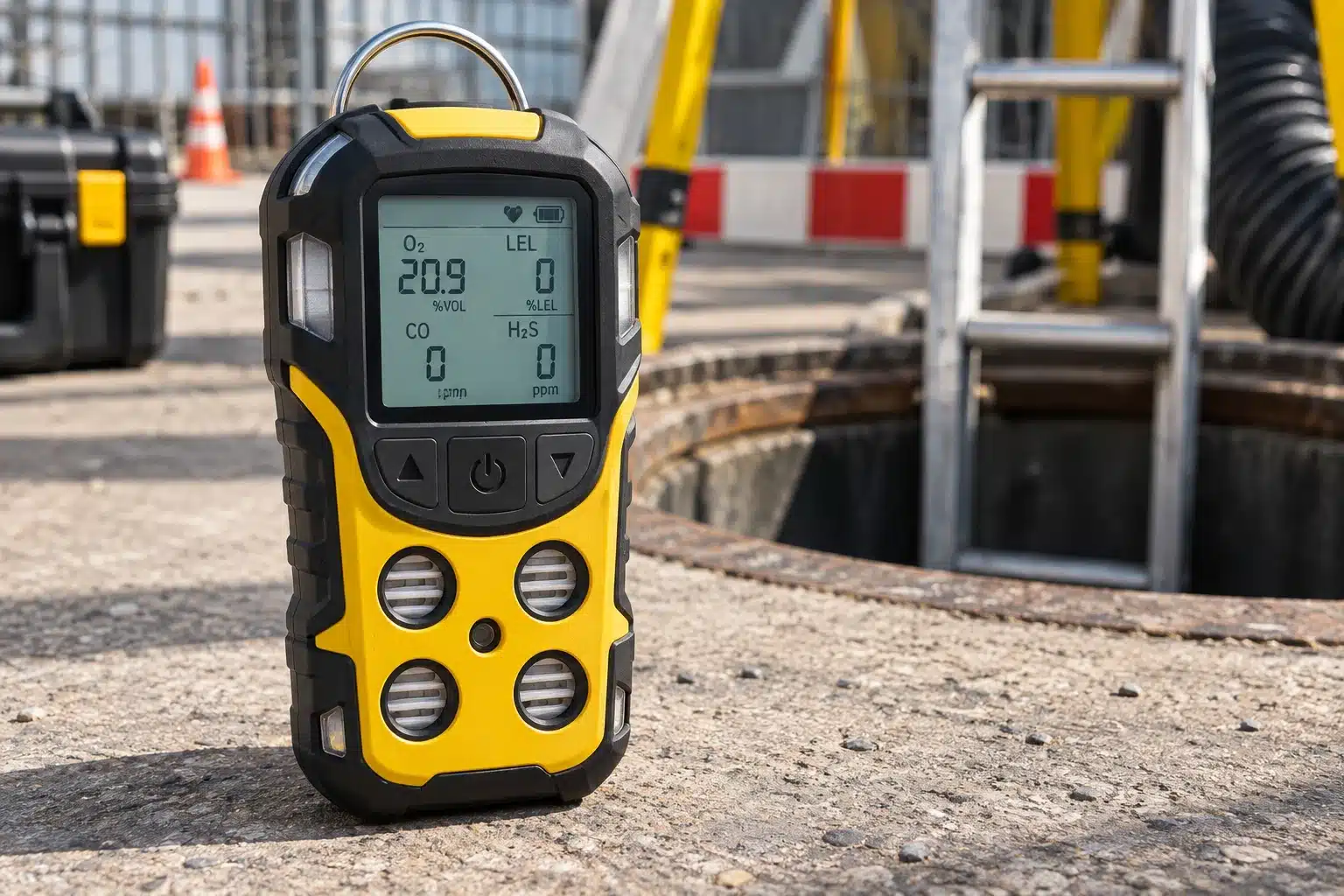
Calibration, function checks and alarm levels are what make an instrument ready, not box-ticking. Whoever runs it needs to know the alarm points, how much battery is left and where the sensors stop being reliable before it is put to work on a Reading job. Ask the depot what calibration or test record comes with the actual monitor, and whether a check is due before each spell of use.
Where it forms part of a confined-space entry plan, set down how the unit’s state and its readings are checked as the job runs. A plain, unit-specific confirmation at handover beats assuming every monitor turns up the same, and it keeps the monitoring plan true to the kit actually in your hands.






Arrange Gas Detection Through the Reading Depot
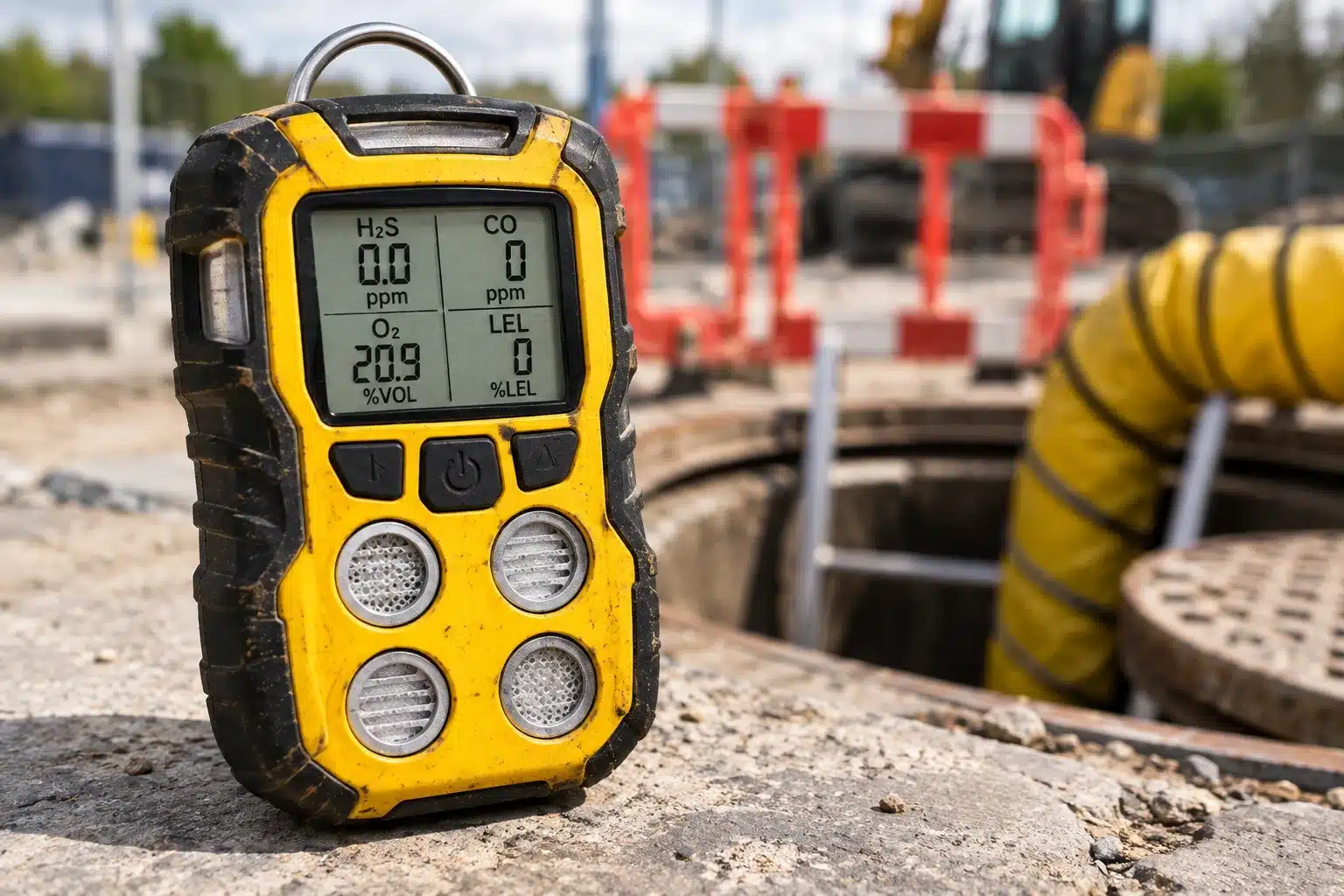
For gas-monitoring work, ring the team with the location, the hazards you expect, how long the hire runs and the gases to watch. They can confirm what is free, the sensor configuration and the minimum term, and it helps to name whether the detector is for a dig, a tank, a process area or a formal confined-space entry, since the monitoring approach is not the same for each.
Where the job calls for single-gas equipment or a specific calibration record, say so before booking so it can be checked rather than taken on trust. Coppard covers work across Reading and the Thames Valley. Call 0118 979 2828: the right detector is the one set up for the atmosphere you can foresee and backed by a clear plan for monitoring and for acting on an alarm.
Frequently Asked Questions - Gas Detector Hire in Reading, Berkshire
How do I know which gas detector I need?
Begin with the air, not the box. Decide which hazards could realistically arise, a lack of oxygen, a flammable gas, and toxic gases such as carbon monoxide or hydrogen sulphide are each their own risk, and the monitor answers only for the sensors it holds. The job counts too, as a tank, a dig, a process area or a confined-space entry each bring different sources. Give the depot the expected hazards and the task, and the sensor set-up can be checked before use.
Does a four-gas monitor cover everything?
No. A four-gas unit reads only what its sensors cover, usually oxygen, a flammable gas, carbon monoxide and hydrogen sulphide. Anything else needs the right sensor or a different instrument. Where the atmosphere is uncertain or an unusual gas could be present, settle the sensor requirement before the monitor is trusted for entry or ongoing work, and never treat a standard multi-gas unit as a catch-all for whatever might be in the air.
Is a test before entry enough?
No. A test before entry captures the air only at that instant, and it moves as the job runs, particularly if ventilation changes, a process begins, material is disturbed or a combustion machine comes in close by. Work out whether continuous or repeated monitoring is needed while people stay in the space, and agree the response to an alarm before one sounds. A monitor is at its best inside a clear procedure, with users who grasp both the readings and what to do about them.
What should I check about the actual instrument?
Go over the fitted sensors, the calibration or function-check status, where the alarms are set, the battery state and any limits on the actual unit you receive. Ask the Reading depot what calibration or test record comes with it and whether a check is due before each spell of use. Where it is part of a confined-space entry plan, write down how its state and readings are checked through the job rather than assuming every unit turns up the same.
What UK regulations apply to work in confined spaces?
Under the Confined Spaces Regulations 1997 the duty is to keep out of a confined space wherever it is reasonably practicable, and where entry cannot be avoided, to control the risks through a safe system of work. The text is at Confined Spaces Regulations 1997 on legislation.gov.uk. A gas monitor is one element of that system, sitting with the risk assessment, the ventilation, the entry method and the rescue plan rather than replacing any of them.
Need gas detector hire in Reading?
Let us know the gases to watch for, where the work is and how long you need it. Call Coppard on 0118 979 2828.