Breaker Hire in Melksham, Wiltshire
Breaker hire in Melksham for removing old machine foundations and floor pads to make way for new equipment installation, to the precise footprint the new plant requires. Coppard supplies electrical breakers, an independent hydraulic breaker and excavator-mounted attachments across Wiltshire. Call 01380 828988 with the new equipment’s foundation drawing and the existing pad to remove.
Replacing production equipment in a Wiltshire manufacturing unit often means removing an old machine’s foundation pad to make way for a new one with different mounting requirements, and the breaking has to follow the new equipment’s foundation drawing precisely rather than simply clearing an area, since getting the new footprint wrong delays the equipment installation that follows.
Work to the New Equipment's Foundation Drawing
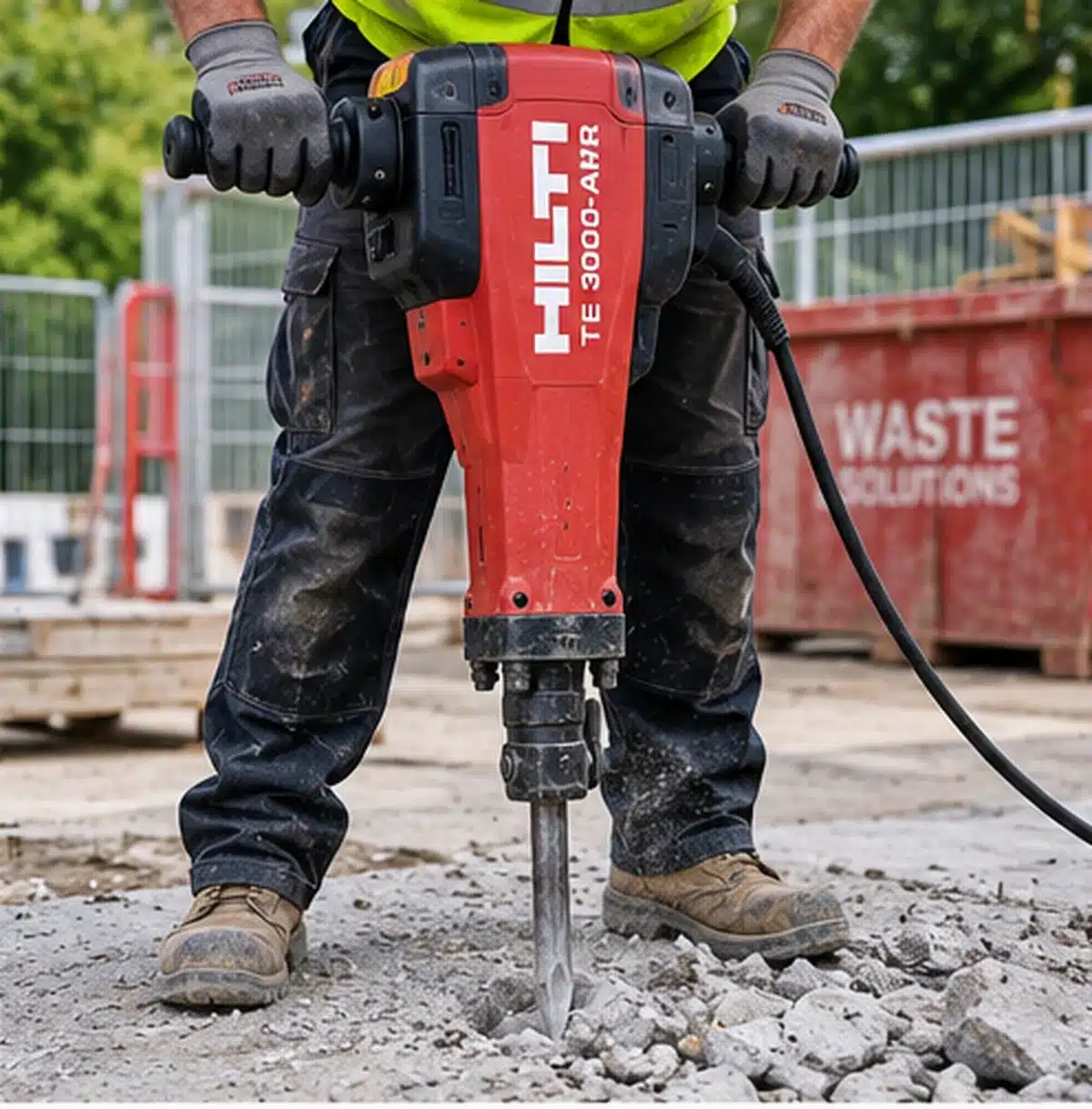
Where a breaker job removes an old foundation to make way for new plant, the new equipment’s foundation or installation drawing is the actual specification for the work, not a general sense of the area to clear. Confirm the precise footprint, depth and any specific features the new foundation requires, drainage points, cable ducts, anchor bolt positions, before breaking out the old pad.
Through the Melksham Tool Rental Service, mark out the new footprint clearly before starting, and break to that mark rather than clearing generously and hoping it covers what the new equipment needs, since over-breaking creates its own problem if the new foundation design assumes a specific, undisturbed area around its edges.
Old Foundations Often Have Their Own Embedded Features
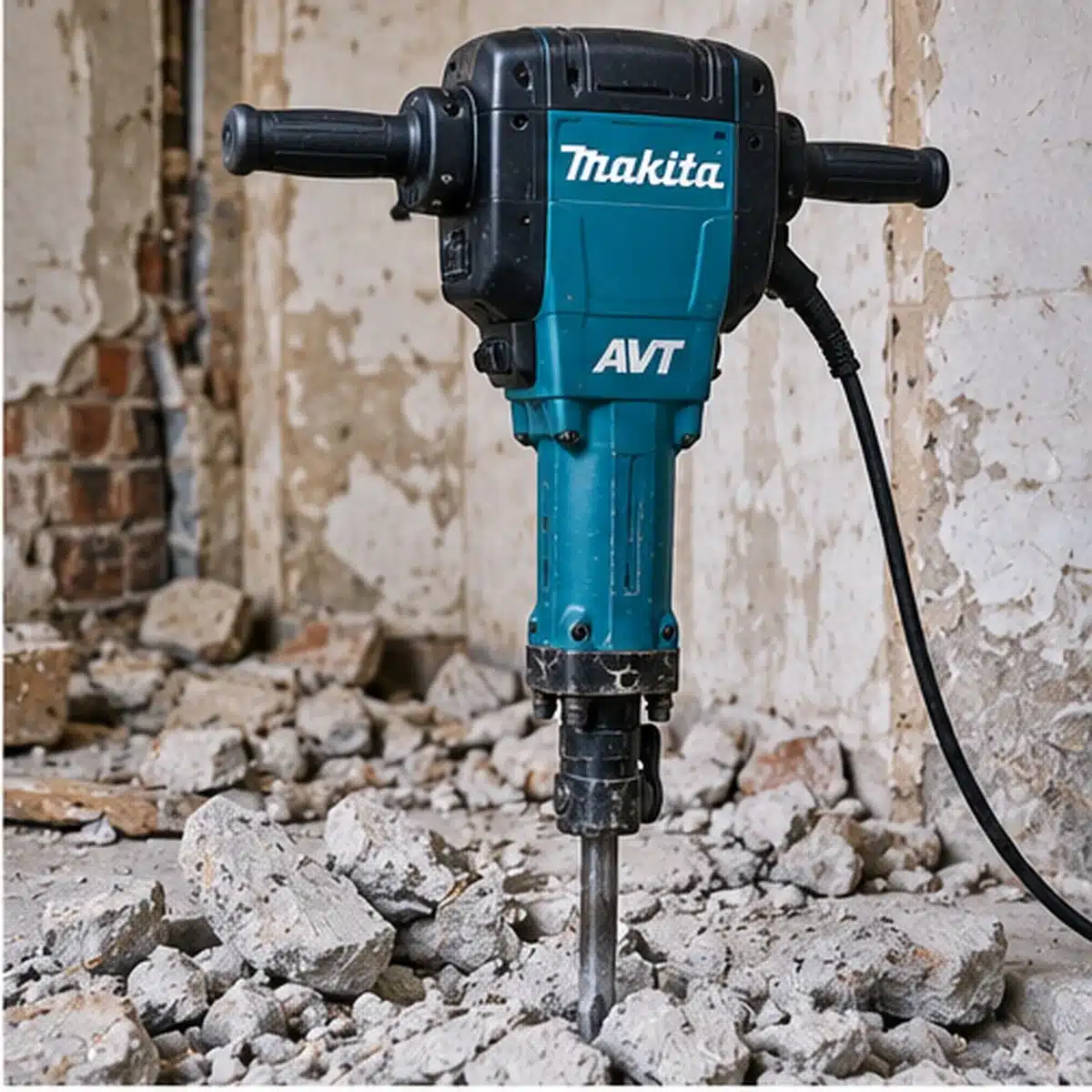
An existing machine foundation frequently has embedded anchor bolts, conduit, drainage or other features from the equipment it originally supported, and these need identifying and dealing with properly rather than simply broken through, since some may need careful removal, capping or relocation rather than indiscriminate demolition.
Check what the old equipment’s own foundation drawing shows, if available, before starting, since unexpected embedded features are a common source of delay when a breaker job assumes a plain concrete pad and finds buried services or fixings partway through.
Match the Class to Precision as Well as Volume
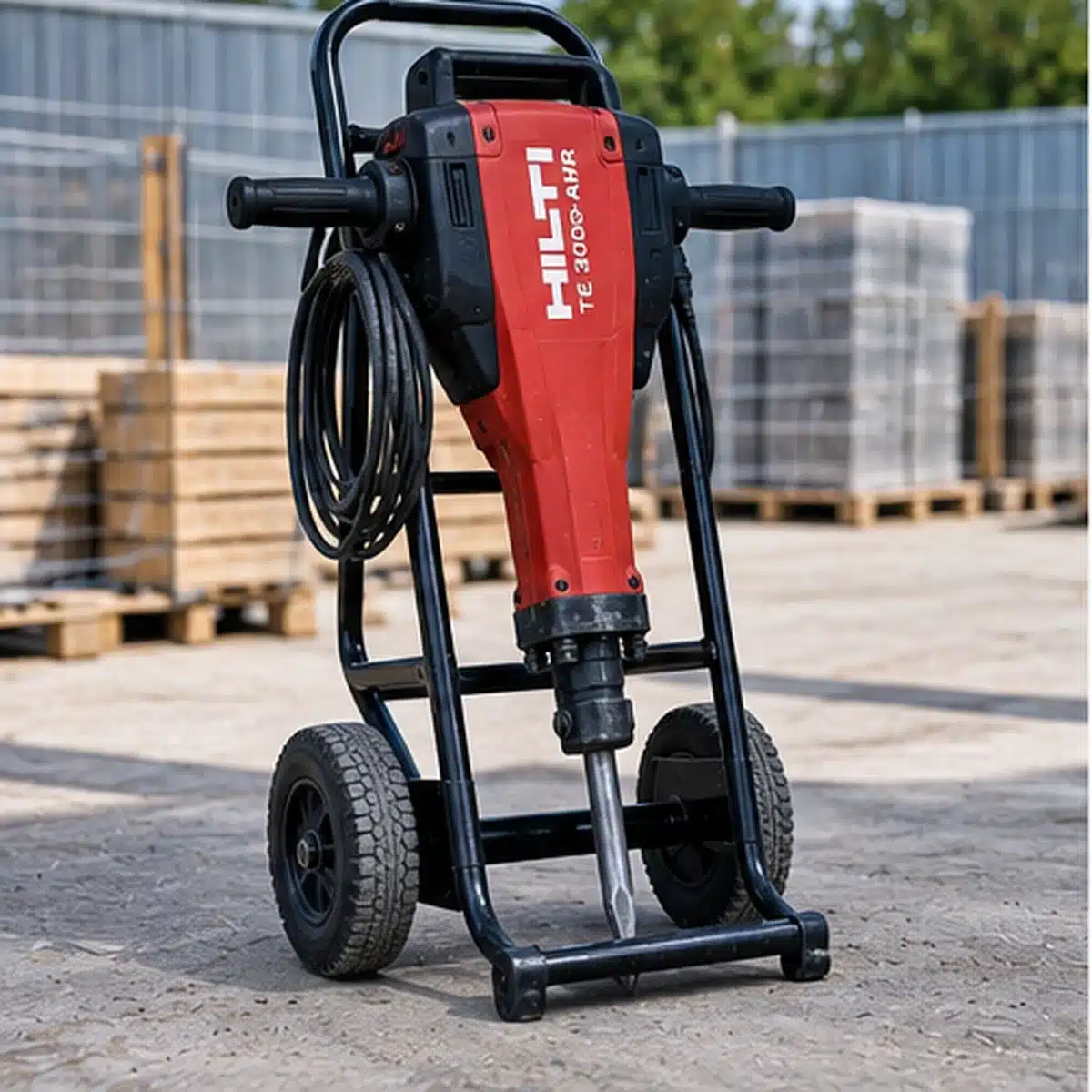
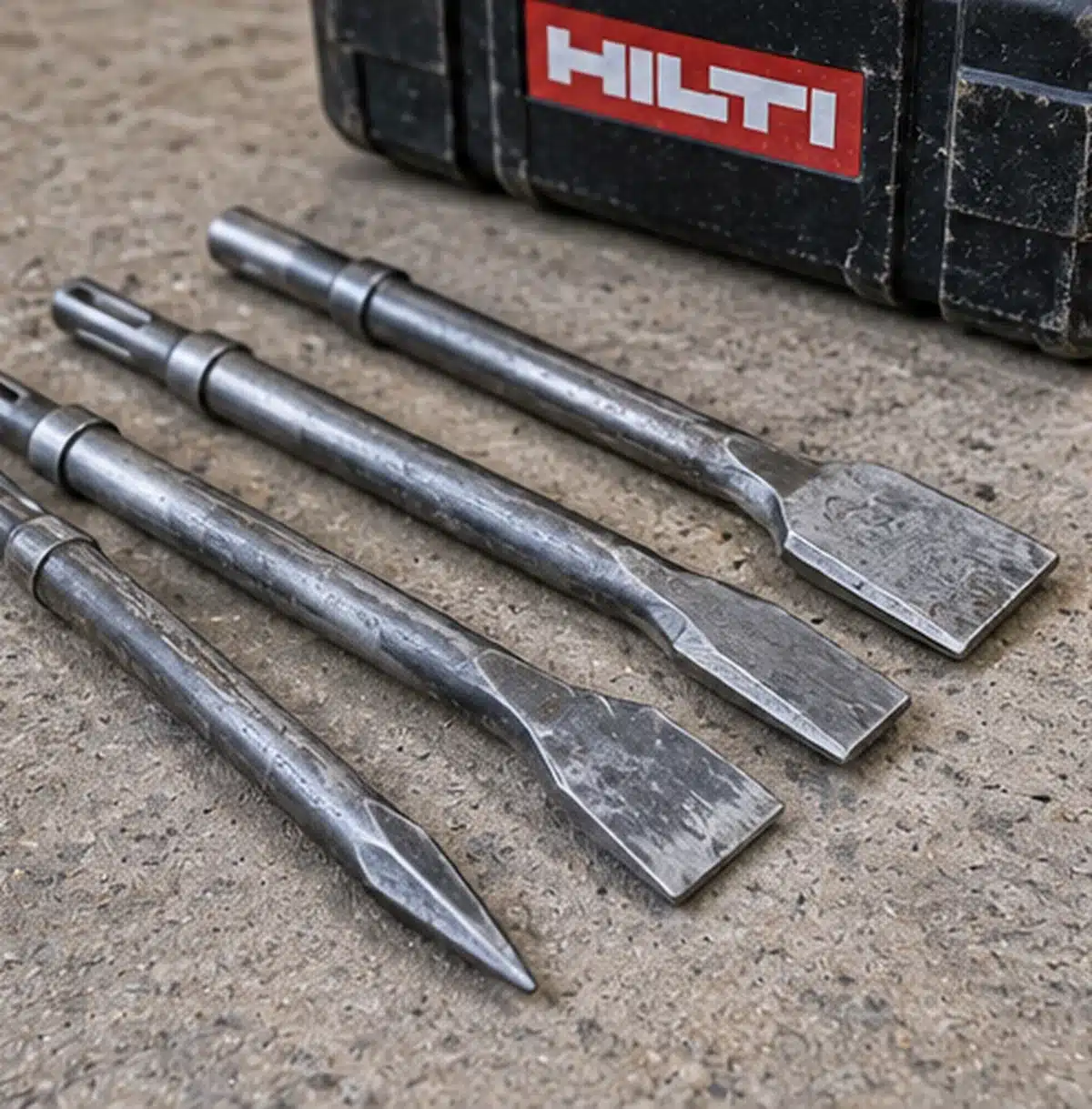
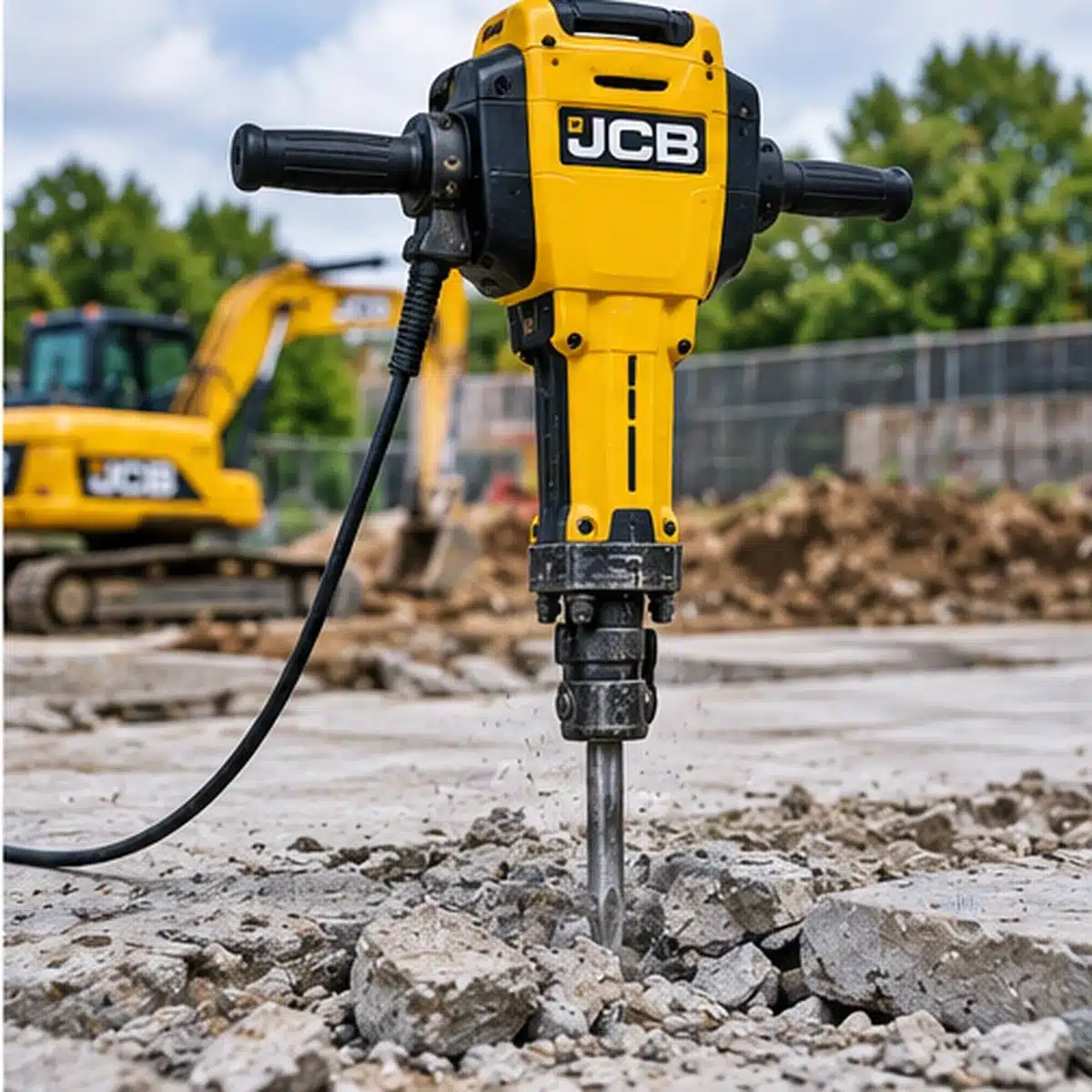
Where the new equipment’s footprint demands a clean, precise edge close to areas that must remain undisturbed, nearby foundations, floor areas staying in service, hand-held breaking may suit the perimeter even where an excavator handles the bulk removal efficiently in the middle of the area. The Coppard breakers collection covers both, and a job often uses more than one class in combination.
Confirm the precision needed at the edges of the new footprint specifically, since a fast, powerful excavator attachment optimised for volume removal is not always the right tool for the final few centimetres next to a boundary that has to stay exact.
Sequence the Work Against the Installation Programme
New equipment installation often follows immediately after the old foundation is removed and the new one cured, so the breaking work sits at the start of a chain of dependent activities, and delays here cascade through the whole equipment changeover programme. Confirm the sequence and timing with whoever is managing the installation before starting the breaking.
Where the new foundation needs curing time before equipment installation, factor that into the overall programme from the breaking stage onward, so the breaking is timed to keep the whole changeover on schedule rather than treated as an isolated task.






Tell the Melksham Depot the New Footprint and the Old Foundation
Give the new equipment’s foundation specification, the existing pad’s rough dimensions and any known embedded features, and the installation programme this feeds into. Say where precision matters most at the edges of the new footprint.
The team can then match the electrical, independent hydraulic and excavator-mounted options for work across Melksham and the wider Wiltshire area to the actual precision and volume needed. Call 01380 828988 with the new equipment’s specification to hand, so the breaking suits the footprint it has to leave behind.
Frequently Asked Questions - Breaker Hire in Melksham, Wiltshire
How precise does foundation removal need to be for new equipment?
As precise as the new equipment’s foundation or installation drawing specifies, since that document is the actual target, not a general sense of the area to clear. Confirm the exact footprint, depth and any specific features required, drainage points, cable ducts, anchor bolt positions, and break to that mark rather than clearing generously, since over-breaking can create its own problem if the new design assumes an undisturbed area around its edges.
What if the old foundation has embedded bolts or conduit?
Check the original equipment’s foundation drawing if available, since existing machine foundations frequently have embedded anchor bolts, conduit or drainage from what they originally supported, and these need identifying and handling properly rather than broken through indiscriminately. Unexpected embedded features are a common source of delay when a breaker job assumes a plain concrete pad and finds buried fixings partway through in a Melksham unit.
Should I use a hand-held breaker or an excavator for this kind of job?
Often both, in combination. Where the new footprint needs a clean, precise edge near areas that must stay undisturbed, hand-held breaking suits the perimeter even where an excavator handles the bulk removal efficiently in the middle. Confirm the precision needed specifically at the edges, since a fast, powerful excavator attachment optimised for volume is not always right for the final few centimetres next to a boundary that has to stay exact.
How does foundation removal fit into an equipment installation programme?
It usually sits at the start of a chain of dependent activities, with new equipment installation following once the old foundation is removed and the new one has cured, so delays at the breaking stage cascade through the whole changeover. Confirm the sequence and timing with whoever manages the installation before starting, and factor any curing time into the programme from the breaking stage onward.
What UK rules apply to noise from breaker work?
The Control of Noise at Work Regulations 2005 require employers to assess and control the risks from workplace noise. The text is at Control of Noise at Work Regulations 2005 on legislation.gov.uk. On a precision foundation job in a working Melksham unit, that assessment also needs to account for the impact of breaking noise on other operations or trades still working nearby during the changeover.
Need breaker hire in Melksham?
Tell us the new equipment’s foundation footprint and the old pad to remove. Call Coppard on 01380 828988.