Gas Detector Hire in Brighton, Sussex
Gas detector hire in Brighton for opening long-sealed cellars, voids and coal holes discovered during basement conversion work in period properties, where the atmosphere inside is genuinely unknown. Coppard supplies portable multi-gas monitoring across Sussex. Call 01273 596979 with what has been found and how long it appears to have been sealed.
Opening a long-sealed cellar, void or old coal hole discovered during a Brighton basement conversion is a genuinely unknown-atmosphere situation, since nobody currently knows what has accumulated inside a space that may have been closed off for decades, which is a different starting point from a known agricultural substance or a documented industrial process chemical.
An Unknown Sealed Space Deserves Real Caution
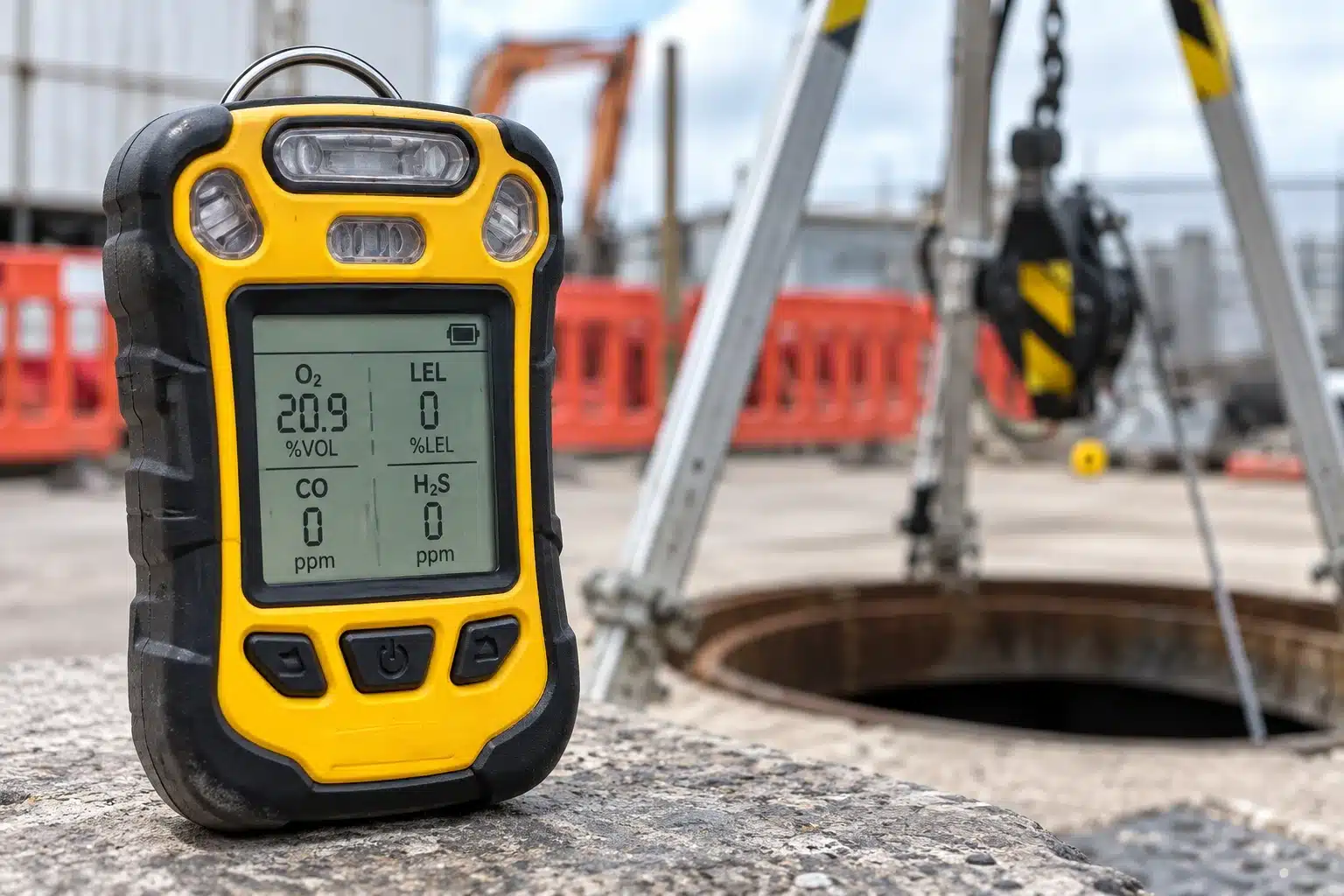
A cellar, void or coal hole sealed for an extended period can develop a genuinely unpredictable atmosphere, oxygen depletion, accumulated gases from whatever the space has been in contact with over the years, and with no prior knowledge of what specifically caused any of it, the right approach is caution and testing before entry, not an assumption based on what the space was probably used for.
Through the Brighton Tool Rental Service, test the atmosphere before anyone puts their head into a newly opened sealed space, however briefly, since even a quick look into a long-closed void carries the same fundamental risk as a planned entry if the atmosphere inside is genuinely unknown.
Discovery Often Happens Mid-Project, Not as Planned Work
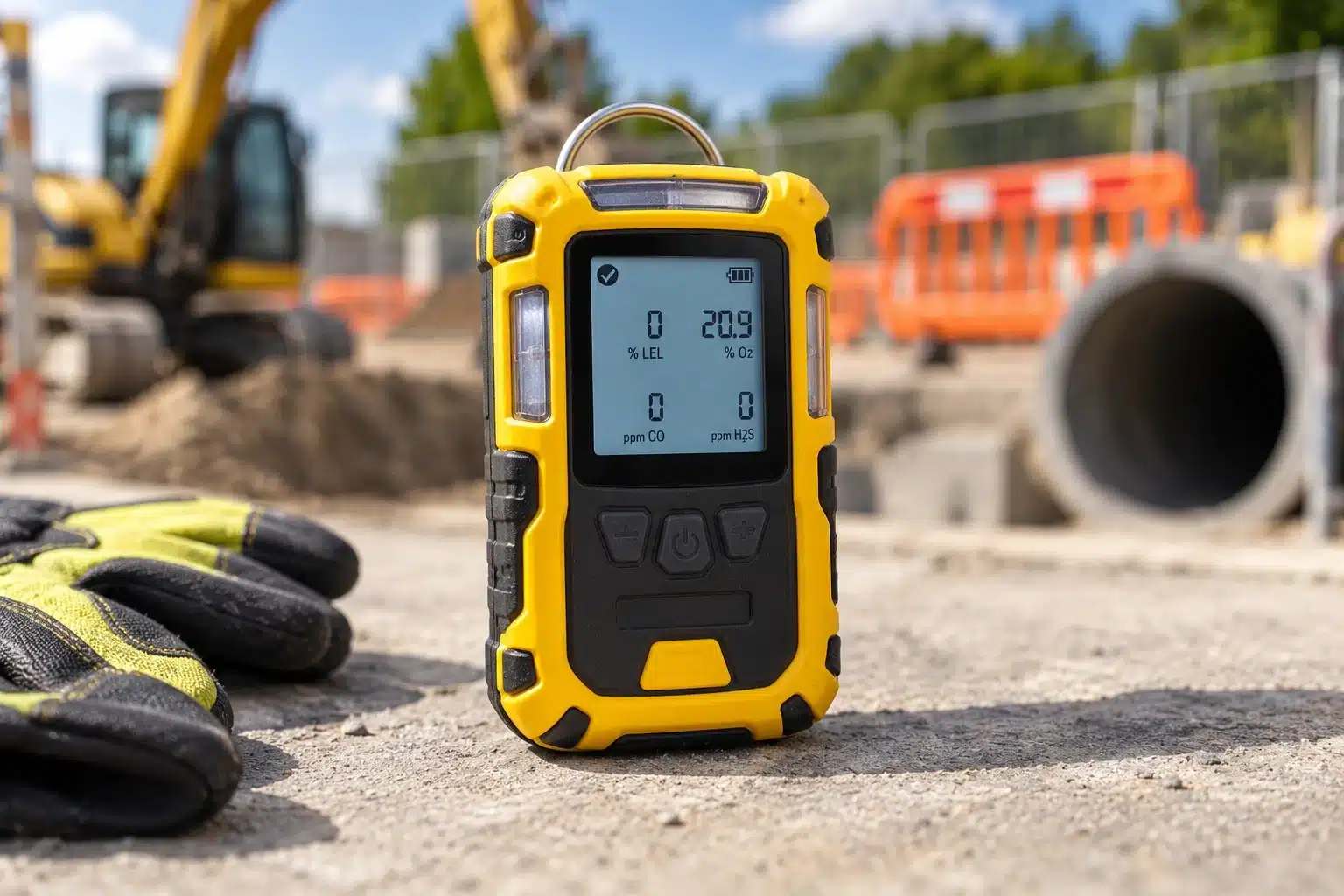
Unlike a planned confined-space entry with equipment already organised, a sealed cellar or void is often discovered unexpectedly during a Brighton basement conversion, breaking through what turns out to be an old blocked-up opening, so having detection equipment available or quickly obtainable matters for exactly this kind of unplanned discovery, not just a scheduled task. The Coppard gas detector range covers portable equipment that can respond to this kind of find.
Where a sealed space is discovered without detection equipment already on site, stop before proceeding further and arrange testing before continuing, rather than treating an unexpected find as less serious than a planned entry simply because it was not anticipated in the original project scope.
Consider What the Space's History Suggests, Even If Uncertain
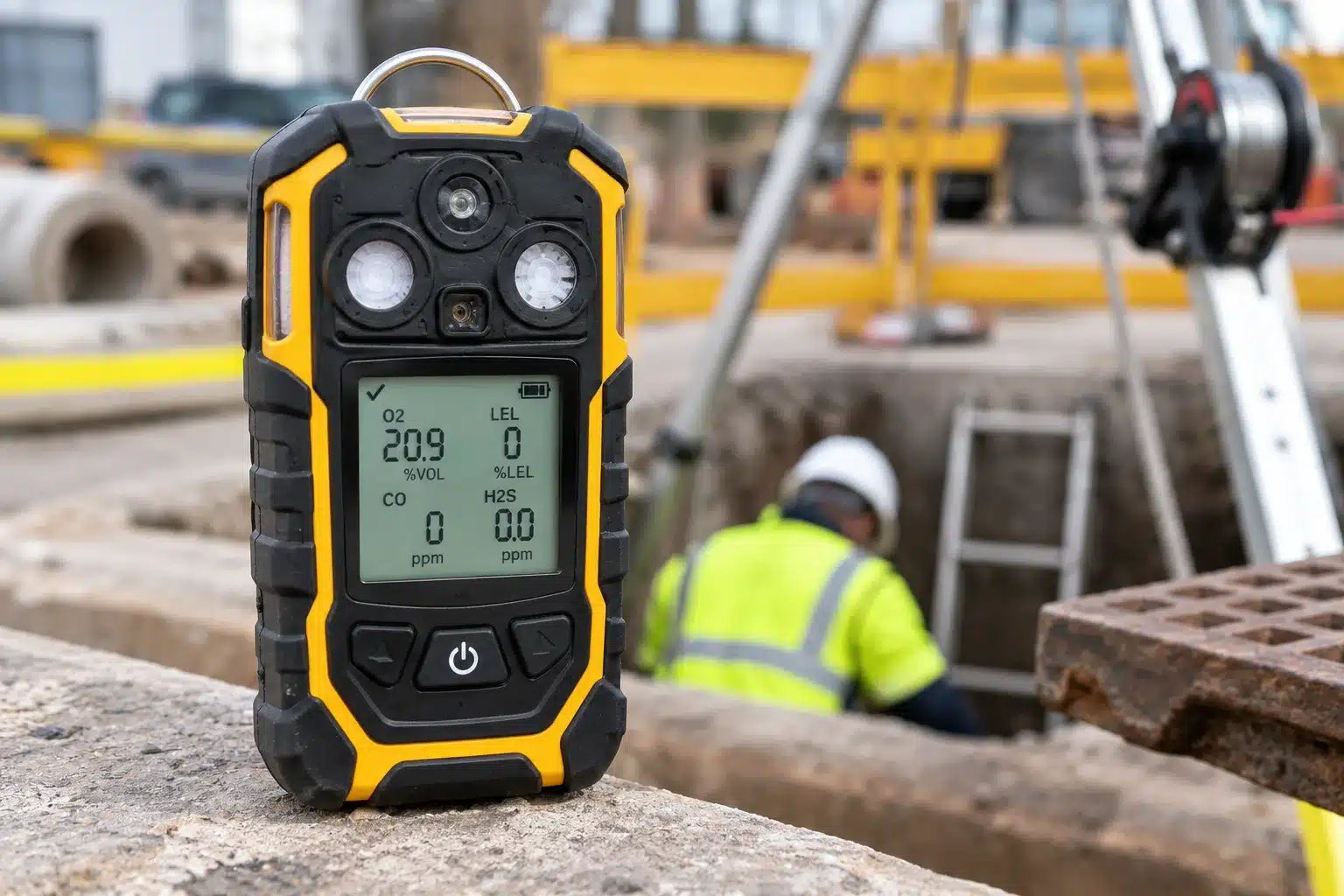
While the atmosphere itself is unknown, the space’s likely former use, an old coal store, a Victorian cellar, a void from an earlier building phase, can offer some clue about what to be alert for, even without certainty, so consider what a Brighton period building’s known history suggests might be relevant, while still testing rather than relying on assumption alone.
Old gas lighting infrastructure, historic coal storage, or simply decades of no air exchange at all are all plausible in a genuinely old, long-sealed Brighton space, so let the building’s age and likely history inform what the detection should specifically be alert for, without treating that history as a substitute for actually testing the atmosphere.
Plan for Genuine Uncertainty in the Entry Decision
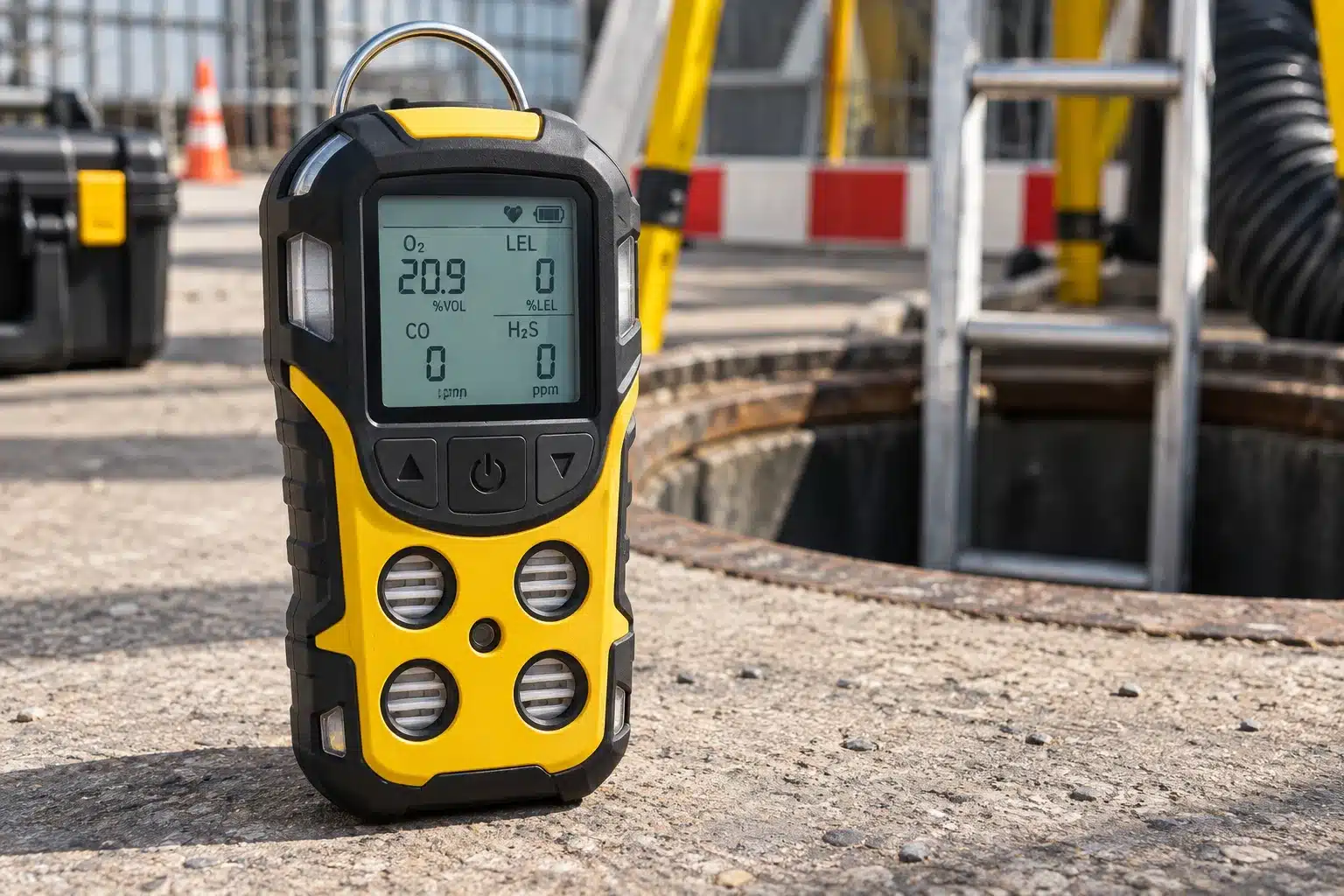
Where testing reveals an atmosphere that is unclear or borderline rather than obviously safe or obviously dangerous, treat that ambiguity itself as a reason for caution and further investigation rather than proceeding on the basis that the readings were not definitively bad, since a newly opened, long-sealed space is exactly the situation where an equivocal result deserves the most conservative interpretation.
Where genuine doubt remains after testing, get advice from someone with specific confined-space expertise before proceeding, since a long-sealed Brighton cellar or void with an atmosphere that does not read clearly one way or the other is not a situation to resolve by simply deciding to go ahead anyway.






Tell the Brighton Depot What Has Been Found
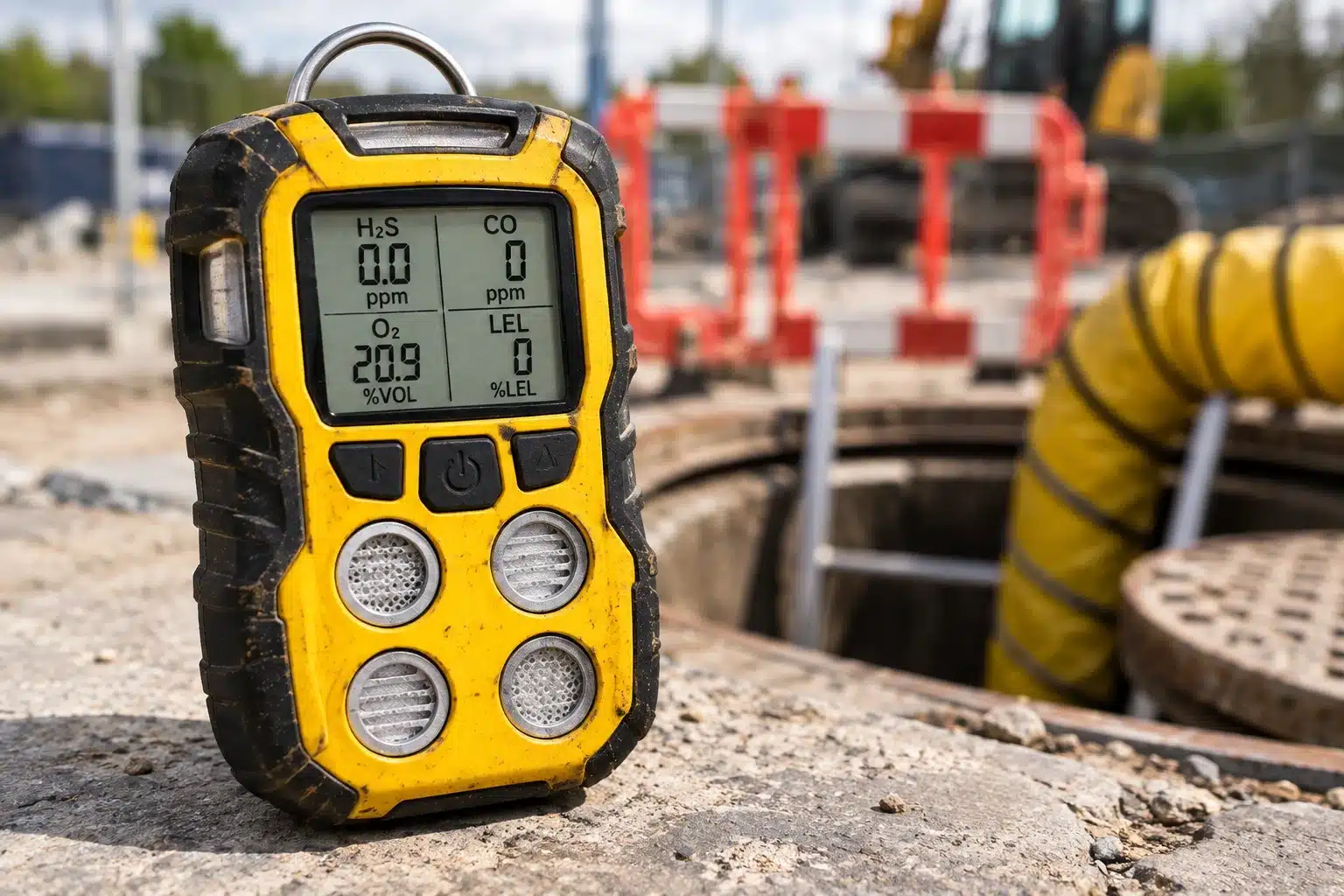
Give a description of the discovered space, its apparent age and likely former use if known, and how it was found, an unexpected breakthrough or a planned opening. Say whether anyone has already entered or looked inside.
The team can confirm suitable detection equipment for work across Brighton and the wider Sussex area. Call 01273 596979 as soon as a sealed space is discovered, so testing happens before entry rather than after someone has already put themselves at risk investigating an unknown atmosphere.
Frequently Asked Questions - Gas Detector Hire in Brighton, Sussex
Is it safe to look into a newly discovered sealed cellar briefly?
Test the atmosphere first, since even a quick look into a long-closed void carries the same fundamental risk as a planned entry if the atmosphere is genuinely unknown, which it is for a space sealed for an extended period in a Brighton property. Oxygen depletion or accumulated gases can develop unpredictably with no prior knowledge of the specific cause, so caution applies regardless of how briefly someone intends to look.
What if we find a sealed space unexpectedly with no equipment on site?
Stop before proceeding further and arrange testing before continuing, rather than treating an unexpected discovery as less serious than a planned confined-space entry simply because it was not anticipated. Having detection equipment quickly obtainable matters for exactly this kind of unplanned find during a Brighton basement conversion, not just scheduled work.
Does knowing the cellar's likely history help even without testing?
It can offer clues, an old coal store, historic gas lighting infrastructure, decades of no air exchange, that suggest what to be alert for, but it is not a substitute for actually testing the atmosphere. Let the building’s age and likely history inform what the detection should focus on, while still treating the space as genuinely unknown until confirmed.
What if the test results are unclear rather than clearly safe or dangerous?
Treat that ambiguity as a reason for caution and further investigation, not as permission to proceed, since a newly opened, long-sealed Brighton space is exactly the situation where an equivocal reading deserves the most conservative interpretation. Get advice from someone with specific confined-space expertise where genuine doubt remains after testing, rather than deciding to go ahead anyway.
What UK regulations apply to entering a newly discovered confined space?
The Confined Spaces Regulations 1997 set duties to avoid entry where reasonably practicable and to control the risks by a safe system of work where entry is necessary, and these apply just as much to an unexpectedly discovered space as a planned one. The text is at Confined Spaces Regulations 1997 on legislation.gov.uk. For a Brighton discovery mid-project, that means pausing to test and plan rather than treating it as an incidental part of the wider works.
Need gas detector hire in Brighton?
Tell us what sealed space has been found and how long it appears to have been closed. Call Coppard on 01273 596979.