Safety Equipment Hire in Crowborough, East Sussex
Safety equipment hire in Crowborough for work-at-height and confined-space tasks. Coppard supplies a full-body harness, an A-frame tripod with winch and breathing apparatus across East Sussex. Call 01892 662777 with the task and the access arrangement before booking, so the equipment is judged against the actual work.
Safety equipment should begin with the job, not a generic list of harnesses and rescue gear. A harness, tripod or breathing set only makes sense connected to a defined work method: what the worker is doing, where the exposure is and what must happen if something goes wrong. Give the depot that context so components are not hired in isolation.
Define the Work Method Before Selecting Personal Safety Equipment
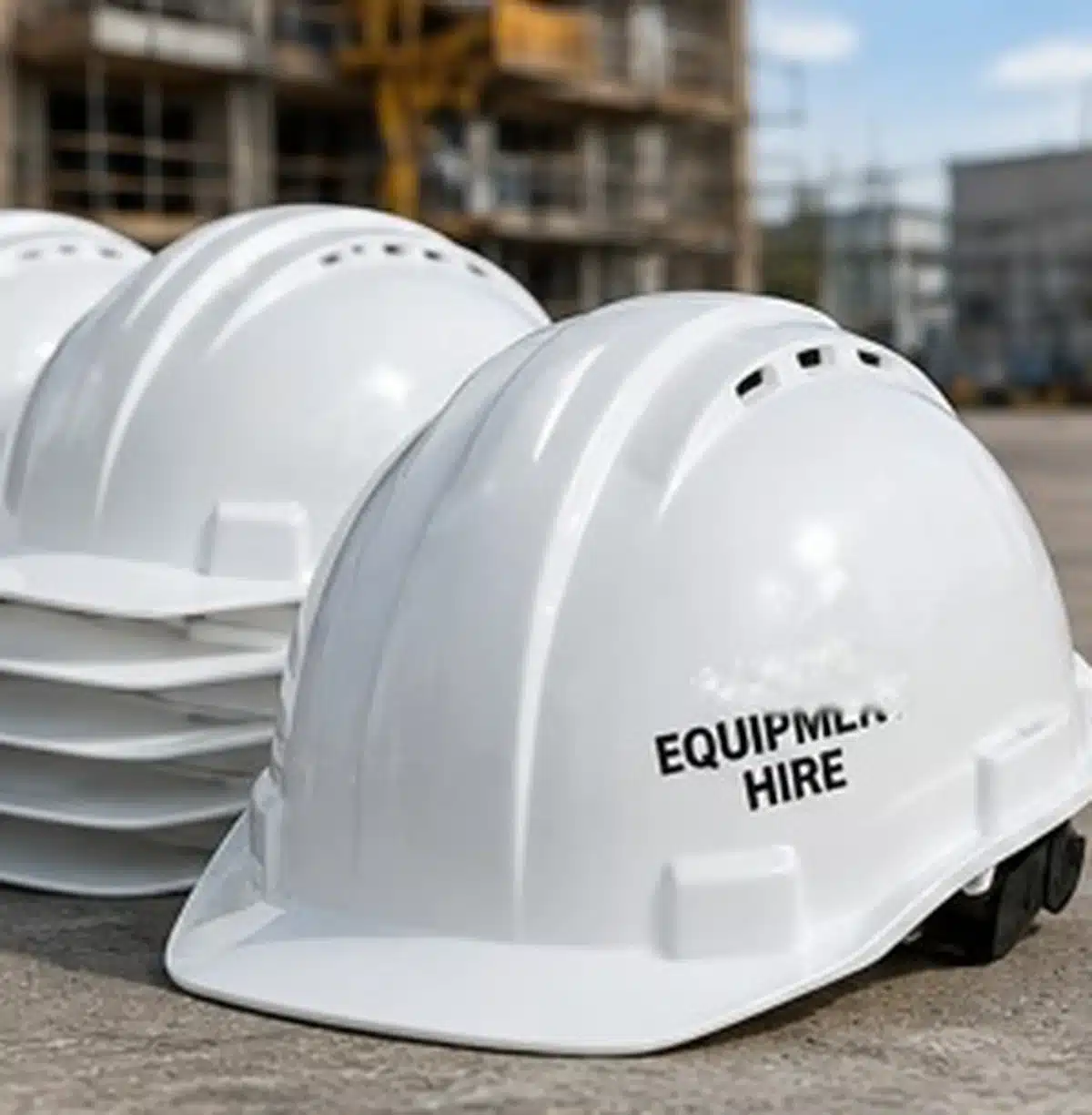
A harness, tripod or breathing set only makes sense when it is connected to a defined work method. Start by identifying what the worker will be doing, where the exposure occurs and what must happen if something goes wrong. For work at height, that means considering the platform, edge or boom-lift arrangement, the permitted movement and the consequence of a fall.
For confined-space work, the entry route, the atmosphere, the communication and the recovery method matter just as much. The equipment supports those decisions rather than replacing them. On a short maintenance job this can be straightforward; on a tank, chamber or difficult access point the recovery plan can drive the whole set-up. That context stops isolated components being hired that turn out unsuitable when combined on site.
Make Sure the Harness and Connection Method Belong Together
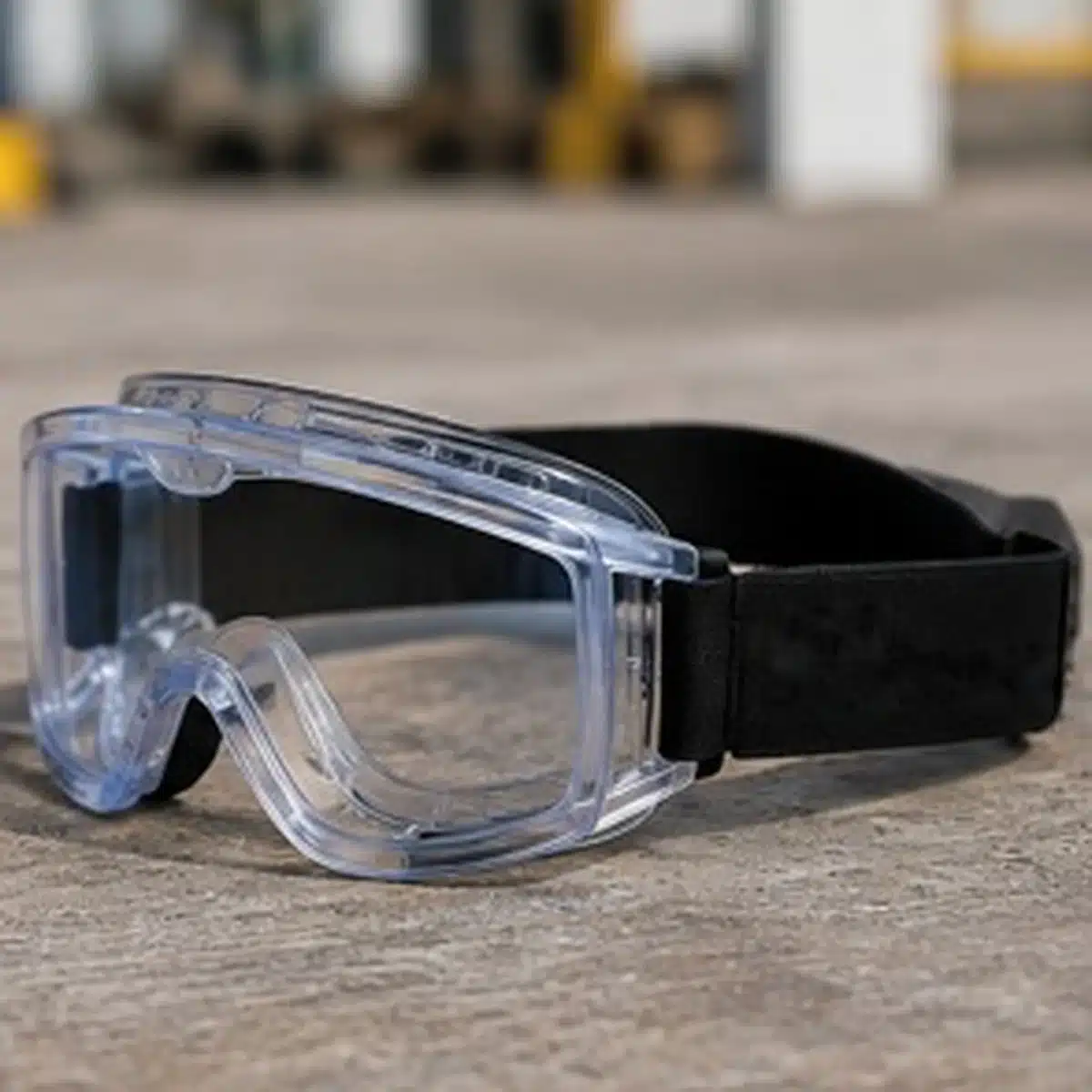
The Coppard full-body safety harness is listed for use with mechanical boom lifts, a useful reminder that a harness is only one component in a larger system. The attachment point, the lanyard or restraint arrangement and the user’s movement all decide whether the equipment is appropriate. A restraint set-up meant to stop someone reaching a fall edge is not the same as a fall-arrest system designed to manage an actual fall.
An anchor that is convenient is not automatically a suitable anchor. So this page does not imply one hired harness covers every situation. When you describe the machine, the access method and the connection requirement, the team can confirm the item actually available and whether any complementary components are stocked for that hire.
Treat Confined-Space Recovery as a Complete Access Problem
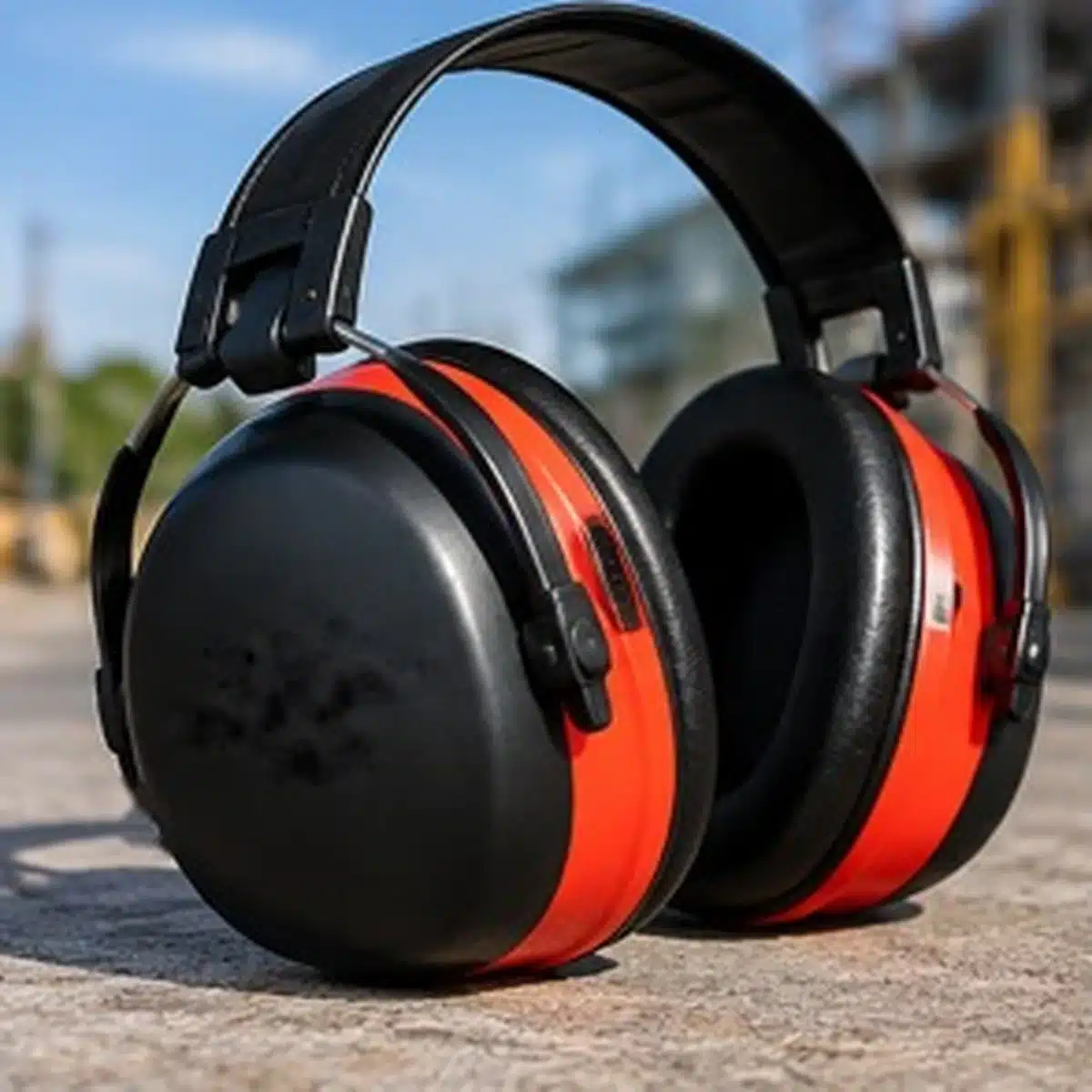
The range includes a lightweight A-frame tripod with a mounted winch, plus separate breathing apparatus. Those can form part of confined-space planning, but the practical question is how a person will enter and how they could be recovered without creating a second casualty. Check the opening size, the tripod position, the load path and the clear space above the entry point.
Consider whether the winch line can stay unobstructed and whether the person managing recovery has a workable position. A tripod does not remove the need for competent supervision, communications or atmospheric controls. For chambers, tanks or shafts, describe the geometry of the entry as clearly as possible, so the equipment is judged against the actual space rather than a general label.
Inspection Records Must Match the Exact Item Issued
Safety equipment can easily be over-claimed on inspection and certification. The stronger approach is to make the claim specific to the item being hired: confirm what inspection record, identification or certification accompanies it, and make sure the user understands any pre-use checks required by the manufacturer or the site procedure.
This matters most where several components combine into one system, because compatibility and condition both count. A precise, evidence-based confirmation for the exact harness, lanyard, reel, anchor or rescue component is far more useful to a contractor than a broad promise, and it is what keeps the equipment fit to put into a planned work-at-height or confined-space operation.


Give Crowborough the Task, Access and Recovery Details
For a local enquiry, the most useful information is the activity, the access method, the approximate height or entry depth, the intended attachment or recovery arrangement and the number of people involved. The Crowborough Tool Rental Service can then confirm which items are currently available for work across East Sussex and what documentation accompanies the equipment.
If the project combines a boom lift, confined-space entry or another particular access method, mention that at the outset rather than after collection. Call 01892 662777 before the hire date, so availability and component suitability are checked against the planned work instead of treating safety equipment as an interchangeable accessory.
Frequently Asked Questions - Safety Equipment Hire in Crowborough, East Sussex
Can I hire one harness for any work-at-height task?
No. The harness is only one part of the protection system. The access method, the anchor or attachment point, the lanyard or restraint arrangement and the expected movement all affect what is suitable. A restraint set-up that stops someone reaching an edge is not the same as a fall-arrest system for an actual fall. Explain whether the work involves a boom lift, an exposed edge or another access method, so the equipment is judged against the specific task.
What should be planned before using a confined-space tripod?
Check the opening dimensions, the overhead clearance, the tripod position, the winch line and the recovery route before entry begins, and make sure the team has a clear method for communication and rescue. A tripod supports the recovery arrangement but does not replace the wider confined-space plan, the atmospheric checks or competent supervision. Describe the geometry of the entry clearly, so the equipment is matched to the actual space rather than a general ‘confined-space kit’ label.
Is the equipment supplied with inspection and certification records?
Inspection and certification should be confirmed for the exact item being issued rather than assumed across the fleet. Ask the depot what record, identification or certification accompanies the harness, lanyard, reel, anchor or rescue component you are hiring, and make sure users know the pre-use checks the manufacturer or site procedure requires. Where several components form one system, their compatibility and individual condition both need checking before the equipment goes into use.
Does hiring a harness make a work-at-height job safe on its own?
No. The harness, the anchor, the lanyard and the way the person moves are one system, and the wider plan matters more than any single item. Work at height should first consider whether a safer method, such as a platform or collective protection, is reasonably practicable, before relying on personal fall equipment. Describe the full access arrangement to the depot, so the hired items suit the method rather than being treated as a complete safety solution in themselves.
What UK regulations govern equipment used for work at height?
The Work at Height Regulations 2005 set requirements for planning, competence and selecting work equipment, including the preference for collective protection where reasonably practicable. You can read the official regulations at Work at Height Regulations 2005 on legislation.gov.uk. For personal safety equipment, that means the harness, anchor, connectors and method should suit the specific task and be used by competent people, not chosen as a generic accessory to the access equipment.
Need safety equipment hire in Crowborough?
Describe the access method, the height or entry arrangement and the recovery requirement. Call Coppard on 01892 662777 to check the available equipment and supporting documentation.